
Nutrition comparison
Custard Apple vs Guava: Which Tropical Fruit Is Healthier?
Compare Custard Apple and Guava on sugar, fiber, vitamin C, and safety. Guava wins for daily health, while Custard Apple is a sweeter occasional treat. Learn why.
Overall winner · Guava
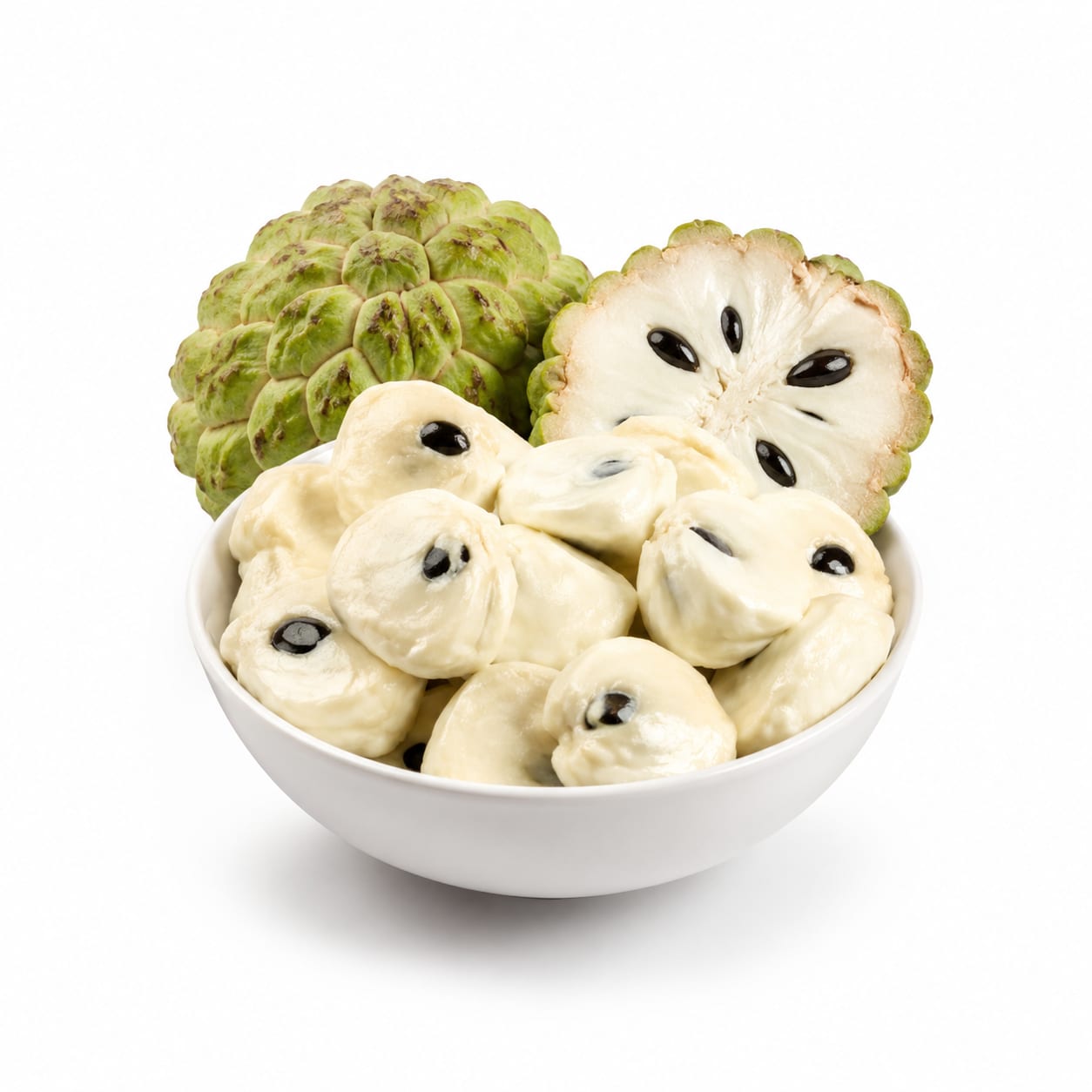
Custard Apple
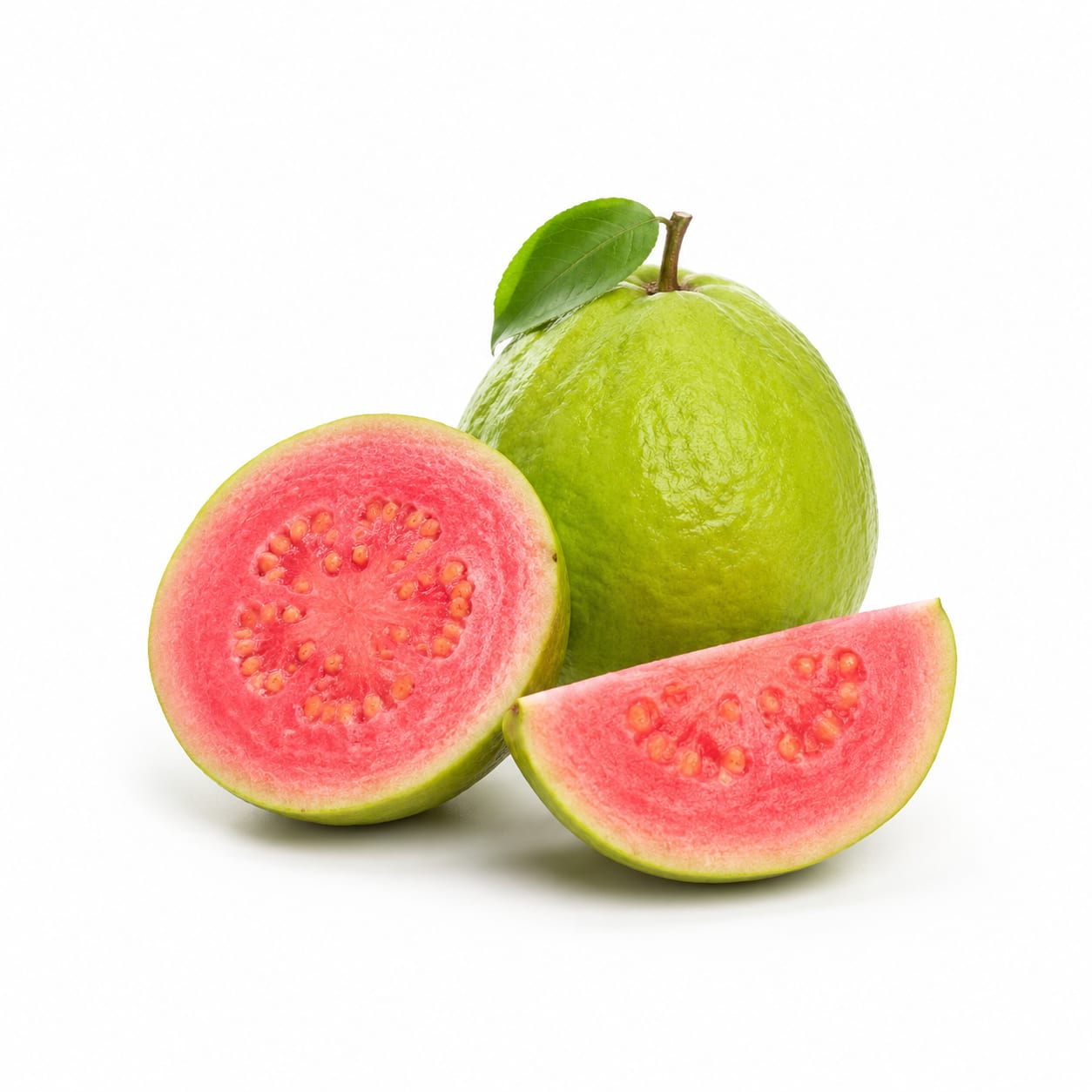
Guava
Guava dominates on nutrition, blood sugar control, and safety, while Custard Apple offers a richer, more dessert-like tropical experience.
Guava wins decisively on most nutritional and safety metrics. Custard Apple scores lower primarily due to high sugar content, lower fiber, and annonacin safety concerns, though it remains a enjoyable occasional treat.
You trade lower sugar and higher nutrients in Guava for the creamy, indulgent sweetness of Custard Apple.
At a glance
Executive summary
Overall
Guava
Healthier
Guava
More practical
Guava
Daily use
Guava
Key comparison lenses
blood sugar management
Custard Apple is significantly higher in sugar, making this the most critical differentiator for health-conscious users
vitamin C and immunity
Guava is one of the richest vitamin C sources on earth, while Custard Apple offers far less
weight management
Calorie and sugar density differ substantially between these two tropical fruits
digestive health
Fiber content gap is significant, with Guava delivering much more per serving
neurotoxin safety
Custard Apple contains annonacin in seeds and skin, a compound linked to neurological concerns
Best choice for
Custard Apple
- Tropical dessert lovers wanting a natural sweet treat
- People seeking calorie-dense fruit for weight gain or recovery
- Anyone craving a creamy, custard-like texture without dairy
Guava
- People managing blood sugar or diabetes risk
- Anyone wanting maximum vitamin C per bite
- Those prioritizing fiber and digestive regularity
Least suitable for
Custard Apple
- People with diabetes or insulin resistance
- Anyone watching sugar intake closely
- Those concerned about annonacin exposure from seeds and skin
Guava
- People who dislike tart or astringent flavors
- Anyone seeking a calorie-dense fruit for energy surplus
- Those wanting a rich, creamy dessert-like fruit experience
Deep comparison
Dimension by dimension
Each lens scores both foods and breaks down who each option suits.
- Dimension 1 · Priority 92Guava
Blood Sugar Impact
Custard Apple · 35Guava · 88Guava is dramatically gentler on blood sugar, with roughly half the sugar and triple the fiber of Custard Apple.
Tradeoff
Custard Apple delivers a sweeter, more satisfying dessert experience but at the cost of a significant blood sugar spike.
Why it matters
If you experience afternoon energy crashes or have any blood sugar concerns, this difference is decisive.
Real-world impact
Eating Guava feels light and steady. Custard Apple can feel like eating a natural candy bar — delicious but potentially followed by a slump.
Custard Apple
- Quick energy before intense physical activity
- Satisfying a sweet tooth without processed sugar
Better for
- Late-night snacking
- Anyone with prediabetes
- Sitting at a desk all day
Worse for
Guava
- Stable energy throughout the afternoon
- Diabetes prevention or management
- Reducing sugar cravings over time
Better for
- Pre-workout when you need fast carbs
- Recovering from intense endurance exercise
Worse for
- Dimension 2 · Priority 88Guava
Vitamin C and Antioxidant Power
Custard Apple · 40Guava · 97Guava is a vitamin C powerhouse, delivering over 4 times more than Custard Apple per serving.
Tradeoff
Custard Apple offers some B vitamins and potassium that Guava provides less of, but the vitamin C gap is enormous.
Why it matters
Vitamin C affects immunity, skin health, and iron absorption — areas where Guava delivers exceptionally well.
Real-world impact
One Guava can cover more than your entire daily vitamin C need. You would need multiple Custard Apples to match it.
Custard Apple
- Getting B6 for energy metabolism
- Potassium intake for muscle function
Better for
- Meeting daily vitamin C needs efficiently
Worse for
Guava
- Immune support during cold season
- Skin health and collagen production
- Iron absorption when eaten with iron-rich meals
Better for
- B vitamin intake specifically
Worse for
- Dimension 3 · Priority 80Guava
Fiber and Digestive Health
Custard Apple · 42Guava · 90Guava provides roughly 3 times more fiber per serving, making it far superior for digestion and fullness.
Tradeoff
Custard Apple's lower fiber means it digests faster but leaves you hungry sooner.
Why it matters
Fiber controls appetite, supports gut bacteria, and slows sugar absorption — all areas where Guava shines.
Real-world impact
Guava keeps you full for hours. Custard Apple satisfies in the moment but hunger returns quickly.
Custard Apple
- Easier digestion for sensitive stomachs when fiber is irritating
Better for
- Staying full until your next meal
- Supporting healthy gut bacteria
Worse for
Guava
- Managing appetite between meals
- Improving gut health and regularity
- Slowing sugar absorption naturally
Better for
- Acute digestive flare-ups where low-fiber is temporarily needed
Worse for
- Dimension 4 · Priority 85Guava
Calorie and Weight Management
Custard Apple · 38Guava · 82Guava is significantly lower in calories and sugar, making it the clear choice for weight management.
Tradeoff
Custard Apple is calorie-dense and sweet — great for gaining weight, challenging for losing it.
Why it matters
A single Custard Apple can pack over 200 calories with high sugar. Guava delivers more volume and nutrients per calorie.
Real-world impact
You can eat two Guavas for fewer calories than one Custard Apple, and feel more satisfied from the fiber.
Custard Apple
- Healthy weight gain strategies
- Calorie-dense snacking for athletes
- Recovering from illness with appetite loss
Better for
- Calorie-controlled diets
- Emotional eating patterns
Worse for
Guava
- Sustainable weight loss
- Volume eating — more food for fewer calories
- Managing cravings without overconsuming
Better for
- Active teenagers needing calorie surplus
- Endurance athletes fueling long sessions
Worse for
- Dimension 5 · Priority 75Guava
Safety and Toxin Concerns
Custard Apple · 45Guava · 90Custard Apple contains annonacin, a natural neurotoxin concentrated in seeds and skin, raising safety questions with frequent consumption.
Tradeoff
The flesh of Custard Apple is generally safe, but careless preparation or frequent eating increases exposure risk.
Why it matters
Annonacin has been linked to atypical Parkinsonism in populations consuming it regularly. This is a rare but serious concern.
Real-world impact
Occasional Custard Apple enjoyment is fine. Daily consumption, especially if seeds or skin are accidentally ingested, is not advisable.
Custard Apple
- Occasional seasonal enjoyment when properly prepared
Better for
- Frequent daily consumption
- Households with children who might bite into seeds
- Anyone with neurological conditions
Worse for
Guava
- Daily fruit consumption without safety worries
- Long-term dietary staple
- Children who might accidentally eat seeds
Better for
- No significant safety concerns
Worse for
- Dimension 6 · Priority 70It depends
Taste and Eating Experience
Custard Apple · 82Guava · 72Custard Apple offers a unique creamy, custard-like indulgence. Guava delivers a bright, tropical tang that varies by variety.
Tradeoff
Custard Apple feels like dessert. Guava feels like a refreshing snack. They serve completely different cravings.
Why it matters
Enjoyment drives consistency. The fruit you actually want to eat is the one you will keep eating.
Real-world impact
Custard Apple is a treat to look forward to. Guava is a reliable daily fruit you never tire of.
Custard Apple
- Replacing processed desserts naturally
- Special occasion tropical fruit experience
- Comforting, creamy texture cravings
Better for
- Tart or refreshing flavor preferences
- Smoothie and recipe versatility
Worse for
Guava
- Refreshing hot-weather snacking
- Adding to smoothies and salads
- Everyday fruit rotation
Better for
- Creamy, dessert-like texture cravings
- Indulgent treat moments
Worse for
Timeline
Health impact over time
Short-term
Hours to days
Custard Apple
- Quick energy boost from high natural sugar content
- Possible blood sugar spike followed by a crash within 1-2 hours
- Immediate satisfaction from creamy, sweet taste
Guava
- Sustained energy without the crash due to high fiber and lower sugar
- Enhanced alertness from exceptional vitamin C content
- Comforting fullness that reduces snacking between meals
Long-term
Months to years
Custard Apple
- Potential increased diabetes risk if consumed frequently in large amounts
- Annonacin exposure could affect neurological health with regular seed or skin contact
- Enjoyable relationship with whole-food treats when eaten occasionally
Guava
- Stronger immune function from consistent high vitamin C intake
- Better digestive health and gut microbiome diversity from abundant fiber
- Lower chronic disease risk from lycopene and diverse antioxidant compounds
Risk profile
Safety & processing
Both fruits are whole, unprocessed foods straight from nature. Neither carries additive concerns when eaten fresh. The main difference is that Guava's nutritional profile rewards daily eating, while Custard Apple's sugar and safety profile suggests moderation.
Custard Apple
Annonacin neurotoxin exposure
mediumSeeds and skin contain annonacin, linked to atypical Parkinsonism in regions with high consumption. Always remove seeds completely and avoid chewing skin.
Rapid spoilage
lowCustard Apple bruises and ferments quickly once ripe, potentially causing stomach upset if eaten overripe.
Guava
Pesticide residue on conventionally grown varieties
lowGuava skin can retain pesticide residue. Washing thoroughly or choosing organic reduces this concern significantly.
Seed hardness
lowGuava seeds are hard and can be a choking hazard for small children or problematic for dental work. Easily avoided by choosing seedless varieties or scooping out seeds.
Who wins for whom
Audience fit
Same foods, different winners depending on your goal.
children
GuavaGuava is safer for kids — no neurotoxin concerns from seeds, lower sugar, and high vitamin C supports growing immune systems.
daily consumption
GuavaGuava's safety profile, low sugar, and exceptional nutrient density make it ideal as a daily fruit staple. Custard Apple is better enjoyed as an occasional treat.
diabetes
GuavaWith roughly half the sugar and triple the fiber, Guava is far gentler on blood sugar and supports better glycemic control.
elderly
GuavaGuava's fiber supports digestive regularity common in older adults, and its vitamin C aids iron absorption and immune health without blood sugar spikes.
muscle gain
Custard AppleCustard Apple offers more calories and carbohydrates per serving, supporting the energy surplus needed for muscle building.
weight loss
GuavaGuava provides more volume, fiber, and nutrients per calorie, keeping you full longer without the sugar load of Custard Apple.
Your move
Decision guide
Choose Custard Apple
- You are craving a natural, creamy dessert experience
- You need calorie-dense fruit for weight gain or athletic fueling
- You are healthy, active, and want an occasional tropical indulgence
- You have access to fresh, properly ripened Custard Apple and will carefully remove all seeds
Choose Guava
- You want a daily fruit that supports blood sugar stability
- Immune health, skin health, or iron absorption is a priority
- You are managing your weight and want maximum fullness per calorie
- You need a safe, kid-friendly fruit with no toxin concerns
- You want versatile fruit for smoothies, salads, and snacking
Either works if
- You simply want to enjoy more tropical fruit variety in your diet
- You have no blood sugar concerns and eat fruit in moderation
- You are rotating seasonal fruits for diverse nutrient intake
Avoid both if
- You have a fructose intolerance or malabsorption issue
- You are on a very low-carb or ketogenic diet
- You have specific tropical fruit allergies
Final recommendation
Make Guava your everyday tropical fruit for its unmatched vitamin C, fiber, and blood sugar stability. Save Custard Apple for special occasions when you want that creamy, indulgent experience — just remove every seed and enjoy it mindfully.
Practical
Consumer tips
- 1
When preparing Custard Apple, cut it open and scoop only the flesh, discarding all seeds immediately to avoid any annonacin exposure.
- 2
Choose pink or red Guava varieties for maximum lycopene content, which supports heart and prostate health.
- 3
If Custard Apple is too sweet for you alone, pair it with a protein source like Greek yogurt to blunt the blood sugar impact.
- 4
Guava with the skin on delivers the most fiber and vitamin C — just wash it thoroughly to remove any pesticide residue.
- 5
Freeze ripe Guava chunks for a refreshing, sorbet-like treat that rivals Custard Apple's dessert appeal with far better nutrition.
- 6
Custard Apple is best eaten when slightly soft to the touch but not mushy — overripe fruit ferments quickly and can cause stomach discomfort.