
Nutrition comparison
Custard Apple vs Avocado: Which Is Healthier for Daily Eating?
Compare Custard Apple and Avocado on sugar, healthy fats, blood sugar impact, and daily usability. Discover which tropical fruit fits your health goals better.
Overall winner · Avocado

Custard Apple
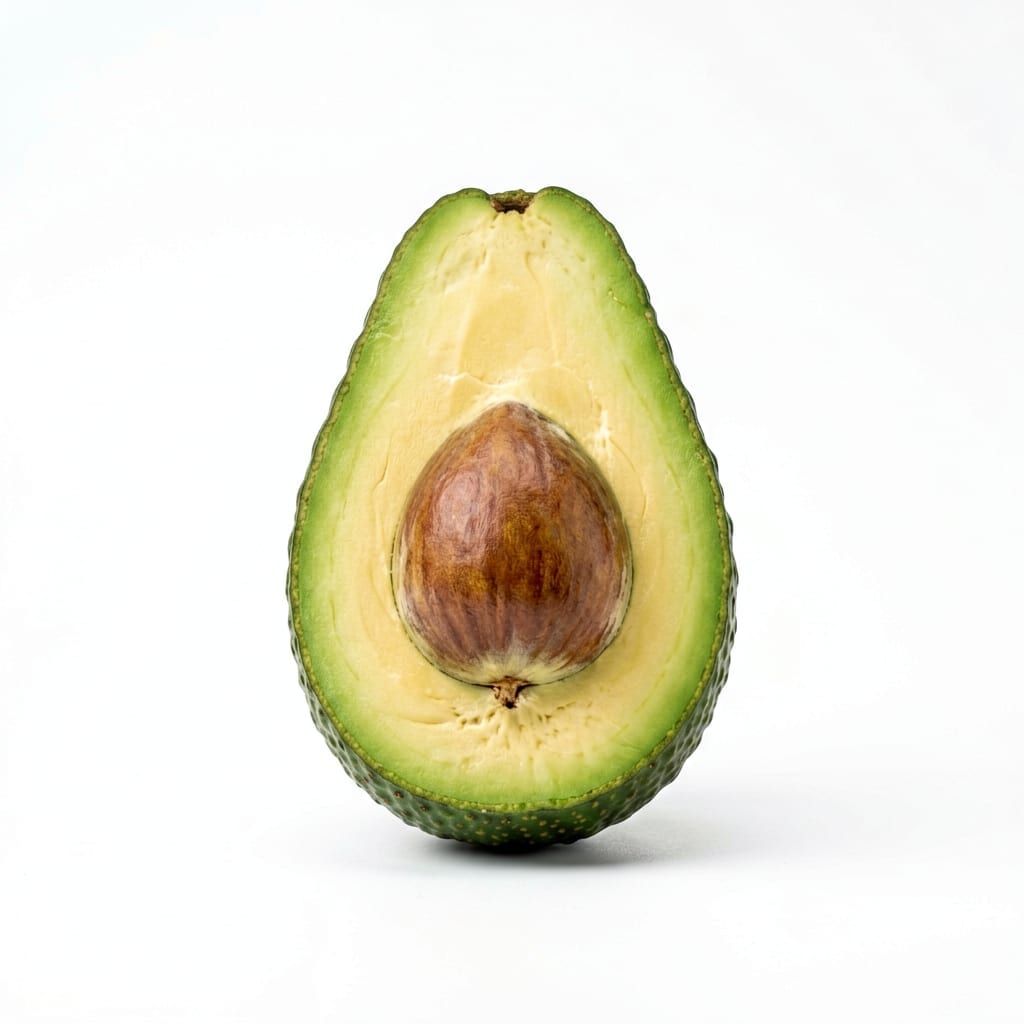
Avocado
Avocado wins for daily health utility thanks to healthy fats, low sugar, and steady energy. Custard Apple is a delicious occasional treat but its high sugar load limits regular use.
Avocado scores significantly higher due to superior fat quality, blood sugar neutrality, fiber density, and everyday versatility. Custard Apple remains nutritionally valuable but its high sugar content and limited availability reduce its daily utility score.
Sweet tropical indulgence versus sustained metabolic stability — Custard Apple gives you joy and vitamin C, Avocado gives you lasting fullness and heart-friendly fats.
At a glance
Executive summary
Overall
Avocado
Healthier
Avocado
More practical
Avocado
Daily use
Avocado
Key comparison lenses
sugar vs fat calorie tradeoff
Custard Apple is sugar-dense while Avocado is fat-dense, making this the core metabolic tradeoff
blood sugar management
Massive difference in sugar content directly impacts glucose response and diabetes suitability
heart health fat quality
Avocado's monounsaturated fats vs Custard Apple's minimal fat content creates a clear cardiovascular dimension
satiety and appetite control
Fat-fiber combo in Avocado vs sugar-driven energy in Custard Apple leads to very different fullness outcomes
seasonal availability and practicality
Custard Apple is highly seasonal and perishable while Avocado is available year-round in most markets
Best choice for
Custard Apple
- Natural sweet tooths wanting a whole-food dessert
- Tropical fruit lovers seeking vitamin C and B6
- Lower-calorie snack seekers who tolerate sugar well
- Seasonal treat enthusiasts
Avocado
- Steady energy and blood sugar control
- Heart health focused eaters
- Keto or low-carb lifestyles
- Meal builders needing creamy texture without sweetness
Least suitable for
Custard Apple
- People managing diabetes or insulin resistance
- Low-carb or keto dieters
- Anyone monitoring sugar intake closely
- Those needing long shelf-life produce
Avocado
- Very low-calorie diet followers
- People with fat malabsorption issues
- Those who dislike rich heavy textures
- Budget-constrained shoppers in some regions
Deep comparison
Dimension by dimension
Each lens scores both foods and breaks down who each option suits.
- Dimension 1 · Priority 95Avocado
blood sugar stability
Custard Apple · 30Avocado · 95Avocado barely moves your blood sugar. Custard Apple can cause a noticeable glucose spike due to its high natural sugar content.
Tradeoff
You trade sweet satisfaction for metabolic calm. If steady energy matters more than a sweet moment, Avocado is the clear pick.
Why it matters
Blood sugar spikes drive cravings, energy crashes, and long-term metabolic strain. Frequent spikes make hunger harder to manage.
Real-world impact
A Custard Apple afternoon snack may leave you hungry again in 90 minutes. Half an Avocado keeps you full for hours.
Custard Apple
- Pre-workout quick energy when you need fast fuel
- Recovering from hypoglycemic episodes
Better for
- Late-night snacking — sugar close to bedtime
- Sitting at a desk all day with no energy output
Worse for
Avocado
- Diabetes and prediabetes management
- Sustained focus through long work sessions
- Avoiding the afternoon energy crash
Better for
- Mid-run fueling when you need immediate carbohydrates
Worse for
- Dimension 2 · Priority 90Avocado
healthy fat profile
Custard Apple · 15Avocado · 95Avocado is loaded with heart-protective monounsaturated fats. Custard Apple has almost no fat at all.
Tradeoff
Custard Apple is lighter and lower in calories but misses the satiety and cardiovascular benefits that healthy fats provide.
Why it matters
Monounsaturated fats lower LDL cholesterol, reduce inflammation, and keep you satisfied longer. They are a cornerstone of Mediterranean-style eating patterns.
Real-world impact
Adding Avocado to a meal means you stay full for 3-4 hours. Custard Apple digests quickly and leaves you reaching for more food sooner.
Custard Apple
- Very low-fat diet protocols
- People counting total calories strictly
Better for
- Absorbing fat-soluble vitamins from other foods
Worse for
Avocado
- Heart health and cholesterol management
- Keto and low-carb meal plans
- Making light meals more satisfying
Better for
- Those with gallbladder issues who struggle with high fat meals
Worse for
- Dimension 3 · Priority 80Avocado
fiber and digestive health
Custard Apple · 50Avocado · 85Avocado delivers roughly double the fiber per serving with a better soluble-to-insoluble ratio for gut health.
Tradeoff
Custard Apple provides decent fiber but the sugar-fiber ratio is less favorable for steady digestion and gut bacteria balance.
Why it matters
Fiber slows sugar absorption, feeds beneficial gut bacteria, and promotes regular digestion. The type of fiber matters as much as the amount.
Real-world impact
Avocado on toast supports smooth digestion and stable energy. Custard Apple contributes fiber but the sugar load can offset the gut benefits for sensitive individuals.
Custard Apple
- Adding variety to fiber sources in a diverse diet
Better for
- Fructose-sensitive individuals who experience bloating
Worse for
Avocado
- Managing IBS symptoms with gentle soluble fiber
- Supporting healthy gut microbiome diversity
- Preventing blood sugar spikes from other carb-rich foods
Better for
- Those transitioning to high-fiber diets who need gradual increases
Worse for
- Dimension 4 · Priority 75It depends
vitamin and mineral density
Custard Apple · 72Avocado · 78Custard Apple shines with vitamin C and B6 while Avocado dominates in potassium, folate, vitamin K, and vitamin E.
Tradeoff
Each fruit covers different nutritional bases. Custard Apple supports immunity and energy metabolism; Avocado supports blood health, bones, and cellular protection.
Why it matters
No single food covers all micronutrient needs. Choosing between these depends on what gaps you are trying to fill.
Real-world impact
If you already eat citrus daily, Avocado adds more unique value. If you lack vitamin C sources, Custard Apple fills that gap deliciously.
Custard Apple
- Boosting immune function during cold season
- Supporting energy metabolism with B6
Better for
- Those already meeting vitamin C needs through other fruits
Worse for
Avocado
- Pregnancy nutrition due to high folate
- Bone health with vitamin K
- Electrolyte balance with potassium
Better for
- People on blood thinners who must limit vitamin K
Worse for
- Dimension 5 · Priority 70Avocado
practicality and availability
Custard Apple · 35Avocado · 80Avocado is available year-round globally and integrates into meals easily. Custard Apple is seasonal, fragile, and hard to find outside tropical regions.
Tradeoff
Custard Apple offers a unique seasonal experience but requires effort to source and timing to catch at peak ripeness.
Why it matters
The healthiest food is the one you can actually access and eat consistently. Availability drives long-term dietary habits.
Real-world impact
You can put Avocado in your grocery cart any week of the year. Custard Apple might appear for a few weeks and requires immediate consumption when ripe.
Custard Apple
- Living in tropical regions where it grows locally
- Enjoying seasonal eating rhythms
Better for
- Meal planning around unpredictable availability
- Transporting without bruising
Worse for
Avocado
- Consistent weekly meal prep
- Urban grocery shopping in any climate
- Meal versatility from breakfast to dinner
Better for
- Price spikes during supply shortages
Worse for
- Dimension 6 · Priority 65It depends
emotional eating and satisfaction
Custard Apple · 75Avocado · 70Custard Apple satisfies sweet cravings naturally. Avocado satisfies creamy rich cravings without triggering sugar desire.
Tradeoff
If you want dessert-like joy, Custard Apple delivers. If you want to calm cravings without feeding the sugar cycle, Avocado is smarter.
Why it matters
Emotional eating patterns often revolve around sugar. Choosing foods that satisfy without reinforcing sweet cravings matters for long-term habit change.
Real-world impact
Custard Apple can replace ice cream as a natural sweet treat. Avocado can replace cheese or cream in savory dishes for a healthier indulgence.
Custard Apple
- Replacing processed desserts with whole-food sweetness
- Social dessert moments with a healthier option
Better for
- Reinforcing daily sweet expectations
Worse for
Avocado
- Breaking the sugar-craving cycle
- Comforting savory meals without heavy dairy
Better for
- Feeling like meals lack excitement without sweetness
Worse for
Timeline
Health impact over time
Short-term
Hours to days
Custard Apple
- Quick energy boost from natural sugars within 20-30 minutes
- Possible blood sugar spike followed by mild crash in sensitive individuals
- Refreshing and hydrating due to high water content
- May trigger sugar cravings 1-2 hours after eating
Avocado
- Steady sustained energy with no crash for 3-4 hours
- Immediate feeling of fullness and meal satisfaction
- Gentle on blood sugar with minimal glucose impact
- May feel heavy if eaten in large quantities on an empty stomach
Long-term
Months to years
Custard Apple
- Regular consumption may contribute to elevated fasting blood sugar if portions are large
- Vitamin C and antioxidant intake supports immune resilience over time
- Seasonal enjoyment supports dietary variety and psychological satisfaction
- Excessive intake could add significant sugar load to overall diet
Avocado
- Consistent monounsaturated fat intake supports cardiovascular health and healthy cholesterol
- High potassium intake helps maintain healthy blood pressure long-term
- Fiber supports gut microbiome diversity and digestive regularity
- Calorie density requires portion awareness to avoid gradual weight gain
Risk profile
Safety & processing
Both Custard Apple and Avocado are whole foods eaten in their natural state. Neither typically contains additives, preservatives, or artificial ingredients when purchased fresh. This is a rare comparison where both options are equally clean and unprocessed.
Custard Apple
Rapid spoilage and fermentation
mediumCustard Apple ferments quickly once ripe, producing alcohol and off-flavors. Eating overripe fruit can cause mild stomach upset.
Annonacin neurotoxin exposure
lowCustard Apple seeds and skin contain annonacin, a compound linked to neurological concerns in extremely high consumption. Never eat the seeds or skin.
Pesticide residue on skin
mediumTropical fruit cultivation often involves pesticide use. Since you only eat the flesh, risk is reduced but washing before cutting is still important.
Avocado
Listeria contamination on skin
mediumAvocado skin can harbor listeria. Always wash before cutting to prevent transferring bacteria from knife to flesh.
Oxidation and browning
lowCut Avocado oxidizes quickly but this is a quality issue not a safety concern. Lemon juice and airtight storage slow browning.
Allergic reactions in latex-sensitive individuals
lowPeople with latex-fruit syndrome may react to Avocado. Symptoms are usually mild mouth itching but can rarely be more serious.
Who wins for whom
Audience fit
Same foods, different winners depending on your goal.
children
It dependsCustard Apple appeals to kids' sweet preferences and provides vitamin C for immunity. Avocado offers brain-supportive fats for development. Both have value depending on the child's needs.
daily consumption
AvocadoAvocado's stable blood sugar impact, heart benefits, and year-round availability make it a sustainable daily staple. Custard Apple is better enjoyed as an occasional seasonal treat.
diabetes
AvocadoAvocado has negligible sugar and a glycemic index near zero. Custard Apple's high sugar content makes it risky for blood sugar management.
elderly
AvocadoAvocado's soft texture, heart-healthy fats, potassium for blood pressure, and folate for cognitive health make it more aligned with aging body needs.
muscle gain
AvocadoAvocado provides calorie-dense healthy fats that support hormone production and can be added to protein meals. Custard Apple offers quick carbs but lacks the sustained caloric support.
weight loss
AvocadoAvocado's fat-fiber combination controls appetite far more effectively than Custard Apple's sugar-driven energy, making portion control easier throughout the day.
Your move
Decision guide
Choose Custard Apple
- You want a natural whole-food dessert that satisfies sweet cravings without processed sugar
- You live in a tropical region where Custard Apple is fresh and affordable
- You need a vitamin C boost and enjoy seasonal eating
- You are active and can burn through the sugar quickly
- You are looking for variety and novelty in your fruit rotation
Choose Avocado
- Steady energy and blood sugar stability are your priority
- You want heart-protective fats in your daily diet
- You follow a low-carb or keto eating approach
- You need a versatile food that works in breakfast, lunch, and dinner
- You struggle with sugar cravings and want to break the cycle
Either works if
- You want to increase whole-food fruit intake and both are available
- You are generally healthy with no blood sugar concerns
- You value dietary variety and can rotate both seasonally
Avoid both if
- You have a strict calorie limit and cannot accommodate either sugar or fat density
- You have specific allergies to either fruit family
- You are on a very restricted elimination diet
Final recommendation
Make Avocado your daily staple for its metabolic stability, heart benefits, and meal versatility. Enjoy Custard Apple as a seasonal treat when it appears — its sweetness and vitamin C are genuinely valuable, but the sugar load makes it better as an occasional pleasure than a regular habit. Think of Avocado as your reliable workhorse and Custard Apple as your tropical vacation.
Practical
Consumer tips
- 1
Never eat Custard Apple seeds or skin — they contain annonacin which has neurological risk in high amounts
- 2
Wash Avocado skin before cutting to prevent listeria transfer from knife to flesh
- 3
Custard Apple is perfectly ripe when it yields slightly to pressure like a ripe peach — eat within a day or two
- 4
Store unripe Avocado at room temperature and move to the fridge once ripe to extend life by 2-3 days
- 5
Pair Custard Apple with a protein or fat source like nuts to slow sugar absorption
- 6
Half an Avocado per day is a great target for heart health benefits without overdoing calories
- 7
If Custard Apple is unavailable, its nutritional profile is loosely similar to a sweeter, softer cherimoya or soursop