
Nutrition comparison
Custard Apple vs Mango: Which Tropical Fruit Is Healthier?
Compare Custard Apple and Mango on sugar, calories, vitamins, safety, and daily usability. Find out which tropical fruit is better for weight loss, diabetes, and everyday health.
Overall winner · Mango
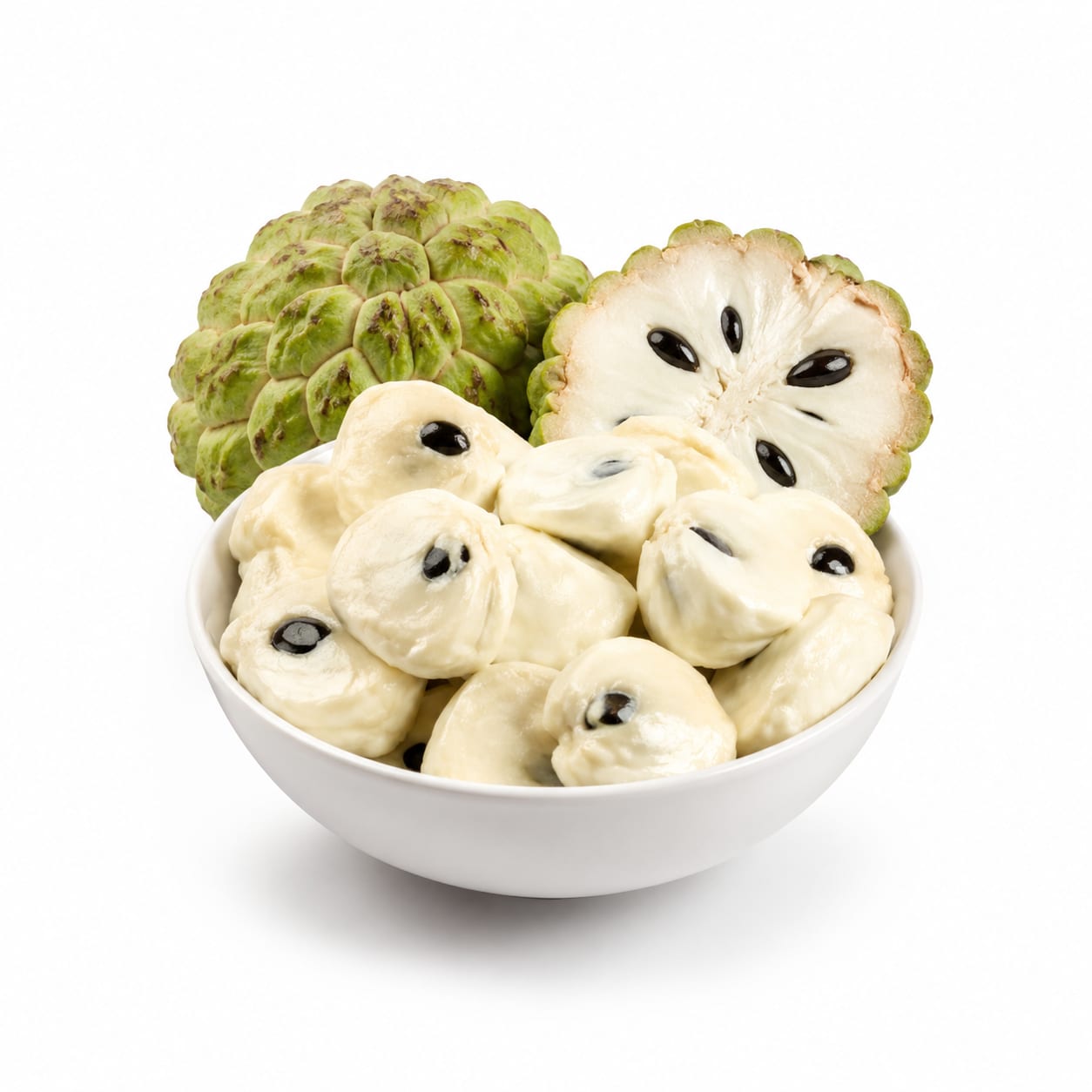
Custard Apple
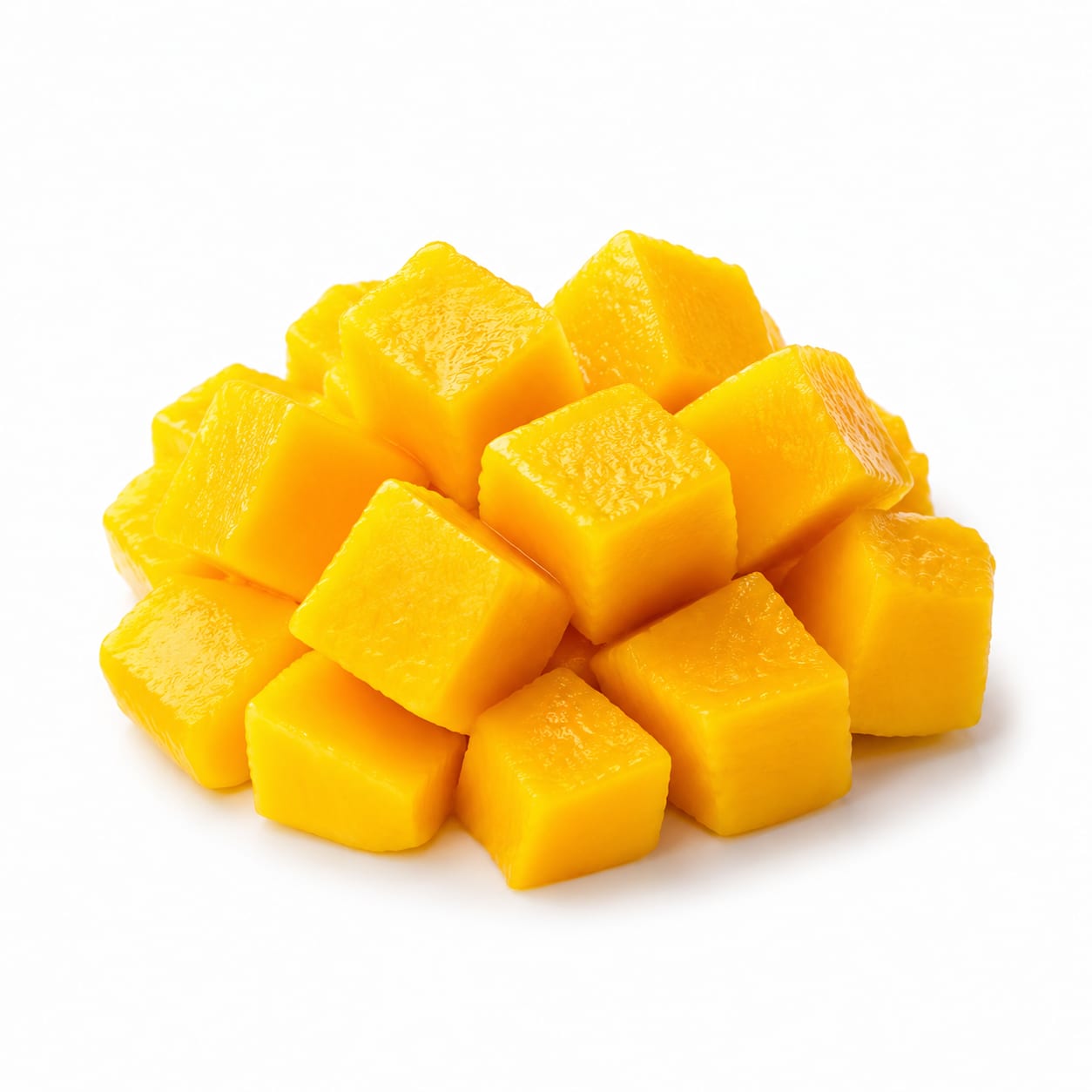
Mango
Mango wins for most people thanks to lower calories, vastly more vitamin A and C, wider availability, and fewer safety concerns. Custard Apple is a richer, creamier treat with B6 and potassium edges, but its calorie density and annonacin risk make it better as an occasional indulgence.
Mango scores higher due to superior vitamin density, lower calorie load, better availability, and fewer safety concerns. Custard Apple remains nutritionally valuable but is penalized for higher sugar per calorie, limited availability, and annonacin risk with frequent consumption.
Custard Apple delivers a creamier, more filling bite with B6 and potassium, but costs you more calories and carries a neurotoxin concern with frequent heavy consumption. Mango gives you brighter nutrition per calorie and safer daily eating.
At a glance
Executive summary
Overall
Mango
Healthier
Mango
More practical
Mango
Daily use
Mango
Key comparison lenses
sugar load and diabetes risk
Both are high-sugar tropical fruits, making blood sugar impact the top concern for most users
calorie density for weight management
Custard Apple is significantly more calorie-dense, which matters for anyone watching intake
vitamin profile comparison
Mango dominates vitamin A and C, while Custard Apple offers B6 and potassium advantages
safety and toxicity concerns
Custard Apple contains annonacin, a neurotoxin linked to atypical Parkinsonism with high consumption
everyday practicality and availability
Mango is globally available year-round; Custard Apple is seasonal and fragile
Best choice for
Custard Apple
- People wanting calorie-dense fruit for weight gain or recovery
- Those seeking B6-rich foods for mood and nerve support
- Anyone craving a creamy, dessert-like fruit experience
- Potassium-boosting without supplements
Mango
- People managing blood sugar or watching calories
- Anyone wanting immune and skin support from vitamin A and C
- Daily fruit eaters who want safe, consistent nutrition
- Families needing widely available, kid-friendly fruit
Least suitable for
Custard Apple
- People with blood sugar concerns or diabetes
- Anyone strictly managing calorie intake
- Those who eat large quantities of fruit daily due to annonacin exposure
- People outside tropical regions where it is hard to find fresh
Mango
- People with mango allergy or urushiol sensitivity
- Those who dislike messy, juicy fruits
- Anyone needing calorie-dense fruit for weight gain
Deep comparison
Dimension by dimension
Each lens scores both foods and breaks down who each option suits.
- Dimension 1 · Priority 92Mango
sugar_and_blood sugar_impact
Custard Apple · 38Mango · 52Both are sugary tropical fruits, but Custard Apple packs more sugar into fewer grams of food, making it the tougher choice for blood sugar stability.
Tradeoff
Custard Apple's creaminess comes with a denser sugar hit per serving. Mango spreads its sugar across more water weight, giving a slightly gentler glycemic experience.
Why it matters
If you are prediabetic, insulin resistant, or tracking glycemic load, neither is ideal in large amounts, but Mango is the safer bet.
Real-world impact
A large Custard Apple can spike blood sugar faster than expected for its size, while a mango portion feels lighter and more manageable after eating.
Custard Apple
- Active individuals who burn through sugar quickly
- Underweight people needing calorie-dense fruit
Better for
- Sedentary people with blood sugar concerns
- Those who tend to overeat sweet fruit
Worse for
Mango
- Diabetics choosing between tropical fruits
- Anyone monitoring glycemic load
Better for
- People who assume all fruit is equally safe for diabetes
- Anyone eating multiple mangoes in one sitting
Worse for
- Dimension 2 · Priority 88Mango
calorie_density_and_weight_management
Custard Apple · 35Mango · 68Custard Apple delivers roughly 50% more calories per 100g than Mango, making it the riskier choice for weight management.
Tradeoff
Custard Apple fills you up faster due to creaminess, but Mango lets you eat more volume for fewer calories.
Why it matters
For anyone tracking portions or trying to lose weight, calorie density is the silent driver of overconsumption.
Real-world impact
You can enjoy a generous mango bowl for under 100 calories. A similar-sized Custard Apple portion easily doubles that.
Custard Apple
- Athletes in calorie surplus phases
- Older adults struggling to eat enough
Better for
- Emotional eaters drawn to creamy textures
- Anyone who eats fruit mindlessly while watching TV
Worse for
Mango
- Anyone cutting calories without cutting joy
- People who like large fruit portions
Better for
- People who need calorie-dense snacks for hiking or endurance
Worse for
- Dimension 3 · Priority 80Mango
vitamin_and_mineral_density
Custard Apple · 55Mango · 82Mango dominates in vitamin A and C. Custard Apple counters with more vitamin B6 and potassium, but the overall nutrient breadth favors Mango.
Tradeoff
Mango is better for immunity, skin, and eyes. Custard Apple is better for nerve function and electrolyte balance.
Why it matters
If you eat fruit primarily for micronutrients, Mango gives you more per calorie spent.
Real-world impact
A single mango covers most of your daily vitamin C and a big chunk of vitamin A. Custard Apple helps more with B6 needs but covers less ground overall.
Custard Apple
- People low in B6 or potassium
- Those who already get plenty of vitamin A and C elsewhere
Better for
- Those relying on fruit as their primary vitamin C source
Worse for
Mango
- Anyone wanting broad-spectrum vitamin coverage from fruit
- People focused on skin health and immune support
Better for
- People with kidney issues who must limit potassium
Worse for
- Dimension 4 · Priority 78Mango
safety_and_toxicity
Custard Apple · 42Mango · 75Custard Apple contains annonacin, a neurotoxin linked to atypical Parkinsonism in populations with high consumption. Mango's main risk is skin contact dermatitis from urushiol.
Tradeoff
Custard Apple's safety concern is internal and cumulative. Mango's is external and easily avoided by not touching the skin.
Why it matters
Occasional Custard Apple consumption is safe for most adults, but regular heavy consumption raises legitimate neurological concerns.
Real-world impact
Eating Custard Apple a few times during season is fine. Eating it daily for months is not advisable. Mango can be eaten daily without cumulative toxicity risk.
Custard Apple
- Occasional seasonal enjoyment in moderate portions
Better for
- Anyone already at risk for Parkinson's or neurodegeneration
- People who eat large quantities of one food regularly
Worse for
Mango
- Daily fruit consumption without safety worries
- Long-term dietary staples
Better for
- People with mango skin allergy or latex-fruit syndrome
Worse for
- Dimension 5 · Priority 72Custard Apple
satiety_and_eating_experience
Custard Apple · 78Mango · 58Custard Apple's creamy, custard-like flesh is more filling per bite. Mango is juicier and lighter, which can feel less satisfying if you are hungry.
Tradeoff
Custard Apple satisfies hunger faster but at a calorie cost. Mango is refreshing but may leave you reaching for more food sooner.
Why it matters
If you use fruit as a standalone snack to bridge meals, satiety matters more than you think.
Real-world impact
Half a Custard Apple can feel like a mini-meal. A whole mango feels more like a refreshing break.
Custard Apple
- Replacing dessert with something naturally creamy
- Using fruit as a between-meal hunger bridge
Better for
- People who find rich textures trigger overeating
Worse for
Mango
- Hot weather hydration through food
- Light snacking without feeling heavy
Better for
- Very hungry people expecting fruit alone to hold them over
Worse for
- Dimension 6 · Priority 75Mango
availability_and_convenience
Custard Apple · 30Mango · 85Mango is available globally year-round in various forms. Custard Apple is seasonal, fragile, and hard to find outside tropical regions.
Tradeoff
Mango is always an option. Custard Apple is a special-occasion find that requires effort and timing.
Why it matters
The best fruit for daily health is the one you can actually buy and eat consistently.
Real-world impact
You can grab a mango at nearly any grocery store any week of the year. Custard Apple requires specialty shops, farmers markets, or tropical travel.
Custard Apple
- People living in or visiting tropical regions where it grows locally
Better for
- Meal planners who need consistent ingredient availability
Worse for
Mango
- Anyone shopping at regular grocery stores
- People who want reliable fruit access year-round
Better for
- People in regions where imported mangoes are expensive or poor quality
Worse for
Timeline
Health impact over time
Short-term
Hours to days
Custard Apple
- Quick energy from dense natural sugars
- High satiety from creamy texture slows overeating during the meal itself
- Potassium boost may help with muscle cramps or post-exercise recovery
Mango
- Hydrating and refreshing due to high water content
- Vitamin C surge supports immediate immune function
- Digestive enzymes like amylase can ease bloating after heavy meals
Long-term
Months to years
Custard Apple
- Regular high consumption may increase annonacin exposure, linked to neurodegenerative risk
- B6 intake supports long-term nerve health and mood regulation
- Calorie density can contribute to gradual weight gain if portions are not managed
Mango
- Consistent vitamin A intake supports eye health and reduces infection risk over time
- High antioxidant load from carotenoids may lower chronic inflammation
- Daily consumption is safe and beneficial with no cumulative toxicity concerns
Risk profile
Safety & processing
Both fruits are eaten whole and raw in their natural state. Neither typically involves additives when purchased fresh. The main concern is pesticide residue on conventionally grown mangoes, which can be mitigated by peeling or choosing organic.
Custard Apple
Annonacin neurotoxin exposure
mediumFound primarily in seeds and skin but present in small amounts in flesh. Linked to atypical Parkinsonism in Guadeloupe populations with high daily consumption. Occasional eating is safe; daily heavy consumption is not recommended.
Seed toxicity
highSeeds are toxic and should never be eaten. They contain concentrated annonacin and can cause severe gastrointestinal distress and neurological symptoms.
Rapid spoilage
mediumCustard Apple bruises and ferments quickly once ripe, increasing risk of consuming partially spoiled fruit if not eaten within 1-2 days of ripening.
Mango
Urushiol contact dermatitis from skin
mediumMango skin contains urushiol, the same compound as poison ivy. Sensitive individuals can get rashes from handling or eating near the skin. Peeling before eating eliminates this risk.
Pesticide residue on conventionally grown fruit
lowMangoes are not typically in the high-pesticide category, but residues can concentrate near the skin. Peeling significantly reduces exposure.
Latex-fruit syndrome cross-reactivity
lowPeople with latex allergies may react to mango proteins. Symptoms range from mouth itching to anaphylaxis in rare cases.
Who wins for whom
Audience fit
Same foods, different winners depending on your goal.
children
MangoMango is widely available, easy to portion, and has no cumulative toxicity concerns. Custard Apple requires careful seed removal and moderation due to annonacin.
daily consumption
MangoMango can be eaten daily without cumulative risk. Custard Apple should be enjoyed seasonally and moderately due to annonacin exposure with frequent intake.
diabetes
MangoNeither is ideal, but Mango's lower sugar density and higher water content make portion control and glycemic management easier.
elderly
MangoMango's softer nutrition profile and safety record suit older adults better. Custard Apple's neurotoxin concern is especially relevant for elderly populations more vulnerable to neurodegeneration.
muscle gain
Custard AppleCustard Apple's higher calorie density and potassium content support calorie surplus needs and post-workout electrolyte recovery.
weight loss
MangoMango provides more volume and nutrition per calorie, making it easier to enjoy fruit while staying in a deficit.
Your move
Decision guide
Choose Custard Apple
- You are underweight or recovering from illness and need calorie-dense fruit
- You want a creamy, dessert-like experience without added sugar
- You have access to fresh seasonal Custard Apple and plan to eat it occasionally
- You are specifically boosting B6 or potassium intake
Choose Mango
- You want a daily fruit staple with strong vitamin coverage
- You are watching calories, blood sugar, or both
- You need something widely available and easy to find year-round
- You want immune and skin benefits from vitamin A and C
Either works if
- You are healthy, active, and eating a varied diet with room for both
- You enjoy tropical fruits and rotate them seasonally
- You are not diabetic, not overweight, and have no latex or mango allergy
Avoid both if
- You are on a strict low-sugar or ketogenic diet
- You have severe blood sugar instability and need low-glycemic fruit options like berries instead
- You have latex-fruit syndrome and react to both
Final recommendation
Make Mango your everyday tropical fruit. Enjoy Custard Apple as a seasonal treat a few times a year when you can find it fresh. This gives you the best of both: Mango's reliable daily nutrition and Custard Apple's unique creamy indulgence without the risk of cumulative annonacin exposure.
Practical
Consumer tips
- 1
Never eat Custard Apple seeds — they are toxic and should be discarded completely
- 2
Peel Mango before eating to avoid urushiol skin reactions and reduce pesticide residue
- 3
Limit Custard Apple to a few servings per week during season rather than daily consumption
- 4
Choose firm but slightly yielding Mangoes for best flavor; avoid rock-hard or mushy ones
- 5
Ripen Custard Apple at room temperature and refrigerate once soft — it spoils within 1-2 days of ripeness
- 6
Freeze Mango chunks for smoothies — it freezes exceptionally well and retains nutrients
- 7
If you have a family history of Parkinson's disease, be especially cautious about frequent Custard Apple consumption