
Nutrition comparison
Cherimoya vs Custard Apple: Nutrition, Safety, and Taste Comparison
Cherimoya and Custard Apple are closely related tropical fruits with important nutritional and safety differences. Learn which is better for your health goals, sugar intake, and daily diet.
Overall winner · Cherimoya
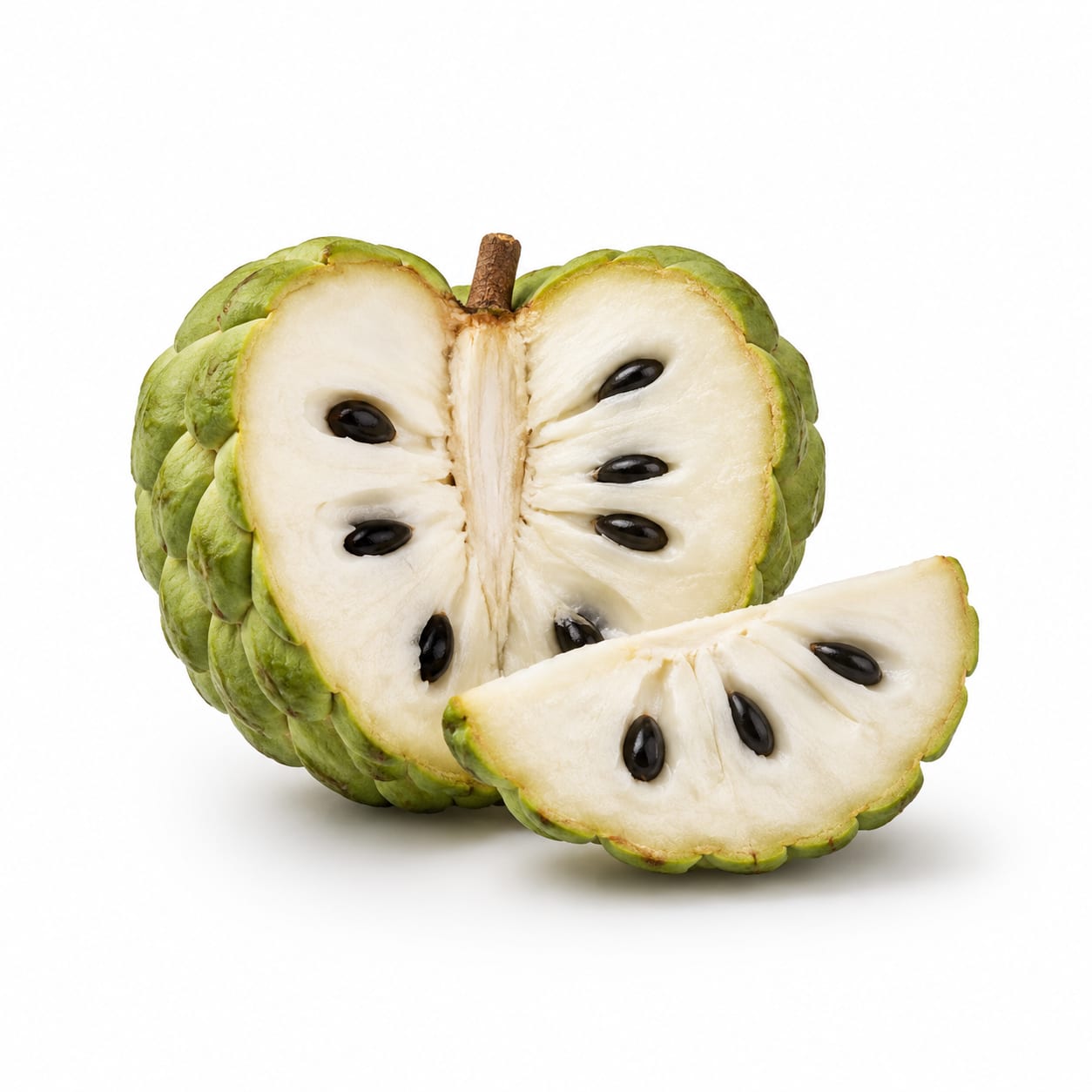
Cherimoya
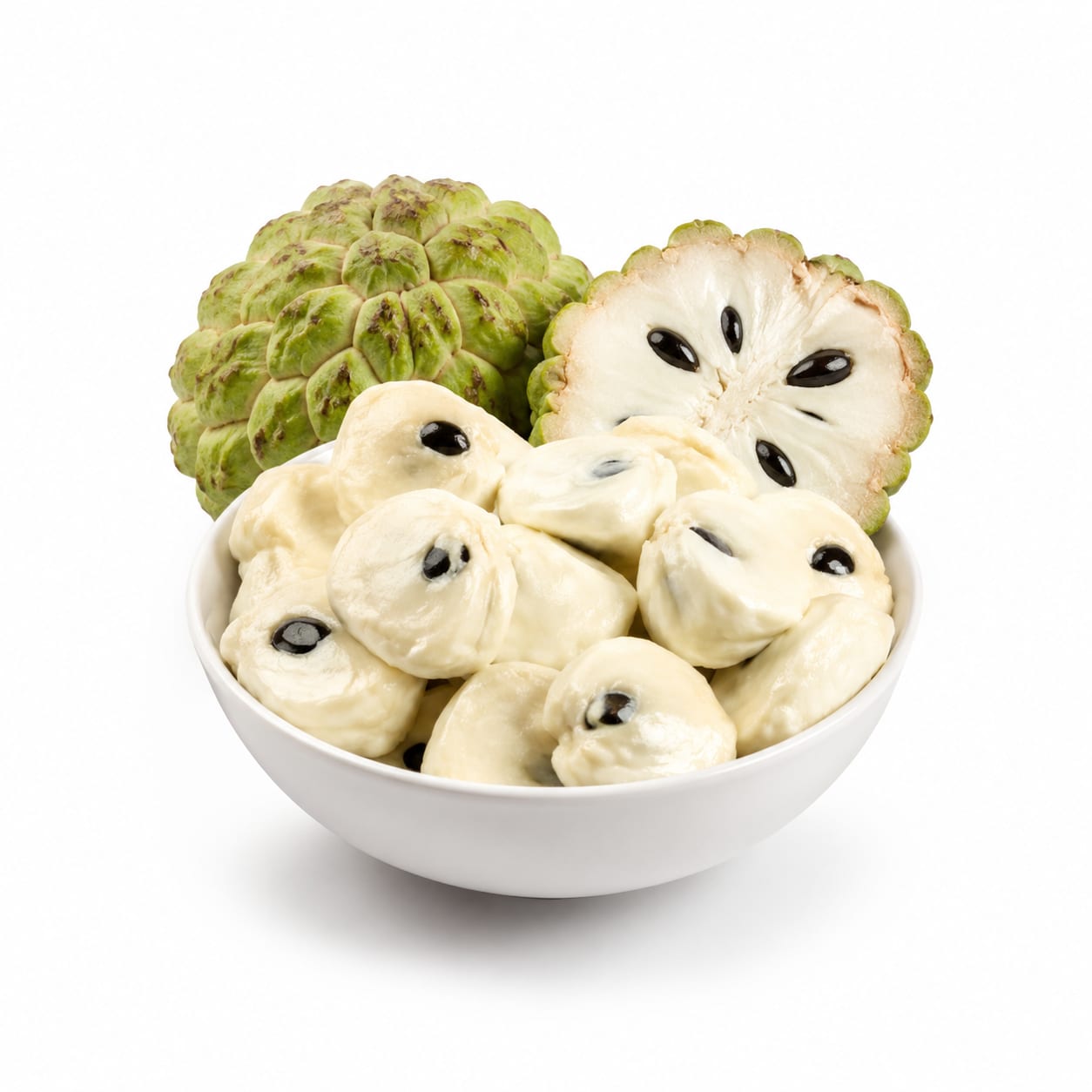
Custard Apple
Cherimoya edges out Custard Apple with slightly better micronutrient density, lower sugar, and a more complex flavor profile, but the two are remarkably similar.
Cherimoya scores slightly higher due to better micronutrient density and lower sugar content, but the margin is narrow because both fruits share the same genus, safety considerations, and similar macronutrient profiles. Custard Apple loses a few points on sugar and vitamin content but remains a solid tropical fruit choice.
Cherimoya offers more vitamin C and B6 with less sugar, while Custard Apple is often easier to find and slightly more affordable in some regions.
At a glance
Executive summary
Overall
Cherimoya
Healthier
Cherimoya
More practical
Custard Apple
Daily use
It depends
Key comparison lenses
neurotoxin safety concerns with Annona fruits
Both fruits contain annonacin in their seeds and skin, a compound linked to neurological concerns with excessive consumption
nutritional superiority between two closely related tropical fruits
Cherimoya and Custard Apple are often confused but have meaningful nutritional differences despite being in the same genus
sugar and calorie awareness for tropical fruit consumption
Both fruits are naturally sweet and calorie-dense compared to other fruits, making portion awareness critical
flavor and culinary experience tradeoffs
These fruits are primarily enjoyed for their unique creamy texture and tropical flavor, so taste experience matters
digestive tolerance and fiber benefits
Both fruits offer notable fiber but their creamy richness can affect digestion differently depending on the person
Best choice for
Cherimoya
- Maximizing vitamin C and B6 intake from whole fruit
- Those wanting lower sugar content in a tropical fruit
- Flavor enthusiasts seeking a more complex taste experience
- People who enjoy creamy textures with balanced sweetness
Custard Apple
- Budget-conscious shoppers in regions where it is more available
- Those who prefer a simpler, straightforward sweet flavor
- People who want easier-to-find tropical fruit options
- Smoothie makers who want a naturally sweet, creamy base
Least suitable for
Cherimoya
- People strictly limiting sugar intake, as it still packs significant natural sugars
- Those in regions where Cherimoya is rare or expensive
- Anyone avoiding Annona fruits due to neurological concerns
Custard Apple
- People watching calorie intake closely, as it tends to be slightly more calorie-dense
- Those seeking peak micronutrient density from their fruit choices
- Anyone avoiding Annona fruits due to neurological concerns
Deep comparison
Dimension by dimension
Each lens scores both foods and breaks down who each option suits.
- Dimension 1 · Priority 88Cherimoya
Micronutrient Density
Cherimoya · 78Custard Apple · 65Cherimoya delivers notably more vitamin C and vitamin B6 per serving, making it the stronger choice for immune support and energy metabolism.
Tradeoff
Custard Apple still provides decent potassium and some vitamin C, but you get less nutritional bang per bite compared to Cherimoya.
Why it matters
Vitamin B6 supports mood regulation and brain health, while vitamin C boosts immunity and collagen production. Getting more from a naturally delicious source is a meaningful win.
Real-world impact
Eating Cherimoya regularly could help you hit your B6 and C targets more easily, especially if you do not supplement or eat many other B6-rich foods.
Cherimoya
- Immune system support through higher vitamin C
- Energy and mood support through higher B6
- Getting more micronutrients per calorie consumed
Better for
- Not a significant source of fat-soluble vitamins
Worse for
Custard Apple
- Potassium intake remains solid
- Still a meaningful source of dietary vitamin C
Better for
- Lower overall vitamin density means you need to eat more or supplement elsewhere
Worse for
- Dimension 2 · Priority 85Cherimoya
Sugar and Calorie Load
Cherimoya · 70Custard Apple · 62Cherimoya contains slightly less sugar and fewer calories per 100g, making it the marginally better option for those monitoring intake.
Tradeoff
Both fruits are naturally high in sugar compared to berries or citrus, so neither is ideal for strict low-carb or low-sugar diets.
Why it matters
Even natural sugars add up. If you are watching blood sugar or calorie intake, the difference between 12g and 18g of sugar per serving is not trivial.
Real-world impact
A full Cherimoya might deliver 15-20g of sugar, while a similar portion of Custard Apple could push 25g. That matters if you are eating fruit multiple times daily.
Cherimoya
- Lower sugar per serving helps with blood sugar management
- Slightly fewer calories support weight maintenance efforts
- Better fit for moderate-carb eating approaches
Better for
- Still too sugary for strict keto or very low-carb diets
Worse for
Custard Apple
- Higher natural sweetness may satisfy sweet cravings with smaller portions
Better for
- Higher sugar load makes portion control more important
- Less suitable for people with insulin resistance or prediabetes
Worse for
- Dimension 3 · Priority 75It depends
Fiber and Digestive Health
Cherimoya · 72Custard Apple · 72Both fruits offer comparable fiber content around 2-4g per 100g, contributing to digestive regularity and satiety.
Tradeoff
Neither fruit is a fiber powerhouse. You will still need other high-fiber foods throughout the day to meet targets.
Why it matters
Fiber slows sugar absorption and keeps you full longer. With sweet fruits like these, fiber is what prevents a rapid blood sugar spike.
Real-world impact
Eating either fruit with a protein or fat source will feel more satisfying and steady than eating it alone on an empty stomach.
Cherimoya
- Good fiber-to-sugar ratio helps moderate glycemic response
Better for
- Not enough fiber to rely on as a primary source
Worse for
Custard Apple
- Comparable fiber content with slightly creamier texture may feel more soothing for some digestive systems
Better for
- Not enough fiber to rely on as a primary source
Worse for
- Dimension 4 · Priority 95It depends
Safety and Neurotoxin Risk
Cherimoya · 60Custard Apple · 60Both fruits contain annonacin in their seeds and skin, a compound associated with neurological risks when consumed in excess over time.
Tradeoff
The flesh of both fruits is generally considered safe in moderation, but habitual consumption of large quantities or accidental seed ingestion raises concerns.
Why it matters
Studies in the Caribbean linked high Annona fruit consumption to atypical Parkinsonism. The risk is dose-dependent and primarily associated with seeds and skin, not the flesh.
Real-world impact
Enjoy either fruit occasionally and you are very unlikely to have issues. Avoid chewing or blending the seeds, and do not eat either fruit daily in large amounts.
Cherimoya
- No meaningful safety advantage over Custard Apple
Better for
- Contains annonacin like all Annona fruits
- Seeds must be carefully removed and never consumed
Worse for
Custard Apple
- No meaningful safety advantage over Cherimoya
Better for
- Contains annonacin like all Annona fruits
- Seeds must be carefully removed and never consumed
Worse for
- Dimension 5 · Priority 70Cherimoya
Flavor and Eating Experience
Cherimoya · 85Custard Apple · 72Cherimoya is widely regarded as the superior tasting fruit, with a complex blend of banana, pineapple, and strawberry notes. Custard Apple is sweeter but simpler.
Tradeoff
Custard Apple's straightforward sweetness may appeal more to those who find Cherimoya's flavor too unusual or complex.
Why it matters
Enjoyment drives consistency. If you genuinely love the taste, you are more likely to eat it as a whole-food snack instead of reaching for processed sweets.
Real-world impact
Cherimoya is often called the 'ice cream fruit' for good reason. Its flavor complexity makes it feel like a dessert experience without added sugar.
Cherimoya
- More complex and interesting flavor profile
- Often described as a gourmet fruit experience
- Natural dessert-like quality reduces cravings for processed sweets
Better for
- Flavor can be polarizing for those who prefer straightforward sweetness
Worse for
Custard Apple
- Simpler sweetness may be more approachable for children
- Easier to use as a neutral creamy base in smoothies
Better for
- Less exciting eating experience for adventurous palates
Worse for
- Dimension 6 · Priority 65Custard Apple
Availability and Practicality
Cherimoya · 55Custard Apple · 68Custard Apple is generally more available and affordable in tropical and subtropical markets, while Cherimoya can be harder to find and pricier.
Tradeoff
Better availability means you are more likely to actually eat Custard Apple regularly, even if Cherimoya is technically the superior nutritional choice.
Why it matters
The healthiest fruit only works if you can actually buy it. Consistency with a good option beats rare access to a slightly better one.
Real-world impact
If you live in South or Southeast Asia, Custard Apple is likely in every market. Cherimoya may require specialty stores or online ordering depending on your location.
Cherimoya
- Worth seeking out for its nutritional and flavor advantages when available
Better for
- Limited availability outside specialty markets
- Higher price point in most regions
- Shorter peak season in many areas
Worse for
Custard Apple
- Easier to find in many tropical regions
- Often more affordable per pound
- More consistent supply throughout the year in some areas
Better for
- May not be available at all in temperate climates either
Worse for
Timeline
Health impact over time
Short-term
Hours to days
Cherimoya
- Quick natural energy from easily digestible carbohydrates
- Satisfying creamy texture can curb sweet cravings without processed sugar
- Vitamin C provides an immediate immune-support boost
Custard Apple
- Rapid energy from higher natural sugar content
- Very filling due to creamy density, which may reduce overall snacking
- Potassium supports hydration and muscle function after physical activity
Long-term
Months to years
Cherimoya
- Regular B6 intake supports brain health and mood stability over time
- Consistent vitamin C consumption aids collagen production and skin health
- Excessive long-term consumption raises theoretical annonacin exposure concerns
Custard Apple
- Good potassium intake supports cardiovascular health when consumed regularly
- Higher sugar load could contribute to elevated triglycerides if overconsumed
- Same annonacin concerns apply with habitual large-quantity consumption
Risk profile
Safety & processing
Both Cherimoya and Custard Apple are whole, unprocessed fruits eaten in their natural state. There are no additives, preservatives, or artificial ingredients to worry about with either choice. The only processing concern would be if you encounter them in frozen pulp form, which may contain added sugars.
Cherimoya
Annonacin neurotoxin exposure
mediumSeeds and skin contain annonacin, linked to atypical Parkinsonism in populations consuming large amounts of Annona fruits. The flesh is considered safe in moderation, but never chew or blend seeds.
Rapid spoilage
lowCherimoya bruises easily and spoils quickly once ripe. Consume within 1-2 days of ripening for best quality and safety.
Pesticide residue on skin
lowAs with any fruit, wash thoroughly before cutting. You discard the skin anyway, which reduces exposure significantly.
Custard Apple
Annonacin neurotoxin exposure
mediumSame concern as Cherimoya. Seeds and skin contain annonacin. The flesh is safe in moderation, but avoid seed consumption entirely.
Rapid spoilage
lowCustard Apple also spoils quickly when ripe. Handle gently and refrigerate briefly once ripe if not eating immediately.
Pesticide residue on skin
lowSkin is removed before eating, which limits exposure. Washing before cutting is still recommended.
Who wins for whom
Audience fit
Same foods, different winners depending on your goal.
children
Custard AppleCustard Apple's simpler, sweeter flavor is usually more appealing to kids, and its wider availability makes it a more practical occasional treat for families.
daily consumption
It dependsNeither fruit should be consumed daily in large amounts due to annonacin concerns. Occasional enjoyment of either is fine, but rotate with other fruits for long-term safety.
diabetes
CherimoyaCherimoya's lower sugar content and slightly better fiber-to-sugar ratio makes it the marginally safer choice, but both require careful portion control for anyone managing blood sugar.
elderly
CherimoyaCherimoya's higher B6 content supports cognitive health and mood regulation, which are particularly relevant for older adults. The creamy texture is also easy to eat for those with dental concerns.
muscle gain
It dependsNeither fruit is particularly useful for muscle gain due to low protein content. Both provide post-workout carbs for glycogen replenishment, but you would need a protein source alongside either one.
weight loss
CherimoyaCherimoya has slightly fewer calories and less sugar per serving, making it easier to fit into a calorie-controlled eating plan while still feeling like a treat.
Your move
Decision guide
Choose Cherimoya
- You want the most micronutrient-dense option between the two
- Lower sugar intake matters for your health goals
- You can find Cherimoya at a reasonable price in your area
- You appreciate complex, layered fruit flavors
Choose Custard Apple
- Cherimoya is unavailable or too expensive where you live
- You prefer straightforward sweetness over complex flavor
- You want a more affordable tropical fruit treat
- You are making smoothies and want a sweet, creamy base
Either works if
- You are simply craving a creamy tropical fruit and both are available
- You want a whole-food dessert alternative to processed sweets
- You are eating fruit in moderation as part of a varied diet
Avoid both if
- You have concerns about annonacin exposure due to existing neurological conditions
- You are on a strict very-low-carb or ketogenic diet
- You cannot reliably remove all seeds before eating
- You have a known allergy to Annona fruits
Final recommendation
Choose Cherimoya when available for its nutritional edge and superior flavor complexity, but do not stress about the difference. Custard Apple is a perfectly good alternative that is often more practical. With both fruits, the real priorities are removing seeds completely, eating in moderation rather than daily, and enjoying them as occasional treats within a diverse fruit rotation.
Practical
Consumer tips
- 1
Always remove and discard every seed before eating either fruit. Never blend or chew seeds, as they contain annonacin.
- 2
Wait until the fruit yields slightly to pressure before eating. Both fruits ripen quickly and are best consumed within a day or two of peak softness.
- 3
Refrigerate once ripe if you cannot eat immediately, but only for a day or two. Quality declines fast after that.
- 4
Pair either fruit with a handful of nuts or a scoop of Greek yogurt to slow sugar absorption and make the snack more satisfying.
- 5
If buying frozen pulp, check the ingredient list for added sugars. Pure pulp should contain only the fruit itself.
- 6
Rotate these fruits with lower-sugar options like berries, kiwi, or citrus to keep your overall sugar intake balanced.
- 7
Both fruits make excellent toppings for oatmeal or chia pudding, turning a plain breakfast into something special without refined sugar.