
Nutrition comparison
Custard Apple vs Banana: Nutrition, Sugar, and Which is Better
Compare Custard Apple and Banana to see which fruit wins for vitamins, sugar impact, and daily snacking. Find out the real nutritional tradeoffs.
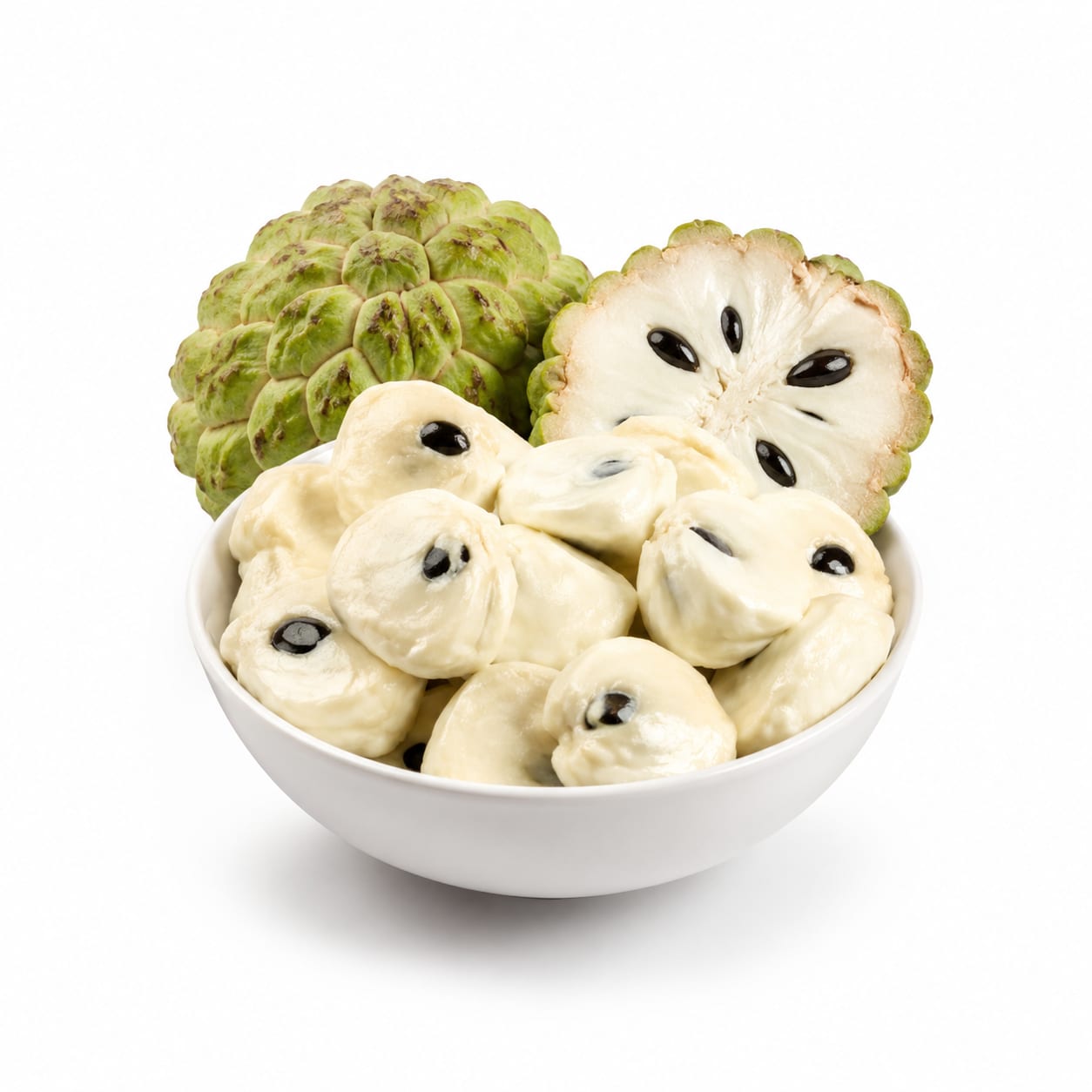
Custard Apple
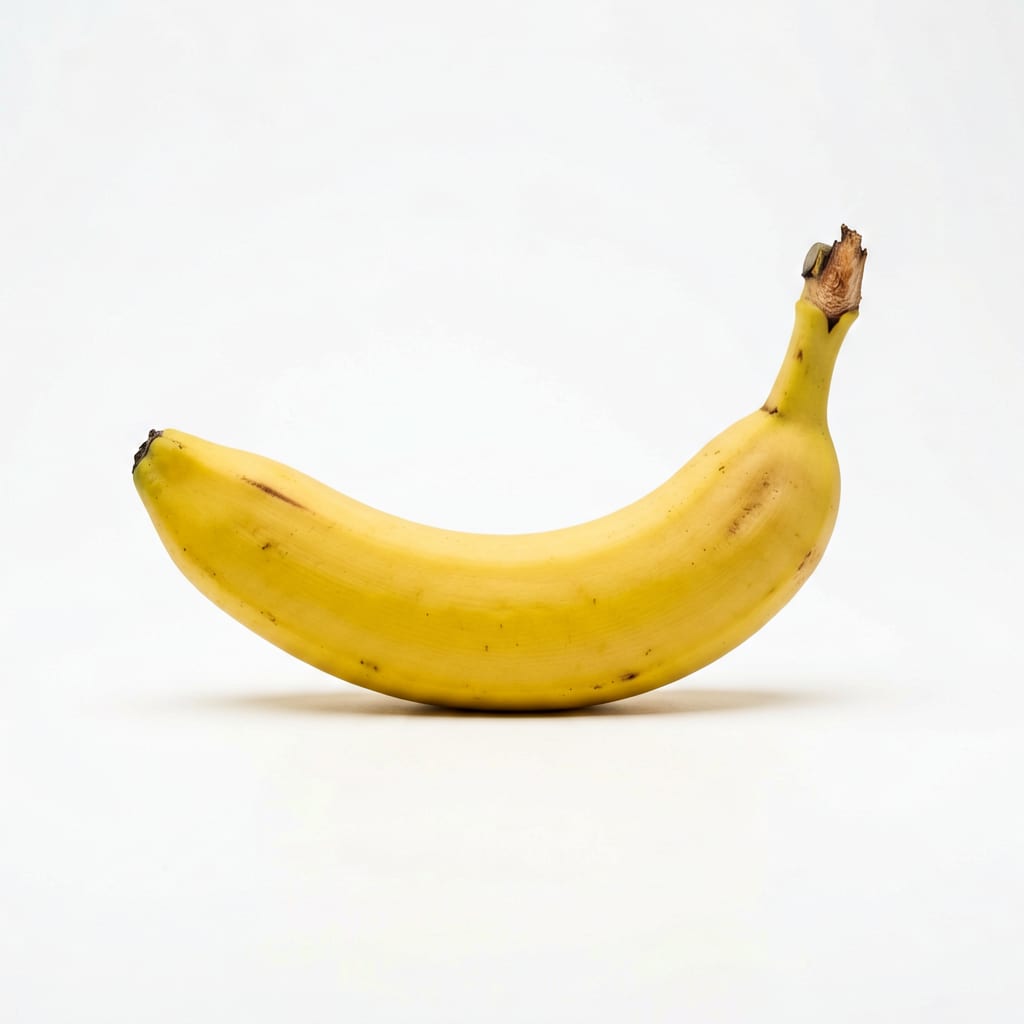
Banana
Custard Apple delivers a richer burst of micronutrients and antioxidants, while Banana wins on everyday convenience, portability, and steady energy.
Banana scores slightly higher due to unmatched convenience, year-round availability, and gut-friendly resistant starch. Custard Apple wins on raw micronutrient density but loses points for impracticality and safety concerns with its seeds.
Superior vitamin C and creamy dessert-like nutrition versus grab-and-go reliability and gut-friendly starches.
At a glance
Executive summary
Overall
It depends
Healthier
Custard Apple
More practical
Banana
Daily use
Banana
Key comparison lenses
sugar and energy management
Both fruits are known for their sweet, energy-dense profiles, making sugar impact a primary concern.
convenience and everyday practicality
Banana is a global grab-and-go staple, while Custard Apple is seasonal, messy, and requires prep.
micronutrient priorities
Custard Apple offers a surprising vitamin C punch, whereas Banana is famous for potassium and B6.
digestive tolerance
Differences in fiber type and prebiotic content affect how each fruit sits in the stomach.
Best choice for
Custard Apple
- Getting a vitamin C boost
- Enjoying a nutrient-dense natural dessert at home
- Adding antioxidant variety to your diet
Banana
- Quick pre-workout fuel
- On-the-go snacking
- Preventing muscle cramps
Least suitable for
Custard Apple
- Eating on the commute
- Strict low-carb diets
- Households with unsupervised small children
Banana
- Needing a vitamin C source
- Managing late-stage diabetes without portion control
Deep comparison
Dimension by dimension
Each lens scores both foods and breaks down who each option suits.
- Dimension 1 · Priority 85Custard Apple
Micronutrient Power
Custard Apple · 88Banana · 75Custard Apple packs significantly more vitamin C and a broader profile of antioxidants compared to Banana.
Tradeoff
You get stronger immune support and skin health benefits, but sacrifice the high potassium and B6 that Banana provides.
Why it matters
Vitamin C is hard to find in sweet fruits at this level, making Custard Apple a rare treat that actually boosts your immune system.
Real-world impact
Eating Custard Apple can help you hit your daily vitamin C needs without taking a supplement, while Banana is better for recovering from a sweaty workout.
Custard Apple
- Immune system support
- Collagen production for skin
- Antioxidant defense against cellular stress
Better for
- Potassium content is lower
- Not a significant source of B6
Worse for
Banana
- Heart rhythm regulation
- Muscle function and cramp prevention
- Energy metabolism via B6
Better for
- Almost completely lacking in vitamin C
- Lower overall antioxidant diversity
Worse for
- Dimension 2 · Priority 90Banana
Blood Sugar & Energy
Custard Apple · 65Banana · 72Both are sweet, carb-heavy fruits, but Banana offers more predictable energy, especially when consumed at optimal ripeness.
Tradeoff
Custard Apple has slightly more fiber to slow digestion, but its intense sweetness can trigger cravings. Banana provides faster, cleaner energy.
Why it matters
How a fruit affects your blood sugar dictates whether you feel steady and focused or jittery and crashing an hour later.
Real-world impact
A banana makes a reliable pre-workout snack that digests quickly. Custard Apple is better enjoyed after a meal to avoid a rapid sugar spike.
Custard Apple
- Slightly more fiber to buffer sugar absorption
Better for
- Very high sugar content can spike blood glucose rapidly
- Easy to overeat because of the dessert-like taste
Worse for
Banana
- Quick digesting fuel for workouts
- Resistant starch in greener bananas steadies blood sugar
Better for
- Ripe bananas digest too fast for steady energy on their own
Worse for
- Dimension 3 · Priority 80Banana
Convenience & Practicality
Custard Apple · 35Banana · 98Banana is the ultimate grab-and-go food. Custard Apple requires careful handling, a spoon, and seed avoidance.
Tradeoff
You trade the luxurious, creamy eating experience of Custard Apple for the zero-prep, portable reliability of Banana.
Why it matters
If a healthy food is hard to prep or messy to eat, you are less likely to choose it when busy or away from home.
Real-world impact
You can throw a banana in your gym bag at 6 AM. Custard Apple requires sitting down, cutting open, and carefully navigating toxic seeds.
Custard Apple
- Eating as a sit-down dessert replacement
Better for
- Requires a spoon and careful prep
- Highly perishable and bruises easily
- Toxic seeds require careful avoidance
Worse for
Banana
- Grab-and-go breakfasts
- Travel snacks
- Gym bags and commuting
Better for
- Bruises easily in packed bags
- Attracts fruit flies quickly when ripe
Worse for
- Dimension 4 · Priority 75It depends
Digestive Health
Custard Apple · 78Banana · 82Banana offers unique prebiotic benefits for gut bacteria, while Custard Apple provides bulkier fiber for regularity.
Tradeoff
Feeding your good gut bacteria with Banana versus getting more mechanical bulk to move things along with Custard Apple.
Why it matters
A happy gut means less bloating, better immunity, and smoother digestion without discomfort.
Real-world impact
Slightly green bananas are excellent for feeding gut bacteria and reducing bloating. Custard Apple helps if you are feeling backed up.
Custard Apple
- Bulking stool with insoluble fiber
- Providing regularity for sluggish digestion
Better for
- No significant prebiotic starch
- Can cause stomach upset if seeds are accidentally consumed
Worse for
Banana
- Feeding gut bacteria with resistant starch
- Gentle on sensitive stomachs
- Settling nausea or hunger pangs
Better for
- Less total fiber per serving
- Can constipate if eaten before fully ripe
Worse for
Timeline
Health impact over time
Short-term
Hours to days
Custard Apple
- Satisfies intense sweet cravings naturally
- Provides a refreshing, cooling sensation when chilled
Banana
- Delivers rapid, easily accessible energy
- Settles an empty stomach gently
Long-term
Months to years
Custard Apple
- Supports immune resilience via high vitamin C
- Antioxidant protection against cellular aging
Banana
- Helps maintain healthy blood pressure via potassium
- Promotes a thriving gut microbiome with regular consumption
Risk profile
Safety & processing
Both fruits are whole, unprocessed foods straight from nature. Neither contains artificial additives when eaten fresh.
Custard Apple
Toxic seeds
highCustard Apple seeds contain annonacin, a neurotoxin. They must be carefully discarded and never chewed or swallowed.
Rapid spoilage
mediumFerments quickly at room temperature, leading to food waste or mild stomach upset if eaten overripe.
Banana
Latex-fruit syndrome
mediumPeople with latex allergies may experience itching or swelling when eating bananas due to cross-reactive proteins.
Pesticide residue
lowConventional bananas use agricultural chemicals, though the thick peel protects the edible flesh significantly.
Who wins for whom
Audience fit
Same foods, different winners depending on your goal.
children
BananaBananas are kid-friendly, soft, and seedless. Custard Apple seeds are a choking hazard and toxic.
daily consumption
BananaBananas are available year-round, affordable, and require zero prep, making them a sustainable daily habit.
diabetes
It dependsBoth are high in sugar. Slightly green bananas offer resistant starch, but Custard Apple has more fiber. Both require strict portion control.
elderly
BananaBananas are extremely easy to chew, digest, and provide heart-healthy potassium without any toxic seed risk.
muscle gain
BananaBananas provide fast-digesting carbs and potassium, ideal for post-workout recovery and preventing cramps.
weight loss
BananaBananas are easier to portion control and less calorie-dense per typical serving than a sweet, rich Custard Apple.
Your move
Decision guide
Choose Custard Apple
- You want a nutrient-dense, dessert-like treat at home
- You need a vitamin C boost from a sweet source
- You are sitting down and can carefully avoid the seeds
Choose Banana
- You need quick fuel before or after a workout
- You want an easy, portable snack for busy days
- You need a reliable, affordable daily fruit
Either works if
- You just want a natural sweet snack to curb a craving
- You need carbs to recover from a long day
Avoid both if
- You are on a strict ketogenic or very low-carb diet
- You need to minimize sugar intake for severe blood sugar management
Final recommendation
Keep bananas as your daily driver for convenience and steady energy. Enjoy custard apple as a seasonal, sit-down treat when you want a luxurious dessert that doubles as a vitamin C supplement.
Practical
Consumer tips
- 1
Always cut Custard Apple open and discard every seed before eating the flesh to avoid neurotoxin exposure.
- 2
Choose bananas with a few green tips for a slower sugar release and more gut-friendly resistant starch.
- 3
Freeze overripe bananas for smoothies instead of throwing them away.
- 4
Chill Custard Apple before eating; the cold, creamy texture makes it taste like natural ice cream.