
Nutrition comparison
Custard Apple vs Pineapple: Which Tropical Fruit is Healthier?
Compare custard apple vs pineapple on sugar, digestion, safety, and weight loss. Learn which fruit is better for daily eating and the hidden risks of custard apple.
Overall winner · Pineapple
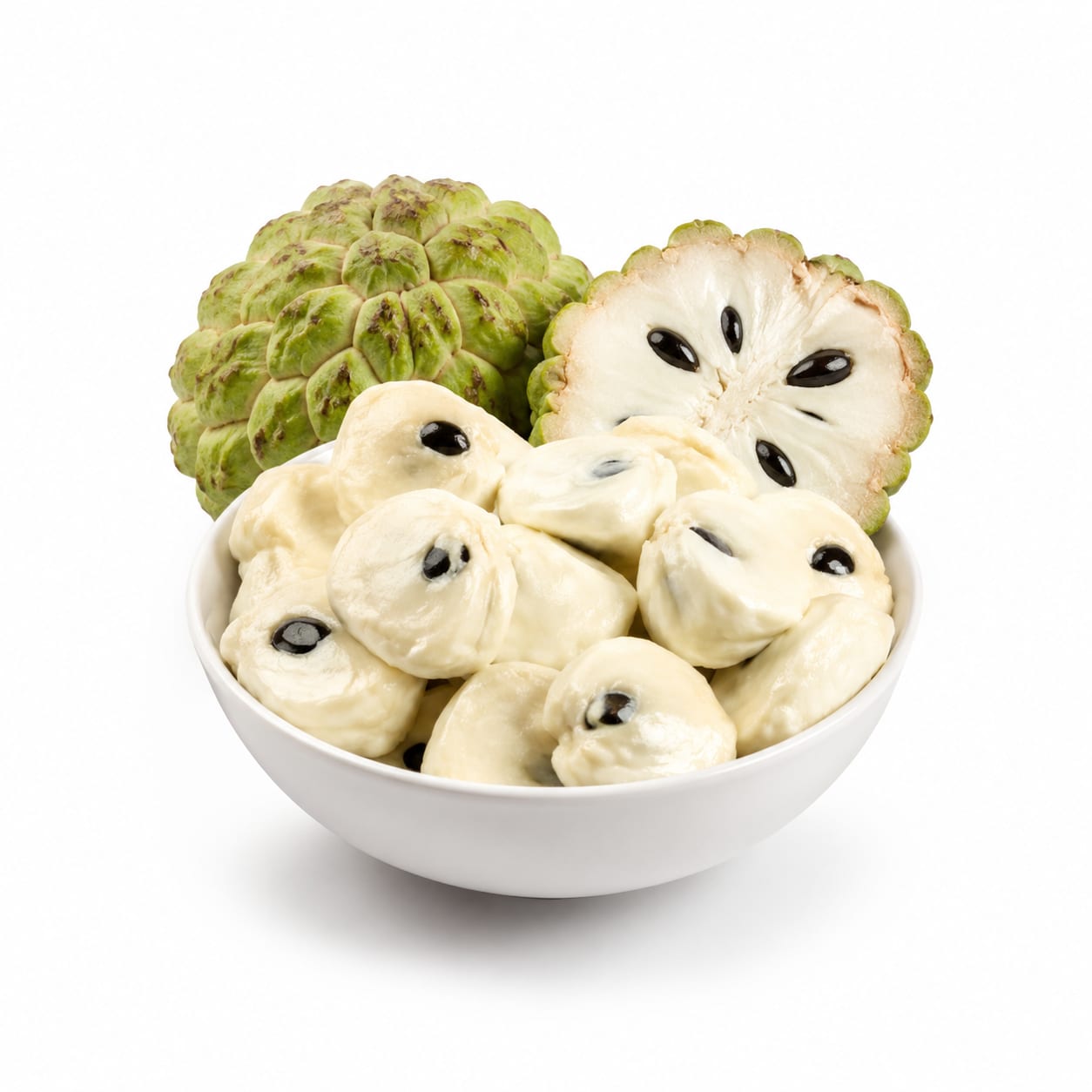
Custard Apple

Pineapple
Pineapple is the safer, lighter choice for daily eating, while custard apple is a richer, occasional indulgence.
Pineapple scores higher due to its lower sugar content, digestive benefits, and lack of toxicity concerns. Custard apple remains a nutritious but heavier, riskier choice for frequent consumption.
Custard apple offers a creamier, more filling bite with B-vitamins, but at the cost of much higher sugar and a minor neurotoxin risk. Pineapple is lower in calories and packed with digestive enzymes.
At a glance
Executive summary
Overall
Pineapple
Healthier
Pineapple
More practical
Pineapple
Daily use
Pineapple
Key comparison lenses
Blood sugar impact and sugar content
Custard apple is significantly higher in sugar and calories, making blood sugar management a primary concern.
Safety and natural toxin exposure
Custard apple contains annonacin, a natural neurotoxin, which raises safety questions not present in pineapple.
Digestive health and enzyme content
Pineapple provides bromelain, a unique digestive enzyme, while custard apple offers soluble fiber.
Weight management and calorie density
Custard apple is calorie-dense and creamy, whereas pineapple is water-rich and lighter per serving.
Best choice for
Custard Apple
- People needing calorie-dense, easy-to-eat energy
- Those looking for a creamy, dessert-like whole food
- Anyone wanting a potassium and B6 boost
Pineapple
- People managing blood sugar or weight
- Those seeking digestive support after meals
- Anyone wanting a low-calorie, hydrating fruit
Least suitable for
Custard Apple
- People with diabetes or insulin resistance
- Those strictly managing calorie intake
- Individuals concerned about neurotoxin exposure
Pineapple
- People with severe acid reflux or mouth sores
- Those on blood-thinning medications due to bromelain
Deep comparison
Dimension by dimension
Each lens scores both foods and breaks down who each option suits.
- Dimension 1 · Priority 90Pineapple
Blood Sugar & Calorie Load
Custard Apple · 40Pineapple · 80Pineapple is much easier on blood sugar and waistline than the dense, sweet custard apple.
Tradeoff
You sacrifice the rich, creamy satisfaction of custard apple, but you avoid the heavy sugar spike.
Why it matters
A cup of custard apple packs nearly double the calories and sugar of pineapple, making it feel more like a dessert than a light snack.
Real-world impact
Eating custard apple as an afternoon snack might leave you sluggish from the sugar crash, while pineapple feels refreshing and light.
Custard Apple
- Athletes needing quick, dense calories post-workout
Better for
- Diabetics needing stable glucose
Worse for
Pineapple
- Office workers wanting an afternoon pick-me-up
- Anyone trying to lose weight
Better for
- Those needing high-calorie intake to maintain weight
Worse for
- Dimension 2 · Priority 85Pineapple
Safety & Toxin Risk
Custard Apple · 55Pineapple · 95Pineapple is widely safe, while custard apple contains small amounts of a natural neurotoxin in its pulp.
Tradeoff
Custard apple offers unique tropical nutrients but carries a slight risk that pineapple completely avoids.
Why it matters
Annonacin, found in custard apple, has been linked to neurological issues in regions where the fruit is heavily consumed. Occasional eating is fine, but daily use is not advised.
Real-world impact
Enjoying custard apple once in a while is perfectly fine, but making it a daily habit could pose long-term risks that pineapple does not have.
Custard Apple
- Children and pregnant women due to higher vulnerability to toxins
Worse for
Pineapple
- Daily fruit eaters
- People with a family history of neurological conditions
Better for
- Dimension 3 · Priority 75Pineapple
Digestive Support
Custard Apple · 65Pineapple · 90Pineapple actively helps digest protein, while custard apple simply provides dietary fiber.
Tradeoff
Custard apple's fiber is great for gut regularity, but pineapple's bromelain actively breaks down food.
Why it matters
Bromelain is a powerful enzyme that reduces bloating and aids protein digestion, making pineapple a functional digestive aid.
Real-world impact
Eating pineapple after a heavy meal helps you feel less stuffed, whereas custard apple is better as a standalone fiber-rich snack.
Custard Apple
- Those needing a filling, constipation-relieving snack
Better for
- Those with sluggish digestion after heavy meals
Worse for
Pineapple
- People who get bloated after high-protein meals
- Anyone seeking anti-inflammatory gut benefits
Better for
- People with active stomach ulcers as acidity can irritate
Worse for
- Dimension 4 · Priority 70It depends
Micronutrient Profile
Custard Apple · 80Pineapple · 80Custard apple excels in potassium and B6, while pineapple dominates in manganese and vitamin C.
Tradeoff
Choosing between them depends on whether you need electrolytes and brain-supporting B-vitamins or bone-supporting manganese and immune vitamin C.
Why it matters
Both offer distinct micronutrient advantages that serve different health goals.
Real-world impact
Custard apple helps with cramps and energy metabolism, while pineapple supports immunity and joint health.
Custard Apple
- Athletes needing potassium for muscle cramps
- People low in B-vitamins
Better for
Pineapple
- Anyone fighting a cold
- Older adults needing manganese for bone density
Better for
Timeline
Health impact over time
Short-term
Hours to days
Custard Apple
- Quick energy boost from high natural sugars
- Very filling and satisfying due to creamy texture and fiber
Pineapple
- Immediate relief from bloating after meals
- Hydrating and refreshing, but less satiating
Long-term
Months to years
Custard Apple
- Potential neurological concerns if consumed excessively due to annonacin
- Risk of weight gain if eaten frequently due to high calorie density
Pineapple
- Improved joint health and reduced inflammation from bromelain
- Better long-term blood sugar management compared to sweeter tropical fruits
Risk profile
Safety & processing
Both are whole, raw fruits with no artificial additives when purchased fresh, making them equally clean choices from a processing standpoint.
Custard Apple
Annonacin neurotoxicity
mediumCustard apple contains annonacin, a natural toxin linked to atypical Parkinsonism. Occasional consumption is safe, but daily high intake is discouraged.
Seed and skin toxicity
highThe seeds and skin are highly toxic and must never be eaten or blended. Only the pulp should be consumed.
Pineapple
Oral allergy or irritation
lowBromelain can cause tingling or soreness in the mouth if large amounts of fresh pineapple are eaten at once.
Bromelain medication interaction
mediumPineapple can amplify the effects of blood thinners and antibiotics due to its enzyme content.
Who wins for whom
Audience fit
Same foods, different winners depending on your goal.
children
PineapplePineapple is safer for kids due to the absence of neurotoxins, though custard apple is fine as an occasional treat if seeds are strictly avoided.
daily consumption
PineapplePineapple is safe and beneficial to eat every day, whereas custard apple should be limited to a few times a week due to toxin accumulation risks.
diabetes
PineapplePineapple has a lower sugar load per serving and a gentler impact on blood glucose compared to the intensely sweet custard apple.
elderly
PineapplePineapple's bromelain supports joint health and digestion, which are common concerns for older adults, without the neurotoxin risk.
muscle gain
Custard AppleCustard apple provides more calories and potassium per serving, which helps meet the higher energy and electrolyte needs of muscle building.
weight loss
PineapplePineapple has significantly fewer calories and a higher water content, making it much easier to fit into a calorie deficit.
Your move
Decision guide
Choose Custard Apple
- You are underweight or actively trying to gain healthy weight
- You want a rich, dessert-like fruit to satisfy sweet cravings nutritiously
- You need a high-potassium post-workout snack
Choose Pineapple
- You want a daily fruit that supports digestion and immunity
- You are watching your blood sugar or waistline
- You experience bloating after meals and need a natural digestive aid
Either works if
- You just want a refreshing tropical fruit and have no specific health concerns
- You are rotating fruits for a diverse micronutrient intake
Avoid both if
- You are on a strict very-low-carb or ketogenic diet
- You have a severe fructose intolerance
Final recommendation
Make pineapple your everyday tropical fruit for its digestive benefits and safety profile. Save custard apple for occasional enjoyment when you crave something creamy and rich, treating it more like a whole-food dessert than a staple.
Practical
Consumer tips
- 1
Never blend or eat custard apple seeds or skin—they are toxic and must be discarded.
- 2
Limit custard apple to a few times a week to avoid any potential buildup of natural toxins.
- 3
If pineapple makes your mouth sore, try grilling it—the heat deactivates the bromelain.
- 4
Choose pineapple that smells sweet at the base for the best flavor and highest nutrient content.