

Grain Product
Crepe
A thin, flat French pancake made from flour, eggs, and milk, typically filled with sweet or savory ingredients.
A very thin pancake made from wheat flour, eggs, milk, and butter, cooked flat in a pan. Popular in French cuisine as a base for both sweet and savory fillings.
refined carbohydrate base with moderate fat
Typical serving · 65g
Common varieties · plain sweet crepe, buckwheat crepe (galette), savory ham and cheese crepe, chocolate crepe, fruit-filled crepe
Overall context score across nutrition, safety, and diet fit
The story
What makes it unique
Crepe batter creates a refined carbohydrate matrix enriched with animal fats and proteins from eggs and dairy. Digestion is rapid due to the refined wheat flour, leading to moderate glycemic responses. Satiety is low to moderate unless paired with high-protein or high-fiber fillings. The macronutrient profile is carbohydrate-dominant with moderate fat and low protein.
Varieties: plain sweet crepe · buckwheat crepe (galette) · savory ham and cheese crepe · chocolate crepe · fruit-filled crepe
Per 100g
Nutrition breakdown
Macro balance and key metrics at a glance.
Energy
Density 1.97 kcal/g
Protein
Carbs
Fat
Fiber
Sugar
3 g
Sodium
200 mg
Potassium
100 mg
Glycemic index
60
Glycemic load
14
Water content
60%
Standout compounds
Nutrient highlights
Selenium
moderateSupports antioxidant function and thyroid health
Riboflavin
moderateEssential for energy metabolism
Carbohydrates
highProvides quick cellular energy
Calcium
lowImportant for bone health and muscle function
Wellness map
Health scores & processing
NOVA processing scale
moderate · Whole food
Made from culinary ingredients (refined flour, butter) combined with unprocessed foods (eggs, milk). Commercial pre-packaged crepes often contain added emulsifiers and preservatives, pushing them into Nova 4.
Diet compatibility
- Weight loss
- Muscle gain
- Diabetes
- Gut health
- Low carb
- High protein
- Heart health
Relative standing
Food rankings
Qualitative ranks compared to similar whole foods.
- Satietypoor
- Blood sugarmoderate
- Nutrient densitypoor
- Fitness fuelgood
- Processing qualitymoderate
Eat with confidence
Food safety profile
Raw batter contains eggs and dairy, posing a risk for Salmonella or Listeria if consumed uncooked. Fully cooked crepes are safe. Refrigeration of batter and leftovers is essential.
Evidence confidence 90%
- Pesticideslow
- Antibioticslow
- Heavy metalslow
- Contaminationmoderate
Watch for
- salmonella
- listeria
Safer choices
Use pasteurized eggs and milk when making batter.
Prep tips
Ensure crepes are cooked until no wet batter remains. Refrigerate batter if not cooking immediately and consume cooked crepes within 2 hours at room temperature.
Standard dairy and egg safety regulations apply.
Deep dive
Health analysis
How this food may fit different goals and preparation choices.
Weight loss
Low fiber and refined flour make it easy to overconsume. Calorie density increases rapidly with sweet or high-fat fillings, making portion control difficult.
Blood sugar
Refined white flour digests quickly, causing moderate blood sugar spikes. Buckwheat or whole wheat variations slow digestion and improve glycemic response.
Fitness & energy
Provides fast-digesting carbohydrates suitable for a pre-workout energy boost, but lacks the sustained energy of complex carbs.
Gut health
Low fiber content offers minimal support for gut microbiome health. Buckwheat crepes are a better choice for prebiotic benefits.
Processing quality
Uses recognizable whole ingredients but relies heavily on refined grains, reducing overall micronutrient density compared to whole grain alternatives.
Food safety
Batter contains raw eggs and dairy; requires proper cooking and refrigeration to prevent bacterial growth.
Common mistakes
Assuming crepes are inherently healthy just because they are thin, while ignoring the high sugar and fat content of popular fillings like chocolate or cream.
Best preparation
Swap refined white flour for buckwheat or whole wheat flour. Fill with fresh fruit, lean protein, or vegetables instead of sugary spreads.
Practical guide
Best use cases
When and how this food fits real eating patterns.
Pre-workout carb loading
Provides fast-digesting carbohydrates for quick energy before high-intensity exercise.
Customizable brunch base
Serves as a versatile wrapper for a variety of healthy fillings like eggs, spinach, or fresh fruit.
Lighter dessert alternative
A plain crepe with a light fruit filling is lower in calories than heavy pastries or cake.
Balance sheet
Pros & cons
Upsides
- Versatile base for sweet or savory meals
- Fast-digesting carbs for quick energy
- Thin profile allows portion control of the wrapper itself
- Easy to make nutrient-dense by swapping flour and fillings
Trade-offs
- Low fiber leads to poor satiety
- Refined flour spikes blood sugar
- Calorie-dense fillings easily make it unhealthy
- Low protein content in the base batter
Fit check
Who is it for?
Great match
- pre-workout fuel
- customizable brunch
- carb-loading
Consider alternatives
- strict low-carb diets
- blood sugar control
- high-volume eating
Side by side
How it compares
Open the full head-to-head analysis for nutrition, safety, and practical tradeoffs.
This food
Crepe
VS95% alike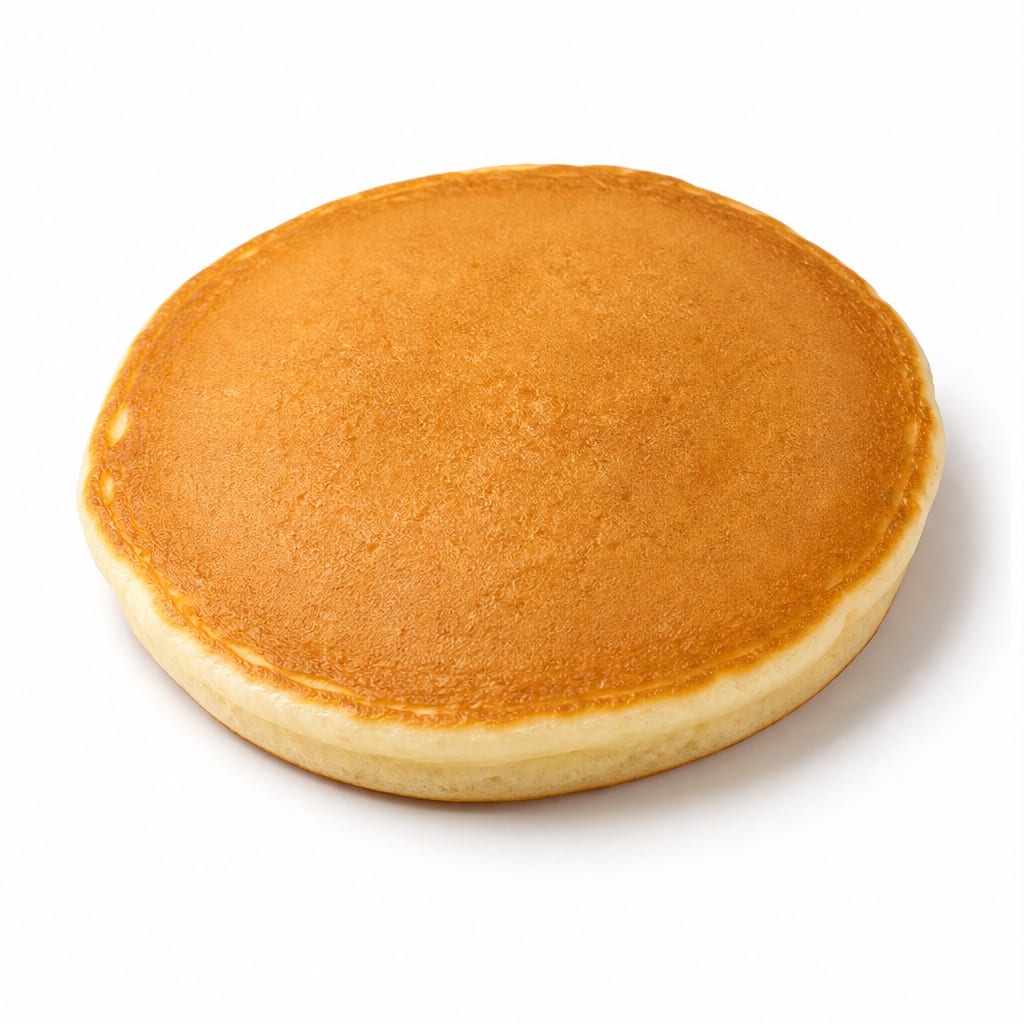
Compare with
Pancake
Crepes are thinner and larger than pancakes, containing slightly less batter per serving, which can mean fewer calories if fillings are kept light.
Crepes are thinner and slightly lower in calories than pancakes, making them a better base for healthy fillings, though pancakes feel more filling per piece.
This food
Crepe
VS85% alike
Compare with
Waffle
Waffles typically have a higher fat and sugar content in the batter than crepes, making plain crepes the lighter option.
Crepes are lower in fat and sugar than waffles, offering a lighter breakfast base, while waffles provide a crispier, denser bite.
This food
Crepe
VS80% alike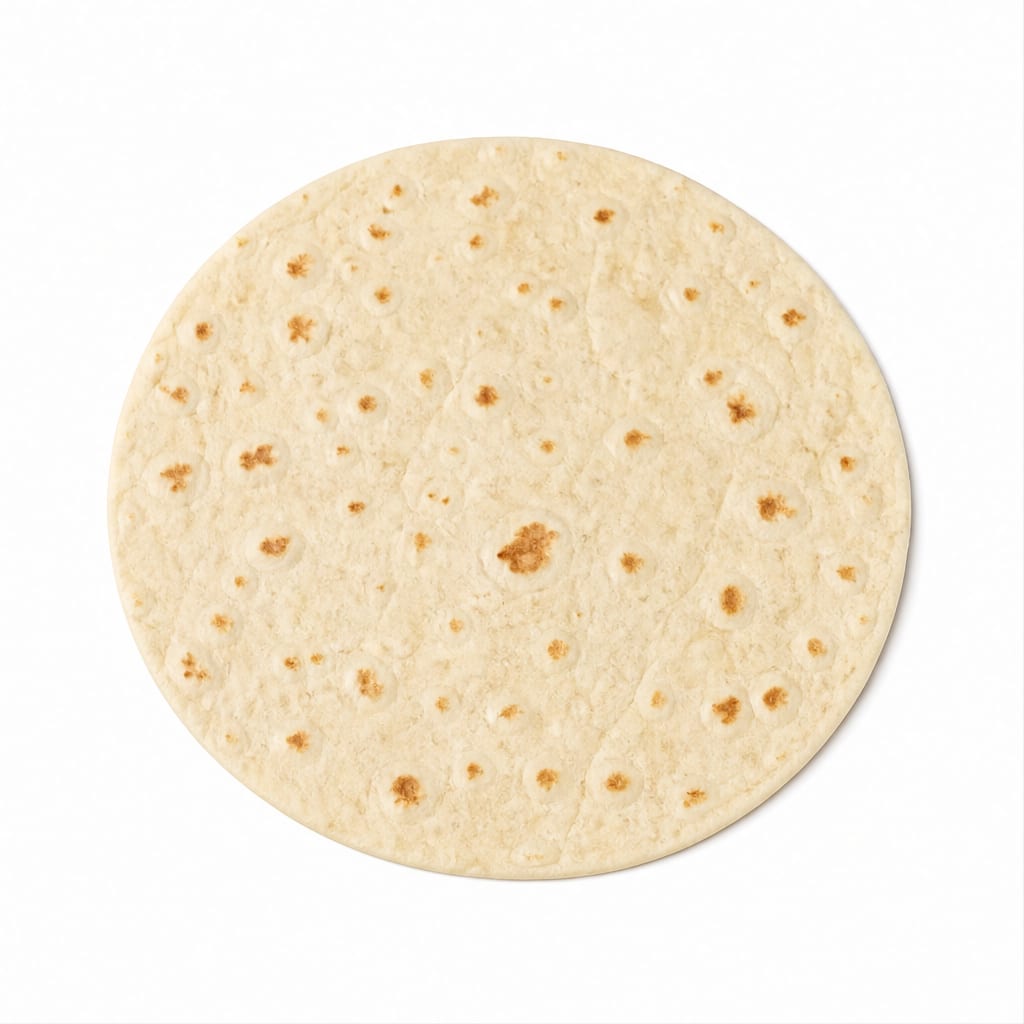
Compare with
Flour Tortilla
Tortillas are more savory and pliable with no sugar, making them better for lunch, while crepes are richer due to eggs and milk.
Flour tortillas are lower in sugar than crepes and better for savory wraps, while crepes offer more protein from eggs.
This food
Crepe
VS60% alike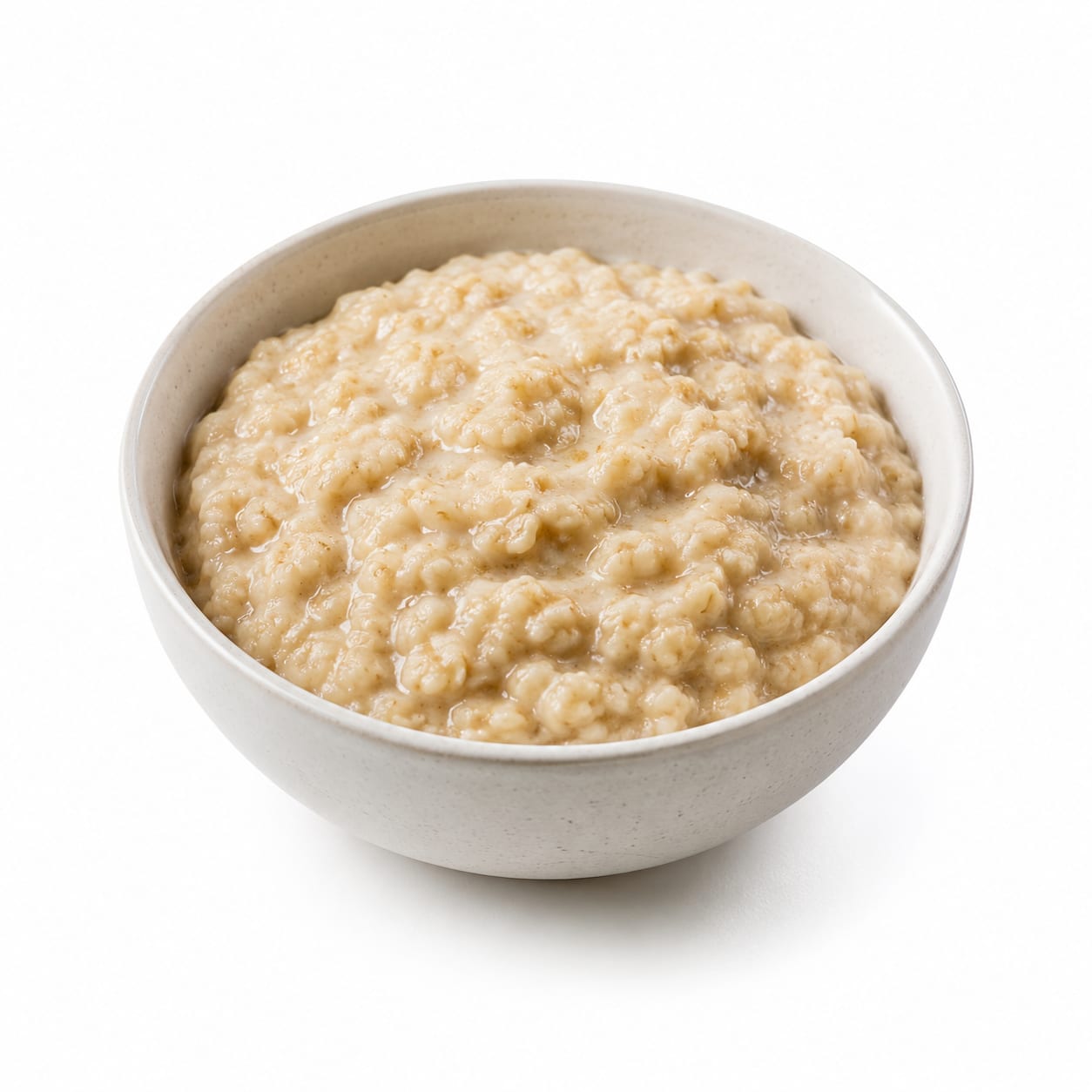
Compare with
Oatmeal
Oatmeal provides significantly more fiber, better blood sugar control, and higher satiety than a refined flour crepe.
Oatmeal beats crepes for weight loss and blood sugar control thanks to its high fiber content, while crepes are a faster-digesting carb.
This food
Crepe
VS85% alike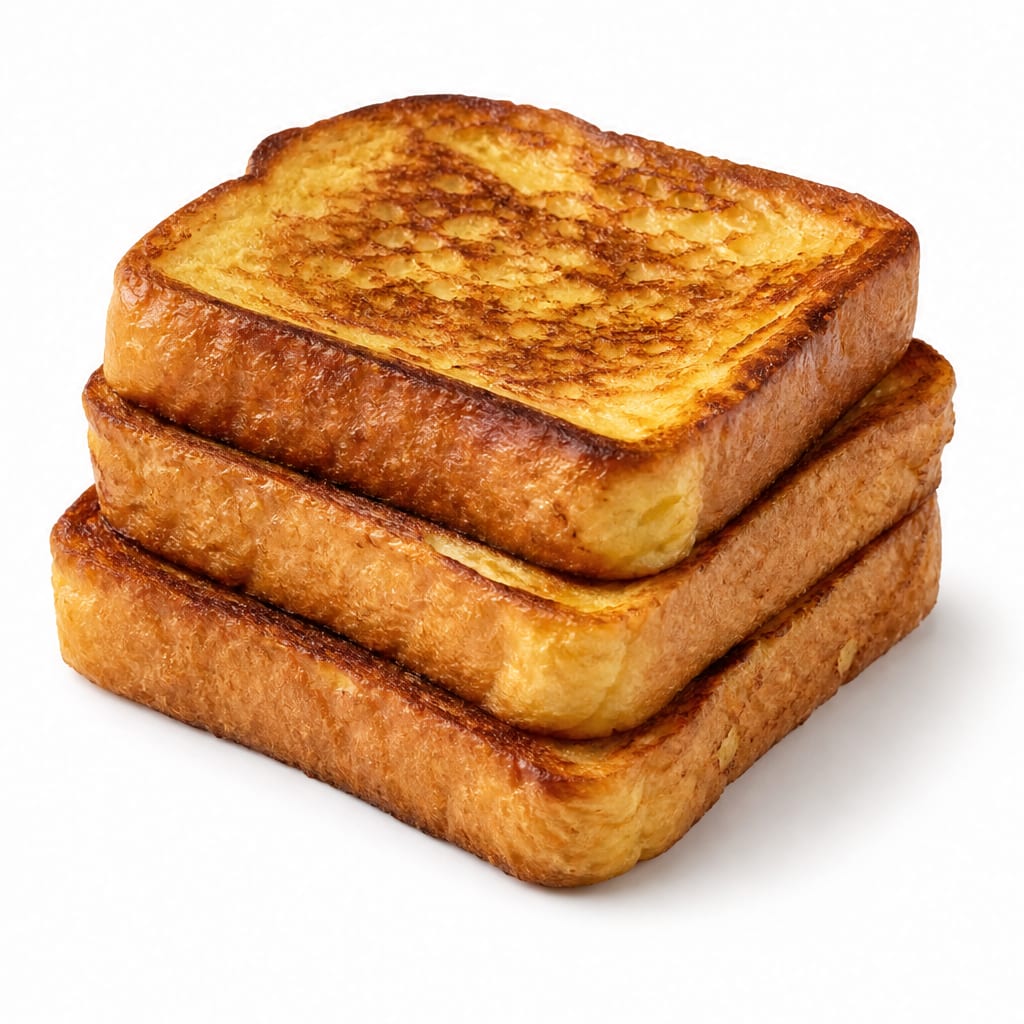
Compare with
French Toast
French toast uses thick bread soaked in egg mixture, making it heavier and higher in carbs and calories per serving than a thin crepe.
Crepes are lighter and lower in carbohydrates than French toast, which packs more calories due to the thick bread base.
This food
Crepe
VS95% alike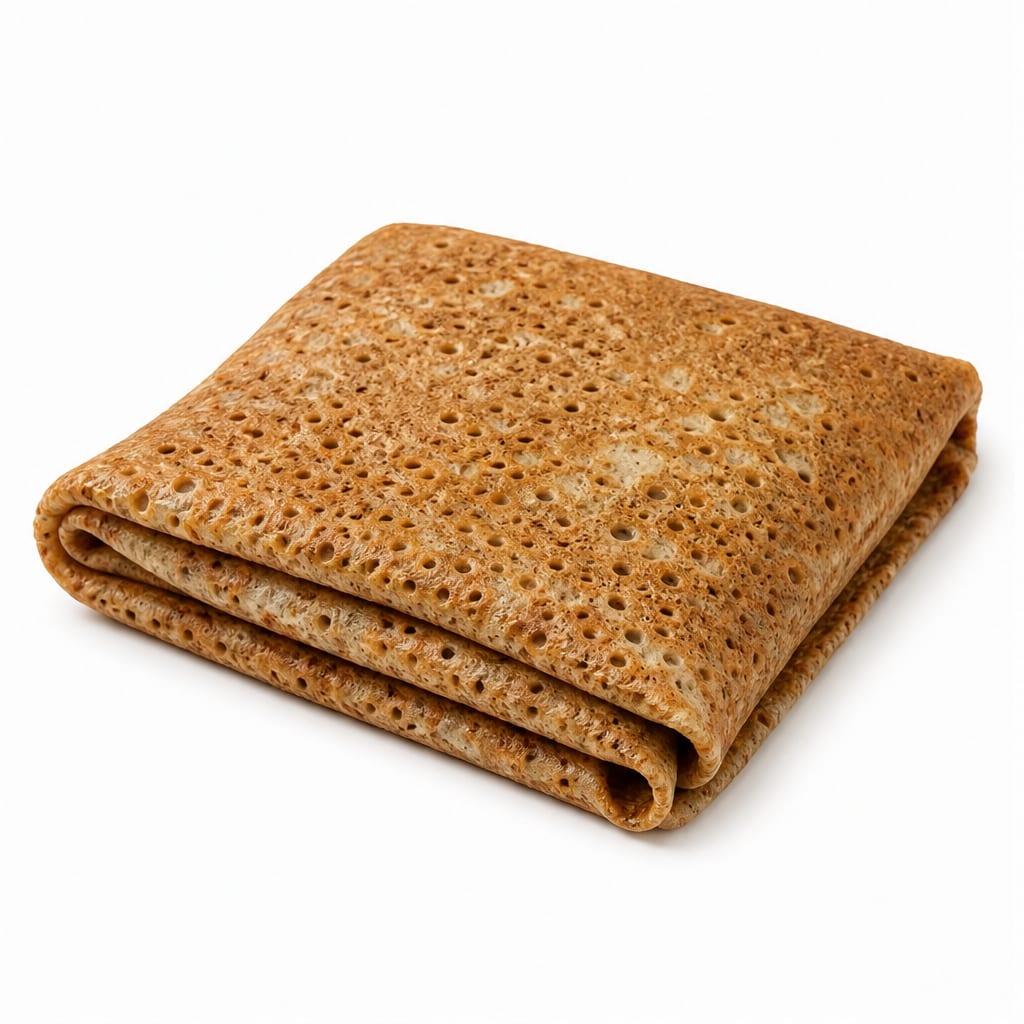
Compare with
Buckwheat Crepe
Buckwheat crepes offer far more fiber, protein, and minerals than white flour crepes, making them superior for satiety and blood sugar management.
Buckwheat crepes provide more fiber and protein than regular crepes, making them much better for blood sugar control and keeping you full.
This food
Crepe
VS75% alike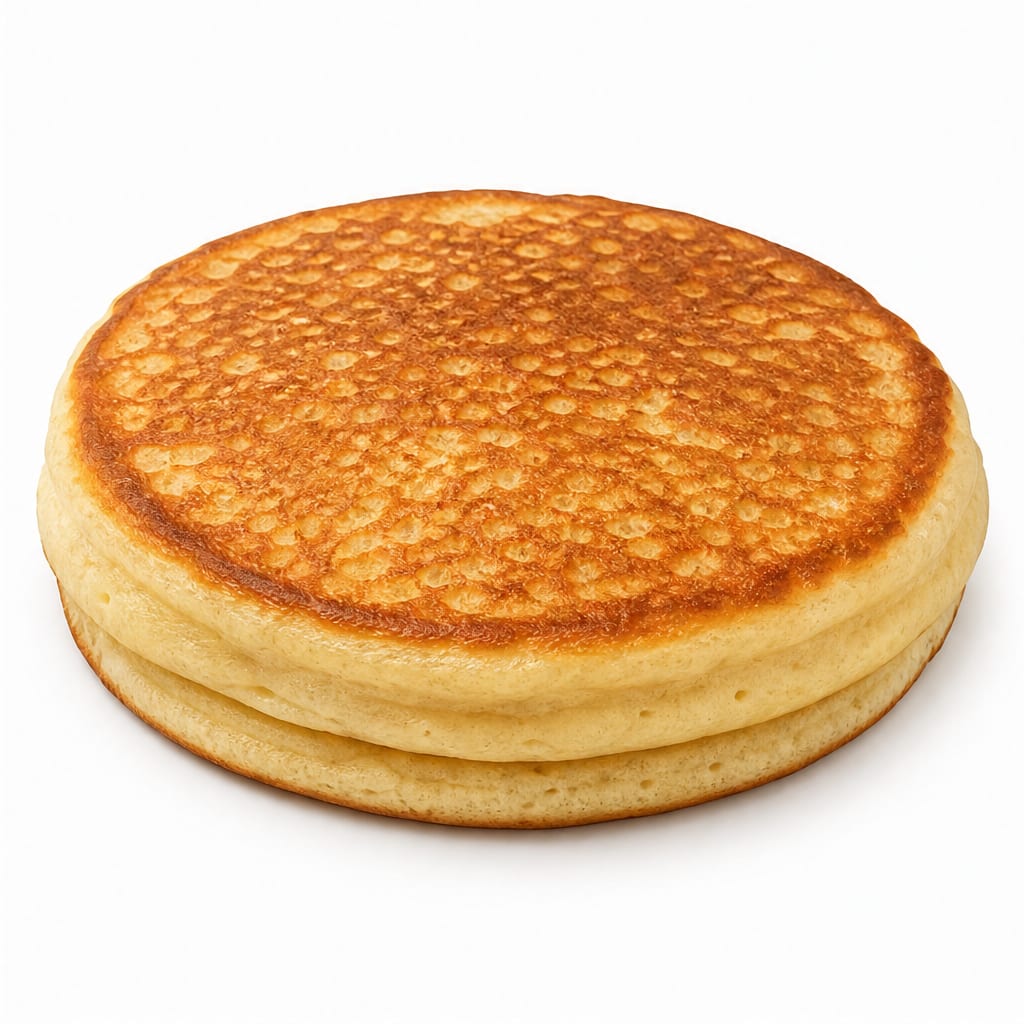
Compare with
Protein Pancake
Protein pancakes are fortified with protein powder, making them far better for muscle gain and satiety than standard crepes.
Protein pancakes beat regular crepes for muscle gain and satiety due to added protein, while crepes offer a lighter, more traditional taste.
This food
Crepe
VS90% alike
Compare with
Blintz
Blintzes are crepes filled with cheese and often pan-fried in butter, making them higher in calories and fat than a plain crepe.
Blintzes are richer and higher in calories than plain crepes because they are filled with cheese and often fried, while crepes are lighter.
This food
Crepe
VS65% alike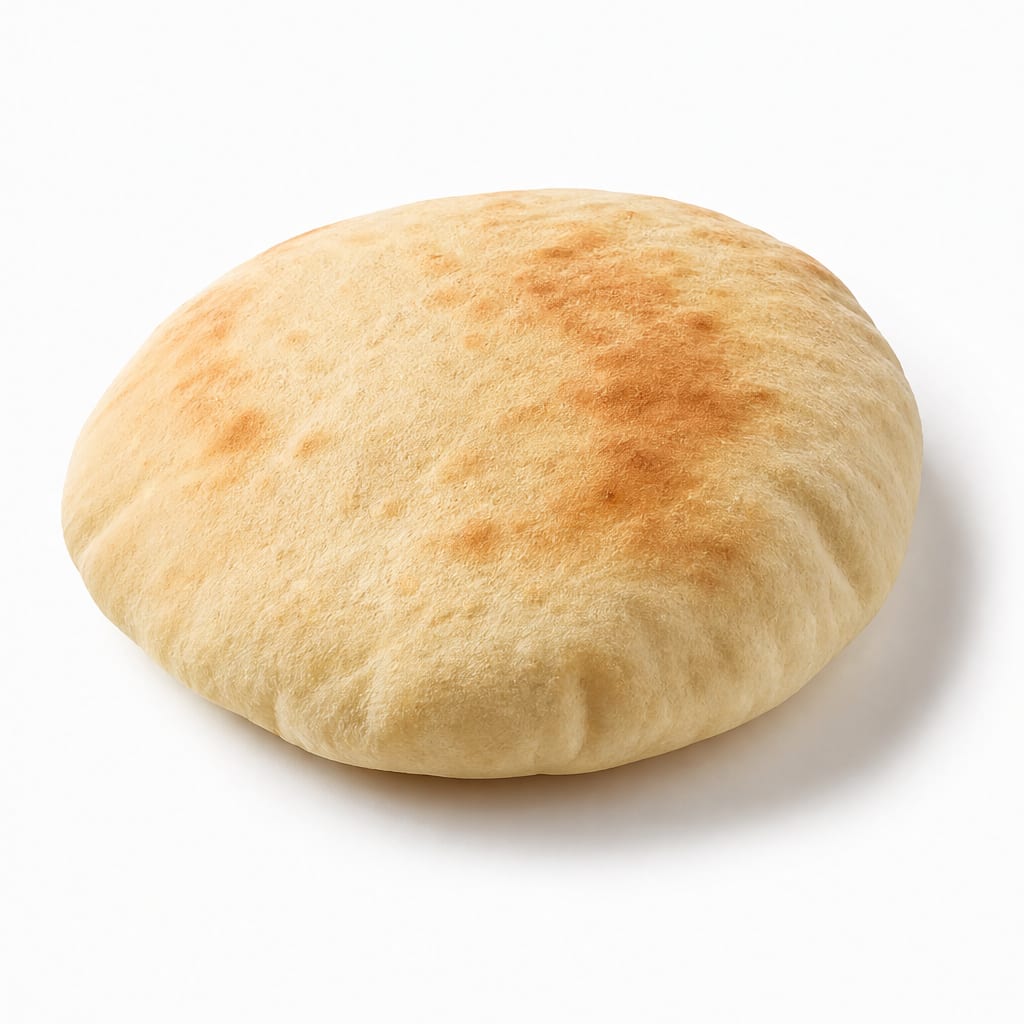
Compare with
Pita Bread
Pita is a yeast-leavened bread with no eggs, offering a chewier texture and lower fat content, making it a better everyday savory wrap.
Pita bread is lower in fat and sugar than crepes, making it a better choice for savory lunch wraps, while crepes are richer due to eggs.
This food
Crepe
VS70% alike
Compare with
Croissant
Croissants are laminated with high amounts of butter, making them drastically higher in fat and calories than crepes.
Crepes are much lower in fat and calories than croissants, which are heavy on butter, making crepes the lighter French breakfast choice.
Common questions
FAQ
Answers aligned with how people search for this food.
Are crepes healthier than pancakes?
Crepes are slightly healthier than traditional pancakes because they contain less batter per serving, resulting in fewer calories and carbs per piece. However, both are made from refined flour, and crepes often get high-calorie fillings that negate this advantage.
How many calories are in a plain crepe?
A plain, standard-sized crepe (about 65g) contains roughly 130 calories. Adding fillings like Nutella, sugar, or cheese will significantly increase the total calorie count.
Can I eat crepes on a weight loss diet?
You can eat crepes on a weight loss diet if you control portions and choose healthy fillings like fresh fruit or lean protein. Avoid sugary spreads and heavy creams to keep the calorie count low.
Are crepes high in carbs?
Yes, traditional crepes are high in carbs because they are made primarily from refined wheat flour. A single plain crepe contains about 15-16 grams of carbohydrates.
What is the healthiest crepe filling?
The healthiest crepe fillings are nutrient-dense and low in added sugar. Good options include fresh berries, sliced bananas, Greek yogurt, spinach, mushrooms, lean ham, or a light sprinkle of cheese.
Are buckwheat crepes healthier?
Yes, buckwheat crepes (galettes) are healthier than regular crepes. Buckwheat is a whole grain that provides more fiber, protein, and essential minerals like magnesium, and it naturally gluten-free.
Do crepes spike blood sugar?
Traditional white flour crepes can spike blood sugar due to their refined carbohydrate content. Choosing buckwheat or whole wheat crepes and pairing them with protein-rich fillings helps moderate the blood sugar response.
Can diabetics eat crepes?
Diabetics can eat crepes in moderation, especially if made with buckwheat flour and filled with protein or healthy fats rather than sugar. Monitoring portion size and pairing with low-glycemic foods is key.
Transparency
Data confidence
Estimated confidence for nutrition data, interpretation, safety notes, and comparisons.
Nutrition data
Health analysis
Food safety
Comparisons