
Nutrition comparison
Crepe vs Oatmeal: Which Breakfast Is Actually Better for You?
Compare crepes and oatmeal for health, energy, weight loss, and daily nutrition. Learn which breakfast keeps you full longer and supports your goals better.
Overall winner · Oatmeal

Crepe
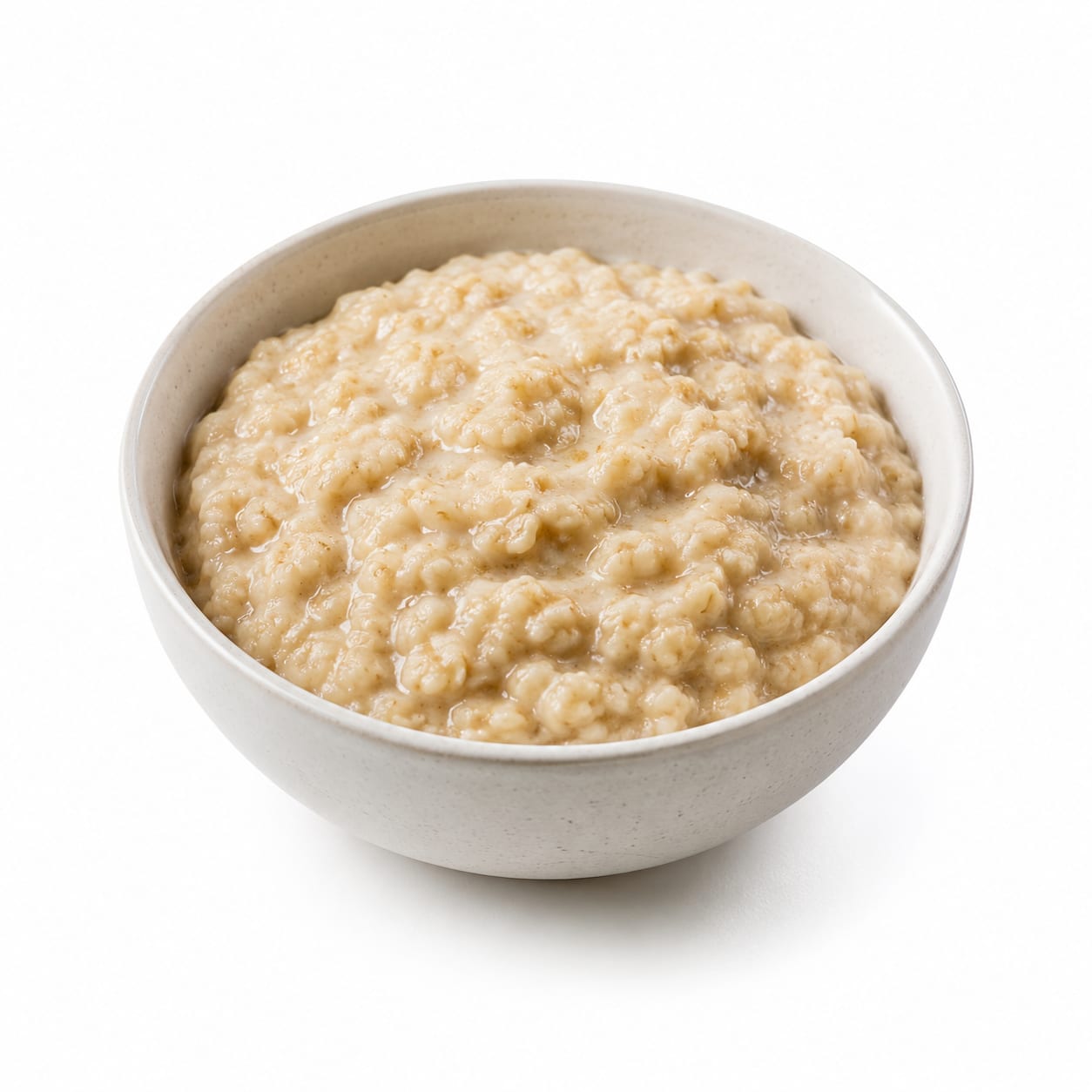
Oatmeal
Oatmeal is the clear everyday choice for health, energy, and fullness. Crepes are an enjoyable treat but lack the fiber and staying power that make a sustainable breakfast.
Oatmeal scores dramatically higher due to fiber content, blood sugar stability, heart health benefits, and daily sustainability. Crepes score lower because refined flour and added sugars undermine most health dimensions, though they remain a reasonable occasional indulgence.
You trade immediate pleasure and indulgence for long-lasting energy and nutritional benefits. Crepes taste incredible but leave you hungry sooner; oatmeal feels modest but powers you through the morning.
At a glance
Executive summary
Overall
Oatmeal
Healthier
Oatmeal
More practical
Oatmeal
Daily use
Oatmeal
Key comparison lenses
Blood sugar stability and sustained energy
Oatmeal's fiber dramatically slows glucose absorption while crepes cause quicker spikes due to refined flour
Daily breakfast sustainability
Users choosing between these are likely deciding what to eat most mornings, where long-term habits matter more than occasional indulgence
Satiety and hunger control
Oatmeal keeps you full for hours; crepes digest quickly and may trigger mid-morning cravings
Heart health and cholesterol management
Beta-glucan in oats is one of the most proven cholesterol-lowering food components available
Weight management practicality
Calorie density and fullness differ significantly, making one far easier to manage portions with
Best choice for
Crepe
- Weekend brunch indulgence
- Special occasions and celebrations
- Active individuals needing quick calories before exercise
- Anyone craving a comforting, decadent breakfast experience
Oatmeal
- Weekday breakfast routine
- Blood sugar management and diabetes prevention
- Cholesterol-conscious eaters
- Anyone trying to stay full until lunch without snacking
Least suitable for
Crepe
- People managing diabetes or insulin resistance
- Anyone trying to lose weight consistently
- Those who need sustained energy for long work mornings
- Daily breakfast eaters seeking nutritional value
Oatmeal
- People with celiac disease or severe gluten sensitivity (unless certified gluten-free oats)
- Anyone bored by repetitive breakfast routines who needs variety
- Those needing high-calorie meals for weight gain
Deep comparison
Dimension by dimension
Each lens scores both foods and breaks down who each option suits.
- Dimension 1 · Priority 92Oatmeal
Satiety and Fullness
Crepe · 25Oatmeal · 88Oatmeal keeps you full for hours thanks to soluble fiber that absorbs water and expands in your stomach. Crepes digest quickly and rarely satisfy past mid-morning.
Tradeoff
Crepes feel more immediately satisfying in your mouth but leave you reaching for snacks by 10 AM. Oatmeal takes longer to enjoy eating but rewards you with steady hunger control.
Why it matters
Breakfast that fails to keep you full leads to overeating later, worse food choices at lunch, and afternoon energy crashes.
Real-world impact
With oatmeal, you make it to lunch without raiding the vending machine. With crepes, you are likely hungry again before your first meeting ends.
Crepe
- Quick pre-workout fuel when you need calories that digest fast
- Situations where you want a light meal before eating again soon
Better for
- Controlling portions at subsequent meals
- Avoiding mid-morning cravings and mindless snacking
Worse for
Oatmeal
- Long work mornings with no snack breaks
- Weight loss efforts where hunger control is critical
- Anyone who skips lunch and needs breakfast to last
Better for
- Situations requiring a light meal before intense exercise soon after
Worse for
- Dimension 2 · Priority 90Oatmeal
Blood Sugar Stability
Crepe · 20Oatmeal · 85Oatmeal's beta-glucan fiber creates a gel that slows glucose absorption, giving you smooth, steady energy. Crepes made from refined flour cause rapid blood sugar spikes followed by crashes.
Tradeoff
Crepes deliver a quick energy burst that feels great for 30 minutes then fades into sluggishness. Oatmeal provides less dramatic but far more reliable energy for hours.
Why it matters
Blood sugar roller coasters drive cravings, fatigue, irritability, and long-term metabolic damage. Stable blood sugar is the foundation of feeling good all day.
Real-world impact
After oatmeal, you feel calm and focused through your morning. After crepes, you may experience a brief high followed by brain fog and the urge for coffee or sweets.
Crepe
- Endurance athletes needing fast-available carbs right before activity
- Recovering from hypoglycemia when quick glucose is medically necessary
Better for
- Insulin resistance worsening over time
- Reactive hypoglycemia episodes
- Dependency on caffeine to compensate for energy crashes
Worse for
Oatmeal
- Prediabetes and diabetes management
- Avoiding afternoon energy crashes
- Maintaining focus during long work sessions
- Reducing sugar cravings throughout the day
Better for
- Rare situations requiring rapid carbohydrate absorption
Worse for
- Dimension 3 · Priority 85Oatmeal
Nutritional Density
Crepe · 22Oatmeal · 82Oatmeal delivers manganese, phosphorus, magnesium, iron, zinc, and B vitamins alongside its famous fiber. Crepes offer minimal micronutrients beyond basic calories from refined flour and eggs.
Tradeoff
Every bowl of oatmeal is actively improving your nutrient status. Every crepe is mostly empty calories with small contributions from eggs and milk.
Why it matters
Nutrient-dense foods reduce the need for supplements, support immune function, and prevent the subtle deficiencies that cause fatigue and poor recovery.
Real-world impact
Regular oatmeal eaters get closer to daily mineral targets without trying. Regular crepe eaters need to work harder at other meals to catch up nutritionally.
Crepe
- Adding nutrient-rich fillings like spinach, mushrooms, or berries can partially compensate
Better for
- Risk of micronutrient gaps if crepes replace nutrient-dense breakfasts regularly
- Empty calorie load that displaces more nutritious options
Worse for
Oatmeal
- Meeting daily manganese and magnesium needs effortlessly
- Supporting bone health through natural phosphorus and magnesium
- Iron intake for vegetarians when paired with vitamin C
Better for
- Oats contain phytic acid that slightly reduces mineral absorption, though this is minor with regular consumption
Worse for
- Dimension 4 · Priority 80Oatmeal
Heart Health
Crepe · 18Oatmeal · 90Oatmeal contains beta-glucan, the most evidence-backed cholesterol-lowering fiber in food. Crepes contribute saturated fat from butter and eggs with zero cholesterol-lowering components.
Tradeoff
Oatmeal actively protects your cardiovascular system with every bowl. Crepes add small amounts of saturated fat and refined carbs that offer no cardiovascular benefit.
Why it matters
Heart disease remains the leading cause of death globally. Daily food choices that lower LDL cholesterol have enormous cumulative impact over decades.
Real-world impact
Eating oatmeal daily can lower LDL cholesterol by 5-10 percent over several weeks. Eating crepes daily does the opposite, slowly nudging cardiac risk factors in the wrong direction.
Crepe
- No meaningful heart health advantage unless made with heart-healthy modifications
Better for
- Added butter and saturated fat in traditional recipes
- Refined flour contributes to arterial inflammation markers
Worse for
Oatmeal
- Clinically proven LDL cholesterol reduction
- Blood pressure support through magnesium content
- Anti-inflammatory effects from avenanthramide antioxidants unique to oats
Better for
- No significant cardiovascular downside when prepared without excessive added sugar
Worse for
- Dimension 5 · Priority 78Oatmeal
Digestive Health
Crepe · 20Oatmeal · 88Oatmeal feeds beneficial gut bacteria with prebiotic fiber and promotes regular bowel movements. Crepes lack fiber entirely unless made with whole grain flour, offering nothing for gut health.
Tradeoff
Oatmeal supports a thriving gut microbiome that influences immunity, mood, and digestion. Crepes pass through without feeding the beneficial bacteria that protect your health.
Why it matters
Gut health affects everything from immune resilience to mental health. Daily fiber intake is the single most impactful dietary choice for digestive wellness.
Real-world impact
Regular oatmeal eaters tend to have more predictable digestion and less bloating. Regular crepe eaters may experience sluggish digestion unless fiber is prioritized at other meals.
Crepe
- Easier to digest for people with severe fiber sensitivity or acute digestive flare-ups
Better for
- Contributing to constipation when fiber is inadequate overall
- Missing prebiotic benefits that protect gut lining integrity
Worse for
Oatmeal
- Feeding beneficial gut bacteria that produce short-chain fatty acids
- Preventing constipation naturally without supplements
- Reducing bloating from irregular bowel habits over time
Better for
- Can cause temporary bloating when dramatically increasing fiber intake too quickly
Worse for
- Dimension 6 · Priority 72Crepe
Enjoyment and Satisfaction
Crepe · 85Oatmeal · 55Crepes deliver a luxurious eating experience with delicate texture and endless filling possibilities. Oatmeal is comforting but rarely exciting, which matters for long-term dietary adherence.
Tradeoff
Crepes make breakfast feel like a celebration but undermine health goals. Oatmeal feels virtuous but can become monotonous, potentially triggering rebellion eating later.
Why it matters
Food must be enjoyable enough to sustain healthy habits long-term. Boredom drives people toward less nutritious choices more often than lack of information.
Real-world impact
A crepe breakfast feels like a treat that boosts your mood. An oatmeal breakfast feels responsible but may leave you craving something more exciting by evening.
Crepe
- Emotional satisfaction and meal pleasure
- Social dining experiences and brunch culture
- Creative cooking expression with diverse fillings
Better for
- Guilt or regret if health goals are being compromised
- Potential trigger food for overeating when sweet fillings are used
Worse for
Oatmeal
- Consistent comfort without guilt
- Psychological satisfaction from making a health-supportive choice
- Warm, soothing texture that feels nurturing on cold mornings
Better for
- Monotony risk with daily consumption
- Perceived deprivation that may lead to compensatory eating
Worse for
- Dimension 7 · Priority 68Oatmeal
Convenience and Preparation
Crepe · 30Oatmeal · 80Oatmeal requires one pot and five minutes, or can be prepped overnight with zero morning effort. Crepes demand batter preparation, resting time, and careful stovetop cooking with attention to technique.
Tradeoff
Oatmeal is a low-effort daily habit anyone can maintain. Crepes require skill and time that make them impractical for most weekday mornings.
Why it matters
The breakfast you can make consistently is always better than the breakfast that is theoretically perfect but rarely happens. Convenience drives compliance.
Real-world impact
Oatmeal fits into a rushed morning with zero stress. Crepes turn breakfast into a cooking project that most people reserve for weekends at best.
Crepe
- Making a large batch for a group brunch
- Impressing guests with a beautiful, customizable meal
Better for
- Time-intensive for daily preparation
- Requires cooking skill to avoid tearing or uneven cooking
- Multiple dishes and tools needed
Worse for
Oatmeal
- Busy weekday mornings with minimal cleanup
- Overnight oats for grab-and-go convenience
- Consistent routine that requires zero decision-making effort
Better for
- Requires access to hot water or microwave
- Less impressive for entertaining or special occasions
Worse for
Timeline
Health impact over time
Short-term
Hours to days
Crepe
- Quick energy surge from refined carbohydrates followed by a crash within 1-2 hours
- Immediate satisfaction and pleasure from eating
- Possible sugar craving cycle triggered by blood sugar spike and dip
- Hunger returning sooner than with fiber-rich alternatives
Oatmeal
- Steady energy release lasting 3-4 hours without crashes
- Comforting warmth that feels settling and grounding
- Gradual fullness that builds as beta-glucan absorbs water
- Mild bloating possible if fiber intake is increased too abruptly
Long-term
Months to years
Crepe
- Regular consumption may contribute to insulin resistance over time
- Higher risk of elevated LDL cholesterol without counterbalancing fiber
- Potential weight gain from calorie density and low satiety
- Missed opportunity for daily fiber intake that protects against chronic disease
Oatmeal
- Measurably lower LDL cholesterol with daily consumption
- Improved insulin sensitivity and reduced diabetes risk
- Better gut microbiome diversity supporting immunity and inflammation control
- Easier weight management through natural appetite regulation
Risk profile
Safety & processing
Oatmeal is essentially whole oats with minimal processing, retaining natural fiber and nutrients. Crepes rely on refined white flour stripped of bran and germ, plus added butter and sugar, placing them firmly in processed territory. Steel-cut oats are the least processed option; instant flavored oatmeal packets can approach medium processing levels due to added sugars and sodium.
Crepe
Raw egg handling
mediumCrepes use raw eggs in batter, creating potential salmonella exposure if eggs are undercooked or batter is tasted raw
Cross-contamination from fillings
mediumSweet and savory fillings like raw dairy, deli meats, or fresh cheeses can introduce foodborne illness risk if not handled properly
Oatmeal
Gluten cross-contamination
mediumOats are naturally gluten-free but frequently processed in facilities handling wheat, making contamination common unless certified gluten-free
Mycotoxin exposure
lowOats can occasionally contain ochratoxin A from fungal contamination during storage, though regulatory limits keep this well controlled
Who wins for whom
Audience fit
Same foods, different winners depending on your goal.
children
It dependsOatmeal provides essential nutrients for growth and steady energy for school mornings. Crepes offer more eating enjoyment and can hide nutritious fillings, but the refined flour base is less ideal for daily consumption.
daily consumption
OatmealOatmeal's nutritional profile, blood sugar stability, and disease-prevention benefits make it one of the best daily breakfast foods available. Crepes lack the fiber and nutrient density to support daily consumption without health tradeoffs.
diabetes
OatmealOatmeal's beta-glucan fiber slows glucose absorption and improves insulin sensitivity. Crepes made from refined flour cause rapid blood sugar spikes that are particularly dangerous for diabetes management.
elderly
OatmealOatmeal supports heart health, digestion, and blood sugar control, all critical concerns for older adults. Its soft texture is also easy to chew and gentle on aging digestive systems.
muscle gain
It dependsCrepes can support muscle gain when loaded with protein-rich fillings like eggs, ham, or cheese, providing needed calories. Oatmeal alone lacks sufficient protein but works well paired with protein powder or Greek yogurt.
weight loss
OatmealOatmeal's fiber creates lasting fullness that naturally reduces overall calorie intake. Crepes are calorie-dense for their volume and trigger hunger again quickly, making portion control much harder.
Your move
Decision guide
Choose Crepe
- It is a weekend or special occasion and you want a joyful breakfast experience
- You are very active and need quick-digesting calories before exercise
- You are serving brunch to guests and want something impressive and customizable
- You have already met your fiber and nutrient needs from other meals today
Choose Oatmeal
- It is a weekday and you need reliable energy until lunch
- You are managing weight, cholesterol, blood sugar, or any metabolic health goal
- You want a breakfast that requires almost no effort or cleanup
- You are building a sustainable daily routine you can maintain for years
Either works if
- You mix both throughout the week, saving crepes for weekends and oatmeal for weekdays
- You make savory crepes with whole grain flour and nutrient-dense fillings to close the nutritional gap
- You add protein and healthy fats to oatmeal with nuts, seeds, or Greek yogurt to make it more satisfying
Avoid both if
- You have celiac disease and cannot find certified gluten-free oats or gluten-free crepe flour
- You are on a strict very-low-carb or ketogenic diet, as both are carbohydrate-dominant
- You have a diagnosed oat allergy, which is rare but possible
Final recommendation
Make oatmeal your daily breakfast and reserve crepes for weekends and celebrations. This gives you the health benefits of consistent fiber, stable energy, and heart protection most days, while still enjoying the pleasure and indulgence of crepes when they matter most. If you love crepes too much to limit them, try making them with whole grain flour and protein-rich fillings to narrow the nutritional gap significantly.
Practical
Consumer tips
- 1
Choose steel-cut or rolled oats over instant packets to maximize fiber and minimize added sugar
- 2
Add cinnamon, nuts, or berries to oatmeal instead of brown sugar or maple syrup for flavor without blood sugar spikes
- 3
Make crepes with half whole wheat flour to add fiber while maintaining most of the delicate texture
- 4
Prep overnight oats the night before for zero-effort mornings that still feel special with toppings like chia seeds and fruit
- 5
If making crepes for brunch, add savory fillings like spinach, mushrooms, and feta to increase nutritional value substantially
- 6
Pair oatmeal with a protein source like Greek yogurt or a boiled egg to make the meal even more satiating and nutritionally complete
- 7
Avoid pre-made crepe mixes that contain preservatives and emulsifiers; homemade batter with simple ingredients is healthier and tastes better