
Nutrition comparison
Crepe vs Pita Bread: Which Is Healthier for Daily Eating?
Compare Crepe and Pita Bread on calories, blood sugar impact, satiety, and everyday practicality. Find out which bread choice fits your health goals better.
Overall winner · Pita Bread
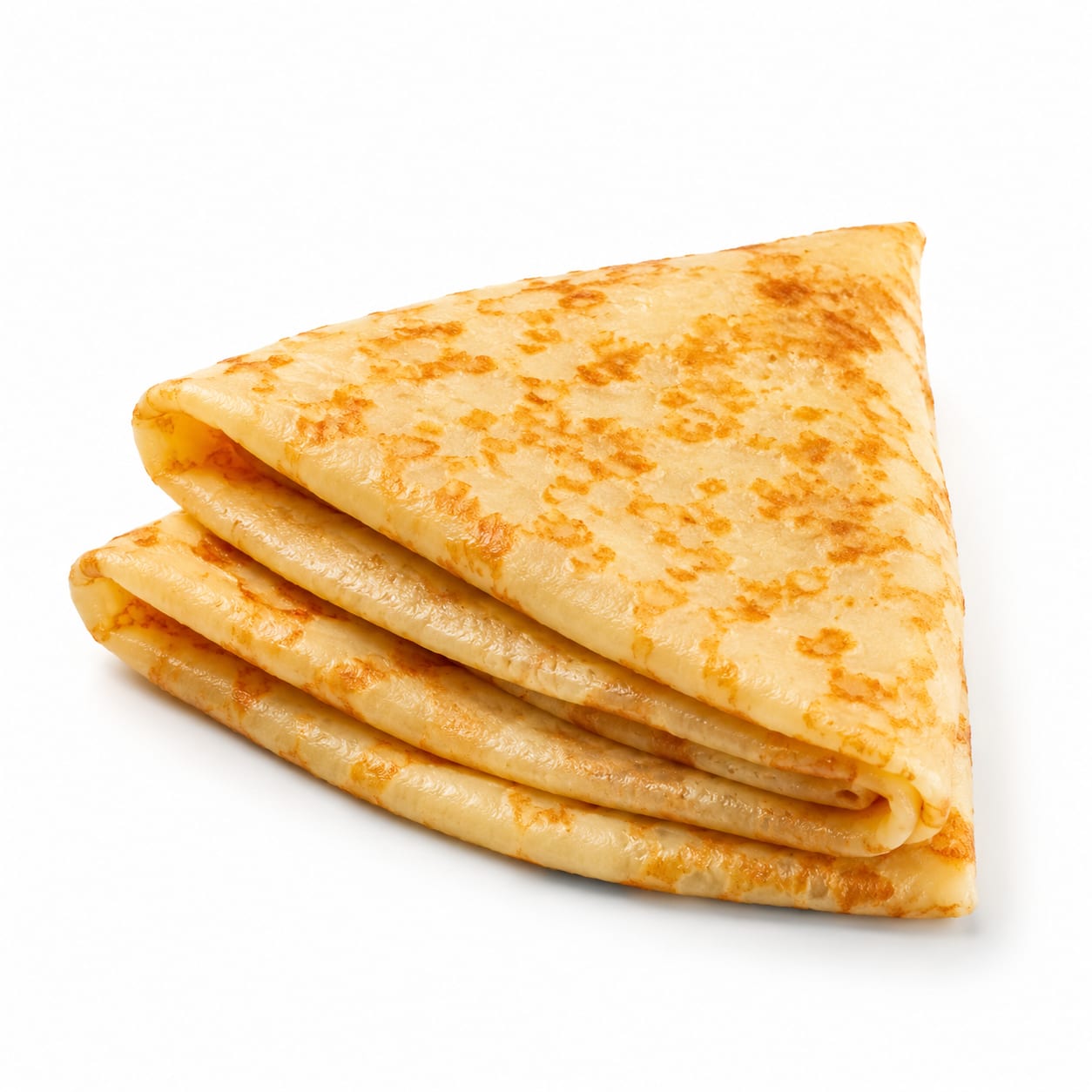
Crepe
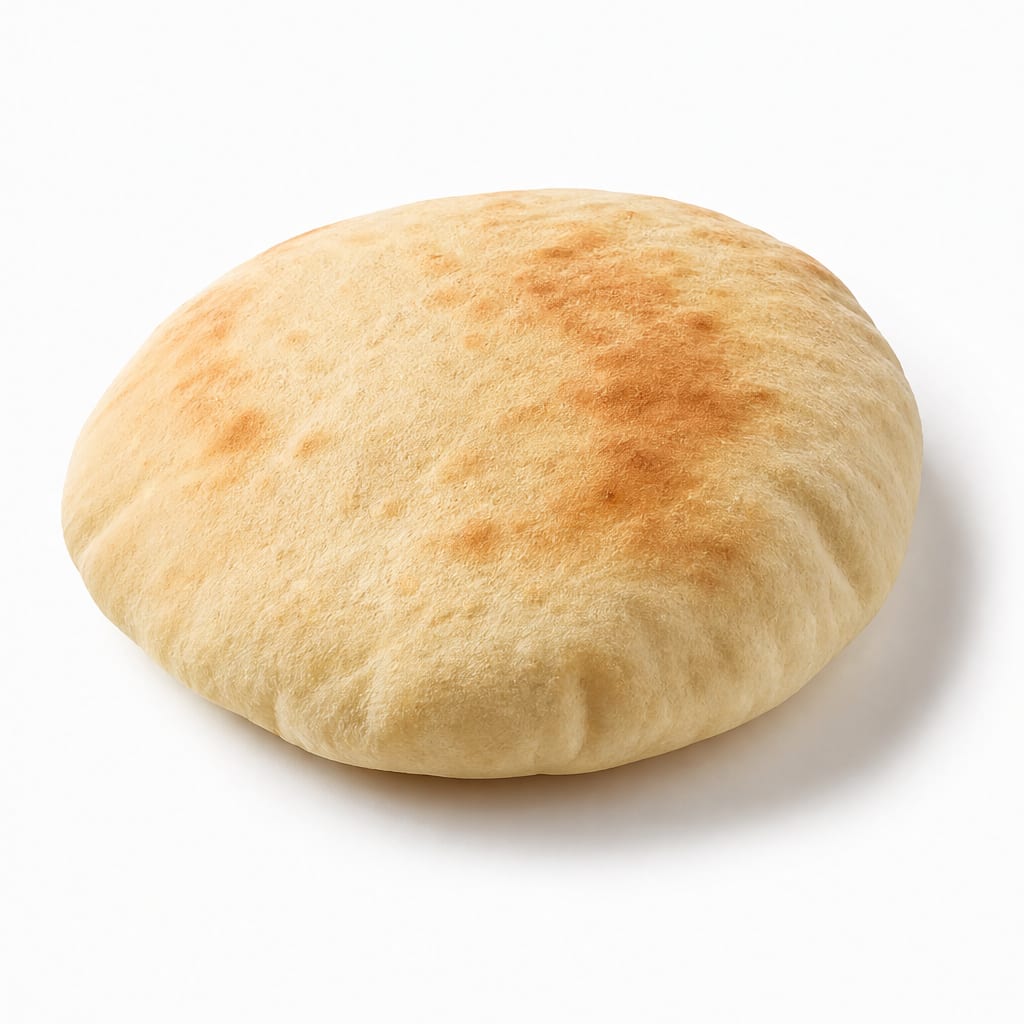
Pita Bread
Pita Bread is the smarter everyday choice—leaner, more versatile, and easier on blood sugar. Crepes win for enjoyment and richness but come with a heavier calorie and fat load.
Pita Bread scores notably higher due to lower calorie density, better daily practicality, and cleaner macronutrient profile. Crepes lose ground on fat content, calorie load, and limited everyday usability, though they gain some points for higher protein from eggs.
Crepes offer more protein and richness from eggs but cost you more calories and fat. Pita delivers cleaner, lighter energy with better daily sustainability.
At a glance
Executive summary
Overall
Pita Bread
Healthier
Pita Bread
More practical
Pita Bread
Daily use
Pita Bread
Key comparison lenses
everyday staple vs occasional indulgence
Pita Bread is a daily bread staple while Crepes are typically a treat or meal event, shaping how often and why you'd choose each
blood sugar and energy stability
Both are flour-based carbs but differ significantly in fat, egg content, and glycemic behavior
weight management and calorie control
Crepes carry more calories from eggs and butter, while Pita is leaner and easier to portion
meal versatility and practicality
Pita works as an everyday bread substitute; Crepes require preparation and are more of a sit-down food
satiety and hunger control
Different macronutrient profiles affect how full you feel and how soon hunger returns
Best choice for
Crepe
- Weekend brunch enjoyment
- High-calorie needs or active individuals
- Savory meal wraps when you want richness
- Situations where eggs and dairy boost nutritional value
Pita Bread
- Daily sandwich or wrap base
- Weight-conscious eating patterns
- Dipping and snacking without heavy calories
- Meal prepping and quick lunches
Least suitable for
Crepe
- Low-calorie or weight loss diets
- Daily repeated consumption
- Dairy-free or egg-free diets
- Blood sugar management without pairing
Pita Bread
- High-protein meal building without additions
- Those wanting a rich, indulgent eating experience
- Gluten-free diets (unless specifically made gluten-free)
Deep comparison
Dimension by dimension
Each lens scores both foods and breaks down who each option suits.
- Dimension 1 · Priority 90Pita Bread
Calorie Density and Weight Management
Crepe · 42Pita Bread · 74A single crepe packs roughly 150-200 calories before any filling, while a medium pita sits around 70-80 calories with no added fat.
Tradeoff
Crepes bring eggs and butter that increase calories but also add protein and fat-soluble vitamins. Pita stays lean but offers less satiating fat.
Why it matters
If you're watching portions or eating multiple servings, the calorie gap adds up fast—two crepes can equal four pitas.
Real-world impact
Choosing Pita over Crepes for daily lunches could save you 200-400 calories per meal without feeling like you're eating less food.
Crepe
- Bulking meals when you need more calories
- Active individuals who burn more energy
Better for
- Calorie counting or deficit diets
- Mindless snacking situations
Worse for
Pita Bread
- Consistent weight management
- Eating frequently without overconsuming
Better for
- Athletes needing calorie-dense fuel
- People who find low-fat meals unsatisfying
Worse for
- Dimension 2 · Priority 85Crepe
Blood Sugar Stability
Crepe · 68Pita Bread · 55Crepes have a lower glycemic impact thanks to eggs and fat slowing carbohydrate absorption. Pita, especially white flour versions, digests faster.
Tradeoff
The fat and protein in crepes blunt blood sugar spikes but also make each serving heavier. Pita gives quicker energy but can cause steeper rises and drops.
Why it matters
If you're sensitive to blood sugar swings, the richer composition of crepes actually works in your favor—provided you don't add sugary fillings.
Real-world impact
A crepe with savory filling keeps energy steadier through the morning. A white pita on its own might leave you hungry again within 90 minutes.
Crepe
- Sustained energy without crashes
- People with mild blood sugar sensitivity
Better for
- Sweet crepe fillings that override the glycemic benefit
- Heavy meals before physical activity
Worse for
Pita Bread
- Quick pre-workout fuel
- Immediate energy needs
Better for
- Afternoon energy crashes
- Uncontrolled snacking triggered by hunger return
Worse for
- Dimension 3 · Priority 80Crepe
Satiety and Fullness
Crepe · 72Pita Bread · 58Eggs and butter give crepes a satiety edge—protein and fat together signal fullness more effectively than pita's lean carb profile.
Tradeoff
Crepes keep you fuller per serving but at a higher calorie cost. Pita fills you with volume but hunger returns sooner.
Why it matters
If you tend to overeat when unsatisfied, the richer crepe might actually prevent more calories overall by reducing between-meal snacking.
Real-world impact
A crepe breakfast at 9am might carry you to 1pm. A pita breakfast might have you reaching for a snack by 11am.
Crepe
- Longer gaps between meals
- Reducing snack cravings
Better for
- Feeling overly full or sluggish
- When you want a light eating experience
Worse for
Pita Bread
- Light meals before exercise
- Eating multiple small meals per day
Better for
- Situations where hunger distraction is a problem
- Long work shifts without meal breaks
Worse for
- Dimension 4 · Priority 88Pita Bread
Everyday Practicality and Convenience
Crepe · 35Pita Bread · 85Pita is ready to eat, stores well, and works as an instant meal base. Crepes require cooking or reheating and are more fragile.
Tradeoff
Pita trades richness for convenience. Crepes deliver a better eating experience but demand more time and effort.
Why it matters
The food you can actually grab and use consistently beats the one that's theoretically better but rarely made.
Real-world impact
Throwing a pita in a lunch bag takes 5 seconds. Making crepes for lunch takes 15-20 minutes of cooking and cleanup.
Crepe
- Planned meals and sit-down dining
- Weekend cooking when time isn't a factor
Better for
- Rushed mornings
- On-the-go eating
- Meal prepping for the week
Worse for
Pita Bread
- Busy weekday meals
- Meal prepping sandwiches and wraps
- Quick snacks with hummus or dips
Better for
- Impressing guests or special occasions
- When you want a warm, cooked meal experience
Worse for
- Dimension 5 · Priority 72Crepe
Nutritional Completeness
Crepe · 65Pita Bread · 50Crepes contribute protein from eggs, calcium from milk, and some B vitamins. Pita is mostly carbohydrate with modest protein and minimal fat.
Tradeoff
Crepes are closer to a complete mini-meal on their own. Pita needs pairing with protein and fat sources to be nutritionally balanced.
Why it matters
Eating a crepe alone provides a broader nutrient spectrum. A pita alone is essentially just energy with little else.
Real-world impact
A plain crepe gives you about 6-8g protein and some calcium. A plain pita gives you 3-4g protein and almost no fat-soluble nutrients.
Crepe
- Standalone light meals
- Getting protein from carb-based foods
Better for
- Those limiting dietary fat or cholesterol
- Vegan eaters
Worse for
Pita Bread
- Building balanced meals with added proteins
- Controlling macronutrient ratios precisely
Better for
- Meals where the bread is the main component
- Nutrient density per calorie
Worse for
- Dimension 6 · Priority 76Pita Bread
Versatility and Meal Integration
Crepe · 62Pita Bread · 78Pita works as sandwich bread, dipping vessel, pizza base, and wrap. Crepes excel with fillings but are limited to wrap-style or dessert formats.
Tradeoff
Pita integrates into more meal types across the day. Crepes shine in specific roles but don't adapt as broadly.
Why it matters
A food that fits breakfast, lunch, dinner, and snacks gets eaten more consistently and with less waste.
Real-world impact
Pita can be breakfast toast, lunch sandwich, afternoon snack with dip, or dinner side. Crepes are mostly breakfast or dessert.
Crepe
- Dessert applications
- Elegant brunch presentations
- Savory wrap meals with rich fillings
Better for
- Casual snacking
- Diverse cuisine integration
Worse for
Pita Bread
- Multiple meal occasions per day
- Cultural dishes like falafel or shawarma
- Quick pizza bases and snack chips
Better for
- Sweet breakfast dishes
- Dessert applications
Worse for
Timeline
Health impact over time
Short-term
Hours to days
Crepe
- More sustained energy from fat and protein slowing digestion
- Heavier feeling after eating due to richer composition
- Potential for overconsumption if sweet fillings are added
Pita Bread
- Quick energy availability from easily digested carbohydrates
- Lighter post-meal feeling but faster hunger return
- Possible blood sugar spike with white flour versions
Long-term
Months to years
Crepe
- Higher saturated fat intake if consumed frequently with butter
- More complete amino acid profile from egg content
- Risk of calorie surplus if crepes become a daily habit
Pita Bread
- Better weight maintenance from lower calorie density
- Whole wheat pita options provide more fiber for gut health
- Repeated consumption of refined versions may affect insulin sensitivity
Risk profile
Safety & processing
Both are relatively simple foods made from basic ingredients. Homemade crepes use flour, eggs, milk, and butter—no additives needed. Pita is similarly clean with flour, water, yeast, and salt. Store-bought versions of either may include preservatives, but neither is inherently ultra-processed.
Crepe
Dairy spoilage in batter
mediumCrepe batter contains milk and eggs, which can spoil quickly at room temperature. Leftover batter should be refrigerated and used within 24 hours.
Raw egg handling
lowCrepe batter uses raw eggs before cooking. Standard food safety practices apply—avoid cross-contamination and cook thoroughly.
Pita Bread
Mold growth in storage
mediumPita bread is moist and can develop mold within a few days at room temperature. Refrigeration or freezing extends shelf life significantly.
Preservatives in commercial varieties
lowSome store-bought pitas contain calcium propionate or other mold inhibitors. Generally recognized as safe but worth checking labels if sensitive.
Who wins for whom
Audience fit
Same foods, different winners depending on your goal.
children
Pita BreadPita is easier to portion, less messy, and works as a finger food. Crepes are fine occasionally but require more supervision and tend to be sweeter.
daily consumption
Pita BreadLower calorie density, cleaner macronutrient profile, and better storage make Pita the more sustainable daily bread choice.
diabetes
It dependsCrepes have a lower glycemic impact per serving, but whole wheat pita offers more fiber. Either can work with proper pairing—neither is ideal alone.
elderly
Pita BreadPita is softer when warmed and easier to chew. Whole wheat versions provide fiber for digestive health. Crepes' higher fat content may be harder on digestion.
muscle gain
CrepeCrepes provide more protein per serving from eggs and milk, supporting muscle repair when calories are not a concern.
weight loss
Pita BreadPita has roughly half the calories per serving, making it easier to stay within a calorie deficit while still enjoying bread-based meals.
Your move
Decision guide
Choose Crepe
- You want a satisfying weekend brunch that keeps you full for hours
- You're active and need calorie-dense meals with protein built in
- You're cooking for guests and want something impressive
- You prefer savory wraps with a richer, more indulgent texture
Choose Pita Bread
- You need a reliable everyday bread that won't blow your calorie budget
- You meal prep lunches and want something quick and portable
- You want a neutral base that pairs with anything from hummus to grilled chicken
- You're managing your weight and prefer lighter meals
Either works if
- You're building a wrap-style meal and both work as the carrier
- You want a carb base and plan to add protein and vegetables regardless
- Neither is a dietary staple and you're choosing for today's meal only
Avoid both if
- You're strictly limiting carbohydrates for keto or low-carb diets
- You have celiac disease or gluten intolerance and no gluten-free versions are available
- You're trying to eliminate refined flour entirely from your diet
Final recommendation
Make Pita Bread your daily default—it's lighter, more practical, and easier to sustain. Save Crepes for weekends and special meals where the richness is worth the calorie investment. If choosing whole wheat pita, you also gain fiber benefits that crepes can't match.
Practical
Consumer tips
- 1
Choose whole wheat pita over white for roughly 3x more fiber and steadier blood sugar
- 2
Freeze extra pita and toast directly from frozen—it reheats in under a minute
- 3
If making crepes, use less butter in the batter and add protein-rich fillings instead of sweet ones
- 4
Watch portion sizes with crepes: two filled crepes can easily reach 600+ calories
- 5
Check store-bought pita labels for added sugars and preservatives—simpler ingredient lists are better
- 6
Pair pita with hummus, lean protein, or avocado to balance the meal and improve satiety
- 7
For crepes, swapping half the flour for oat flour adds fiber without sacrificing texture