
Nutrition comparison
Crepe vs Blintz: Which Is Healthier and What Are the Real Tradeoffs?
Compare crepes and blintzes on calories, protein, satiety, and health impact. Learn which is better for weight loss, daily eating, and different dietary goals.
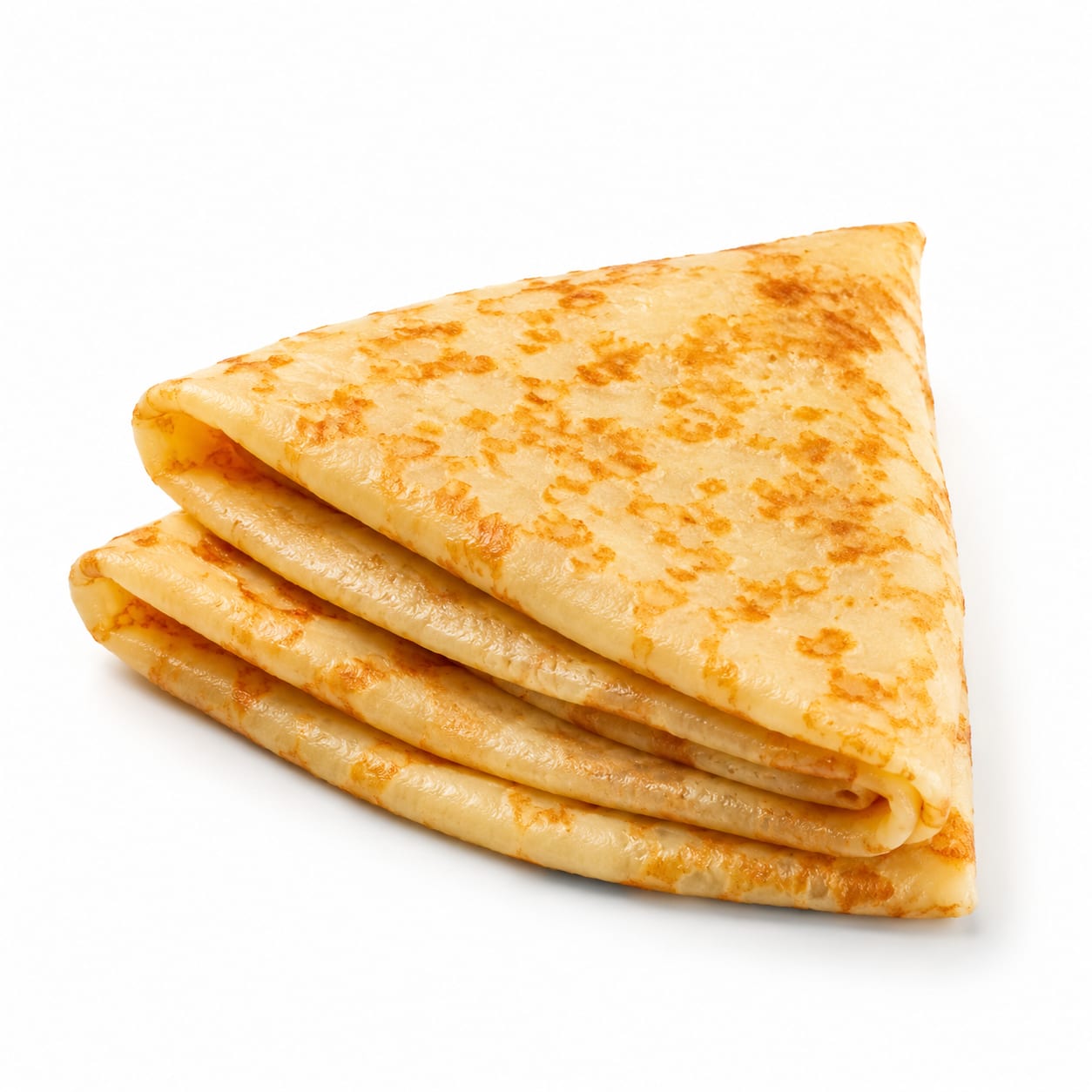
Crepe

Blintz
Crepes are lighter and more versatile; blintzes are more filling and protein-rich but heavier.
Crepes score slightly higher due to lower calorie density and greater versatility, but blintzes earn points for protein content and satiety. Neither is a health food — both are refined-carb indulgences with different tradeoffs.
You choose between the lighter flexibility of a crepe or the satisfying protein punch of a cheese-filled blintz — but the blintz costs you more calories and fat.
At a glance
Executive summary
Overall
It depends
Healthier
It depends
More practical
Crepe
Daily use
Crepe
Key comparison lenses
calorie and fat comparison for weight management
Blintzes are filled and pan-fried twice, making them significantly more calorie-dense than plain crepes
protein and satiety differences
Cheese filling in blintzes adds substantial protein, changing how filling each option feels
versatility for different meals
Crepes work for any meal while blintzes are more specialized, affecting practical daily use
blood sugar impact
Both are refined-carb heavy but blintzes have more fat and protein to slow glucose absorption
cooking effort and convenience
Blintzes require filling and a second frying step, making them more labor-intensive
Best choice for
Crepe
- Light breakfast or dessert eaters
- People counting calories
- Those who want sweet and savory flexibility
- Anyone seeking a quicker cooking process
Blintz
- Those needing more protein and satiety
- People wanting a traditional hearty meal
- Anyone who finds plain crepes unsatisfying
- Cheese lovers seeking a comforting dish
Least suitable for
Crepe
- People who need high-protein meals
- Those who find carb-heavy foods unfilling
- Anyone wanting a self-contained meal without extra sides
Blintz
- Strict calorie counters
- People avoiding fried foods
- Those with dairy intolerance or sensitivity
Deep comparison
Dimension by dimension
Each lens scores both foods and breaks down who each option suits.
- Dimension 1 · Priority 92Crepe
Calorie Density and Weight Management
Crepe · 65Blintz · 40A plain crepe runs roughly 100-130 calories, while a cheese-filled blintz can hit 250-350 calories per piece due to filling and second frying.
Tradeoff
Crepes let you control calories more easily, but you may need to eat more to feel full.
Why it matters
If you eat two of each, the calorie gap becomes dramatic — 260 vs 600+ calories in a single sitting.
Real-world impact
Someone watching portions can enjoy two crepes with fruit for the same calories as one blintz.
Crepe
- Calorie-conscious eaters
- Those who prefer smaller, lighter meals
- People who like controlling portions
Better for
- Anyone who needs a meal to actually hold them for hours
Worse for
Blintz
- People who prefer one hearty item over multiple small ones
- Those who find low-calorie meals unsatisfying
Better for
- Consistent weight loss efforts
- People prone to overeating rich foods
Worse for
- Dimension 2 · Priority 88Blintz
Protein and Satiety
Crepe · 30Blintz · 70Blintzes pack 10-15g of protein per piece from cheese filling, while a plain crepe delivers only 4-5g from eggs and flour.
Tradeoff
The blintz fills you up longer but the extra fat from pan-frying comes along for the ride.
Why it matters
Protein is what turns a snack into a meal. A blintz can actually function as a standalone breakfast; a crepe rarely can.
Real-world impact
After a crepe breakfast you might be hungry again by 10am. A blintz could easily carry you to lunch.
Crepe
- Light snackers who eat frequently
Better for
- People trying to reduce snacking between meals
Worse for
Blintz
- Anyone needing lasting fullness
- Older adults who need protein with every meal
- Active people who want recovery-friendly food
Better for
- Those avoiding high-fat dairy
Worse for
- Dimension 3 · Priority 75Blintz
Blood Sugar Stability
Crepe · 35Blintz · 55Both start with refined flour, but blintzes have more fat and protein to slow digestion and blunt the glucose spike.
Tradeoff
Neither is ideal for blood sugar, but the blintz's cheese filling acts as a natural brake on the carb rush.
Why it matters
A plain crepe with jam is essentially a sugar bomb. A blintz at least slows the absorption.
Real-world impact
You are less likely to get that shaky, cranky feeling two hours after a blintz compared to a sweet crepe.
Crepe
- Those who pair crepes with protein-rich sides
Better for
- Diabetics eating crepes with sweet fillings alone
Worse for
Blintz
- People with mild blood sugar concerns
- Anyone prone to afternoon energy crashes
Better for
- Anyone assuming the cheese makes it blood-sugar-friendly — it still has plenty of carbs
Worse for
- Dimension 4 · Priority 80Crepe
Versatility and Meal Flexibility
Crepe · 90Blintz · 45Crepes work for breakfast, lunch, dinner, or dessert with endless fillings. Blintzes are locked into their cheese-filled identity.
Tradeoff
Crepes adapt to any craving; blintzes do one thing but do it very well.
Why it matters
If you want one batter that handles savory ham and cheese at dinner then Nutella at dessert, crepes win easily.
Real-world impact
A household that makes crepe batter on Sunday can eat differently all week. Blintzes are more of a one-off tradition.
Crepe
- Meal preppers who want flexible bases
- Families with varied tastes
- Anyone who eats both sweet and savory
Better for
- People who find too many choices overwhelming
Worse for
Blintz
- Those who love traditional recipes and repetition
Better for
- Anyone wanting variety without learning new recipes
Worse for
- Dimension 5 · Priority 72Crepe
Fat Content and Cooking Method
Crepe · 60Blintz · 35Crepes are cooked once in a thin buttered pan. Blintzes get cooked, filled, then pan-fried again in butter or oil.
Tradeoff
That second frying gives blintzes their golden crisp but doubles the added fat.
Why it matters
The difference between 5g and 15g of fat per piece adds up quickly across a meal.
Real-world impact
Two blintzes can deliver nearly a full day's worth of saturated fat for someone on a restricted diet.
Crepe
- Heart-conscious eaters
- Those watching saturated fat
- People who prefer lighter cooking methods
Better for
- People who find low-fat meals unsatisfying
Worse for
Blintz
- Anyone prioritizing flavor and texture over fat content
Better for
- People with high cholesterol
- Anyone following a low-fat diet
Worse for
Timeline
Health impact over time
Short-term
Hours to days
Crepe
- Quick energy from refined carbs, but may fade fast
- Light feeling in the stomach — easy to overeat without noticing
- Minimal digestive discomfort unless lactose-sensitive from milk in batter
Blintz
- Longer-lasting fullness from protein and fat
- Heavier feeling that can cause sluggishness if you eat too many
- Potential bloating from high dairy content in sensitive individuals
Long-term
Months to years
Crepe
- Frequent consumption without protein pairing may promote blood sugar instability
- Easy to accumulate excess sugar if sweet fillings are the default
- Relatively low nutritional density if eaten as a staple rather than occasional treat
Blintz
- Regular intake of high saturated fat from cheese and frying may impact heart health
- Better muscle maintenance for older adults due to consistent protein intake
- Calorie density makes overconsumption and gradual weight gain more likely
Risk profile
Safety & processing
Both are homemade-style foods with simple ingredient lists. The main concern is refined white flour, not additives. Store-bought versions of either can contain preservatives and emulsifiers, but traditional recipes are straightforward and additive-free.
Crepe
Undercooked egg in batter
lowCrepes cook quickly and thin, so eggs generally cook through. Slightly undercooked centers are rare but possible.
Dairy spoilage in batter
mediumMilk-based batter left at room temperature for extended periods can breed bacteria. Refrigerate batter if not cooking immediately.
Blintz
Cheese filling temperature abuse
mediumCheese filling that sits out too long before the second frying can enter the danger zone. Keep filled blintzes refrigerated until cooking.
Insufficient reheating of filling
lowThe second fry must heat the cheese through. Cold centers are unappetizing but rarely dangerous with pasteurized cheese.
Who wins for whom
Audience fit
Same foods, different winners depending on your goal.
children
CrepeKids love the thin, customizable format. Blintzes can feel heavy and the double-fried texture is less appealing to picky eaters.
daily consumption
CrepeLighter and more adaptable to different meals and fillings, making it easier to fit into varied daily eating without fatigue.
diabetes
It dependsNeither is great, but blintzes slow carb absorption better. Crepes can work if paired with protein-rich sides instead of sweet fillings.
elderly
BlintzHigher protein and softer texture after frying make blintzes easier to eat and more nutritionally useful for maintaining muscle.
muscle gain
BlintzThe cheese filling adds meaningful protein that supports muscle repair, though neither is ideal for this goal.
weight loss
CrepeLower calorie density gives you more volume per calorie, making it easier to stay within limits.
Your move
Decision guide
Choose Crepe
- You want a lighter meal that does not weigh you down
- You enjoy switching between sweet and savory fillings
- You are watching calories or fat intake
- You prefer quicker cooking with fewer steps
- You want something that pairs well with fresh fruit and a side salad
Choose Blintz
- You need a meal that actually keeps you full for hours
- You love the comforting combination of crispy exterior and creamy cheese
- You are less concerned about calories and more about satisfaction
- You want a traditional dish that feels like a complete meal on its own
- You struggle with getting enough protein at breakfast
Either works if
- You are comfortable with refined carbs as an occasional treat
- You enjoy cooking and experimenting in the kitchen
- You want something more interesting than toast or cereal for brunch
Avoid both if
- You are strictly limiting refined carbohydrates
- You have celiac disease or gluten sensitivity and cannot use alternative flours
- You are following a low-fat or low-cholesterol diet strictly
- You are trying to minimize dairy consumption
Final recommendation
For most everyday situations, crepes give you more control and flexibility. Save blintzes for when you specifically want that rich, comforting, cheese-filled experience — they are a satisfying indulgence, not a daily staple. If you choose crepes, add a protein side to avoid the carb crash. If you choose blintzes, pair with fresh vegetables to balance the heaviness.
Practical
Consumer tips
- 1
Make crepe batter the night before — it actually improves with rest in the fridge
- 2
Use farmer's cheese or ricotta for blintzes — lower fat than cream cheese and more authentic
- 3
Swap half the white flour for whole wheat in either recipe to add fiber without ruining texture
- 4
If making blintzes, bake them instead of pan-frying the second time to cut fat significantly
- 5
Freeze extra crepes with parchment between them — they reheat beautifully for quick weekday meals
- 6
Add a smear of Greek yogurt inside a crepe instead of whipped cream for a protein boost