
Nutrition comparison
Crepe vs French Toast: Which Breakfast Is Actually Better for You?
Compare crepes and French Toast on calories, blood sugar impact, protein, and versatility. Find out which brunch favorite fits your health goals better.
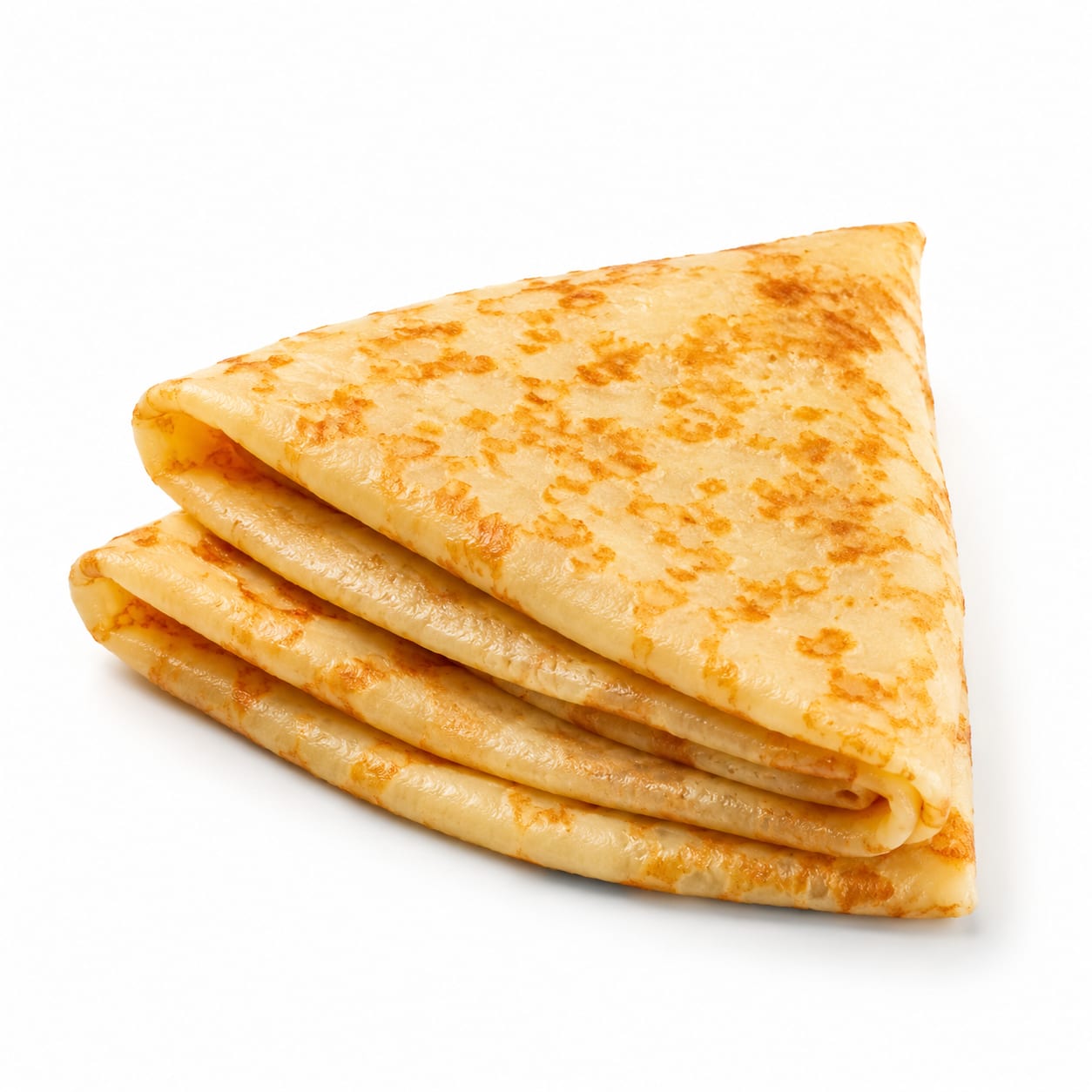
Crepe
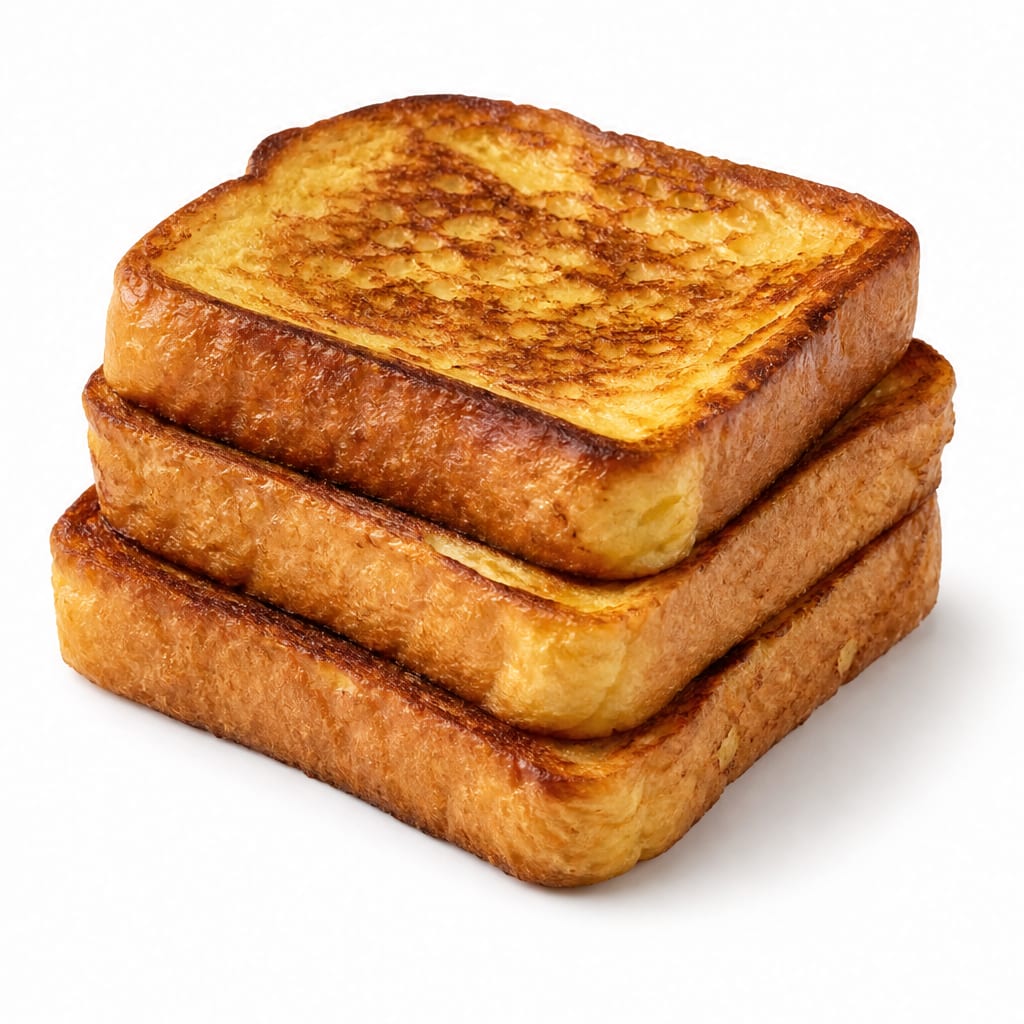
French Toast
Crepes are lighter and more versatile, while French Toast is more filling and protein-rich per serving. Your pick depends on whether you value flexibility or satisfaction more.
Crepes score slightly higher due to lower calorie density, better portion control, and savory versatility. French Toast loses ground on blood sugar impact and lower flexibility, but wins on protein and satiety.
Crepes give you portion control and savory options; French Toast gives you more protein and a heartier meal that keeps you fuller longer.
At a glance
Executive summary
Overall
It depends
Healthier
Crepe
More practical
French Toast
Daily use
Crepe
Key comparison lenses
Which breakfast indulgence is lighter and easier on blood sugar?
Both are carb-heavy brunch staples, so users want to know which one won't leave them sluggish an hour later
Which fits better into a weight-conscious lifestyle?
Both feel like treats, so understanding calorie density and portion control matters for frequent enjoyment
Which is more versatile beyond sweet breakfasts?
Crepes can go savory while French toast is almost exclusively sweet, changing their practical value
Which has better protein and satiety per serving?
Egg content differs significantly between these two, affecting how full you stay
Best choice for
Crepe
- People who want a lighter breakfast that won't weigh them down
- Anyone who enjoys savory fillings like spinach, cheese, or ham
- Those tracking calories who still want a satisfying brunch experience
- Meal preppers who want a versatile wrap-style base
French Toast
- Athletes needing more protein and carbs after morning training
- People who want a single hearty plate that keeps them full until lunch
- Families wanting an easy weekend breakfast with minimal technique
- Anyone who finds light breakfasts unsatisfying
Least suitable for
Crepe
- People who need a high-protein breakfast to stay full
- Anyone short on time — crepes require patience and technique
- Those prone to overeating when food feels too light
French Toast
- People managing blood sugar — the bread base spikes glucose fast
- Anyone counting calories strictly — portions add up quickly
- Those avoiding refined carbs or gluten
Deep comparison
Dimension by dimension
Each lens scores both foods and breaks down who each option suits.
- Dimension 1 · Priority 90Crepe
Calorie Density and Portion Control
Crepe · 72French Toast · 48A single crepe runs roughly 90-130 calories before fillings, while a standard French Toast serving starts at 200-300 calories.
Tradeoff
Crepes feel lighter per piece, but it's easy to eat several. French Toast is self-limiting — one or two slices and you're done.
Why it matters
If you're watching intake, crepes give you more control. You can stop at one. French Toast portions are harder to moderate.
Real-world impact
A two-crepe breakfast with fruit feels like a reasonable indulgence. Two slices of French Toast with syrup and butter can quietly hit 500+ calories.
Crepe
- Calorie counters who want flexibility
- People who prefer grazing over a heavy meal
Better for
- Anyone who doesn't stop at two crepes
- People who load up on Nutella and whipped cream
Worse for
French Toast
- Those who eat one plate and stop
- People who prefer a single satisfying serving
Better for
- Strict calorie trackers
- People who underestimate portion sizes
Worse for
- Dimension 2 · Priority 88Crepe
Blood Sugar Stability
Crepe · 58French Toast · 42Both spike blood sugar, but French Toast hits harder because the bread base is essentially pre-processed carbs soaked in sugar-heavy egg mix.
Tradeoff
Crepes have a thinner carb layer, giving a slightly gentler glucose rise. French Toast with syrup is a blood sugar rollercoaster.
Why it matters
That mid-morning crash after brunch? French Toast is a prime suspect. Crepes with savory fillings avoid this entirely.
Real-world impact
After French Toast with maple syrup, you may feel energized for 30 minutes then sluggish by 10am. A savory crepe avoids that crash.
Crepe
- People with insulin resistance
- Anyone prone to afternoon energy dips
- Those who go savory instead of sweet
Better for
- Sweet crepe lovers who add syrup and sugar
Worse for
French Toast
- Athletes who need quick carbs post-workout
- Anyone about to do physical activity
Better for
- People with prediabetes or diabetes
- Anyone sensitive to carb crashes
Worse for
- Dimension 3 · Priority 82French Toast
Protein and Satiety
Crepe · 45French Toast · 68French Toast absorbs more egg per serving than a single crepe, giving it a protein edge that keeps you fuller longer.
Tradeoff
French Toast fills you up but at the cost of heavier carbs. Crepes are lighter but you'll be hungry again sooner unless you add protein-rich fillings.
Why it matters
A breakfast that doesn't hold you until lunch leads to snacking. French Toast buys you more time.
Real-world impact
Two slices of French Toast can keep you satisfied for 3-4 hours. A single sweet crepe might only last 1-2 hours without added protein.
Crepe
- Anyone adding eggs, cheese, or ham as savory fillings
- People who eat small frequent meals
Better for
- Sweet-only crepe eaters getting minimal protein
- People who find light breakfasts unsatisfying
Worse for
French Toast
- People who skip snacks between meals
- Those needing sustained energy through the morning
Better for
- Anyone who feels sluggish after heavy carb meals
Worse for
- Dimension 4 · Priority 85Crepe
Versatility and Meal Flexibility
Crepe · 90French Toast · 35Crepes work for breakfast, lunch, dinner, and dessert. French Toast is locked into sweet breakfast territory.
Tradeoff
Crepes are a culinary Swiss army knife. French Toast does one thing well but barely branches out.
Why it matters
A food you can eat multiple ways is easier to justify making often. Crepes can be a weekly staple, not just a weekend treat.
Real-world impact
Leftover crepes become lunch wraps or dinner bases. Leftover French Toast is just... leftover French Toast.
Crepe
- Meal preppers who want one base for multiple meals
- Anyone who enjoys savory breakfasts
- Cooks who like experimenting with fillings
Better for
- People who only ever eat them sweet with sugar
Worse for
French Toast
- People who only eat it as a weekend breakfast anyway
- Those who prefer simple, no-decision meals
Better for
- Anyone wanting lunch or dinner options
- People who get bored eating the same thing
Worse for
- Dimension 5 · Priority 70French Toast
Convenience and Skill Required
Crepe · 40French Toast · 75French Toast is nearly foolproof — dip bread, cook, done. Crepes require technique, a good pan, and patience.
Tradeoff
French Toast is beginner-friendly and fast. Crepes take practice and the first one always fails.
Why it matters
If cooking feels like a chore, French Toast wins. If you enjoy the process, crepes are more rewarding.
Real-world impact
French Toast is a realistic Tuesday morning option. Crepes are more of a weekend project or special occasion.
Crepe
- Experienced home cooks who enjoy the process
- People making a batch to refrigerate for the week
Better for
- Impatient cooks
- People who hate doing dishes — crepes need a good nonstick pan
Worse for
French Toast
- Busy parents needing quick results
- Beginner cooks wanting something impressive but easy
- Anyone cooking while half-awake
Better for
- Anyone who finds it too sweet or heavy for regular rotation
Worse for
Timeline
Health impact over time
Short-term
Hours to days
Crepe
- Lighter stomach feel after eating, especially with savory fillings
- Less likely to cause immediate post-meal drowsiness
- Hunger returns faster if eaten sweet without protein additions
French Toast
- Stronger feeling of fullness right after eating
- Higher likelihood of a blood sugar spike and crash within 1-2 hours, especially with syrup
- Can feel heavy or sluggish if portions are large
Long-term
Months to years
Crepe
- Better for weight management when filled with lean proteins and vegetables
- Lower refined carb exposure if used as a savory wrap rather than dessert
- Still a processed flour base, so regular consumption without whole grains adds up
French Toast
- Frequent consumption with syrup and butter increases risk of elevated triglycerides
- Higher refined carb load may contribute to insulin resistance over time
- The egg content provides consistent choline and B-vitamin intake
Risk profile
Safety & processing
Both are homemade from basic pantry ingredients — flour, eggs, milk, butter. Neither is ultra-processed when made from scratch. The main concern is the refined flour base both share, not additives.
Crepe
Undercooked egg in center
mediumThick crepe batter can leave slightly undercooked spots if cooked too fast, though the thin style usually cooks through quickly
Cross-contamination from fillings
lowSavory fillings like raw cheese or deli meats added after cooking can introduce bacteria if not handled properly
French Toast
Undercooked egg mixture in bread center
mediumThick bread slices may not cook through fully, leaving raw egg in the center — especially with challah or brioche
Syrup and topping contamination
lowLeftover syrup or fruit toppings kept at room temperature too long can grow mold or bacteria
Who wins for whom
Audience fit
Same foods, different winners depending on your goal.
children
French ToastFrench Toast is sweeter, easier to eat, and feels like a fun treat — most kids prefer it over the more delicate texture of crepes
daily consumption
CrepeVersatility keeps crepes interesting day to day — wrap eggs one morning, lean ham and spinach the next. French Toast gets old faster as a daily option.
diabetes
CrepeThinner carb layer and savory filling options give crepes a gentler impact on blood sugar, though neither is ideal for frequent consumption
elderly
CrepeCrepes are softer and easier to chew, and savory versions can deliver protein and vegetables in a gentle format for sensitive digestion
muscle gain
French ToastMore egg absorption per serving means slightly more protein, and the higher carb load supports glycogen replenishment after training
weight loss
CrepeLower calorie density per piece and the option to fill with vegetables and lean protein makes crepes easier to fit into a calorie deficit
Your move
Decision guide
Choose Crepe
- You want a lighter breakfast that won't leave you in a food coma
- You enjoy savory flavors or want a meal that works beyond morning hours
- You're watching calories but still want something that feels special
- You like having leftovers that transform into lunch or dinner
Choose French Toast
- You need a hearty meal that keeps you full through a busy morning
- You're feeding kids who want something sweet and simple
- You're short on time and want something impressive with zero technique
- You just finished a workout and need carbs and protein fast
Either works if
- You're treating yourself to a weekend brunch and neither is a daily habit
- You plan to add fruit and skip the heavy syrup regardless of which you pick
- You're cooking for a group and want to offer both options
Avoid both if
- You're managing diabetes and need low-glycemic breakfasts — both are refined carb bombs
- You're gluten-free and not using alternative flours
- You're trying to eliminate processed grains from your routine entirely
Final recommendation
For most people, crepes are the smarter default — lighter, more versatile, and easier to fit into a balanced diet, especially when filled with protein and vegetables. Save French Toast for weekends when you want something hearty and nostalgic. Neither should be a daily staple unless you're using whole grain flour and going easy on the sugar.
Practical
Consumer tips
- 1
Swap to whole wheat or buckwheat flour for crepes to add fiber and slow the blood sugar rise
- 2
Use thick-cut sturdy bread for French Toast to maximize egg absorption and protein content
- 3
Skip the maple syrup on either — fresh fruit and a dusting of cinnamon deliver sweetness without the crash
- 4
Make a batch of crepes on Sunday and refrigerate — they reheat beautifully and work as quick wraps all week
- 5
For French Toast, use challah or brioche for flavor but be aware it doubles the calorie density compared to regular bread
- 6
Add Greek yogurt or cottage cheese as a crepe filling to boost protein without heavy calories