
Nutrition comparison
Crepe vs Flour Tortilla: Which Is Healthier for Everyday Meals?
Compare crepes and flour tortillas on sodium, processing, convenience, and nutrition. Find out which wrapper fits your health goals and lifestyle better.
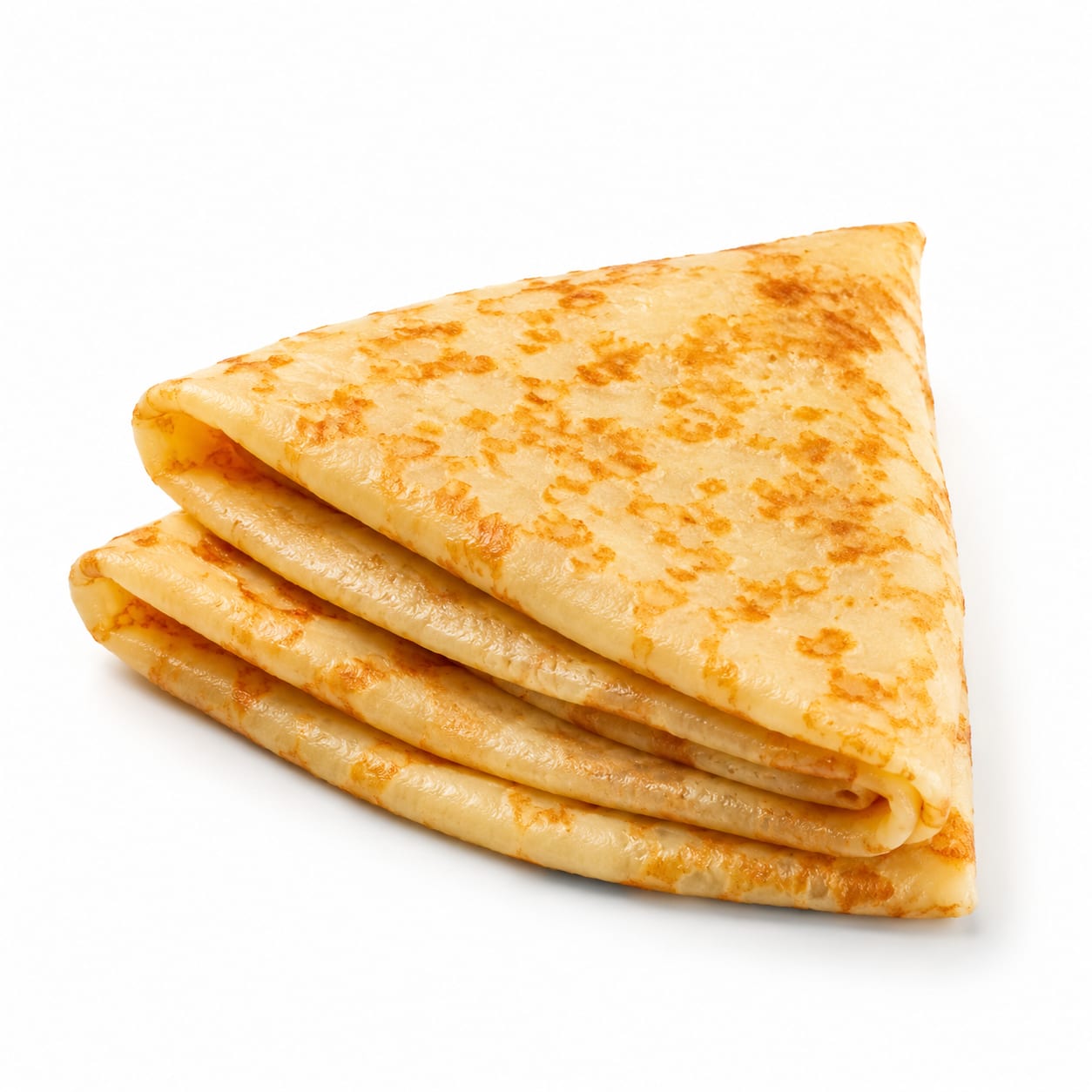
Crepe
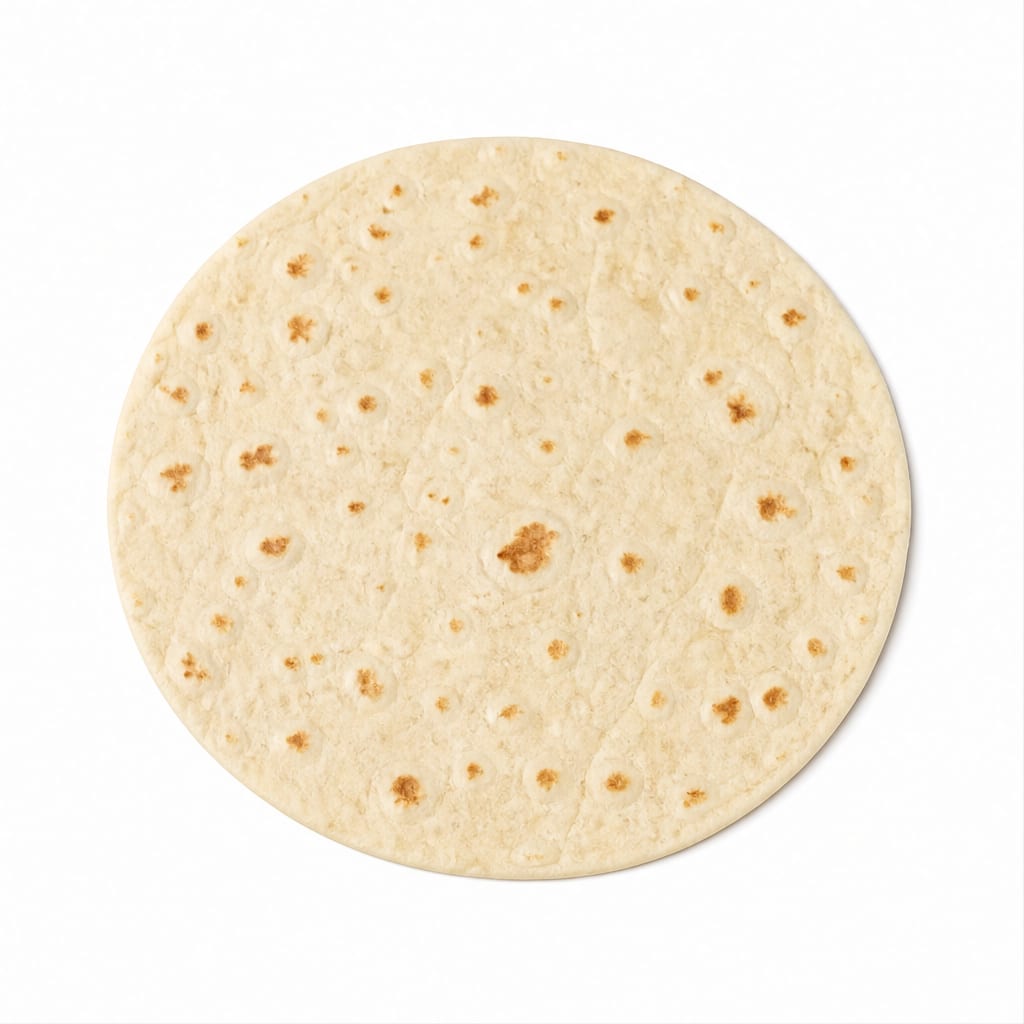
Flour Tortilla
Crepes win on freshness and lower sodium, while flour tortillas win on convenience and heartier meal-building. Your choice depends on what you value more: cleaner ingredients or everyday practicality.
Crepes score higher due to lower sodium, fewer additives, and fresher ingredient profiles. Flour tortillas lose points on processing and sodium but remain practical and affordable. Neither is a nutritional powerhouse.
Crepes offer a cleaner, lower-sodium base but require more effort; flour tortillas are ready-made and sturdy but carry more sodium and preservatives.
At a glance
Executive summary
Overall
It depends
Healthier
Crepe
More practical
Flour Tortilla
Daily use
It depends
Key comparison lenses
Everyday meal base selection
Both foods serve as versatile wrappers or meal foundations, so users are likely deciding which to use regularly
Sodium and blood pressure awareness
Flour tortillas are notoriously high in sodium while crepes are relatively low, a critical health differentiator
Processing and additive concerns
Store-bought flour tortillas often contain preservatives and dough conditioners, while crepes are typically made fresh
Weight management and calorie control
Both are carb-forward foods but differ significantly in calorie density and portion behavior
Blood sugar stability
Refined flour bases in both foods raise glycemic concerns, but portion sizes and accompaniments differ
Best choice for
Crepe
- Low-sodium diets
- Minimizing processed food intake
- Sweet breakfast preparations
- Lighter, elegant meals
- People who enjoy cooking
Flour Tortilla
- Quick weeknight dinners
- Meal prep and batch cooking
- Hearty savory wraps and burritos
- On-the-go lunches
- Budget-conscious households
Least suitable for
Crepe
- Busy mornings with no prep time
- High-protein meal building
- People avoiding eggs or dairy
- Large-batch meal prep
Flour Tortilla
- Low-sodium diets
- Clean-eating protocols
- People sensitive to preservatives
- Those watching calorie density closely
Deep comparison
Dimension by dimension
Each lens scores both foods and breaks down who each option suits.
- Dimension 1 · Priority 92Crepe
Sodium Load
Crepe · 82Flour Tortilla · 28Crepes contain roughly 70-100mg sodium per serving, while flour tortillas often pack 300-500mg each.
Tradeoff
Choosing flour tortillas can consume 20-35% of your daily sodium allowance in a single wrap, before adding fillings.
Why it matters
High sodium intake is a leading driver of hypertension and bloating, and most people already exceed daily limits.
Real-world impact
Two flour tortilla wraps at lunch could hit half your daily sodium. Crepes keep you well under that threshold.
Crepe
- Blood pressure management
- Reducing water retention
- Heart-healthy eating patterns
Better for
Flour Tortilla
- Hypertension risk
- Post-meal bloating
- Daily sodium budget
Worse for
- Dimension 2 · Priority 85Crepe
Processing and Additives
Crepe · 75Flour Tortilla · 38Crepes are typically made from scratch with simple ingredients. Store-bought flour tortillas often contain preservatives, dough conditioners, and emulsifiers.
Tradeoff
That tortilla convenience comes with ingredients like calcium propionate, mono- and diglycerides, and hydrogenated oils in many brands.
Why it matters
Regular consumption of food additives and preservatives may disrupt gut health and increase inflammatory load over time.
Real-world impact
Reading a flour tortilla ingredient list can feel like a chemistry quiz. A crepe ingredient list is usually flour, eggs, milk, and butter.
Crepe
- Clean-eating goals
- Gut health awareness
- Avoiding ultra-processed foods
Better for
Flour Tortilla
- Additive exposure
- Gut microbiome disruption
- Unclear long-term preservative effects
Worse for
- Dimension 3 · Priority 88Flour Tortilla
Convenience and Practicality
Crepe · 35Flour Tortilla · 90Flour tortillas are shelf-stable, ready in seconds, and sturdy enough for heavy fillings. Crepes require cooking and are more delicate.
Tradeoff
Making crepes from scratch takes 15-20 minutes and some skill. Flour tortillas are always ready in your fridge or pantry.
Why it matters
The best healthy food is the one you actually use. Convenience often determines what reaches your plate on busy days.
Real-world impact
After a long workday, grabbing a tortilla for a quick wrap beats mixing batter and flipping crepes every time.
Crepe
- Time-pressed schedules
- Last-minute meals
Worse for
Flour Tortilla
- Weeknight dinners
- Meal prep efficiency
- Packing lunches quickly
- Beginner cooks
Better for
- Dimension 4 · Priority 75It depends
Blood Sugar Stability
Crepe · 52Flour Tortilla · 45Both are refined-flour bases that spike blood sugar. Crepes have slightly less carbohydrate per serving, but flour tortillas often contain more fiber in whole-wheat versions.
Tradeoff
Neither food is ideal for blood sugar on its own. The real difference comes from what you pair them with.
Why it matters
Refined flour wraps without protein or fiber accompaniments lead to energy crashes and cravings within hours.
Real-world impact
A plain flour tortilla or crepe alone will cause a quicker blood sugar rise than a whole-grain alternative. Always add protein and healthy fats.
Crepe
- Smaller carb portions per serving
- Pairing with eggs and cheese for balance
Better for
- Sweet fillings amplifying sugar spikes
Worse for
Flour Tortilla
- Whole-wheat options adding fiber
- Heartier fillings that slow digestion
Better for
- Larger carb loads per serving
- High-glycemic refined flour base
Worse for
- Dimension 5 · Priority 72Flour Tortilla
Satiety and Fullness
Crepe · 45Flour Tortilla · 65Flour tortillas are denser and more filling per piece. Crepes are light and delicate, which can leave you wanting more sooner.
Tradeoff
A single flour tortilla feels like a meal. A single crepe often feels like a starter or snack.
Why it matters
Foods that leave you satisfied reduce snacking and overeating later in the day.
Real-world impact
One burrito-sized flour tortilla can carry a full meal's worth of filling. A crepe often needs sides or multiple servings to match that fullness.
Crepe
- Needing multiple servings to feel satisfied
- Faster return of hunger
Worse for
Flour Tortilla
- Staying full longer
- Reducing between-meal snacking
- Post-workout meals
Better for
- Dimension 6 · Priority 70Crepe
Versatility
Crepe · 82Flour Tortilla · 70Crepes work beautifully for both sweet and savory applications. Flour tortillas are firmly in savory territory.
Tradeoff
Crepes can be breakfast, dessert, or dinner. Flour tortillas are excellent for savory wraps but feel out of place with sweet fillings.
Why it matters
A more versatile base reduces food waste and adds variety to your weekly rotation without buying extra items.
Real-world impact
Sunday morning Nutella crepes and Tuesday night chicken crepes use the same base. Tortillas rarely cross that sweet-savory line.
Crepe
- Sweet and savory flexibility
- Dessert applications
- Elegant presentation
Better for
Flour Tortilla
- Hearty savory meals
- Burritos and quesadillas
Better for
- Limited to savory use cases
Worse for
Timeline
Health impact over time
Short-term
Hours to days
Crepe
- Lighter post-meal feeling due to lower calorie and sodium density
- Possible quicker hunger return unless paired with protein-rich fillings
- Less bloating compared to flour tortillas
Flour Tortilla
- More immediate fullness from denser carbohydrate load
- Possible bloating from higher sodium content
- Blood sugar rise that may cause energy dip within 2-3 hours if eaten alone
Long-term
Months to years
Crepe
- Lower cumulative sodium exposure supports healthier blood pressure trends
- Fewer additive exposures when made from scratch
- Refined flour base still contributes to glycemic load if consumed frequently without fiber-rich sides
Flour Tortilla
- Regular high sodium intake from daily tortilla consumption may increase hypertension risk
- Preservative and additive exposure from commercial brands may affect gut health over time
- Convenience may lead to more frequent consumption, increasing refined carb load
Risk profile
Safety & processing
Crepes made at home contain recognizable, whole ingredients with no preservatives needed. Store-bought flour tortillas typically include preservatives like calcium propionate, dough conditioners, and sometimes partially hydrogenated oils. The gap narrows if you make tortillas from scratch, but most consumers buy them pre-made.
Crepe
Raw egg handling
lowCrepes use raw eggs in batter. Proper refrigeration and cooking eliminate most risk, but immune-compromised individuals should be cautious.
Dairy spoilage
lowMilk and butter in crepe batter can spoil if left unrefrigerated. Fresh batter should be used within 24 hours.
Flour Tortilla
Preservative sensitivity
mediumCalcium propionate and other preservatives in commercial flour tortillas can cause headaches or digestive upset in sensitive individuals.
Trans fat residue
mediumSome brands still use partially hydrogenated oils. Always check labels, as even small amounts of trans fats are harmful.
Mold after opening
lowFlour tortillas are moisture-rich and can develop mold quickly once opened. Consume within a few days of opening the package.
Who wins for whom
Audience fit
Same foods, different winners depending on your goal.
children
CrepeCrepes are lower in sodium, free of preservatives when homemade, and kids love them with simple fruit fillings. A cleaner ingredient list matters more for developing bodies.
daily consumption
It dependsFlour tortillas win on convenience for daily use, but crepes win on health quality. If you can batch-make and freeze crepes, they become a viable daily option with better nutrition.
diabetes
It dependsNeither is ideal alone. Crepes offer slightly fewer carbs per serving, but whole-wheat flour tortillas provide more fiber. The deciding factor is what you fill them with and portion size.
elderly
CrepeLower sodium is critical for older adults managing blood pressure. Crepes are also softer and easier to chew for those with dental concerns.
muscle gain
Flour TortillaFlour tortillas provide more carbohydrates per serving, useful for fueling workouts, and their sturdiness accommodates high-protein fillings like chicken, beans, and cheese more easily.
weight loss
CrepeCrepes are lighter per serving with fewer calories and less sodium, making portion control easier. However, sweet fillings can negate this advantage quickly.
Your move
Decision guide
Choose Crepe
- You want to minimize sodium and processed ingredients
- You enjoy cooking and have time to prepare fresh batter
- You want a wrapper that works for both sweet and savory meals
- You are managing blood pressure or following a clean-eating approach
- You prefer lighter meals that do not leave you feeling heavy
Choose Flour Tortilla
- Convenience and speed are your top priorities
- You need a sturdy base for hearty, protein-loaded wraps
- You are meal prepping for the week and need shelf-stable options
- You are cooking for a family that expects burritos and quesadillas
- Budget is a concern, as flour tortillas are very affordable per serving
Either works if
- You are building a balanced meal with plenty of protein, fiber, and vegetables as fillings
- You occasionally want a wrap-style meal and will not eat either daily
- You have access to whole-wheat or clean-ingredient tortilla brands
Avoid both if
- You are strictly limiting refined carbohydrates
- You have celiac disease or gluten sensitivity and no gluten-free alternatives are available
- You are following a keto or very low-carb eating plan
Final recommendation
If health is your priority and you can spare 15 minutes, make crepes. They deliver a cleaner, lower-sodium base with real ingredients. If your life demands speed and simplicity, choose flour tortillas but read labels carefully. Look for brands with short ingredient lists, no hydrogenated oils, and lower sodium. Either way, what you put inside matters far more than the wrapper itself.
Practical
Consumer tips
- 1
Batch-make crepes and freeze them with parchment paper between layers. They reheat in seconds and become just as convenient as tortillas.
- 2
When buying flour tortillas, choose brands with fewer than 300mg sodium per tortilla and no partially hydrogenated oils.
- 3
Whole-wheat flour tortillas are a meaningful upgrade, adding 2-3g fiber per serving and improving blood sugar response.
- 4
Fill either wrapper with lean protein, beans, avocado, and vegetables to turn a carb-heavy base into a balanced meal.
- 5
Avoid sweet crepe fillings like Nutella and whipped cream for everyday use. Fresh fruit and a light drizzle of honey are far better regular choices.
- 6
Check flour tortilla packages for calcium propionate if you are sensitive to preservatives. Some brands now offer preservative-free refrigerated options.