
Nutrition comparison
Crepe vs Waffle: Which is Healthier for Breakfast?
Compare crepes and waffles on calories, sugar impact, and versatility. Find out which breakfast is better for weight loss and daily energy.
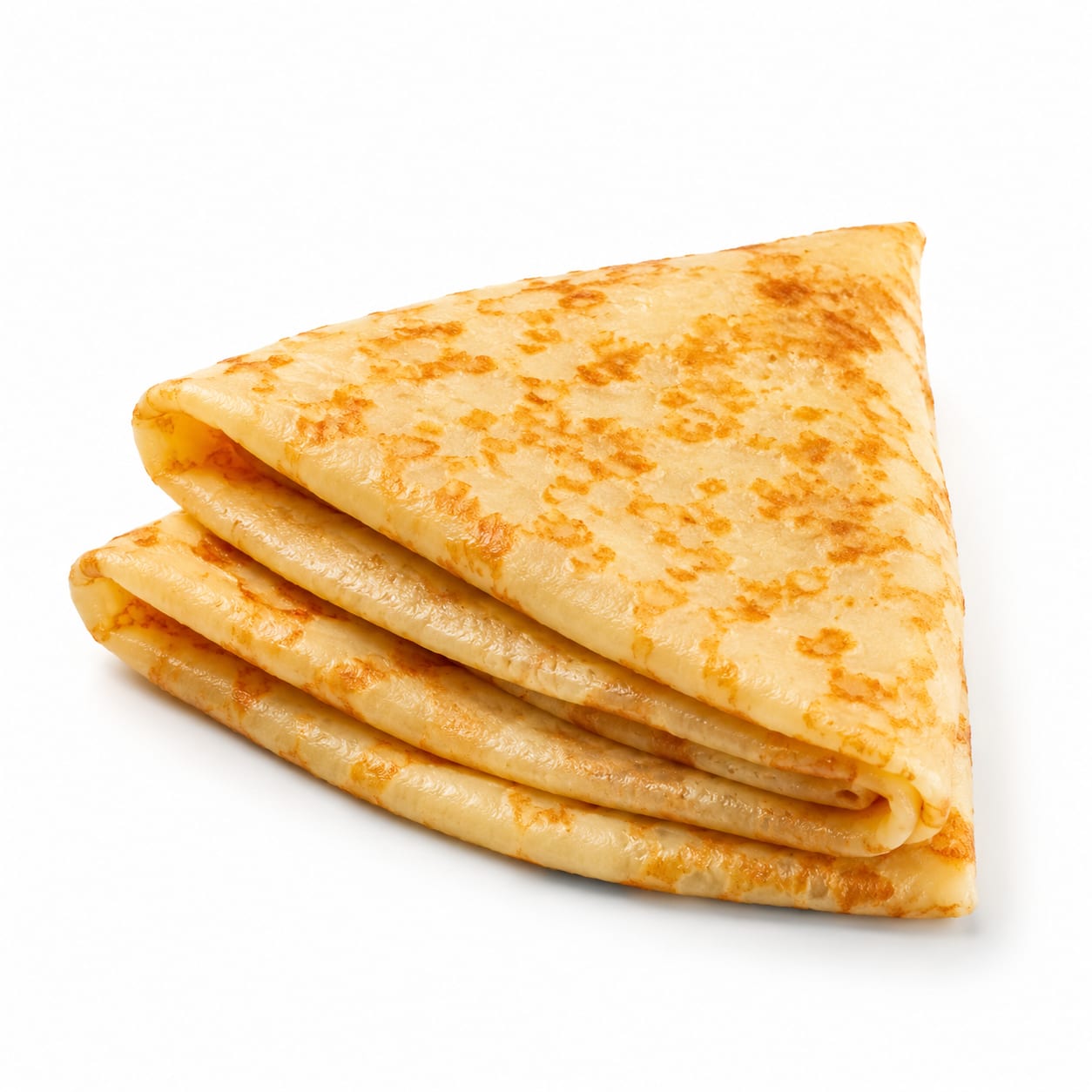
Crepe

Waffle
Crepes offer a lighter, more versatile canvas for both sweet and savory meals, while waffles deliver a denser, crispier, and more indulgent breakfast experience.
Crepes score higher due to lower calorie density and superior versatility for savory, lower-sugar meals. Waffles lose points because their structure naturally encourages heavy syrup and butter consumption, making them a heavier, less everyday-friendly choice.
Lightness and portion control versus dense texture and comforting satisfaction.
At a glance
Executive summary
Overall
It depends
Healthier
Crepe
More practical
Waffle
Daily use
Crepe
Key comparison lenses
Calorie density and weight management
Crepes use significantly less batter than waffles, making them a lighter base that is easier to fit into a calorie-controlled diet.
Topping trap and blood sugar impact
Waffle pockets act as reservoirs for butter and syrup, drastically increasing sugar intake, whereas crepe fillings can be more easily portioned.
Meal versatility
Crepes seamlessly transition between sweet breakfasts and savory dinners, while waffles are largely confined to sweet morning meals.
Satiety and texture satisfaction
Waffles offer a dense, crispy bite that feels more indulgent and filling, while crepes are soft and delicate.
Best choice for
Crepe
- People tracking calories
- Those who prefer savory breakfasts or light dinners
- Anyone wanting a less heavy start to the day
Waffle
- Weekend brunch indulgers
- Those needing a hearty, filling meal before physical activity
- People who love crispy textures and syrup pockets
Least suitable for
Crepe
- Those wanting a dense, heavy meal to stay full for hours
- People who dislike delicate, soft textures
Waffle
- People strictly limiting refined carbs and sugar
- Those who want a light, low-calorie breakfast base
Deep comparison
Dimension by dimension
Each lens scores both foods and breaks down who each option suits.
- Dimension 1 · Priority 90Crepe
Calorie Density & Weight Management
Crepe · 80Waffle · 55Crepes use a thin layer of batter, yielding a much lighter base than the thick, dense waffle.
Tradeoff
You get fewer calories per serving with crepes, but less of that comforting, doughy bite.
Why it matters
A lighter base means you have more room for nutritious fillings without blowing past your daily calorie budget.
Real-world impact
Eating a crepe feels like a light meal; eating a waffle feels like a heavy brunch that might slow you down afterward.
Crepe
- Calorie counters
- Lighter breakfast seekers
Better for
- People who feel hungry again an hour after a light meal
Worse for
Waffle
- Those needing high-calorie fuel for active days
Better for
- Anyone trying to maintain a calorie deficit
Worse for
- Dimension 2 · Priority 85Crepe
Blood Sugar & Topping Trap
Crepe · 70Waffle · 45Waffle pockets pool butter and syrup, driving up sugar intake rapidly. Crepes allow for more controlled, spread-out fillings.
Tradeoff
Crepes give you more control over sugar, but a waffle offers that classic syrup-soaked bite many crave.
Why it matters
The way a food holds toppings can drastically change its glycemic impact, turning a neutral carb into a sugar bomb.
Real-world impact
A syrup-loaded waffle can cause a morning energy crash, while a crepe with moderate filling provides steadier energy.
Crepe
- People managing blood sugar
- Those trying to reduce added sugar
Better for
- Those who load crepes with Nutella and heavy sugar
Worse for
Waffle
- Traditionalists who prioritize the classic syrupy experience
Better for
- Anyone prone to afternoon energy crashes from morning sugar spikes
Worse for
- Dimension 3 · Priority 80Crepe
Versatility (Sweet & Savory)
Crepe · 95Waffle · 30Crepes easily shift from a sweet breakfast to a savory dinner, while waffles are almost exclusively a sweet morning treat.
Tradeoff
Crepes adapt to any meal, but they lack the specialized breakfast nostalgia of a waffle.
Why it matters
A food that works for multiple meals is easier to fit into varied weekly meal prep and dining out.
Real-world impact
You can enjoy a ham and cheese crepe for dinner without it feeling weird, but a savory waffle is a tough sell for most.
Crepe
- Meal preppers
- People who eat breakfast for dinner
Better for
- People who only want a traditional American breakfast
Worse for
Waffle
- Those strictly wanting a classic sweet breakfast
Better for
- Anyone looking for a savory meal option
Worse for
- Dimension 4 · Priority 75Waffle
Satiety & Fullness
Crepe · 50Waffle · 80Waffles are denser and more filling in the short term, keeping you fuller longer if you need sustained energy.
Tradeoff
You stay fuller with a waffle, but that fullness comes with a heavier, potentially sluggish feeling.
Why it matters
Choosing the right level of satiety helps match your meal to your activity level for the next few hours.
Real-world impact
A waffle can carry you through a busy morning without a snack, while a crepe might leave you reaching for food by 10 AM.
Crepe
- Those who prefer eating smaller, more frequent meals
Better for
- Those who hate feeling hungry mid-morning
Worse for
Waffle
- Active individuals needing lasting fuel
- Big breakfast lovers
Better for
- People who feel uncomfortably stuffed after heavy meals
Worse for
- Dimension 5 · Priority 65Waffle
Convenience & Preparation
Crepe · 55Waffle · 85Waffle irons are practically foolproof. Crepes require a smooth batter, thin pouring, and careful flipping.
Tradeoff
Waffles are easier to cook perfectly, but crepes offer a more refined, delicate result if you have the skill.
Why it matters
If a food is frustrating to make, you are less likely to cook it at home, opting for less healthy restaurant versions instead.
Real-world impact
You can dump waffle batter in an iron and walk away; crepes demand your full attention at the stove.
Crepe
- Home cooks who enjoy the cooking process
Better for
- Impatient cooks
- People who hate flipping delicate foods
Worse for
Waffle
- Busy parents
- Minimal-effort morning cooks
Better for
- Those who enjoy an interactive, hands-on cooking experience
Worse for
Timeline
Health impact over time
Short-term
Hours to days
Crepe
- Provides a light, non-sluggish feeling after eating
- Easier to keep blood sugar stable if filled with protein and healthy fats
Waffle
- Offers a dense, comforting feeling of fullness
- Higher risk of a sugar crash if drenched in syrup
Long-term
Months to years
Crepe
- Easier to maintain a healthy weight due to lower calorie base
- Greater dietary variety possible through savory fillings
Waffle
- Frequent consumption with syrup may contribute to sugar dependency
- Heavier calorie load can quietly contribute to weight gain if not accounted for
Risk profile
Safety & processing
Both crepes and waffles rely on refined flour as a base, making them processed foods. However, homemade versions of both can easily be upgraded to whole wheat or gluten-free flours with minimal loss of texture.
Crepe
Undercooked batter
mediumBecause crepes cook quickly and are thin, raw flour can sometimes remain if cooked on too-low heat, posing a minor food safety risk.
Waffle
Undercooked center
mediumIf too much batter is poured into the iron, the inside of a waffle can remain raw and doughy.
Who wins for whom
Audience fit
Same foods, different winners depending on your goal.
children
WaffleKids love the fun texture, crispy edges, and syrup pockets of waffles, making them an easier sell for picky eaters.
daily consumption
CrepeThe ability to make crepes savory or sweet makes them a more flexible daily option without relying on sugar.
diabetes
CrepeCrepes allow for savory, low-sugar fillings, avoiding the syrup trap that makes waffles a blood sugar hazard.
elderly
CrepeCrepes are softer, easier to chew, and lighter on digestion compared to dense, crispy waffles.
muscle gain
It dependsNeither is a strong protein source on its own. Crepes can wrap high-protein fillings like eggs and ham, but waffles can be paired with protein sides. It depends entirely on the toppings.
weight loss
CrepeCrepes use less batter and can be filled with lean proteins and veggies, keeping calories far lower than a butter-and-syrup waffle.
Your move
Decision guide
Choose Crepe
- You want a lighter meal that will not weigh you down
- You prefer savory flavors like spinach, cheese, or ham
- You are watching your calorie or sugar intake
Choose Waffle
- You crave a hearty, crispy, and comforting weekend breakfast
- You need a dense meal to fuel a physically active morning
- You love the classic combination of syrup and butter
Either works if
- You are using whole-grain flour to boost the fiber content
- You are adding a high-quality protein side like Greek yogurt or eggs
Avoid both if
- You are strictly limiting refined carbohydrates
- You are highly sensitive to blood sugar spikes from flour-based foods
Final recommendation
Choose crepes for a versatile, lighter meal that works any time of day, especially if you want to control calories and sugar. Opt for waffles when you want a dense, comforting weekend treat and have room for the extra calories.
Practical
Consumer tips
- 1
Swap all-purpose flour for oat or whole-wheat flour in either batter to add fiber and slow down sugar absorption.
- 2
Fill crepes with scrambled eggs and avocado instead of jam to turn them into a balanced, high-protein meal.
- 3
If making waffles, try topping with fresh berries and a drizzle of nut butter instead of drowning them in syrup.
- 4
Let crepe batter rest for 30 minutes before cooking to prevent tearing and ensure a tender texture.