
Nutrition comparison
Crepe vs Pancake: Which Is Healthier for Breakfast?
Compare crepes and pancakes on calories, blood sugar impact, satiety, and versatility. Find out which breakfast choice fits your health goals and lifestyle.
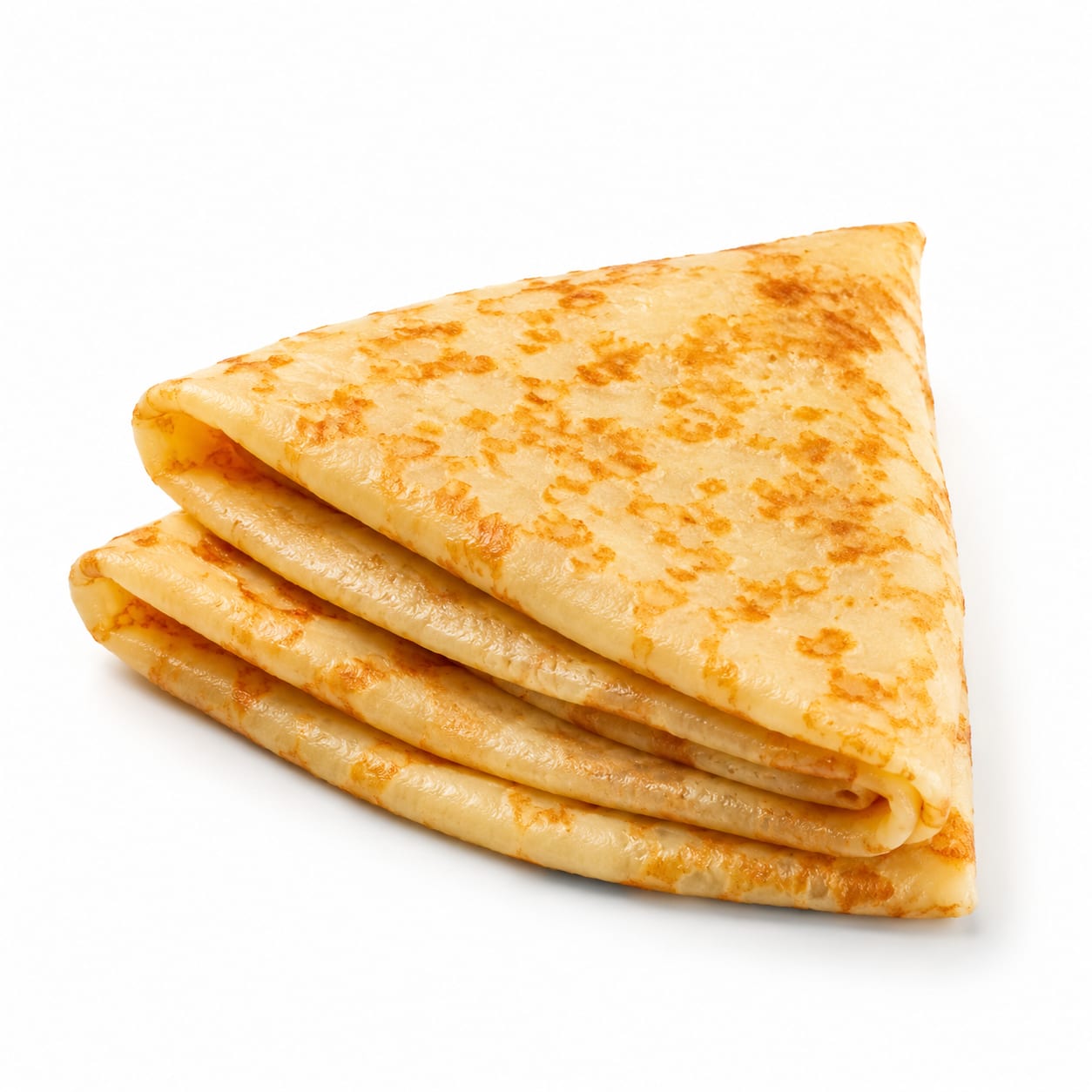
Crepe
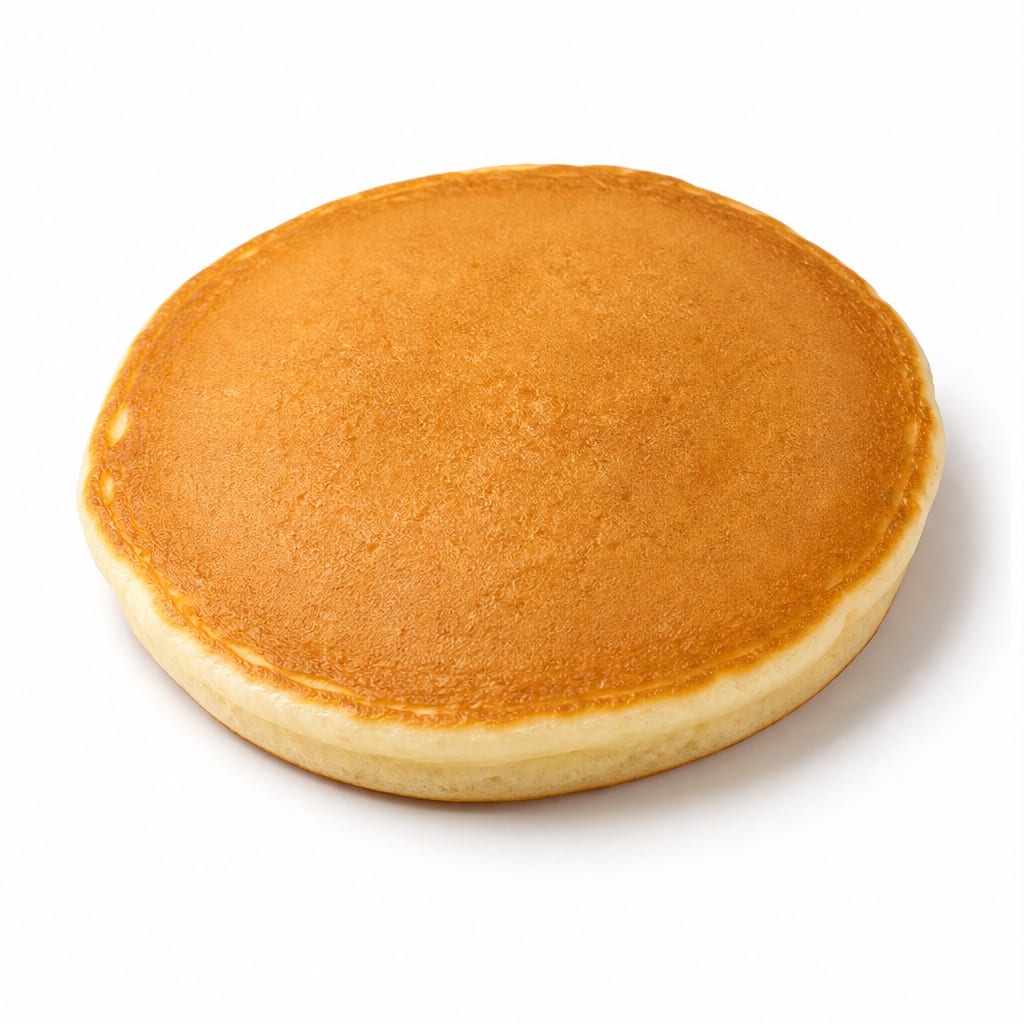
Pancake
Crepes are lighter and more versatile, but pancakes are more filling and familiar. Neither is a health food on its own.
Crepes edge ahead slightly due to lower calorie density and savory versatility, but both are refined-carb vehicles that depend heavily on what you put on them. The small gap reflects that neither is inherently healthier — the real difference is in how you use them.
Crepes give you more control over fillings and portions, while pancakes deliver more satiety per serving but often come with sugar-heavy toppings
At a glance
Executive summary
Overall
It depends
Healthier
It depends
More practical
Pancake
Daily use
It depends
Key comparison lenses
Which is lighter or lower in calories for breakfast
Both are carb-heavy breakfast items, so calorie density and how heavy they feel are top concerns
Which causes less of a blood sugar spike
Refined flour bases make both risky for energy crashes, but batter composition differs enough to matter
Which is more versatile for different meals and diets
Crepes go savory easily while pancakes are almost exclusively sweet, changing their nutritional profile dramatically
Which is more filling and satisfying
Thickness and density affect how full you feel, which matters for weight management and snacking
Which is easier to make healthier at home
Both can be modified with whole grains or protein additions, but one adapts more easily
Best choice for
Crepe
- People who want a lighter breakfast without feeling sluggish
- Anyone eating savory meals like ham, cheese, or vegetable fillings
- Those who prefer smaller portions with more variety
- People managing calorie intake who want visual volume with less density
Pancake
- People who need a filling meal that holds them over until lunch
- Families wanting a quick, crowd-pleasing weekend breakfast
- Anyone who finds fluffy textures more satisfying than thin ones
- Post-workout eaters needing quick carbs with some protein
Least suitable for
Crepe
- People who need a dense, filling meal to avoid mid-morning hunger
- Anyone prone to overfilling with high-calorie ingredients like Nutella or cream
- Those who find thin foods unsatisfying or mentally unfilling
Pancake
- People watching blood sugar who also add syrup and butter
- Anyone trying to keep breakfast under 400 calories
- Those who dislike heavy or overly sweet morning meals
Deep comparison
Dimension by dimension
Each lens scores both foods and breaks down who each option suits.
- Dimension 1 · Priority 92Crepe
Calorie Density & Portion Control
Crepe · 68Pancake · 45A single crepe has noticeably fewer calories than a single pancake because the batter spreads thinner and contains less leavening bulk.
Tradeoff
Crepes are easier to overeat because they feel light — you might eat three or four without feeling full, matching or exceeding pancake calories
Why it matters
If you stop at one or two, crepes are the lighter choice. If you keep going until satisfied, the calorie advantage shrinks or disappears.
Real-world impact
Two crepes with a light filling might run 300-350 calories. Two medium pancakes with syrup can easily hit 450-550 calories.
Crepe
- Careful portion trackers who eat mindfully
- People who pair with protein-rich fillings to boost fullness
Better for
- Mindless eaters who graze until physically stuffed
Worse for
Pancake
- People who naturally stop after a set number of items regardless of size
Better for
- Anyone trying to keep breakfast under 350 calories
Worse for
- Dimension 2 · Priority 85It depends
Blood Sugar Stability
Crepe · 52Pancake · 48Both are refined-flour foods that spike blood sugar, but crepes have slightly more egg per bite, adding trace protein that softens the rise slightly.
Tradeoff
Pancakes are almost always paired with syrup, which makes the real-world blood sugar hit worse. Crepes can go savory, avoiding sugar entirely.
Why it matters
The topping choice matters more than the batter. A savory crepe with ham and cheese is far gentler on blood sugar than pancakes with maple syrup.
Real-world impact
Sweet crepes with jam and pancakes with syrup both cause energy crashes within 90 minutes. A savory crepe with eggs and spinach keeps energy steadier.
Crepe
- People willing to eat savory fillings instead of sweet ones
- Those who skip sugary toppings and use fresh fruit instead
Better for
- Anyone filling crepes with Nutella, sugar, or sweet cream
Worse for
Pancake
- People who add protein sides like eggs or sausage to balance the meal
Better for
- People who drench in syrup and eat nothing else
Worse for
- Dimension 3 · Priority 80Crepe
Versatility & Meal Flexibility
Crepe · 85Pancake · 40Crepes work for breakfast, lunch, dinner, and dessert. Pancakes are almost exclusively a sweet breakfast food.
Tradeoff
This versatility means crepes can be genuinely nutritious as a meal wrapper, but it also means they can be a dessert disguised as dinner.
Why it matters
Being able to wrap lean protein and vegetables in a crepe makes it a real meal. Pancakes rarely escape the sugar orbit.
Real-world impact
A spinach, mushroom, and feta crepe is a legitimate lunch. A pancake at lunch feels like a cheat meal.
Crepe
- People who want one base recipe for multiple meals
- Anyone eating savory breakfasts or light dinners
Better for
- Anyone who only eats sweet versions and ignores savory potential
Worse for
Pancake
- People who prefer clear breakfast boundaries and traditions
Better for
- People wanting meal variety beyond weekend breakfast
Worse for
- Dimension 4 · Priority 75Pancake
Satiety & Fullness
Crepe · 42Pancake · 65Pancakes feel more filling per piece because they are thicker, denser, and absorb more liquid. Crepes can feel insubstantial unless loaded with filling.
Tradeoff
Feeling full from pancakes often comes with a heavier, sleepier sensation. Crepes leave you lighter but hungrier sooner.
Why it matters
If you need to make it from 8am to noon without snacking, pancakes do a better job — but at the cost of feeling sluggish.
Real-world impact
Three pancakes keep most people full for 3-4 hours. Three crepes with light filling might only last 2 hours before hunger returns.
Crepe
- People who prefer eating lighter and snacking later
- Those who add dense fillings like cheese or nut butter to boost staying power
Better for
- Anyone prone to mid-morning cravings or energy dips
Worse for
Pancake
- People with long gaps between meals
- Active mornings that require sustained energy
Better for
- People who hate the post-breakfast food coma feeling
Worse for
- Dimension 5 · Priority 70Crepe
Nutritional Customization Potential
Crepe · 72Pancake · 55Crepes adapt better to whole-grain flours, alternative milks, and protein additions because the thin texture is more forgiving of ingredient swaps.
Tradeoff
Pancakes can also be made healthier, but texture changes are more noticeable — whole-wheat pancakes get dense and heavy, while whole-wheat crepes stay workable.
Why it matters
If you want to make a regular habit out of either, the one that tolerates healthy modifications without tasting bad wins long-term.
Real-world impact
Buckwheat crepes taste authentic and delicious. Buckwheat pancakes taste like punishment to most people.
Crepe
- Home cooks willing to experiment with healthier flours
- People who want to sneak in protein powder or collagen without ruining texture
Better for
- Anyone who only eats restaurant crepes made with white flour
Worse for
Pancake
- People who stick to traditional recipes and don't modify
Better for
- People trying to improve nutrition without sacrificing enjoyment
Worse for
Timeline
Health impact over time
Short-term
Hours to days
Crepe
- Lighter initial feeling with less post-meal sluggishness if kept savory
- Faster return of hunger within 1-2 hours if eaten plain or sweet
- Quicker energy spike and drop when filled with sugar or jam
Pancake
- More immediate fullness that can last 3-4 hours
- Heavier sensation that may reduce morning alertness
- Stronger blood sugar spike when combined with syrup, leading to a crash around mid-morning
Long-term
Months to years
Crepe
- Better weight management potential if savory fillings are the default
- Lower cumulative sugar exposure when used as a meal base rather than dessert
- Risk of nutrient-poor meals if sweet crepes become the norm
Pancake
- Higher risk of habitual sugar consumption from syrup pairing
- More consistent calorie surplus potential from dense portions and toppings
- Possible contribution to insulin resistance if eaten frequently with sweet toppings
Risk profile
Safety & processing
Both are made from simple, recognizable ingredients — flour, eggs, milk, butter. Homemade versions of either are equally natural. Store-bought mixes or restaurant versions may add preservatives, but the base recipes are minimally processed. The real concern is what goes on top, not what goes in the batter.
Crepe
Undercooked center with egg-based fillings
mediumSavory crepes with raw egg or cheese fillings that are only briefly warmed can harbor bacteria if not cooked thoroughly
Cross-contamination at crepe stands
lowStreet vendors using the same spatula for raw meat and cheese fillings can spread contaminants
Pancake
Batter sitting at room temperature
mediumPancake batter left out too long before cooking can grow bacteria, especially in warm kitchens
Raw flour exposure
lowTasting raw pancake batter carries a small risk from uncooked flour, which has been linked to E. coli outbreaks
Who wins for whom
Audience fit
Same foods, different winners depending on your goal.
children
PancakeKids generally prefer the fluffy texture and sweet flavor of pancakes, and they are easier for small hands to manage. Crepes require more coordination to eat
daily consumption
It dependsNeither should be a daily staple if made with refined flour, but savory crepes with whole-grain batter come closest to being a repeatable healthy option
diabetes
It dependsA savory crepe with no sugar is better for blood sugar, but a sweet crepe is just as problematic as pancakes with syrup. The topping determines the outcome entirely
elderly
CrepeCrepes are softer and easier to chew, and savory versions can deliver protein and vegetables in a format that is gentle on digestion
muscle gain
PancakePancakes provide more carbs per serving for glycogen replenishment and pair naturally with protein sides like eggs or sausage for a higher-calorie muscle-building meal
weight loss
CrepeCrepes offer more visual volume per calorie and can be filled with lean proteins and vegetables, making it easier to stay within a calorie budget
Your move
Decision guide
Choose Crepe
- You want a lighter meal that does not leave you sluggish
- You enjoy savory flavors or want a meal wrapper for proteins and vegetables
- You are tracking calories and prefer eating more volume with less density
- You are comfortable adding your own healthy fillings instead of relying on toppings
Choose Pancake
- You need a filling breakfast that holds you for hours
- You are feeding a family that expects traditional weekend breakfast
- You want something quick and forgiving to cook without technique
- You are eating after a workout and need fast carbs
Either works if
- You are making them from scratch with whole-grain flour and minimal sugar
- You treat them as an occasional weekend meal rather than a daily habit
- You pair them with protein and fiber to balance the refined carbs
Avoid both if
- You have diabetes or insulin resistance and plan to add sweet toppings
- You are on a strict low-carb or ketogenic diet
- You are trying to eliminate ultra-processed foods and cannot find whole-grain options
Final recommendation
Choose crepes if you want versatility and lighter meals, especially with savory fillings. Choose pancakes if you want something filling and comforting. In both cases, what you put on them matters far more than the batter itself — so skip the syrup, add protein, and use whole grains when you can.
Practical
Consumer tips
- 1
Swap half the flour for whole-wheat or buckwheat — crepes handle this much better than pancakes
- 2
Fill crepes with scrambled eggs, spinach, and a little cheese for a genuinely balanced meal
- 3
If eating pancakes, skip the syrup and top with Greek yogurt and berries instead
- 4
Make extra crepe batter and refrigerate — it lasts two days and makes weekday meals faster
- 5
Add a scoop of protein powder to either batter for a simple satiety upgrade without changing flavor much
- 6
Restaurant crepes and pancakes both underestimate calories by 30-50% — assume more than the menu says