
Nutrition comparison
Crepe vs Buckwheat Crepe: Which Is Healthier and When to Choose Each
Compare traditional crepes and buckwheat crepes on blood sugar, nutrition, gluten, taste, and satiety. Find out which one fits your health goals and when each makes more sense.
Overall winner · Buckwheat Crepe

Crepe
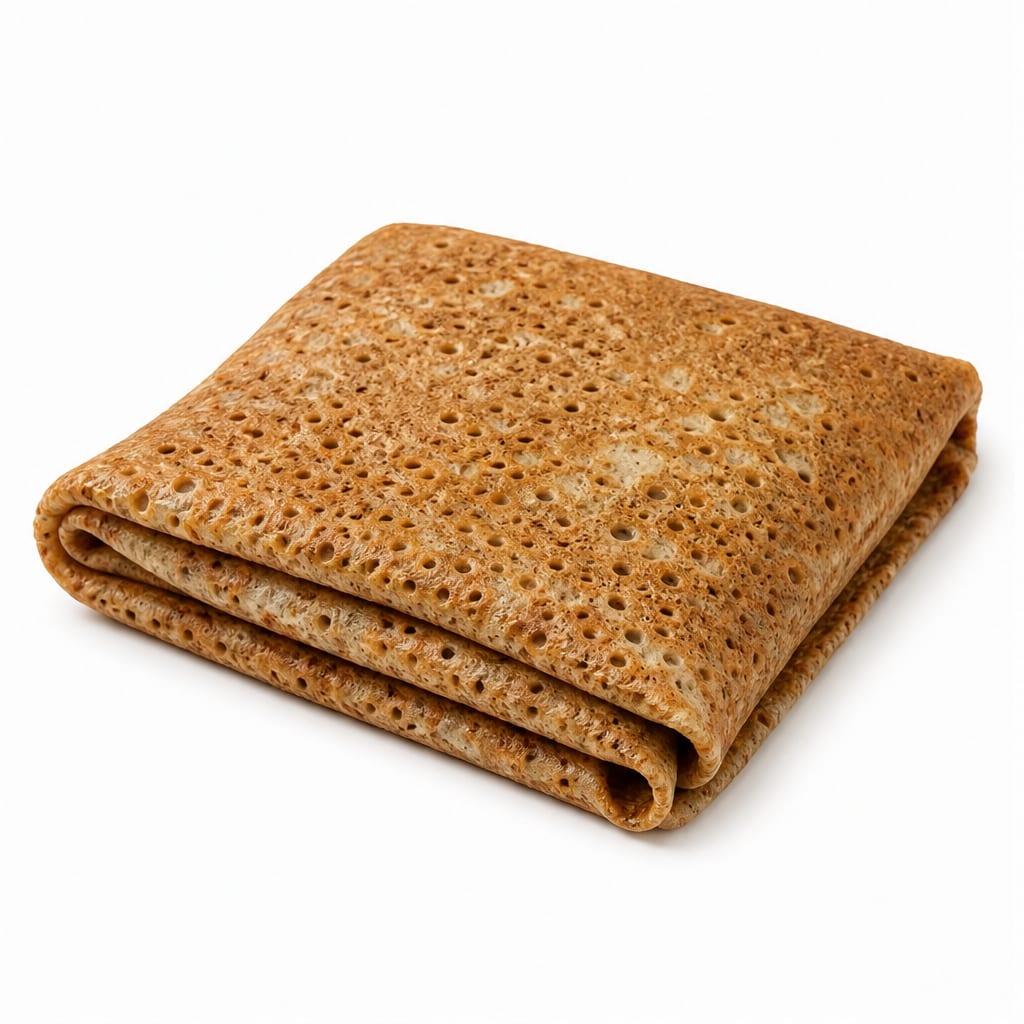
Buckwheat Crepe
Buckwheat crepes deliver steadier energy, more nutrients, and better satiety, while traditional crepes win on lightness and sweet versatility.
Buckwheat crepes score notably higher due to superior fiber, mineral content, blood sugar stability, and gluten-free suitability. Traditional crepes remain competitive for taste versatility and lighter texture but lose on most health dimensions.
You trade the delicate, neutral sweetness of a wheat crepe for the earthy, nuttier buckwheat version that keeps you full longer and spares your blood sugar.
At a glance
Executive summary
Overall
Buckwheat Crepe
Healthier
Buckwheat Crepe
More practical
It depends
Daily use
Buckwheat Crepe
Key comparison lenses
blood sugar and glycemic impact
Refined wheat flour versus whole-grain-like buckwheat creates a significant glycemic difference that affects energy and cravings
gluten sensitivity and digestive tolerance
Buckwheat is naturally gluten-free, making this a critical deciding factor for anyone with celiac or gluten sensitivity
nutrient density tradeoff
Buckwheat brings notably more minerals and fiber while traditional crepes offer lighter taste but emptier calories
culinary experience and satisfaction
Texture and flavor differ substantially, affecting whether someone will actually enjoy and sustain the healthier choice
weight management and satiety
Fiber and protein differences influence how full you feel and how soon you want to eat again
Best choice for
Crepe
- Sweet dessert crepes where delicate texture matters
- Picky eaters who find buckwheat too earthy
- Traditional French sweet crepe recipes
- Light brunches where you want a treat, not a meal
Buckwheat Crepe
- Savory meals that need a sturdy, flavorful base
- Anyone managing blood sugar or insulin resistance
- Gluten-sensitive or celiac individuals
- People wanting longer-lasting fullness from a single meal
Least suitable for
Crepe
- People with gluten intolerance or celiac disease
- Those managing diabetes or metabolic syndrome
- Anyone seeking sustained energy without crashes
Buckwheat Crepe
- Dessert-focused crepe recipes needing neutral flavor
- Children or adults who strongly dislike earthy tastes
- Traditional sweet crepe purists
Deep comparison
Dimension by dimension
Each lens scores both foods and breaks down who each option suits.
- Dimension 1 · Priority 92Buckwheat Crepe
blood sugar stability
Crepe · 35Buckwheat Crepe · 72Buckwheat crepes cause a slower, gentler blood sugar rise. Traditional crepes hit faster and drop harder.
Tradeoff
You give up the instant light-energy boost of refined flour for steadier, crash-free energy that lasts hours longer.
Why it matters
That post-crepe energy crash and mid-morning hunger pang? Less likely with buckwheat.
Real-world impact
After a buckwheat crepe, you are less likely to crave a snack at 11am. After a traditional crepe, that pastry case starts looking very appealing.
Crepe
- Quick pre-workout energy when you need fast carbs
Better for
- Anyone prone to afternoon energy crashes
- People monitoring fasting glucose
Worse for
Buckwheat Crepe
- Avoiding the shaky, irritable feeling two hours after eating
- Staying focused through a long morning meeting
- Managing prediabetes or insulin resistance
Better for
- Situations where you want light, quick-digesting fuel
Worse for
- Dimension 2 · Priority 85Buckwheat Crepe
nutrient density
Crepe · 30Buckwheat Crepe · 74Buckwheat brings magnesium, manganese, copper, and meaningful fiber. Traditional crepes are mostly refined carbs with modest protein from eggs and milk.
Tradeoff
A buckwheat crepe is closer to a real meal nutritionally. A traditional crepe is more like a delicious delivery vehicle for whatever you put inside.
Why it matters
Minerals like magnesium affect sleep quality, muscle recovery, and stress resilience. Most people do not get enough.
Real-world impact
One buckwheat crepe covers roughly 20% of your daily magnesium needs. A traditional crepe covers closer to 5%.
Crepe
- When the crepe itself is just a canvas and the fillings carry the nutrition
Better for
- Reliance on fillings to make the meal nutritionally complete
Worse for
Buckwheat Crepe
- Getting more from each calorie you eat
- Supporting better sleep and muscle function through minerals
- Reducing the need for supplements
Better for
- Slightly more bitter flavor can clash with delicate fillings
Worse for
- Dimension 3 · Priority 80Buckwheat Crepe
satiety and fullness
Crepe · 38Buckwheat Crepe · 73Buckwheat crepes keep you full significantly longer thanks to more fiber and protein in the batter itself.
Tradeoff
A traditional crepe feels lighter in the moment but leaves you hungry sooner. Buckwheat feels more like a real meal.
Why it matters
If you are hungry again 90 minutes after breakfast, that lightness stops feeling like an advantage.
Real-world impact
A buckwheat crepe with egg and cheese can easily carry you to lunch. A traditional crepe with the same filling often leaves you reaching for a snack by 11:30.
Crepe
- When you want a light bite, not a heavy meal
Better for
- People trying to reduce between-meal eating
Worse for
Buckwheat Crepe
- Breakfast that actually holds you until lunch
- Post-workout meals where sustained fullness matters
- Reducing total daily snacking
Better for
- When you want something light before a big dinner
Worse for
- Dimension 4 · Priority 88Buckwheat Crepe
digestive tolerance and gluten
Crepe · 40Buckwheat Crepe · 85Buckwheat is naturally gluten-free and often easier on sensitive digestion. Traditional crepes rely on wheat flour with gluten.
Tradeoff
If gluten bothers you, this is not even a contest. If it does not, the difference shrinks to personal comfort.
Why it matters
Roughly 6% of people have non-celiac gluten sensitivity and many more experience mild bloating they do not connect to wheat.
Real-world impact
Someone with IBS or gluten sensitivity can enjoy a buckwheat crepe without the bloated, sluggish aftermath that a wheat crepe would cause.
Crepe
- People with no digestive issues who prefer the familiar texture
Better for
- Celiac individuals — strictly off-limits
- People with wheat sensitivity or IBS triggers
Worse for
Buckwheat Crepe
- Anyone with celiac disease or gluten intolerance
- People with unexplained bloating after wheat meals
- Those exploring elimination diets
Better for
- Cross-contamination risk in kitchens that also handle wheat
Worse for
- Dimension 5 · Priority 75Crepe
taste and culinary versatility
Crepe · 82Buckwheat Crepe · 65Traditional crepes are lighter, sweeter, and more neutral, making them better for desserts. Buckwheat has an earthy, nutty flavor that shines in savory dishes but can fight sweet fillings.
Tradeoff
The healthier batter tastes distinctly different. If you want a Nutella crepe that tastes like childhood, buckwheat will not deliver.
Why it matters
The best nutrition plan is the one you actually enjoy. If buckwheat crepes taste like punishment, you will not keep eating them.
Real-world impact
For Saturday morning sweet crepes with the family, traditional wins. For a savory lunch with ham and cheese, buckwheat is genuinely more delicious.
Crepe
- Dessert crepes with fruit, chocolate, or cream
- Recipes where the crepe should be a neutral backdrop
- Kids who are sensitive to unfamiliar flavors
Better for
- Savory applications where the crepe tastes bland without heavy filling
Worse for
Buckwheat Crepe
- Savory galettes with ham, cheese, egg, and vegetables
- Meals where the crepe itself adds flavor, not just structure
- Anyone who enjoys earthy, rustic flavors
Better for
- Sweet recipes where the earthy flavor feels out of place
Worse for
- Dimension 6 · Priority 72Buckwheat Crepe
weight management
Crepe · 40Buckwheat Crepe · 70Buckwheat crepes support weight goals better through higher satiety per calorie and slower carbohydrate absorption.
Tradeoff
Calorie counts are similar, but buckwheat makes those calories work harder by keeping you satisfied longer.
Why it matters
Eating fewer calories only works if you do not feel miserable. Buckwheat helps you eat less by making each meal more filling.
Real-world impact
Two buckwheat crepes with vegetables and egg can replace three traditional crepes with the same fillings because you simply feel done sooner.
Crepe
- When calorie density is not a concern and you want to enjoy freely
Better for
- Easy to overeat because they digest quickly and leave you wanting more
Worse for
Buckwheat Crepe
- Sustainable weight loss without constant hunger
- Reducing the urge to snack between meals
- Building meals that feel substantial without overeating
Better for
- Slightly denser texture can feel heavy if you are used to lighter meals
Worse for
Timeline
Health impact over time
Short-term
Hours to days
Crepe
- Quick energy spike followed by a dip within 1-2 hours
- Possible bloating in gluten-sensitive individuals
- Light, satisfied feeling immediately after eating
Buckwheat Crepe
- Steady energy without the crash for 3-4 hours
- Comfortable digestion for most people including gluten-sensitive
- Heavier, more grounded fullness right after eating
Long-term
Months to years
Crepe
- Higher refined carb intake linked to increased metabolic risk if eaten frequently
- Potential for gradual blood sugar dysregulation with daily consumption
- Minimal contribution to mineral intake over time
Buckwheat Crepe
- Better magnesium and manganese intake supports bone and metabolic health
- Lower glycemic load reduces long-term diabetes risk
- Fiber contribution supports gut microbiome diversity over time
Risk profile
Safety & processing
Both are relatively simple foods made from flour, eggs, and liquid. The key difference is that buckwheat flour is a whole, minimally processed pseudocereal, while standard crepe flour is refined wheat with the bran and germ removed. Neither typically contains artificial additives when made from scratch.
Crepe
Gluten exposure for sensitive individuals
highContains wheat flour. Strictly unsafe for celiac disease and problematic for gluten-sensitive individuals.
Raw egg handling
lowCrepe batter contains raw eggs. Standard food safety practices apply, especially for vulnerable populations.
Buckwheat Crepe
Cross-contamination with wheat
mediumBuckwheat itself is gluten-free, but many commercial buckwheat crepe mixes and restaurant preparations share equipment with wheat. Celiac individuals must verify dedicated preparation.
Buckwheat allergy
lowRare but serious allergic reactions to buckwheat exist, more commonly reported in East Asian populations. Can cause anaphylaxis in sensitive individuals.
Who wins for whom
Audience fit
Same foods, different winners depending on your goal.
children
CrepeMilder flavor and softer texture make traditional crepes far more appealing to most kids. Buckwheat's earthy taste is a hard sell for young palates.
daily consumption
Buckwheat CrepeMore nutrients, better blood sugar control, and higher satiety make buckwheat crepes a smarter daily staple. Traditional crepes are better as an occasional treat.
diabetes
Buckwheat CrepeLower glycemic index and higher fiber slow glucose absorption, reducing post-meal blood sugar spikes significantly.
elderly
Buckwheat CrepeBetter mineral content supports bone density, and steadier blood sugar is especially important for older adults managing metabolic health.
muscle gain
It dependsNeither is a protein powerhouse. Traditional crepes with dairy offer slightly more complete protein, but the difference is minimal and both need protein-rich fillings to matter for muscle goals.
weight loss
Buckwheat CrepeHigher fiber and protein per calorie keep you fuller longer, making it easier to eat less overall without feeling deprived.
Your move
Decision guide
Choose Crepe
- You are making sweet dessert crepes and want that classic delicate texture
- You have no gluten issues and prioritize familiar, crowd-pleasing flavor
- You are cooking for kids who will reject anything that tastes different
- You want a light pre-workout snack that digests quickly
Choose Buckwheat Crepe
- You want a savory meal that keeps you full for hours
- You are sensitive to gluten or cook for someone who is
- You care about getting more minerals and fiber from everyday meals
- You want steadier energy without the mid-morning crash
- You enjoy rustic, nutty flavors and want the crepe itself to taste like something
Either works if
- You are eating crepes only occasionally as a treat
- Your fillings are the nutritional star and the crepe is just the wrapper
- You have no blood sugar concerns, gluten issues, or weight goals
Avoid both if
- You need a high-protein meal and are not adding protein-rich fillings
- You are strictly limiting carbohydrates for ketogenic eating
- You have egg allergies and cannot adapt the recipe
Final recommendation
Make buckwheat crepes your default for savory meals and daily eating. Keep traditional crepes for occasional sweet treats and special occasions. If you have never tried a savory buckwheat galette with ham, egg, and cheese, start there — it is where buckwheat genuinely outshines wheat, and the flavor difference becomes an advantage instead of a compromise.
Practical
Consumer tips
- 1
If going gluten-free with buckwheat crepes, always check that the flour or mix is certified gluten-free to avoid cross-contamination
- 2
Buckwheat crepe batter benefits from a longer rest time — 30 minutes to overnight in the fridge improves texture dramatically
- 3
For the best of both worlds, try a 50/50 blend of buckwheat and wheat flour — you get some earthy flavor with better flexibility
- 4
Traditional crepes freeze beautifully between sheets of parchment paper — make a batch and thaw as needed
- 5
If buckwheat tastes too bitter, try lightly toasting the flour in a dry pan before making batter — it mellows the flavor and adds warmth
- 6
Savory buckwheat crepes are traditionally called galettes in Brittany — searching for that term opens up authentic French recipes