
Nutrition comparison
Crepe vs Protein Pancake: Which Breakfast Is Better for You?
Compare Crepes and Protein Pancakes on protein, satiety, blood sugar, and taste. Find out which breakfast fits your goals and when to choose each.
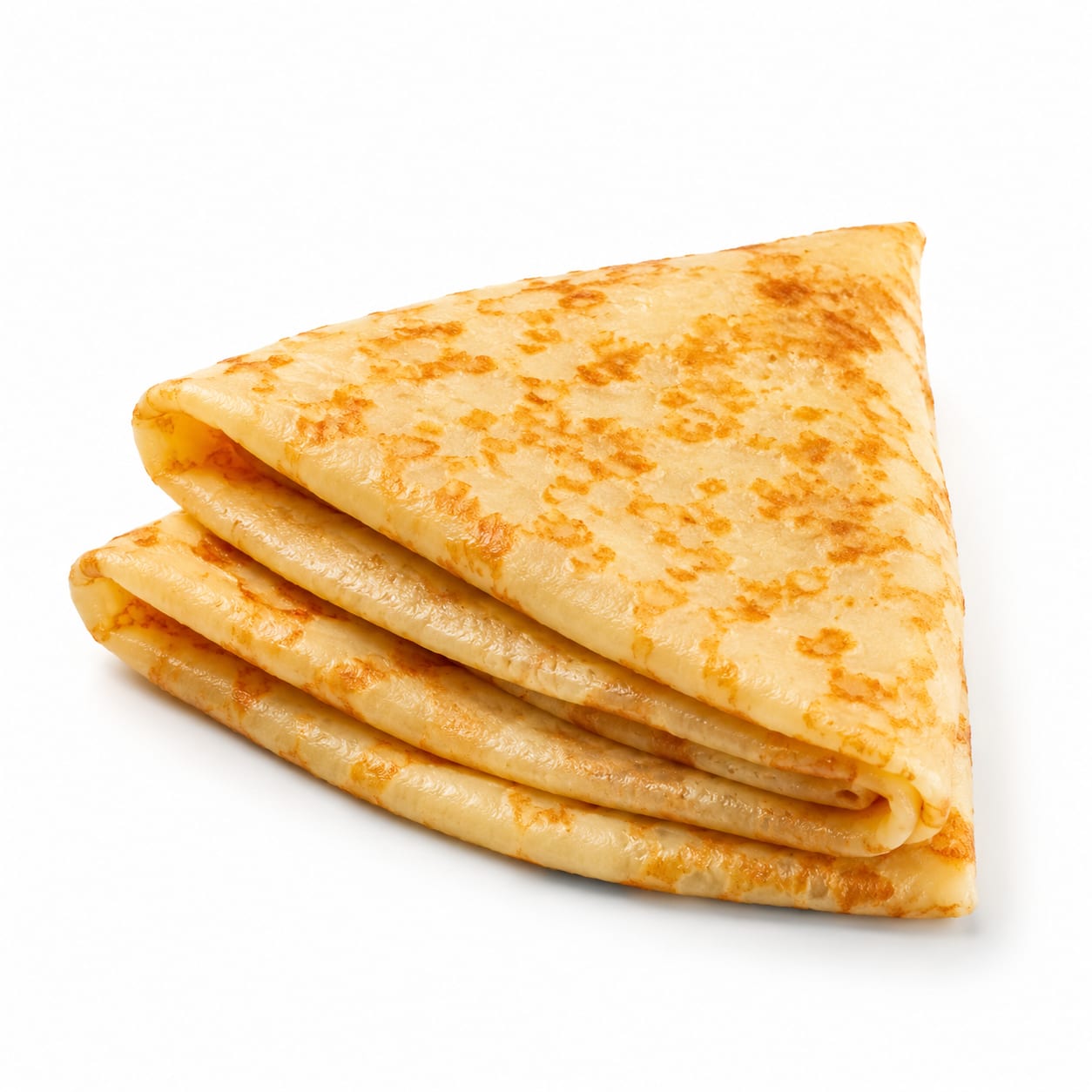
Crepe
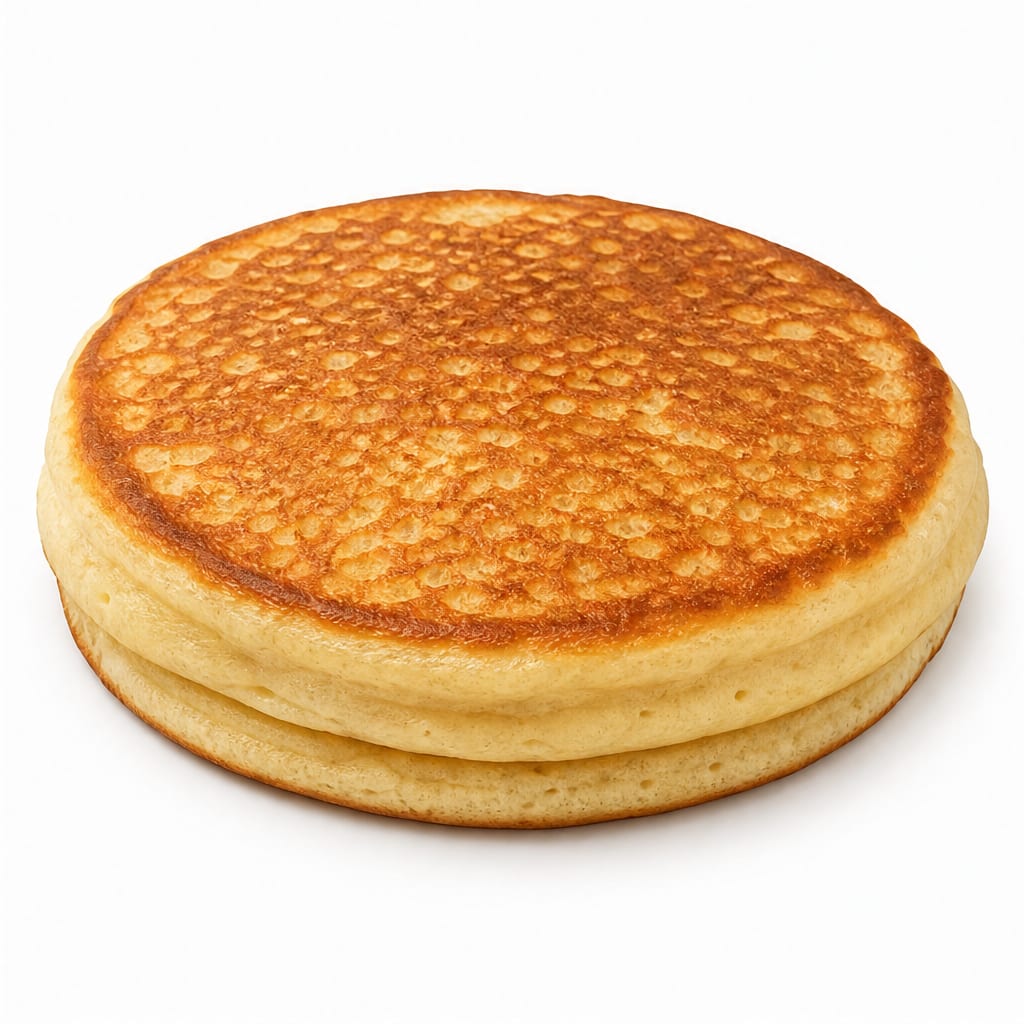
Protein Pancake
Crepes delight; Protein Pancakes deliver. One feeds your mood, the other fuels your goals.
Protein Pancakes score notably higher due to superior satiety, blood sugar stability, and protein content. Crepes remain competitive on enjoyment and ingredient simplicity but fall behind on functional nutrition.
Crepes offer a lighter, more enjoyable eating experience but leave you hungry sooner. Protein Pancakes keep you full for hours but sacrifice some taste and simplicity.
At a glance
Executive summary
Overall
It depends
Healthier
Protein Pancake
More practical
Protein Pancake
Daily use
Protein Pancake
Key comparison lenses
protein satiation comparison
The defining difference is protein content — Protein Pancakes deliver 3-5x more protein than Crepes, dramatically affecting fullness and muscle support
blood sugar stability
Crepes rely heavily on refined flour, causing quicker glucose spikes, while Protein Pancakes slow digestion with higher protein content
enjoyment vs functionality tradeoff
Crepes are a beloved comfort food; Protein Pancakes are a functional choice — users are often choosing between pleasure and purpose
processing and additives concern
Protein Pancakes often rely on protein isolates, gums, and sweeteners, while Crepes use simpler pantry ingredients
weight management support
Satiety differences make one far easier to stick with when managing calories
Best choice for
Crepe
- Weekend brunch indulgence
- Dessert-style breakfast with fruit and cream
- Light eaters who prefer smaller portions
- Anyone prioritizing culinary enjoyment over macros
Protein Pancake
- Post-workout breakfast refueling
- High-protein diet followers
- People who skip snacks and need one meal to last
- Anyone trying to reduce refined carb cravings
Least suitable for
Crepe
- People managing diabetes or insulin resistance
- Anyone needing sustained energy without crashes
- High-protein dieters
- Those prone to mid-morning hunger attacks
Protein Pancake
- People sensitive to protein isolates or gums
- Anyone seeking a light, delicate breakfast
- Purists avoiding processed ingredients
- Kids who find the texture or taste off-putting
Deep comparison
Dimension by dimension
Each lens scores both foods and breaks down who each option suits.
- Dimension 1 · Priority 95Protein Pancake
protein_and_satiety
Crepe · 25Protein Pancake · 90Protein Pancakes deliver 20-30g of protein per serving versus roughly 6-8g in a standard Crepe. That difference determines whether you feel full until lunch or reach for a snack by 10am.
Tradeoff
You gain lasting fullness with Protein Pancakes but lose the delicate, melt-in-your-mouth texture that makes Crepes special.
Why it matters
Protein is the single most satiating macronutrient. A low-protein breakfast practically guarantees earlier hunger and more cravings throughout the day.
Real-world impact
After a Crepe breakfast, you are likely hungry again within 2 hours. After Protein Pancakes, you can comfortably last 4-5 hours without thinking about food.
Crepe
- Light eaters who feel uncomfortable with heavy meals
Better for
- Anyone prone to mid-morning energy crashes
Worse for
Protein Pancake
- Anyone trying to eat fewer snacks between meals
- Athletes needing recovery protein
- People who skip lunch and need breakfast to last
Better for
- Those who feel sluggish after a heavy protein-rich meal
Worse for
- Dimension 2 · Priority 88Protein Pancake
blood_sugar_stability
Crepe · 30Protein Pancake · 75Crepes are built on refined flour and sugar, spiking blood glucose quickly. Protein Pancakes slow digestion with protein and often use lower-glycemic flours like oat or almond.
Tradeoff
Steadier energy comes at the cost of a less indulgent eating experience.
Why it matters
A blood sugar spike followed by a crash leads to fatigue, irritability, and cravings — exactly what you want to avoid at breakfast.
Real-world impact
After Crepes, you might feel a brief energy surge followed by an afternoon slump. Protein Pancakes give you a smoother, more even energy curve throughout the morning.
Crepe
- People with high metabolic flexibility who handle carbs well
Better for
- Diabetics and anyone monitoring glucose closely
Worse for
Protein Pancake
- Anyone with prediabetes or insulin resistance
- People sensitive to sugar crashes
- Those who need steady focus for morning work
Better for
- People who find high-protein meals too heavy for early morning
Worse for
- Dimension 3 · Priority 85Crepe
taste_and_enjoyment
Crepe · 92Protein Pancake · 58Crepes are thin, tender, and feel like a treat. Protein Pancakes can be dense, sometimes chalky, and rarely match the sensory pleasure of a well-made Crepe.
Tradeoff
Choosing enjoyment now may cost you satiety later. Choosing function now may make breakfast feel like a chore.
Why it matters
Food satisfaction matters for long-term adherence. If you dread your breakfast, you will not stick with it.
Real-world impact
A Crepe breakfast feels like a mini celebration. A Protein Pancake breakfast feels like checking a nutrition box — satisfying in a different way, but less joyful.
Crepe
- Weekend treat seekers
- Anyone who eats for pleasure as much as fuel
- Social breakfast settings
Better for
- Anyone who struggles to stop at one serving
Worse for
Protein Pancake
- People who find satisfaction in feeling full and fueled
- Those who prioritize function over flavor
Better for
- Picky eaters who dislike dense or chalky textures
Worse for
- Dimension 4 · Priority 78Crepe
ingredient_naturalness
Crepe · 80Protein Pancake · 45Crepes use simple ingredients — flour, eggs, milk, butter. Protein Pancakes often rely on protein isolates, gums, sweeteners, and enriched flours.
Tradeoff
Fewer additives and simpler ingredients in Crepes come with less nutritional functionality.
Why it matters
People with sensitive digestion or clean-eating preferences may react poorly to protein isolates, xanthan gum, or sucralose commonly found in Protein Pancake mixes.
Real-world impact
If you read the label on a Protein Pancake mix, you may see 10+ ingredients you do not recognize. A Crepe recipe uses 5 pantry staples.
Crepe
- Clean-eating advocates
- People with sensitivities to gums or artificial sweeteners
- Those who prefer whole-food ingredients
Better for
- No significant downside beyond refined flour
Worse for
Protein Pancake
- Anyone who prioritizes macro targets over ingredient purity
Better for
- People prone to bloating from protein isolates or gums
- Those avoiding ultra-processed foods
Worse for
- Dimension 5 · Priority 75Protein Pancake
weight_management_support
Crepe · 35Protein Pancake · 80Protein Pancakes keep you full longer with fewer cravings, making it easier to stay in a calorie deficit. Crepes are easy to overeat and rarely satisfy for long.
Tradeoff
Protein Pancakes are a more effective tool for weight management but feel less rewarding emotionally.
Why it matters
The best weight loss food is the one that prevents you from snacking later — not the one with the fewest calories.
Real-world impact
A Crepe breakfast might cost you 300 calories and leave you hungry by mid-morning, leading to another 200-calorie snack. Protein Pancakes at 350 calories can carry you to lunch with no extras.
Crepe
- Naturally thin people who do not struggle with hunger
Better for
- Anyone who finds that eating carbs triggers more carb cravings
Worse for
Protein Pancake
- Anyone actively losing weight
- Emotional eaters who need physical fullness as a signal
- People who tend to snack mindlessly
Better for
- People who feel deprived without indulgent flavors and may binge later
Worse for
- Dimension 6 · Priority 65Crepe
versatility_and_customization
Crepe · 88Protein Pancake · 62Crepes are a blank canvas — sweet or savory, breakfast or dessert, simple or elaborate. Protein Pancakes are more one-dimensional in how they can be served.
Tradeoff
Crepes adapt to any meal or occasion. Protein Pancakes are firmly locked into the breakfast-fuel category.
Why it matters
Versatility means you are more likely to actually make and enjoy the food in varied contexts, reducing meal fatigue.
Real-world impact
Crepes work with ham and cheese for dinner or Nutella and banana for dessert. Protein Pancakes are really just breakfast.
Crepe
- Home cooks who enjoy creative recipes
- People who want one base for multiple meals
- Entertainers serving brunch guests
Better for
- No significant downside
Worse for
Protein Pancake
- Meal preppers who want a consistent, repeatable breakfast
Better for
- Anyone who gets bored eating the same thing daily
Worse for
Timeline
Health impact over time
Short-term
Hours to days
Crepe
- Quick energy burst from refined carbohydrates
- Likely hunger return within 1.5-2.5 hours
- Possible sugar crash if sweet fillings are used
- Light feeling in the stomach immediately after eating
Protein Pancake
- Sustained fullness lasting 4-5 hours
- Steadier energy without noticeable spikes or crashes
- Heavier feeling in the stomach that some find uncomfortable
- Possible mild bloating if sensitive to protein isolates
Long-term
Months to years
Crepe
- Frequent refined carb breakfasts may worsen insulin sensitivity over time
- Low protein intake at breakfast can contribute to muscle loss in older adults
- Higher risk of overeating later in the day due to poor satiety
- Minimal concern if eaten occasionally as a treat
Protein Pancake
- Consistent high-protein breakfast supports muscle preservation and metabolic health
- Better blood sugar patterns may reduce long-term diabetes risk
- Possible concern from regular consumption of protein isolates and additives
- Gut microbiome may be affected by certain gums or sweeteners with daily use
Risk profile
Safety & processing
Crepes use everyday kitchen ingredients — flour, eggs, milk, butter, and a pinch of sugar. Protein Pancakes, especially from mixes, often contain whey or plant protein isolates, xanthan gum, lecithin, sucralose or monk fruit, and enriched flours. Homemade Protein Pancakes from scratch narrow this gap considerably.
Crepe
Raw egg handling
lowCreppe batter contains raw eggs; proper refrigeration and cooking eliminate risk. Not a concern once cooked through.
Refined flour contamination
lowCommercial crepe mixes may contain bleached flour with trace chemical residues. Minimal health risk but worth noting for clean-eating preferences.
Protein Pancake
Protein isolate heavy metal traces
mediumSome whey protein isolates have tested positive for trace lead and arsenic. Choosing third-party tested brands reduces this concern significantly.
Artificial sweetener sensitivity
lowSucralose or sugar alcohols in some Protein Pancake mixes can cause bloating or digestive discomfort in sensitive individuals.
Additive accumulation with daily use
lowGums and emulsifiers consumed daily may affect gut lining integrity over time, though evidence is still emerging.
Who wins for whom
Audience fit
Same foods, different winners depending on your goal.
children
CrepeCrepes are more palatable and enjoyable for kids, and children generally do not need the high protein density of Protein Pancakes.
daily consumption
Protein PancakeThe satiety and nutritional profile of Protein Pancakes supports consistent daily use, though homemade versions with fewer additives are ideal.
diabetes
Protein PancakeLower glycemic impact and higher protein slow glucose absorption, preventing dangerous blood sugar spikes.
elderly
Protein PancakeOlder adults need more protein to prevent muscle loss, and Protein Pancakes deliver that efficiently in an easy-to-eat format.
muscle gain
Protein PancakeProtein Pancakes deliver 20-30g of protein per serving, directly supporting muscle protein synthesis after workouts.
weight loss
Protein PancakeHigher protein keeps you full longer, reducing the likelihood of overeating later in the day.
Your move
Decision guide
Choose Crepe
- You want a weekend treat that feels special and indulgent
- You are a light eater who prefers smaller, delicate portions
- You value simple, recognizable ingredients over macro optimization
- You are cooking for guests or family and want something everyone enjoys
- You have no trouble with hunger or cravings between meals
Choose Protein Pancake
- You need breakfast to keep you full until lunch without snacking
- You are actively building muscle or recovering from workouts
- You struggle with mid-morning energy crashes after carb-heavy breakfasts
- You are managing your weight and need a satisfying, lower-craving option
- You track protein intake and need an easy morning boost
Either works if
- You are at a healthy weight with no blood sugar concerns
- You rotate breakfasts and want variety throughout the week
- You can make a hybrid — a protein-enhanced crepe using cottage cheese or Greek yogurt in the batter
Avoid both if
- You have a wheat or gluten intolerance and neither is made gluten-free
- You are on a strict ketogenic diet and neither fits your carb limits
- You have egg allergies and neither recipe is adapted
Final recommendation
Make Protein Pancakes your weekday staple and save Crepes for weekends. If you want the best of both worlds, try adding cottage cheese or Greek yogurt to crepe batter — it boosts protein while keeping that signature delicate texture.
Practical
Consumer tips
- 1
If choosing Protein Pancake mixes, look for brands with fewer than 8 ingredients and no artificial sweeteners
- 2
Making Protein Pancakes from scratch with oats, egg whites, and protein powder gives you more control over additives
- 3
Fill Crepes with protein-rich ingredients like ricotta, smoked salmon, or ham to narrow the satiety gap
- 4
Top either option with berries instead of syrup to add fiber and reduce sugar load
- 5
If Crepes leave you hungry, pair them with a side of Greek yogurt to extend fullness
- 6
Avoid Protein Pancake mixes with soy protein isolate if you have thyroid concerns or soy sensitivity