
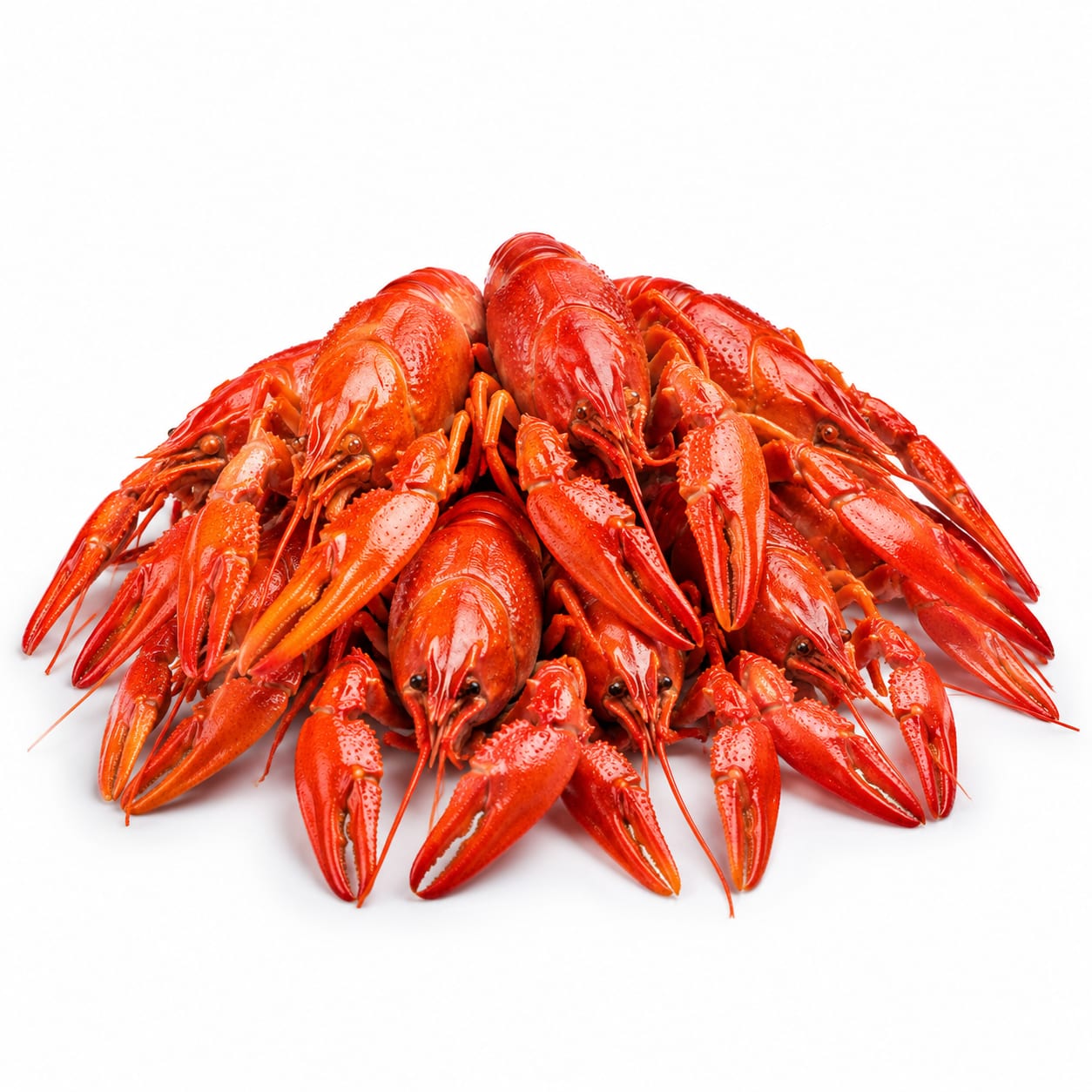
Shellfish
Crayfish
Crayfish are small, freshwater shellfish that provide high-quality, low-calorie protein with virtually zero carbohydrates.
Crayfish are small, freshwater crustaceans resembling miniature lobsters, prized for their sweet, tender tail meat and widely consumed in various regional cuisines.
lean protein-dense shellfish
Typical serving · 85g
Common varieties · red swamp crayfish, white river crayfish, signal crayfish, noble crayfish, louisiana crayfish
Overall context score across nutrition, safety, and diet fit
At a glance
Quick facts
Simple indicators based on nutrition, processing, and diet fit.
The story
What makes it unique
Crayfish digests rapidly due to its lean animal protein structure, providing high satiety per calorie. It contains negligible fat and zero carbohydrates, making it highly insulin-friendly. As a minimally processed whole food, it retains its native micronutrient profile, particularly B-vitamins and trace minerals.
Varieties: red swamp crayfish · white river crayfish · signal crayfish · noble crayfish · louisiana crayfish
Per 100g
Nutrition breakdown
Macro balance and key metrics at a glance.
Energy
Density 0.87 kcal/g
Protein
Carbs
Fat
Fiber
Sugar
0 g
Sodium
62 mg
Potassium
302 mg
Glycemic index
0
Glycemic load
0
Water content
80%
Standout compounds
Nutrient highlights
Vitamin B12
highSupports nerve function and red blood cell formation
Selenium
highActs as a powerful antioxidant and supports thyroid health
Copper
moderateAids in iron absorption and energy production
Zinc
moderateCrucial for immune function and wound healing
Phosphorus
moderateEssential for bone health and cellular repair
Wellness map
Health scores & processing
NOVA processing scale
minimally processed · Whole food
Fresh or frozen plain crayfish is a whole, unprocessed food. Pre-cooked or pre-seasoned versions may contain added sodium and fall into Nova Group 3.
Diet compatibility
- Weight loss
- Muscle gain
- Diabetes
- Gut health
- Low carb
- High protein
- Heart health
Relative standing
Food rankings
Qualitative ranks compared to similar whole foods.
- Satietyexcellent
- Blood sugarexcellent
- Nutrient densitygood
- Fitness fuelexcellent
- Processing qualityexcellent
Eat with confidence
Food safety profile
As bottom-dwelling scavengers, crayfish can accumulate heavy metals and contaminants from their aquatic environment. Sourcing from regulated, clean waters and cooking thoroughly mitigates most microbial and contamination risks.
Evidence confidence 85%
- Pesticideslow
- Antibioticsmoderate
- Heavy metalsmoderate
- Contaminationmoderate
Watch for
- mercury
- lead
- vibrio
- microbial pathogens
Safer choices
Wild-caught from pristine waters or sustainably farmed crayfish from regulated suppliers with strict water quality testing.
Prep tips
Rinse thoroughly under cold water before cooking. Boil or steam until the shells turn bright red and the meat is opaque to ensure harmful bacteria are destroyed.
Farmed crayfish may be subject to antibiotic use regulations, while wild-caught varieties depend on local water quality advisories for heavy metals.
Deep dive
Health analysis
How this food may fit different goals and preparation choices.
Weight loss
Extremely low energy density and high protein content promote fullness and reduce overall calorie intake, making it highly effective for weight management.
Blood sugar
Zero carbohydrates mean crayfish has no direct impact on blood glucose levels, making it highly suitable for glycemic control.
Fitness & energy
Provides a dense source of complete protein necessary for muscle repair and recovery, though it lacks carbohydrates for immediate glycogen replenishment.
Gut health
Easily digestible lean protein reduces gastrointestinal stress, but it lacks dietary fiber required for optimal gut microbiome fermentation.
Processing quality
When purchased fresh or frozen plain, crayfish is a whole, unprocessed food. Pre-packaged Cajun-boiled versions can be very high in sodium.
Food safety
Potential heavy metal accumulation from polluted waters exists, but thorough cooking and sourcing from clean environments minimize health risks.
Common mistakes
Drowning crayfish in butter or high-sodium boiling seasonings negates its natural low-calorie and low-sodium advantages.
Best preparation
Steaming or boiling with minimal salt, then peeling for use in salads, soups, or low-carb pasta alternatives.
Practical guide
Best use cases
When and how this food fits real eating patterns.
post-workout recovery
High leucine content from the complete protein stimulates muscle protein synthesis after exercise.
low-carb pasta alternative
Crayfish tails can replace high-carb pasta in seafood dishes when paired with zucchini noodles or shirataki.
weight management meals
Low energy density allows for large, satisfying portions that keep calorie intake strictly controlled.
keto seafood boils
Serves as a zero-carb centerpiece for high-fat, low-carb seafood boils when cooked with healthy fats instead of sugary seasonings.
Balance sheet
Pros & cons
Upsides
- Extremely high protein-to-calorie ratio
- Zero carbohydrates and zero sugar
- Rich in vitamin B12 and selenium
- Very low in saturated fat
- Naturally gluten-free and keto-friendly
- Provides important trace minerals like zinc and copper
Trade-offs
- High dietary cholesterol may concern some individuals
- Common allergen for those with shellfish sensitivities
- Can be high in sodium when prepared in traditional boils
- Tedious to peel for the amount of meat yielded
- Potential heavy metal accumulation depending on water source
Fit check
Who is it for?
Great match
- keto and strict low-carb diets
- high-volume low-calorie eating
- post-workout muscle recovery
- diabetics seeking zero-carb protein
Consider alternatives
- individuals with shellfish allergies
- low-sodium diets if consumed from seasoned boils
- those seeking high-fiber protein sources
- vegans and vegetarians
Side by side
How it compares
Open the full head-to-head analysis for nutrition, safety, and practical tradeoffs.
This food
Crayfish
VS95% alike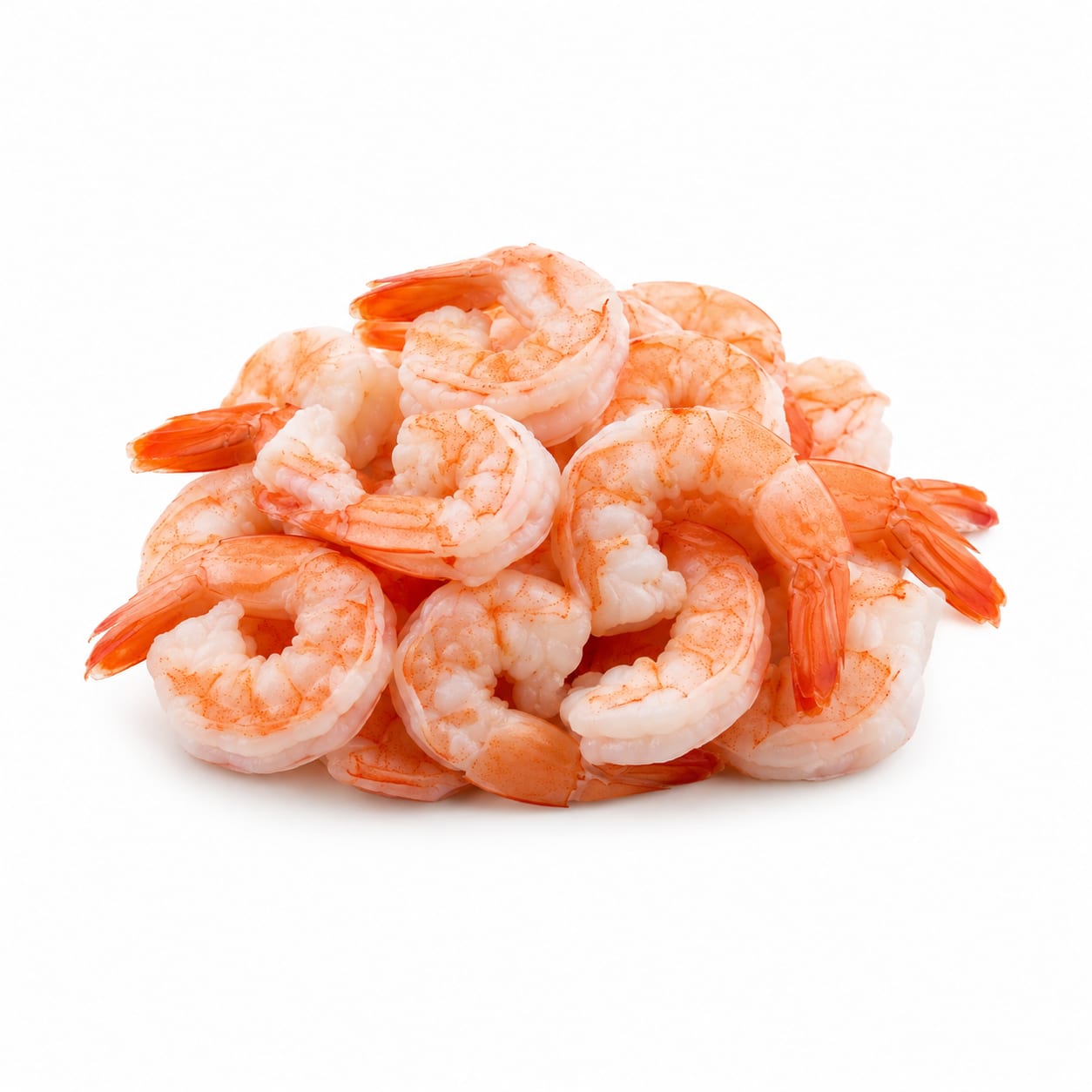
Compare with
Shrimp
Crayfish and shrimp are both low-calorie, high-protein shellfish. Shrimp is slightly lower in calories, while crayfish provides more dietary cholesterol but similar macronutrient ratios.
Shrimp is slightly lower in calories, but both are excellent zero-carb shellfish options for keto and weight loss.
This food
Crayfish
VS90% alike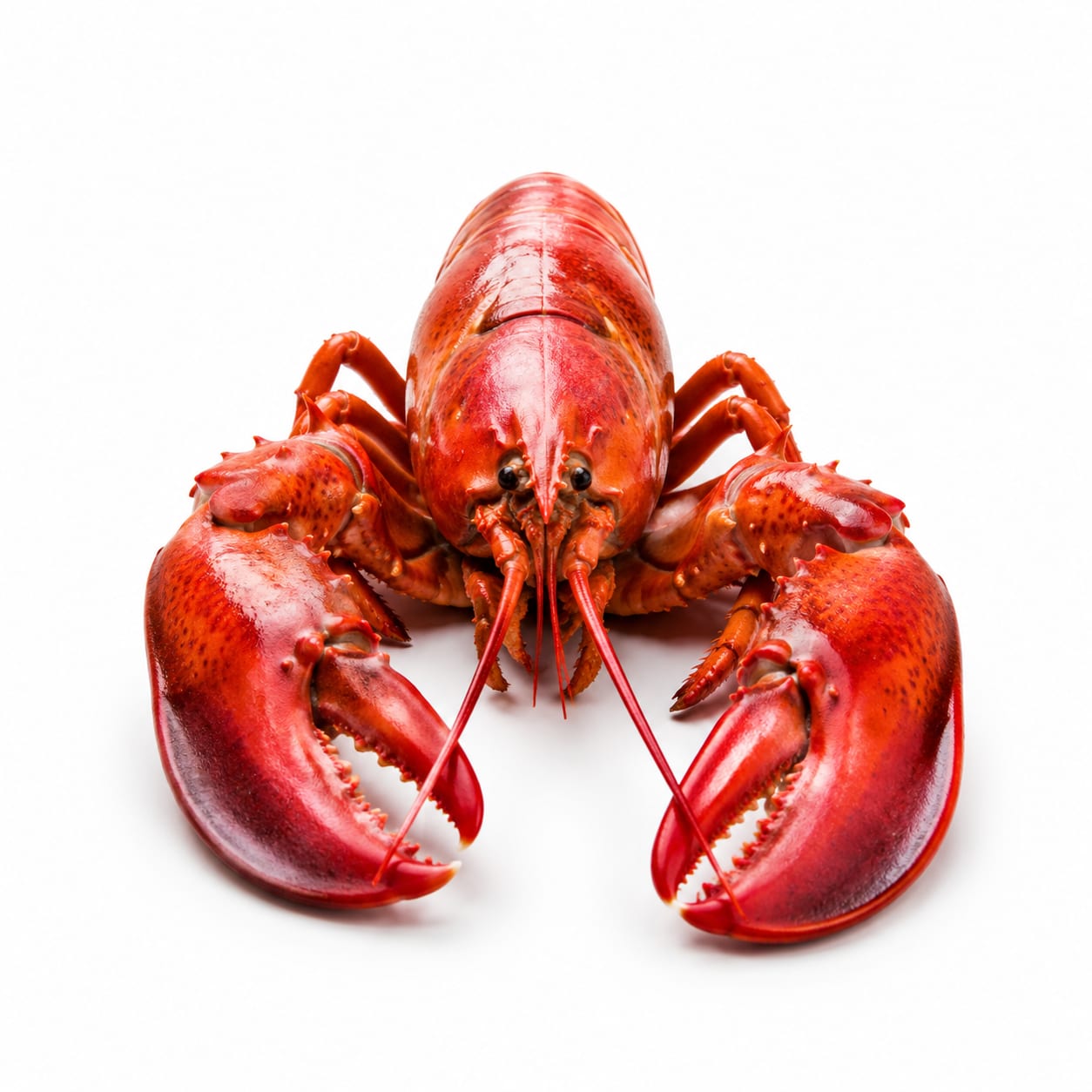
Compare with
Lobster
Lobster is lower in cholesterol and slightly higher in protein per calorie, but both are lean, zero-carb crustaceans. Crayfish offers a more affordable way to get similar nutrition.
Lobster is slightly leaner and lower in cholesterol, but crayfish provides the same zero-carb protein at a fraction of the cost.
This food
Crayfish
VS85% alike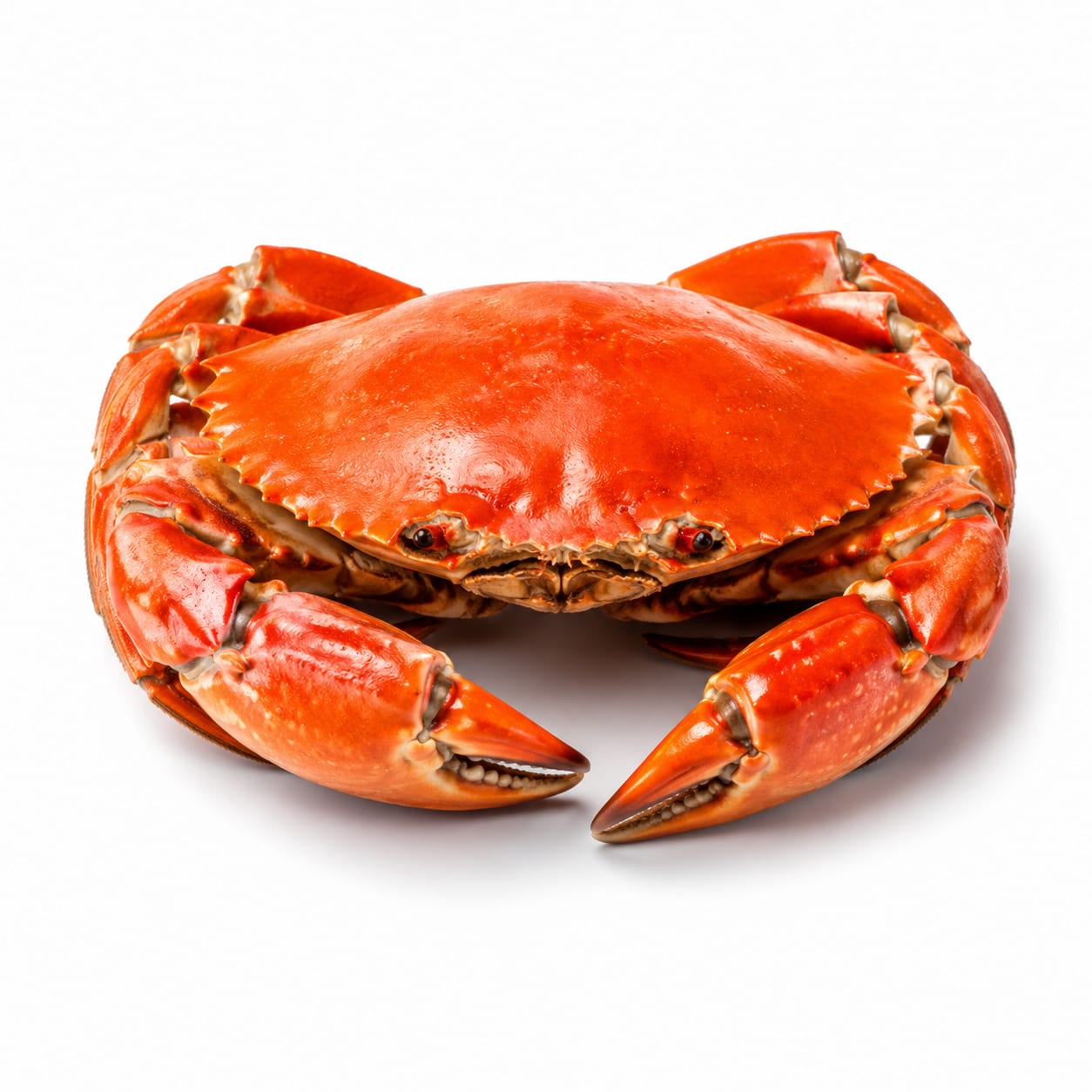
Compare with
Crab
Crab meat is slightly lower in cholesterol and sodium compared to crayfish, but both offer high-quality, zero-carb protein.
Crab is lower in cholesterol and sodium, while crayfish offers slightly more protein per serving for fitness goals.
This food
Crayfish
VS88% alike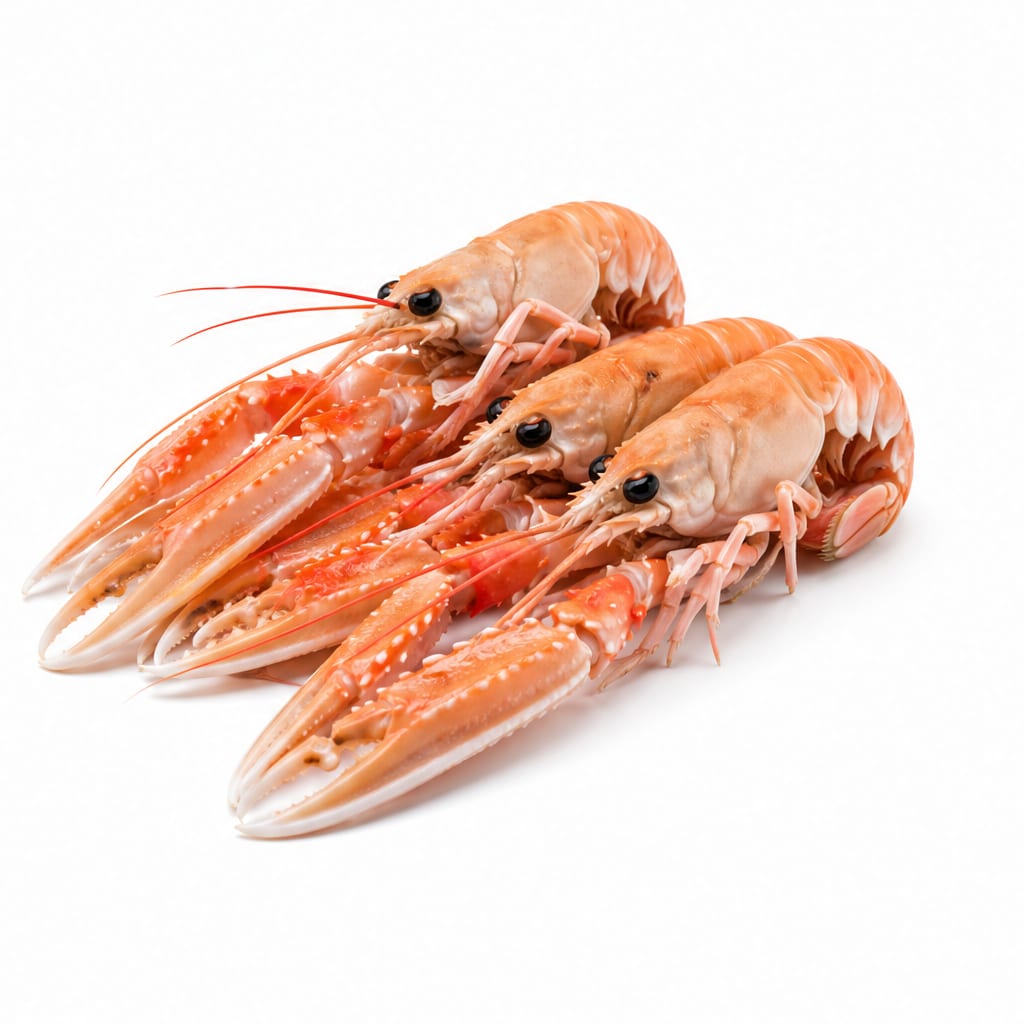
Compare with
Langostino
Langostino is slightly higher in fat and calories than crayfish but offers a very similar taste and texture profile with zero carbs.
Crayfish is leaner and lower in calories than langostino, making it the better choice for strict weight loss.
This food
Crayfish
VS70% alike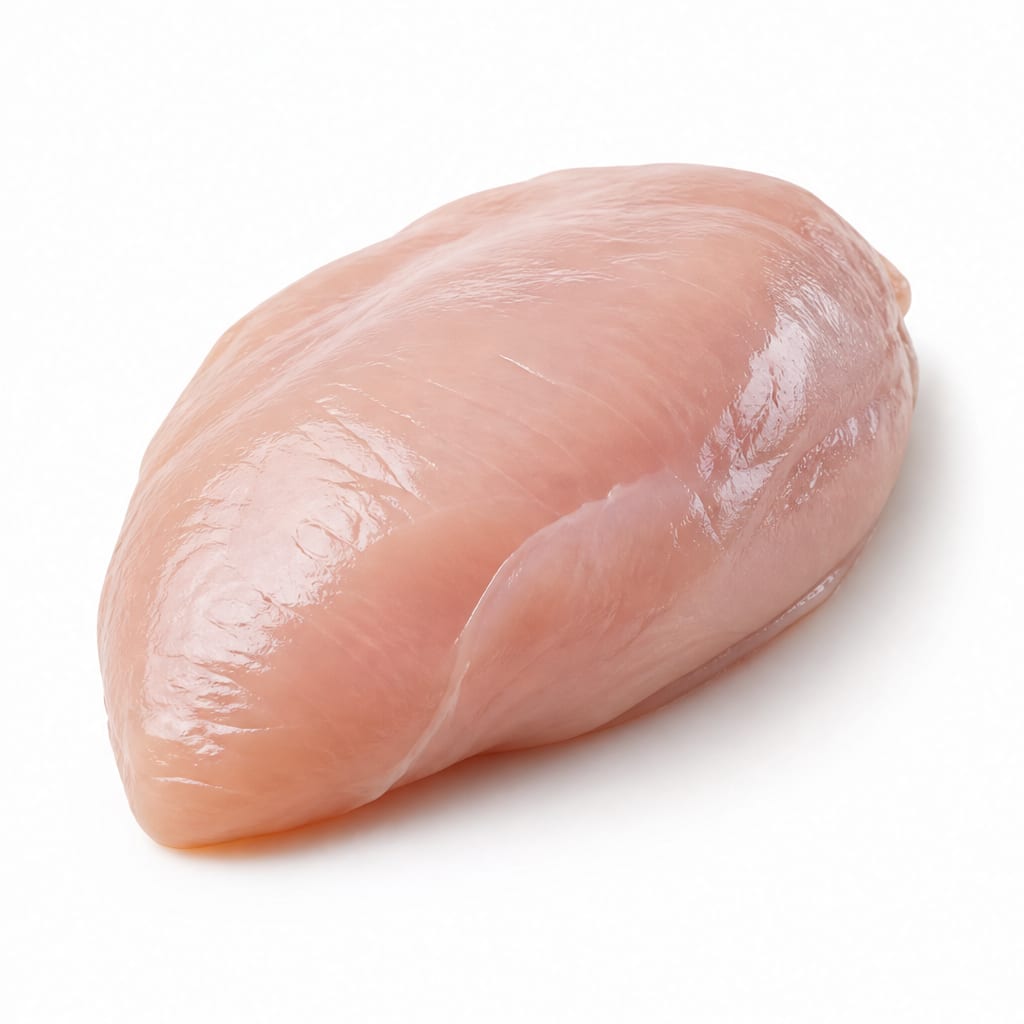
Compare with
Chicken Breast
Chicken breast provides more protein per serving with less cholesterol, but crayfish offers unique micronutrients like B12 and selenium that chicken lacks.
Chicken breast offers more protein and zero cholesterol, but crayfish provides far more vitamin B12 and selenium per calorie.
This food
Crayfish
VS65% alike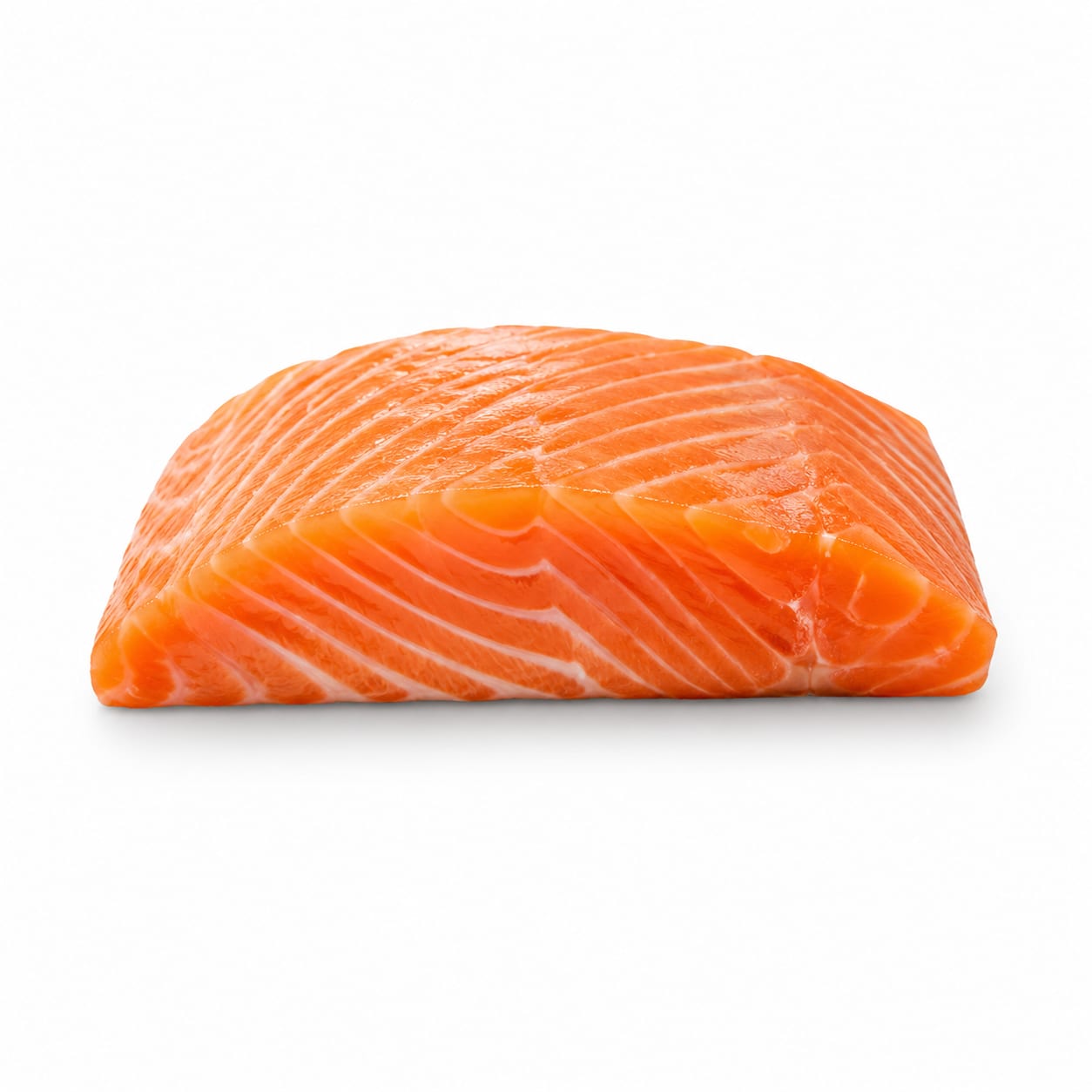
Compare with
Salmon
Salmon is rich in omega-3 fatty acids and higher in calories, while crayfish is a lean, low-calorie protein. Salmon is better for heart health, crayfish for low-calorie diets.
Salmon provides heart-healthy omega-3 fats, while crayfish is a much leaner option for low-calorie and high-protein diets.
This food
Crayfish
VS65% alike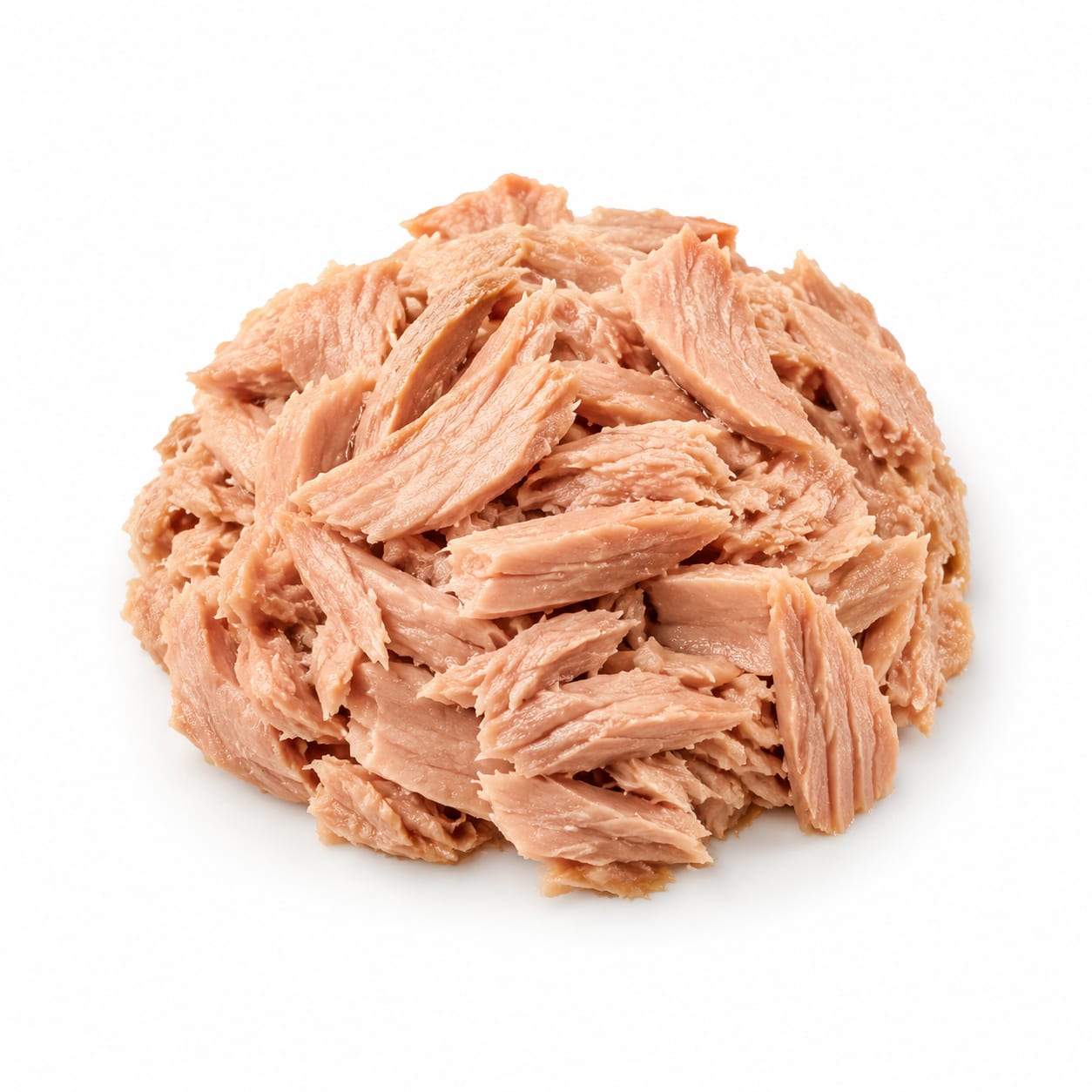
Compare with
Tuna
Tuna is significantly higher in protein and lower in cholesterol than crayfish, but crayfish offers a wider array of trace minerals and is lower in mercury.
Tuna packs more protein per calorie, but crayfish is lower in mercury and offers more diverse trace minerals.
This food
Crayfish
VS60% alike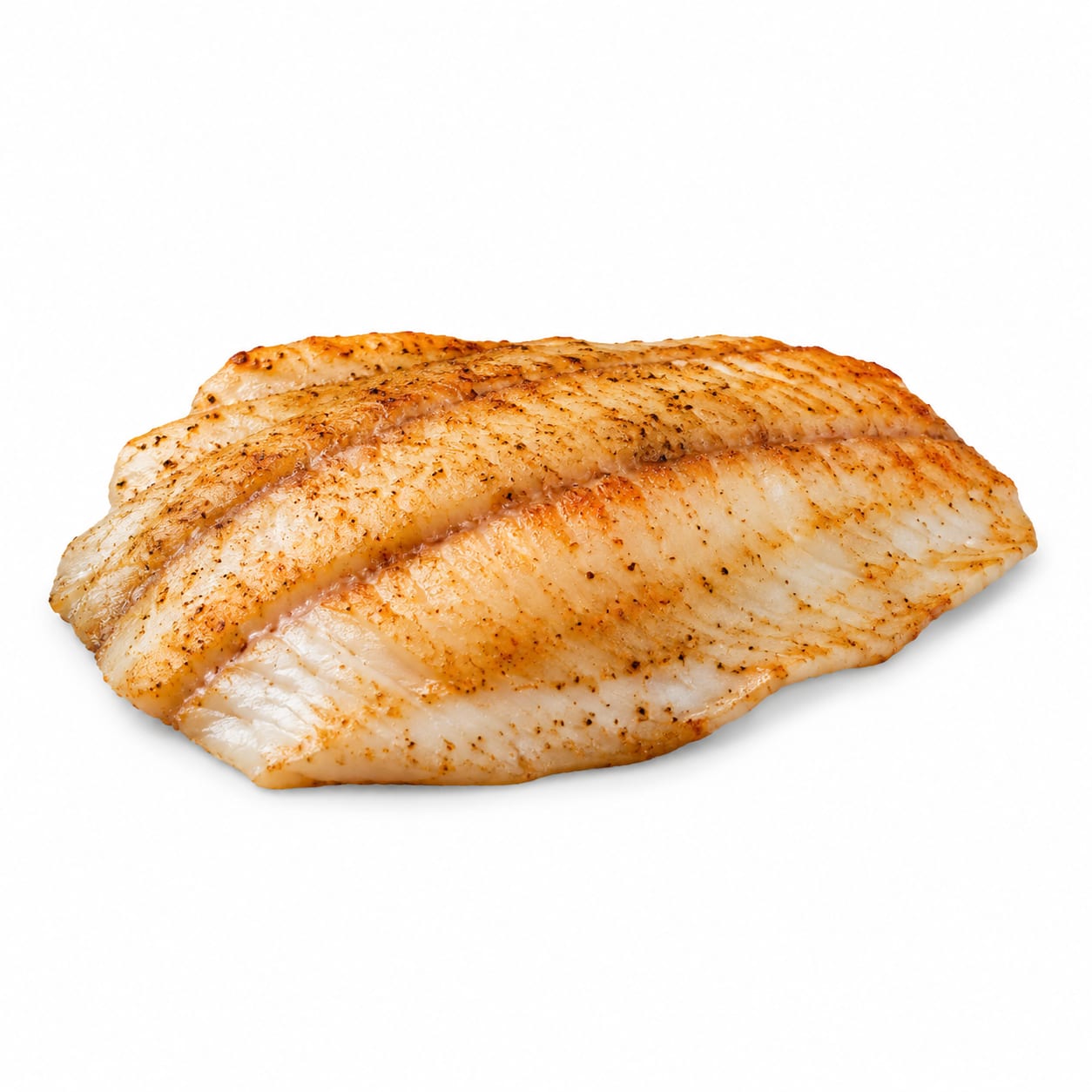
Compare with
Tilapia
Tilapia is lower in cholesterol and sodium but also lower in micronutrients like B12 and selenium compared to crayfish. Both are excellent low-calorie proteins.
Crayfish is richer in vitamins and minerals like B12, while tilapia is a milder, lower-cholesterol white fish option.
This food
Crayfish
VS55% alike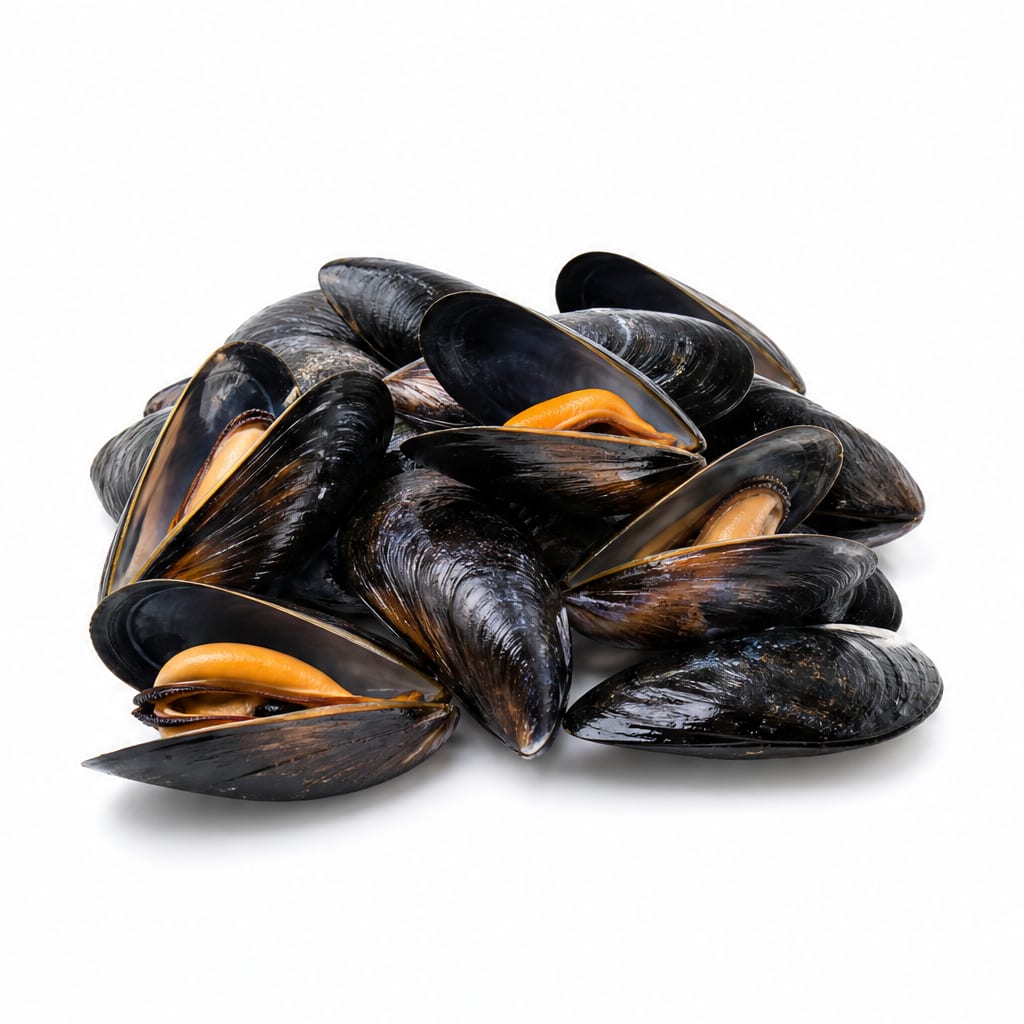
Compare with
Mussels
Mussels are higher in carbohydrates, iron, and omega-3s, while crayfish are strictly zero-carb and higher in protein density.
Crayfish is a zero-carb, high-protein choice perfect for keto, while mussels offer more iron and omega-3s but contain some carbs.
This food
Crayfish
VS75% alike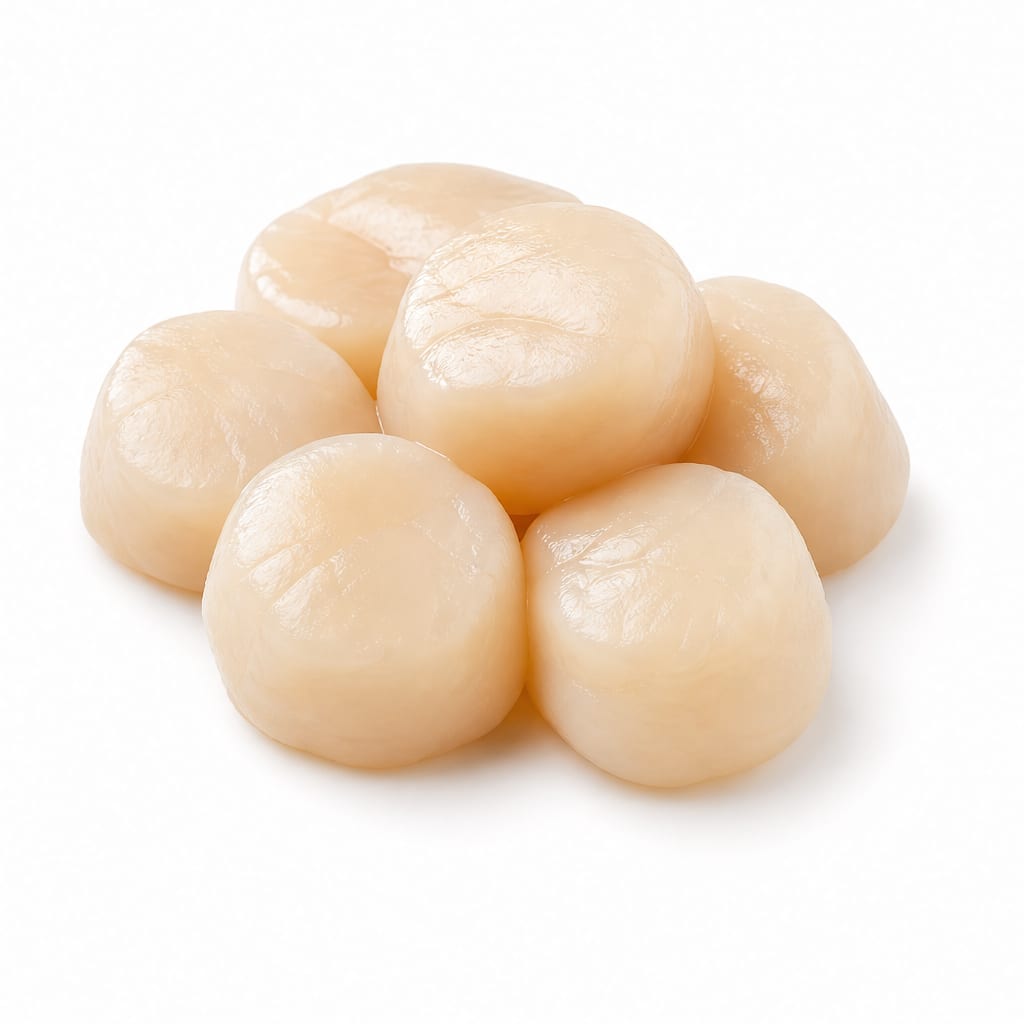
Compare with
Scallops
Scallops are lower in cholesterol and slightly higher in protein, while crayfish provides more zinc and vitamin B12. Both are very low in fat.
Scallops are slightly leaner and lower in cholesterol, but both are excellent low-calorie, zero-carb shellfish for weight loss.
Common questions
FAQ
Answers aligned with how people search for this food.
Are crayfish good for weight loss?
Yes, crayfish are excellent for weight loss. They are very low in calories and fat while providing nearly 17 grams of protein per 100g serving, which helps increase satiety and preserve lean muscle mass.
Can diabetics eat crayfish?
Yes, crayfish contain zero carbohydrates and have a glycemic index of 0, meaning they will not spike blood sugar levels. They are a safe and nutritious protein choice for people managing diabetes.
Is crayfish high in cholesterol?
Crayfish do contain dietary cholesterol, but they are very low in saturated fat. Current research shows that saturated fat impacts blood cholesterol more than dietary cholesterol, making crayfish a heart-healthy choice for most people.
Can you eat crayfish on a keto diet?
Absolutely. Crayfish are naturally carb-free and fit perfectly into a strict ketogenic diet. Just avoid breading or sweet sauces that might add hidden carbohydrates.
Does crayfish have a lot of mercury?
Crayfish generally have lower mercury levels compared to large ocean fish because they are small and near the bottom of the food chain. However, as bottom-dwellers, they can accumulate other heavy metals depending on water quality.
What is the difference between crayfish and lobster?
Crayfish are freshwater crustaceans that look like miniature lobsters, which are primarily saltwater. Nutritionally, they are similar, but crayfish are usually more affordable and have a slightly sweeter, more concentrated flavor.
How many calories are in crayfish tails?
There are approximately 87 calories in 100 grams of cooked crayfish meat. A typical 3-ounce (85g) serving contains only about 74 calories.
Is crayfish safe to eat during pregnancy?
Yes, crayfish is generally safe during pregnancy when fully cooked. Its low mercury content makes it a better choice than high-mercury seafood, but it should be consumed as part of a balanced diet within recommended seafood limits.
Transparency
Data confidence
Estimated confidence for nutrition data, interpretation, safety notes, and comparisons.
Nutrition data
Health analysis
Food safety
Comparisons