
Nutrition comparison
Crayfish vs Salmon: Nutrition, Omega-3, and Health Comparison
Compare Crayfish vs Salmon for protein, omega-3s, cholesterol, and weight loss. Find out which seafood is healthier for your daily diet.
Overall winner · Salmon
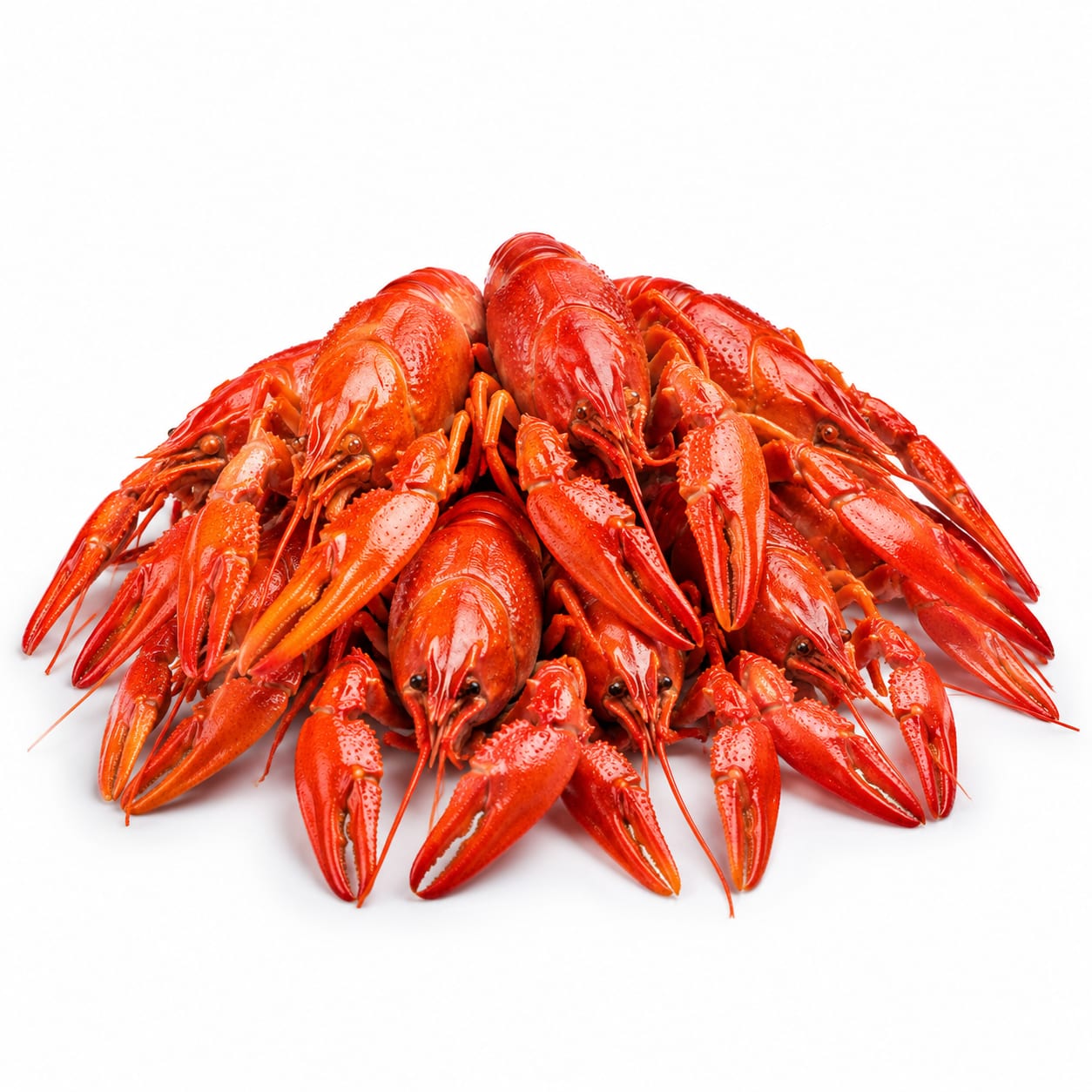
Crayfish
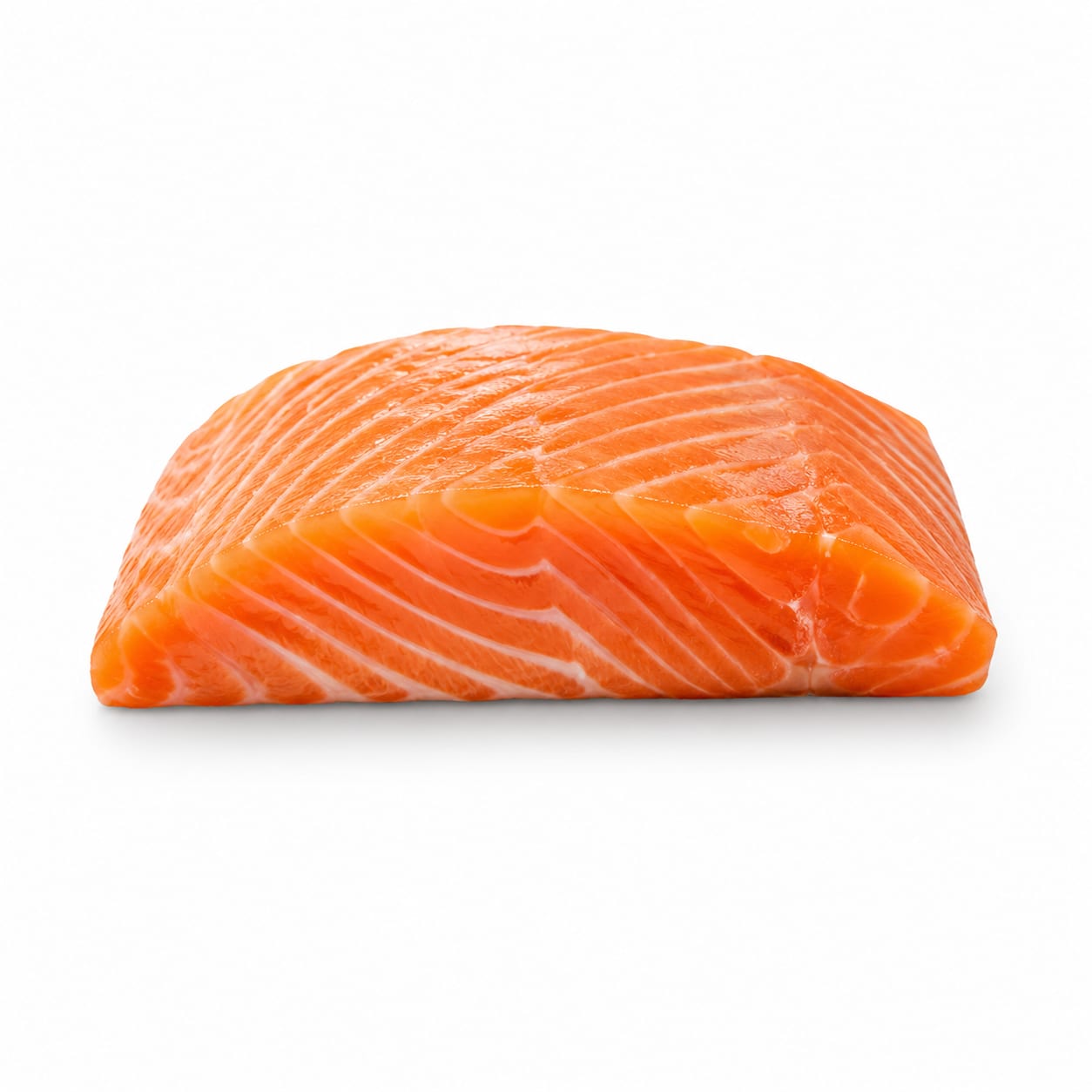
Salmon
Salmon dominates for everyday health thanks to its omega-3 content, while Crayfish serves as a lean, fun treat that comes with a cholesterol and sodium caveat.
Salmon scores significantly higher due to its superior fat profile and broader health benefits, making it a staple food. Crayfish is healthy in moderation but lacks omega-3s and carries cholesterol and sodium tradeoffs.
You trade the heart-healthy fats and steady energy of Salmon for the low-calorie density and festive eating experience of Crayfish.
At a glance
Executive summary
Overall
Salmon
Healthier
Salmon
More practical
Salmon
Daily use
Salmon
Key comparison lenses
Omega-3 fatty acid intake and heart health
Salmon is a top-tier source of omega-3s, while Crayfish provides almost none, making this the most significant nutritional divergence.
Cholesterol management
Crayfish is surprisingly high in dietary cholesterol compared to Salmon, which is a major consideration for heart health.
Sodium and preparation style
Crayfish is almost exclusively eaten in high-sodium boils, whereas Salmon is typically prepared with minimal added salt.
Protein quality and satiety
Both are excellent protein sources, but Salmon's fat content provides longer-lasting fullness.
Contaminants and water quality
Both carry specific water-contaminant risks, with farmed Salmon facing PCB concerns and Crayfish facing heavy metal accumulation as bottom feeders.
Best choice for
Crayfish
- Strict calorie counters
- Low-fat diet followers
- Cajun cuisine enthusiasts
Salmon
- Heart health focus
- Brain health and cognitive support
- Sustained energy and fullness
Least suitable for
Crayfish
- People managing high cholesterol
- Those on low-sodium diets
- Daily meal prep routines
Salmon
- People avoiding dietary fat
- Those on very tight budgets
Deep comparison
Dimension by dimension
Each lens scores both foods and breaks down who each option suits.
- Dimension 1 · Priority 95Salmon
Heart-Healthy Fats & Omega-3s
Crayfish · 15Salmon · 98Salmon is one of the best sources of omega-3s; Crayfish has almost none.
Tradeoff
Choosing Crayfish means missing out on the anti-inflammatory benefits that make fatty fish so valuable.
Why it matters
Omega-3s lower inflammation, support brain function, and protect your heart.
Real-world impact
Eating Salmon regularly can improve your mood and joint health; Crayfish won't move the needle here.
Crayfish
- Very low-fat diets
Better for
- Getting enough omega-3s
Worse for
Salmon
- Cardiovascular health
- Mental clarity
- Reducing joint pain
Better for
- Strict low-fat macros
Worse for
- Dimension 2 · Priority 85Salmon
Cholesterol & Fat Profile
Crayfish · 45Salmon · 90Crayfish is very lean but packs a surprising amount of cholesterol; Salmon has heart-healthy fats that improve your lipid profile.
Tradeoff
Crayfish saves you calories from fat but delivers a heavy dose of dietary cholesterol instead.
Why it matters
High dietary cholesterol can impact blood lipids in sensitive individuals.
Real-world impact
If your doctor told you to watch your cholesterol, a Crayfish boil might spike your numbers more than a Salmon fillet.
Crayfish
- Keeping total fat grams low
Better for
- Managing dietary cholesterol intake
Worse for
Salmon
- Improving HDL cholesterol
- Balancing blood lipids
Better for
- Fat-restricted diets
Worse for
- Dimension 3 · Priority 80Salmon
Protein & Satiety
Crayfish · 70Salmon · 90Both offer excellent protein, but Salmon's fat content keeps you full much longer.
Tradeoff
Crayfish provides lean protein that digests quickly, while Salmon offers sustained energy that prevents snacking.
Why it matters
Staying full between meals helps you avoid energy crashes and overeating.
Real-world impact
A Salmon dinner will likely keep you full until morning; a Crayfish dinner might leave you hunting for a snack an hour later.
Crayfish
- Post-workout lean protein
- Lighter meals
Better for
- Long-lasting satiety
Worse for
Salmon
- Staying full for hours
- Preventing late-night snacking
Better for
- Feeling too full before bed
Worse for
- Dimension 4 · Priority 75Salmon
Sodium & Preparation
Crayfish · 30Salmon · 85Salmon is versatile and naturally low in sodium; Crayfish is almost always boiled in heavily salted water and spices.
Tradeoff
The classic Crayfish boil is delicious but turns a low-sodium seafood into a sodium bomb.
Why it matters
High sodium intake leads to bloating and raises blood pressure.
Real-world impact
You might wake up puffy and thirsty after a Crayfish feast, whereas baked Salmon leaves you feeling light and hydrated.
Crayfish
- Bold, indulgent flavor experiences
Better for
- Controlling sodium intake
- Clean eating routines
Worse for
Salmon
- Blood pressure management
- Meal prep versatility
- Avoiding bloating
Better for
- Craving intense spice and flavor
Worse for
Timeline
Health impact over time
Short-term
Hours to days
Crayfish
- Quick, lean protein boost
- Potential bloating from high-sodium preparation
- Light feeling in the stomach
Salmon
- Long-lasting fullness
- Steady energy without a crash
- Comforting, satisfying meal
Long-term
Months to years
Crayfish
- Potential cholesterol concerns if eaten frequently
- Maintaining low body fat easily
- Possible blood pressure issues from sodium-heavy boils
Salmon
- Reduced inflammation and joint health
- Better heart and brain health
- Improved cholesterol markers
Risk profile
Safety & processing
Both are whole, natural proteins. The processing concern for Crayfish comes from the boil seasonings, not the seafood itself.
Crayfish
High dietary cholesterol
mediumCrayfish contains significantly more cholesterol than Salmon, which can be an issue for those with lipid disorders.
Sodium overload from preparation
highTraditional boiling methods use massive amounts of salt and seasoning, which absorbs into the shellfish.
Shellfish allergens
highCrayfish is a crustacean and carries a high risk for those with shellfish allergies.
Salmon
Heavy metals and PCBs
mediumFarmed Salmon can have higher levels of PCBs and dioxins; wild Salmon has mercury concerns, though generally lower than large predatory fish.
Parasites
lowRaw Salmon can carry parasites, but proper freezing or cooking eliminates this risk.
Who wins for whom
Audience fit
Same foods, different winners depending on your goal.
children
SalmonSalmon's omega-3s are crucial for brain development, and it is easier for kids to eat than shelling small Crayfish.
daily consumption
SalmonSalmon's fat profile is sustainable for daily eating; Crayfish's cholesterol and typical sodium prep make it better as an occasional treat.
diabetes
SalmonThe healthy fats in Salmon slow digestion and stabilize blood sugar, whereas high-sodium Crayfish boils can stress cardiovascular health.
elderly
SalmonSalmon supports heart health, reduces inflammation, and is softer to chew, making it far more appropriate for aging bodies.
muscle gain
SalmonSalmon provides more calories and protein alongside anti-inflammatory fats, which aid in muscle recovery and growth.
weight loss
CrayfishCrayfish is extremely low in calories and fat, making it easier to fit into a strict calorie deficit, provided you avoid the butter and heavy boil seasonings.
Your move
Decision guide
Choose Crayfish
- You want a very low-calorie, low-fat protein source
- You are craving a fun, social Cajun-style meal
- You are strictly counting fat grams and need lean shellfish
Choose Salmon
- You want to boost your omega-3 intake for heart and brain health
- You need a filling meal that keeps you satisfied for hours
- You want a versatile fish you can bake, grill, or pan-sear any night of the week
Either works if
- You need high-quality complete protein after a workout
- You want a minimally processed whole food dinner
Avoid both if
- You have a severe seafood or fish allergy
- You are on a strict low-protein or potassium-restricted diet
Final recommendation
Make Salmon your go-to for everyday nutrition and sustained energy. Save Crayfish for occasional social gatherings, and when you indulge, go easy on the boil salt to keep it as healthy as possible.
Practical
Consumer tips
- 1
If cooking Crayfish at home, go easy on the boil salt and skip the butter dip to keep it truly healthy.
- 2
Choose wild-caught Salmon when possible to get the best omega-3 to contaminant ratio.
- 3
If cholesterol is a concern, limit Crayfish portions and pair it with high-fiber vegetables to help block absorption.
- 4
Crayfish tails are often sold frozen with added sodium—check the label for sodium content before buying.