
Nutrition comparison
Crayfish vs Langostino: Nutrition, Taste, and Health Comparison
Compare crayfish and langostino nutrition, protein, sodium, sustainability, and health effects. Find out which shellfish is better for weight loss, muscle gain, and daily meals.
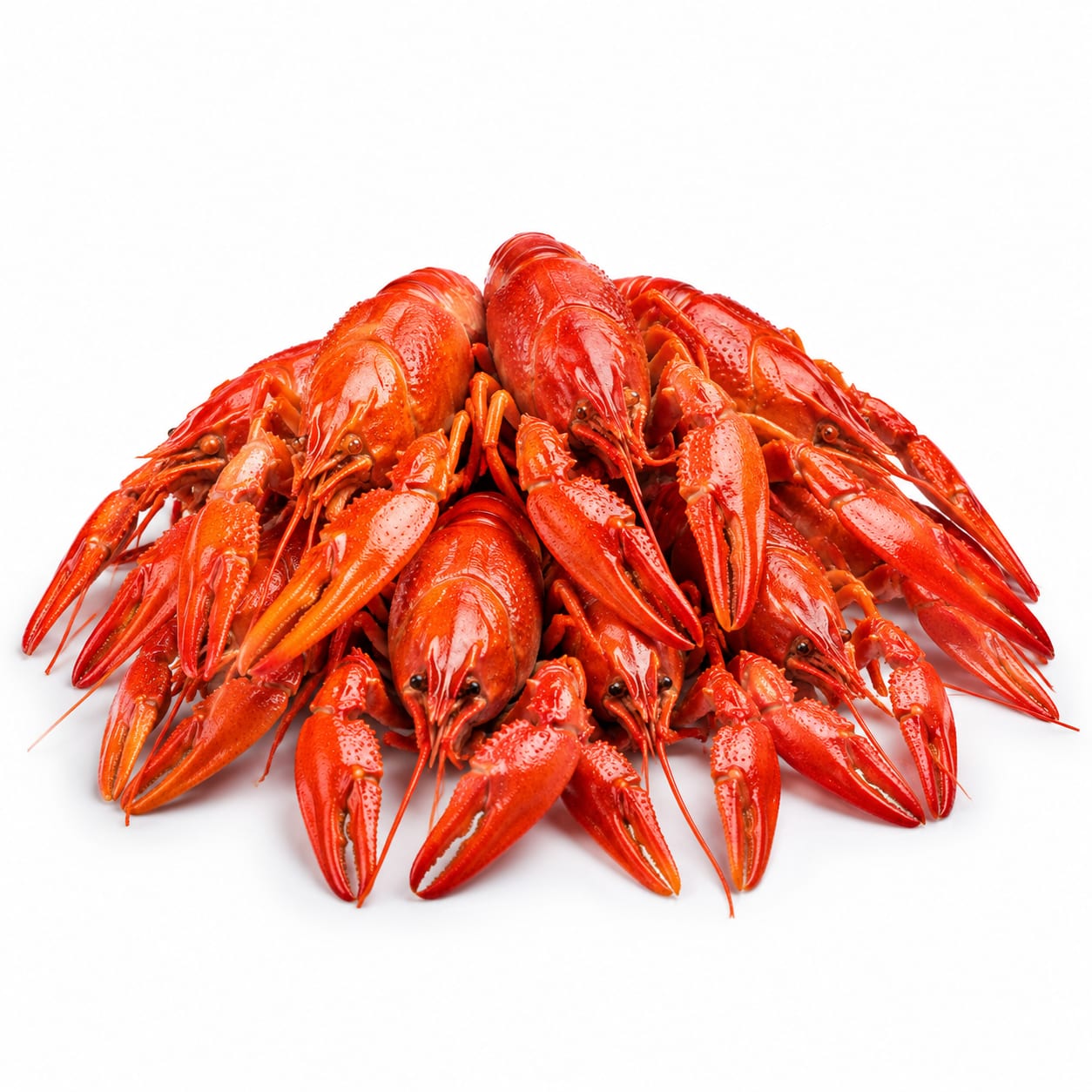
Crayfish
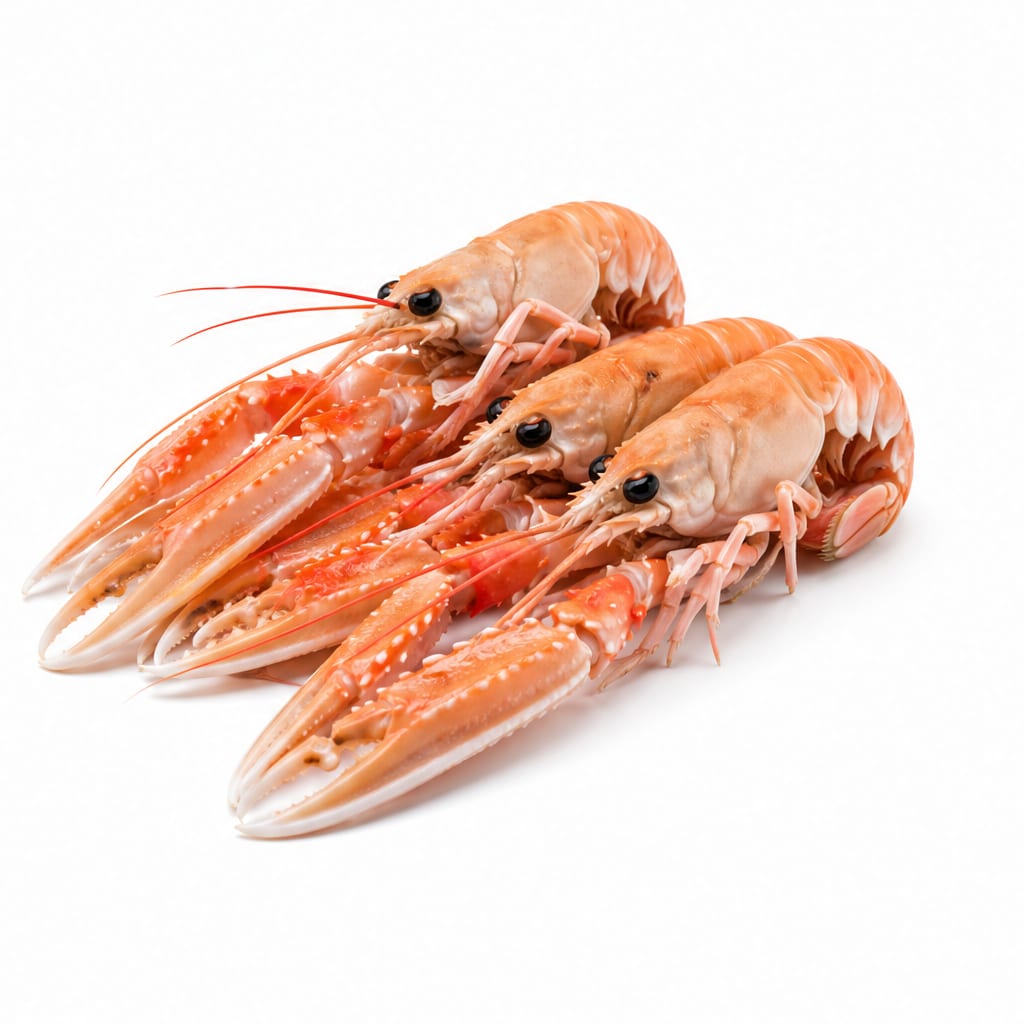
Langostino
Crayfish offers more nutrients and a less processed product, but langostino wins on convenience and lower sodium in its base form. Your choice hinges on preparation method and how much processing matters to you.
Crayfish scores higher due to superior micronutrient density and minimal processing, but loses ground on convenience and the sodium bomb that typical preparation creates. Langostino is practical but carries more processing concerns and less nutritional richness.
Crayfish delivers superior micronutrients and a more whole-food experience, while langostino provides easier weeknight protein with less prep hassle but more processing baggage.
At a glance
Executive summary
Overall
It depends
Healthier
Crayfish
More practical
Langostino
Daily use
It depends
Key comparison lenses
Protein quality and lean seafood nutrition
Both are low-fat, high-protein shellfish often chosen as lean protein sources
Processing and naturalness differences
Langostino is commonly sold pre-cooked and frozen with preservatives, while crayfish is often purchased live or fresh
Sodium and preparation concerns
Crayfish boils are notoriously high-sodium, while langostino often comes with sodium-based preservatives
Sustainability and sourcing transparency
Both have sourcing complexity but different ecological footprints and labeling concerns
Contaminant and heavy metal exposure
Freshwater vs deep-water sourcing creates different contaminant risk profiles
Best choice for
Crayfish
- Whole-food prioritizers who cook at home
- People wanting B12, zinc, and selenium in one package
- Those avoiding pre-cooked or preserved seafood
- Anyone doing a traditional boil where they control the sodium
Langostino
- Busy home cooks needing quick protein
- People who want lobster-like flavor without the price or effort
- Meal preppers who keep frozen seafood on hand
- Those who eat small portions of shellfish occasionally
Least suitable for
Crayfish
- Sodium-sensitive individuals eating traditional boiled preparations
- People who lack access to fresh crayfish markets
- Anyone uncomfortable cooking live shellfish
- Those needing a quick weeknight meal solution
Langostino
- Minimally-processed food advocates
- People concerned about sodium tripolyphosphate and similar additives
- Those wanting full traceability of their seafood source
- Anyone with sensitivity to preservatives used in frozen seafood
Deep comparison
Dimension by dimension
Each lens scores both foods and breaks down who each option suits.
- Dimension 1 · Priority 90Crayfish
Protein Quality and Density
Crayfish · 82Langostino · 74Crayfish provides slightly more protein per serving with a more complete amino acid profile and better bioavailability from fresh cooking.
Tradeoff
Langostino's protein is still solid but slightly degraded by pre-cooking and freezing, which can reduce digestibility of some amino acids.
Why it matters
For anyone relying on shellfish as a primary protein source, small differences in protein quality add up over weeks and months.
Real-world impact
After a crayfish-based meal, you may stay full slightly longer compared to langostino, though both are satisfying lean proteins.
Crayfish
- Post-workout recovery meals
- High-protein diet adherents tracking every gram
Better for
- Times when you need protein ready in under 5 minutes
Worse for
Langostino
- Quick lunch salads where convenience outweighs marginal protein differences
Better for
- Body recomposition phases demanding maximal protein quality
Worse for
- Dimension 2 · Priority 88Crayfish
Micronutrient Richness
Crayfish · 86Langostino · 65Crayfish is notably richer in B12, zinc, selenium, and copper. Langostino retains some minerals but loses others during processing and frozen storage.
Tradeoff
You get meaningfully more nutrition per calorie from crayfish, but langostino still covers basic needs if eaten regularly.
Why it matters
B12 and zinc are common gaps in many diets. Crayfish is an unusually good source of both in a low-calorie package.
Real-world impact
A serving of crayfish can cover over 100% of daily B12 needs. Langostino covers roughly half that.
Crayfish
- Anyone with low B12 or zinc status
- Older adults needing nutrient-dense foods
Better for
- High-sodium preparations that offset mineral benefits with blood pressure costs
Worse for
Langostino
- Situations where some nutrition is better than none because convenience drives actual intake
Better for
- Correcting actual nutrient deficiencies where you need maximum impact per bite
Worse for
- Dimension 3 · Priority 82Langostino
Sodium Load and Blood Sugar Impact
Crayfish · 45Langostino · 68Plain langostino starts with moderate sodium, while crayfish prepared traditionally in a boil absorbs extreme sodium levels from seasoned cooking liquid.
Tradeoff
If you steam or grill crayfish with light seasoning, it becomes the lower-sodium option. But most people eat crayfish boiled in heavily salted spice mixes.
Why it matters
A single crayfish boil serving can contain 1000-2000mg of sodium, which is half or more of the daily limit for most adults.
Real-world impact
After a traditional crayfish boil, sodium-sensitive people may notice bloating and thirst for hours. Langostino in a salad barely moves the sodium needle by comparison.
Crayfish
- Home cooks willing to steam or grill with minimal salt
Better for
- Restaurant crayfish boils where you cannot control seasoning
- Hypertension patients eating traditional preparations
Worse for
Langostino
- Anyone monitoring blood pressure who wants predictable sodium counts
- Meal preppers tracking macros precisely
Better for
- People who assume all frozen seafood is low-sodium without checking labels
Worse for
- Dimension 4 · Priority 85Crayfish
Processing and Additives
Crayfish · 88Langostino · 52Crayfish is typically sold live or fresh-frozen with minimal intervention. Langostino commonly arrives pre-cooked, frozen, and treated with sodium tripolyphosphate to retain moisture.
Tradeoff
Less processing means fewer additives and more control over your final dish, but it also means more work and shorter shelf life.
Why it matters
Sodium tripolyphosphate isn't dangerous, but it adds sodium you didn't choose and creates a slightly mushy texture that signals industrial handling.
Real-world impact
Crayfish you boil yourself tastes cleaner and more vibrant. Langostino can have a slightly soapy or spongy mouthfeel from preservatives.
Crayfish
- Clean-eating advocates
- Anyone with chemical sensitivities or preservative concerns
Better for
- Those without access to fresh seafood markets
- Anyone who cannot cook within a day or two of purchase
Worse for
Langostino
- People who prioritize shelf stability and reduced food waste
Better for
- Minimally-processed diet followers such as Whole30 or clean-eating programs
Worse for
- Dimension 5 · Priority 75It depends
Contaminant and Heavy Metal Risk
Crayfish · 62Langostino · 66Crayfish from freshwater can accumulate agricultural runoff contaminants and microplastics. Langostino from deeper marine waters faces different but comparable risks including heavy metals.
Tradeoff
Neither is a high-mercury seafood, but sourcing matters enormously for both. Farm-raised crayfish and well-regulated langostino fisheries are safer bets.
Why it matters
Both are bottom-feeders, which means they encounter whatever is in their environment. Knowing where yours came from is the best risk reducer.
Real-world impact
Eating either a few times per month poses minimal risk for most adults. Daily consumption of either would warrant more careful sourcing.
Crayfish
- Locally-sourced crayfish from known clean waters
Better for
- Crayfish from unknown or industrial-agricultural waterways
Worse for
Langostino
- Marine-sourced langostino from certified sustainable fisheries
Better for
- Langostino from poorly regulated international suppliers with no traceability
Worse for
- Dimension 6 · Priority 78Langostino
Convenience and Practical Use
Crayfish · 40Langostino · 85Langostino is ready to eat in minutes from frozen. Crayfish requires peeling, cooking, and significant hands-on time.
Tradeoff
Convenience comes at the cost of texture quality and additive exposure. Crayfish demands effort but rewards with better flavor and texture.
Why it matters
The best protein source is the one you actually eat. If crayfish sits in your fridge while langostino gets used, the practical choice is clear.
Real-world impact
Langostino can go from freezer to taco to table in 8 minutes. Crayfish is a weekend project or social event food.
Crayfish
- Social gatherings and celebrations where cooking is part of the experience
- Weekend meal prep sessions
Better for
- Tuesday at 7pm when you are already hungry
- Anyone with limited kitchen time or energy
Worse for
Langostino
- Weeknight dinners after long workdays
- Quick protein additions to salads, pasta, or tacos
Better for
- Dinner parties where you want to impress with whole-shellfish presentation
Worse for
- Dimension 7 · Priority 70Crayfish
Sustainability and Ecological Impact
Crayfish · 75Langostino · 60US farmed crayfish, especially from Louisiana, operates in integrated rice-crawfish systems with relatively low environmental impact. Langostino sourcing varies widely and some fisheries lack strong oversight.
Tradeoff
Crayfish farming has established ecological integration in the US, but langostino's global supply chain makes verification harder.
Why it matters
Seafood sustainability is complex, but choosing domestically farmed crayfish gives you more transparent ecological accountability.
Real-world impact
Choosing Louisiana crayfish supports a regenerative farming model. Choosing langostino without checking certification may support less transparent operations.
Crayfish
- Eco-conscious consumers who can verify US sourcing
Better for
- Imported crayfish from unregulated aquaculture
Worse for
Langostino
- Buyers who seek MSC-certified or well-documented marine langostino
Better for
- Cheapest available langostino with no sustainability certification
Worse for
Timeline
Health impact over time
Short-term
Hours to days
Crayfish
- High satiety from protein and the social eating experience of peeling
- Potential bloating and thirst after heavily salted boil preparations
- Quick B12 boost that supports same-day energy metabolism
Langostino
- Fast, light protein that digests easily without heaviness
- Possible mild digestive awareness from sodium tripolyphosphate in sensitive individuals
- Convenient portion control since it comes pre-sized and ready to weigh
Long-term
Months to years
Crayfish
- Strong B12 and zinc intake supports nerve health and immune function over years
- If boiled repeatedly with high sodium, contributes to elevated blood pressure risk
- Low mercury makes it safe for regular consumption when sodium is managed
Langostino
- Consistent lean protein intake supports muscle maintenance with minimal effort
- Preservative exposure from regular frozen langostino consumption is low-risk but not zero
- Lower micronutrient contribution means you need to fill B12 and zinc gaps elsewhere
Risk profile
Safety & processing
Crayfish is typically sold live or fresh-frozen with nothing added. Langostino is usually pre-cooked, frozen, and treated with sodium tripolyphosphate for moisture retention. If avoiding additives matters to you, crayfish is the clearer choice.
Crayfish
Freshwater contaminant exposure
mediumCrayfish from agricultural drainage areas can carry pesticide residues and heavy metals. Source from clean, regulated waters to minimize this.
Foodborne illness from improper handling
mediumLive crayfish must be kept alive until cooked. Dead crayfish before cooking can harbor harmful bacteria and should be discarded.
Extreme sodium from traditional preparation
highCrayfish boils can produce servings with 1000-2000mg sodium. This is a health risk for anyone with hypertension or sodium sensitivity.
Langostino
Sodium tripolyphosphate sensitivity
lowSTPP is generally recognized as safe but can cause mild digestive discomfort in sensitive people and adds unwanted sodium.
Mislabeled or substituted species
mediumLangostino is sometimes marketed misleadingly. It is not true lobster, and species substitution does occur in the supply chain.
Quality degradation from freezing and thawing
lowMultiple freeze-thaw cycles can degrade texture and promote bacterial growth if not handled properly throughout the chain.
Who wins for whom
Audience fit
Same foods, different winners depending on your goal.
children
LangostinoLangostino's milder flavor and easier texture make it more kid-friendly, and the controlled sodium is safer for developing bodies.
daily consumption
LangostinoLangostino's convenience and consistent availability make it more realistic for daily use, even though crayfish is nutritionally superior per serving.
diabetes
LangostinoLangostino's predictable sodium and carb-free profile makes meal planning easier, and you avoid the blood sugar spikes that can follow high-sodium meals.
elderly
CrayfishCrayfish's superior B12 and zinc content addresses common elderly deficiencies, provided sodium is managed through gentle cooking methods.
muscle gain
CrayfishHigher protein density and superior B12 and zinc content support muscle recovery and testosterone production more effectively.
weight loss
CrayfishCrayfish is slightly lower in calories per gram of protein and the hands-on peeling slows eating speed, naturally reducing intake.
Your move
Decision guide
Choose Crayfish
- You value nutrient density and are willing to cook from scratch
- You can source crayfish from clean, regulated waters
- You enjoy the social and culinary experience of shellfish preparation
- You are willing to steam or grill instead of doing a high-sodium boil
Choose Langostino
- Weeknight speed matters more than marginal nutritional differences
- You want lobster-like flavor without the effort or price tag
- You need frozen protein that stays ready for weeks
- You eat shellfish occasionally rather than as a dietary staple
Either works if
- You simply want a lean, low-fat protein source and both are available
- You have no shellfish allergy and tolerate both equally well
- You rotate seafood types anyway to diversify nutrient intake
Avoid both if
- You have a shellfish allergy, as both are crustaceans with cross-reactive allergens
- You are following a low-purine diet for gout management, as both are moderate-purine foods
- You cannot verify sourcing and are concerned about contaminant exposure
Final recommendation
Choose crayfish when you have time to cook properly and want maximum nutrition per calorie. Choose langostino when convenience drives your actual eating behavior. The healthiest option is always the one you prepare thoughtfully and eat consistently, not the one that sits unused in your fridge or freezer.
Practical
Consumer tips
- 1
If buying crayfish, ask your fishmonger about water source. Louisiana farm-raised is generally well-regulated.
- 2
When cooking crayfish, try steaming with Old Bay or herbs instead of a full boil to cut sodium by 70% or more.
- 3
For langostino, check the ingredient list. Brands with only 'langostino' and no STPP or added sodium are worth seeking out.
- 4
Thaw frozen langostino in the refrigerator overnight rather than microwaving to preserve texture and avoid rubbery results.
- 5
Rotate between crayfish, langostino, and other shellfish like shrimp or mussels to diversify your nutrient intake and reduce contaminant accumulation from any single source.
- 6
If sodium is a concern, rinse pre-cooked langostino under cold water before eating to remove surface sodium from processing.