
Nutrition comparison
Crayfish vs Lobster: Nutrition, Safety, and Which Shellfish to Choose
Compare crayfish and lobster on protein, sodium, mercury, cost, and health impact. Find out which shellfish is better for weight loss, heart health, and everyday meals.
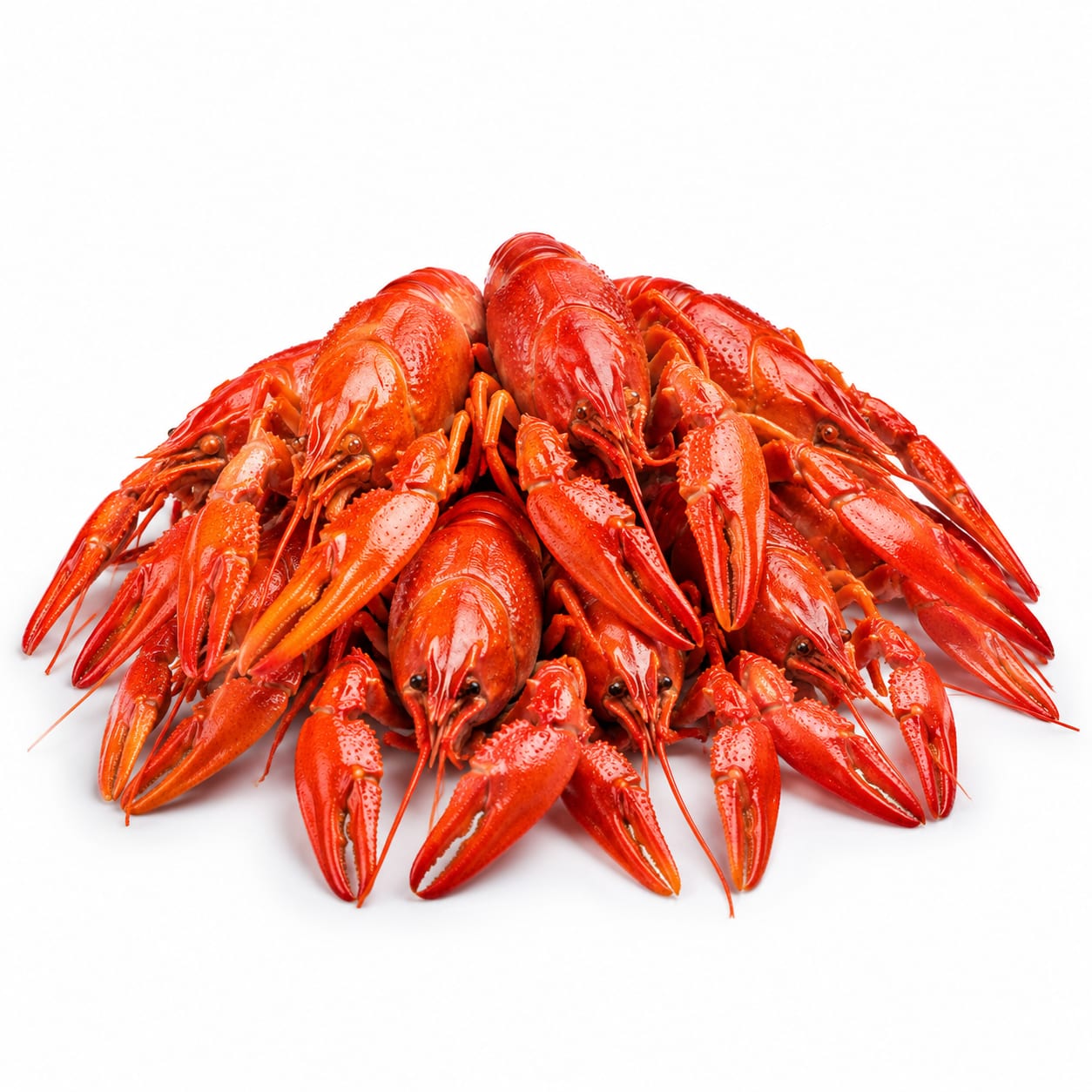
Crayfish
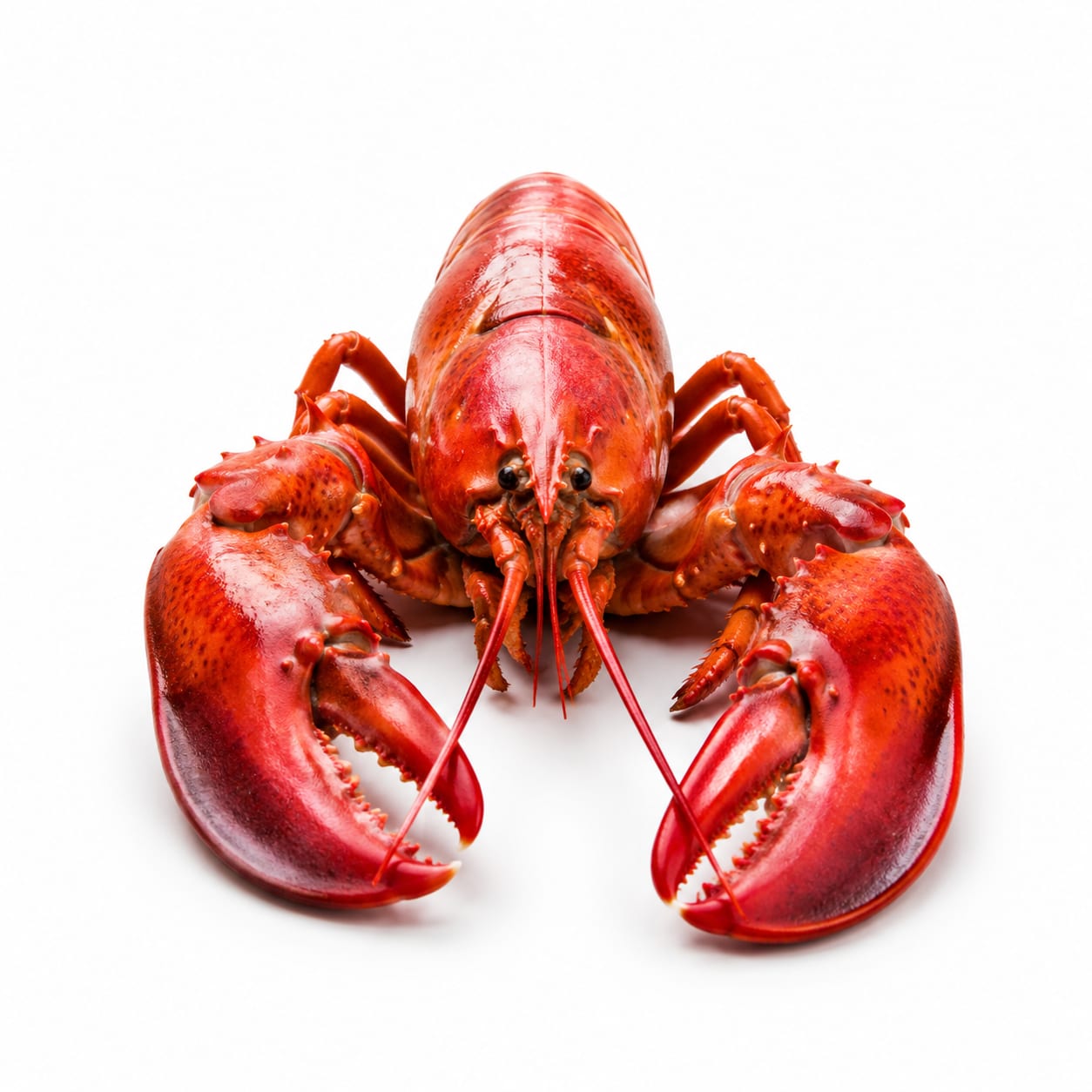
Lobster
Crayfish wins on sodium, affordability, and lower contaminant risk. Lobster delivers more protein per serving and feels more satisfying as a main dish. Choose based on what matters more for your situation.
Crayfish edges ahead due to lower sodium, lower contaminant risk, and dramatically better affordability. Lobster scores well for protein density and meal satisfaction but loses ground on cost and cumulative safety for regular consumption.
Crayfish is the safer, cheaper everyday shellfish. Lobster is the more indulgent, protein-dense centerpiece with higher sodium and cost.
At a glance
Executive summary
Overall
It depends
Healthier
Crayfish
More practical
Crayfish
Daily use
Crayfish
Key comparison lenses
protein quality and leanness for clean eating
Both are shellfish prized for lean protein, so users want to know which delivers better nutritional value per bite
sodium and cholesterol tradeoffs for heart health
Shellfish carry cholesterol and sodium concerns, especially for cardiovascular-conscious eaters
mercury and heavy metal exposure
Larger shellfish accumulate more contaminants, making safety a key differentiator
affordability and accessibility for regular meals
Lobster is a luxury protein while crayfish is far more budget-friendly, impacting practical daily choices
culinary versatility and portion satisfaction
Lobster offers substantial meat portions while crayfish is typically eaten in smaller amounts, affecting how filling each feels
Best choice for
Crayfish
- Budget-conscious seafood lovers
- People watching sodium intake
- Frequent shellfish eaters minimizing contaminant exposure
- Southern and Cajun cuisine enthusiasts
- Families needing affordable protein
Lobster
- Special occasion diners wanting a luxurious meal
- Those seeking maximum protein per serving
- People who find small-shell seafood frustrating
- Low-fat diet followers needing lean protein
Least suitable for
Crayfish
- Diners wanting a filling main course from a single serving
- People impatient with peeling small shells
- Those needing high protein volume quickly
Lobster
- Strict sodium-restricted diets
- Frequent seafood eaters concerned about cumulative mercury
- Budget-limited households
- Those who find rich seafood heavy
Deep comparison
Dimension by dimension
Each lens scores both foods and breaks down who each option suits.
- Dimension 1 · Priority 92Lobster
Protein Density and Quality
Crayfish · 72Lobster · 86Lobster provides more protein per ounce and per serving, making it more efficient for muscle maintenance and satiety.
Tradeoff
Crayfish still delivers solid protein but requires eating more total quantity to match lobster's per-serving output.
Why it matters
If you are eating shellfish as a primary protein source, lobster gets you there with less volume.
Real-world impact
A single lobster tail can serve as a complete protein main. Crayfish often needs to be supplemented with other proteins to feel like a full meal.
Crayfish
- Lighter protein portions for salads and pasta
Better for
- Bodybuilders needing high protein volume
Worse for
Lobster
- Post-workout recovery meals
- Single-dish protein completeness
- Older adults needing efficient protein intake
Better for
- Small appetite eaters who find large protein portions overwhelming
Worse for
- Dimension 2 · Priority 88Crayfish
Sodium Load
Crayfish · 82Lobster · 45Crayfish naturally contains significantly less sodium than lobster, which can be surprisingly high even before any butter or seasoning is added.
Tradeoff
Lobster's sodium jumps further when served with drawn butter or in restaurant preparations, while crayfish boils also add sodium but the base meat starts lower.
Why it matters
For anyone managing blood pressure or heart health, lobster's sodium is a hidden trap that crayfish avoids more easily.
Real-world impact
A lobster dinner can deliver half your daily sodium before you touch the butter. Crayfish gives you more room to season without blowing your sodium budget.
Crayfish
- Hypertension management
- Heart-healthy meal planning
- Low-sodium diets
Better for
- Those who need extra electrolytes after intense exercise
Worse for
Lobster
- Athletes who lose sodium through heavy sweating
Better for
- Anyone on a sodium-restricted diet
- People prone to bloating from salt
Worse for
- Dimension 3 · Priority 85Crayfish
Contaminant and Mercury Exposure
Crayfish · 80Lobster · 58Crayfish generally carry lower mercury and heavy metal levels because they are smaller and lower on the food chain. Lobster accumulates more over its longer lifespan.
Tradeoff
Both are moderate-risk shellfish, not high-mercury like tuna, but lobster's larger size and longer life mean more bioaccumulation.
Why it matters
If you eat shellfish weekly, the cumulative difference matters more than an occasional meal would suggest.
Real-world impact
Frequent lobster eaters should track their overall seafood mercury intake. Crayfish offers more breathing room for regular consumption.
Crayfish
- Pregnant women choosing safer shellfish
- Weekly seafood eaters managing cumulative exposure
- Children eating shellfish occasionally
Better for
- Those eating from polluted freshwater sources where crayfish may absorb local contaminants
Worse for
Lobster
- Rare indulgence diners where accumulation is negligible
Better for
- Pregnant women limiting mercury
- People who eat seafood multiple times per week
Worse for
- Dimension 4 · Priority 80Crayfish
Affordability and Accessibility
Crayfish · 90Lobster · 35Crayfish is dramatically more affordable and accessible, especially in regions where it is harvested locally. Lobster remains a premium-priced protein.
Tradeoff
Lobster's cost limits it to occasional meals for most households, while crayfish can be a regular part of meal rotation.
Why it matters
The healthiest protein is the one you can actually afford to eat consistently.
Real-world impact
A crayfish boil for a family costs a fraction of a lobster dinner. For weekly meal planning, crayfish is realistically in the rotation; lobster usually is not.
Crayfish
- Families on a grocery budget
- Meal preppers wanting affordable lean protein
- Frequent seafood consumers
Better for
- Diners seeking luxury experience
Worse for
Lobster
- Celebratory meals where cost is secondary
- Business dinners and special occasions
Better for
- Anyone tracking food costs
- Students and young professionals on tight budgets
Worse for
- Dimension 5 · Priority 75Lobster
Meal Satisfaction and Fullness
Crayfish · 55Lobster · 82Lobster delivers a substantial, meaty eating experience that feels like a complete main. Crayfish is often more of a nibbling food that rarely satisfies alone.
Tradeoff
Crayfish eating is social and leisurely but leaves you hungry if not paired with sides. Lobster stands on its own as a filling dish.
Why it matters
Satiety matters for not overeating later. A satisfying lobster dinner may prevent late-night snacking that a light crayfish dish does not.
Real-world impact
After a lobster dinner, you feel full and satisfied. After a crayfish boil, you may still be reaching for rice, corn, or bread to feel complete.
Crayfish
- Social eating experiences and gatherings
- Light appetizer courses
- Flavor-forward dishes where meat is not the focus
Better for
- Diners wanting to feel full from one plate
Worse for
Lobster
- Date nights and special dinners
- Main course satisfaction
- Low-carb diners needing filling protein
Better for
- Light eaters who feel uncomfortably stuffed
Worse for
- Dimension 6 · Priority 70It depends
Cholesterol Considerations
Crayfish · 65Lobster · 62Both shellfish are moderate-to-high in dietary cholesterol, though current science suggests dietary cholesterol has less impact on blood cholesterol than once believed for most people.
Tradeoff
Crayfish is slightly lower in cholesterol per serving, but the difference is modest and unlikely to matter unless you eat large quantities frequently.
Why it matters
For the small subset with genetic cholesterol sensitivity, even small differences add up over time.
Real-world impact
Most healthy eaters can enjoy either without worrying about cholesterol. If your doctor has flagged your numbers, crayfish gives a slight edge.
Crayfish
- People with familial hypercholesterolemia
- Those actively lowering dietary cholesterol
Better for
- Very few people need to avoid crayfish specifically for cholesterol
Worse for
Lobster
- Healthy individuals where dietary cholesterol is not a concern
Better for
- Those on strict cholesterol-lowering protocols
Worse for
Timeline
Health impact over time
Short-term
Hours to days
Crayfish
- Light, easy-to-digest protein that rarely causes heaviness
- Lower sodium means less post-meal thirst and bloating
- Peeling effort slows eating pace, which aids digestion and satiety signals
Lobster
- Rich, dense protein that feels deeply satisfying
- Higher sodium can cause thirst and water retention after restaurant preparations
- Butter-heavy serving styles can trigger sluggishness in sensitive eaters
Long-term
Months to years
Crayfish
- Lower cumulative mercury exposure supports safer frequent consumption
- Affordability enables consistent lean protein intake long-term
- Lower sodium baseline reduces cardiovascular strain with regular eating
Lobster
- Higher mercury accumulation risk with weekly or more frequent consumption
- Excellent protein quality supports muscle preservation in aging adults when eaten moderately
- Sodium load from regular lobster meals could contribute to blood pressure concerns over time
Risk profile
Safety & processing
Both crayfish and lobster are whole, minimally processed foods when purchased fresh or frozen. The main additive concerns come from preparation methods like boils, butter sauces, and restaurant seasonings rather than the shellfish themselves.
Crayfish
Freshwater contaminant exposure
mediumCrayfish from polluted waterways can accumulate pesticides and industrial chemicals. Source matters more than with ocean-caught lobster.
Foodborne illness from improper handling
mediumLike all shellfish, crayfish spoil quickly. Proper refrigeration and thorough cooking are essential, especially for boils where large batches sit out.
Allergic reactions
highCrayfish is a crustacean shellfish and triggers the same severe allergic responses as lobster, shrimp, and crab.
Lobster
Mercury and heavy metal accumulation
mediumLobster's longer lifespan and larger size lead to more bioaccumulation of mercury and cadmium compared to crayfish. Moderate consumption is key.
High sodium in prepared forms
mediumRestaurant lobster is often steamed in salted water and served with butter, pushing sodium well beyond natural levels.
Allergic reactions
highLobster is a top crustacean allergen. Reactions can be severe and life-threatening for sensitized individuals.
Gout flare-ups
lowBoth shellfish contain purines, but lobster's larger serving sizes may contribute more uric acid per meal for those with gout.
Who wins for whom
Audience fit
Same foods, different winners depending on your goal.
children
CrayfishLower mercury exposure and smaller, fun-to-peel pieces make crayfish more appropriate for kids. Lobster's higher contaminant load is less ideal for developing bodies.
daily consumption
CrayfishLower cost, lower sodium, and lower contaminant risk make crayfish the more sustainable daily choice. Lobster is better reserved for occasional meals.
diabetes
CrayfishBoth are essentially zero-carb, but crayfish's lower sodium reduces cardiovascular risk that diabetics already face at higher rates.
elderly
It dependsLobster's protein density helps prevent sarcopenia, but its sodium is problematic for the many older adults managing blood pressure. Crayfish is safer for heart health but requires more volume for protein needs.
muscle gain
LobsterLobster delivers more protein per serving, making it easier to hit protein targets without eating large volumes.
weight loss
CrayfishCrayfish is lower in calories and sodium, and the peeling effort naturally slows consumption. Lower calorie density helps with portion control.
Your move
Decision guide
Choose Crayfish
- You eat shellfish more than once a week and want to minimize cumulative mercury
- You are watching your sodium or blood pressure
- Budget matters for your meal planning
- You enjoy social, hands-on eating experiences
- You want a lighter protein that pairs well with grains and vegetables
Choose Lobster
- You want a satisfying, filling main course from a single protein
- You are celebrating or treating yourself
- You need efficient protein density for muscle maintenance
- You rarely eat shellfish so contaminant accumulation is not a concern
- You find peeling small shells tedious and prefer easy-to-access meat
Either works if
- You have a crustacean allergy, as both are equally dangerous
- You want zero-carb lean protein and both are available fresh
- You are eating shellfish as an occasional treat rather than a staple
Avoid both if
- You have a known crustacean shellfish allergy
- You have severe gout and are sensitive to purines
- You are on a strict very-low-sodium diet and cannot control preparation methods
- You are pregnant and uncertain about seafood sourcing quality
Final recommendation
For most people eating shellfish regularly, crayfish is the smarter default: cheaper, lower sodium, and safer from a contaminant standpoint. Save lobster for when you want the experience and satisfaction of a proper main course. Both are excellent lean proteins, but crayfish is the one you can actually afford to eat often without second-guessing the health math.
Practical
Consumer tips
- 1
Ask about sourcing for crayfish: farm-raised from clean operations is safer than wild-caught from unknown waterways
- 2
For lobster, choose smaller specimens when possible as they tend to have lower mercury accumulation
- 3
Skip the drawn butter with lobster to avoid turning a lean protein into a high-calorie, high-saturated-fat meal
- 4
Crayfish tails frozen without shells are convenient but check sodium on the label as some are pre-brined
- 5
If watching sodium, steam or boil both shellfish in unsalted water and season at the table instead
- 6
Pregnant women can safely eat crayfish 1-2 times per week but should limit lobster to once per week maximum
- 7
Both freeze well: buy in season when prices drop and store for later use