
Nutrition comparison
Crayfish vs Scallops: Nutrition, Cholesterol & Health Comparison
Compare Crayfish vs Scallops to see which shellfish is healthier. Learn about cholesterol, protein, mercury, and the best choice for weight loss and heart health.
Overall winner · Scallops
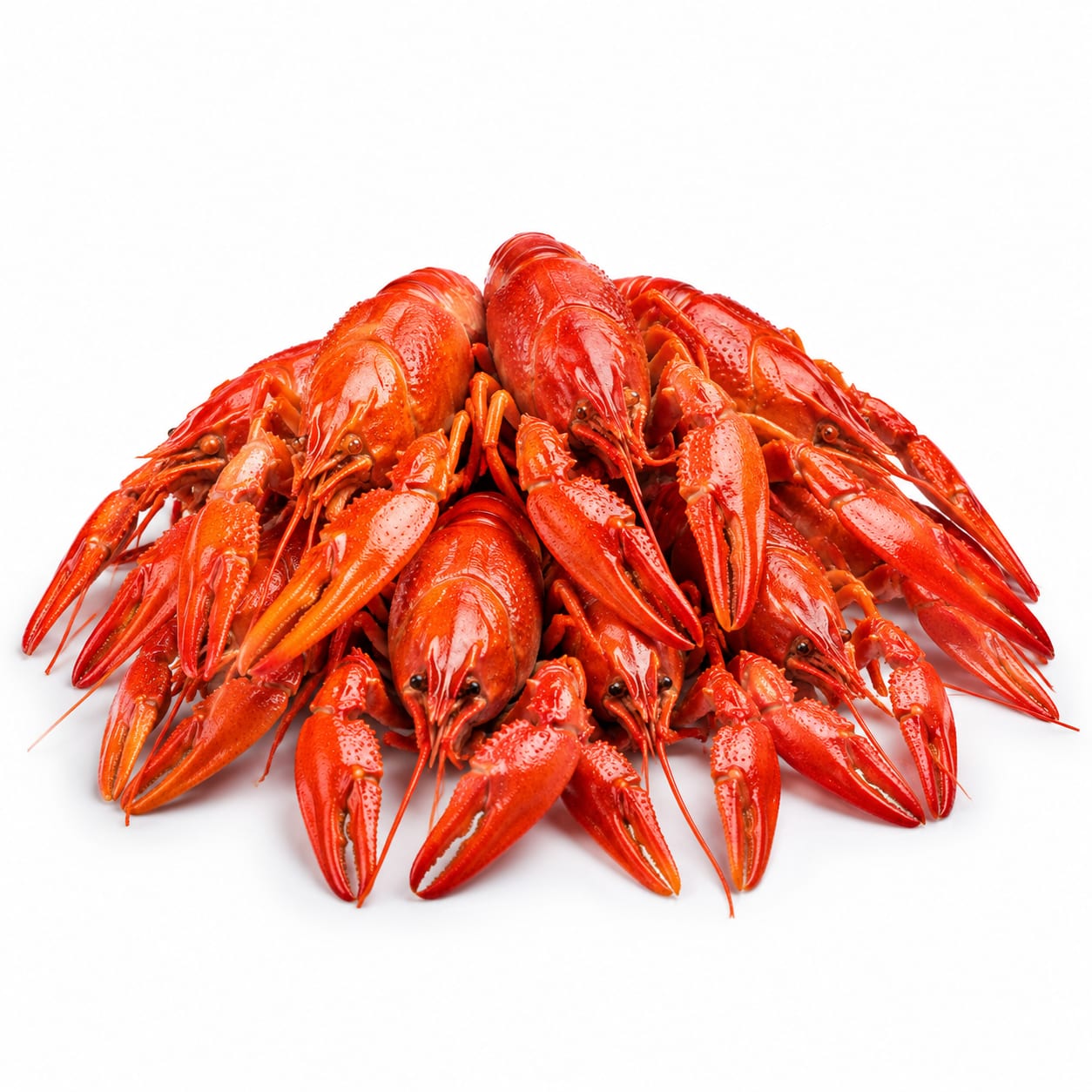
Crayfish
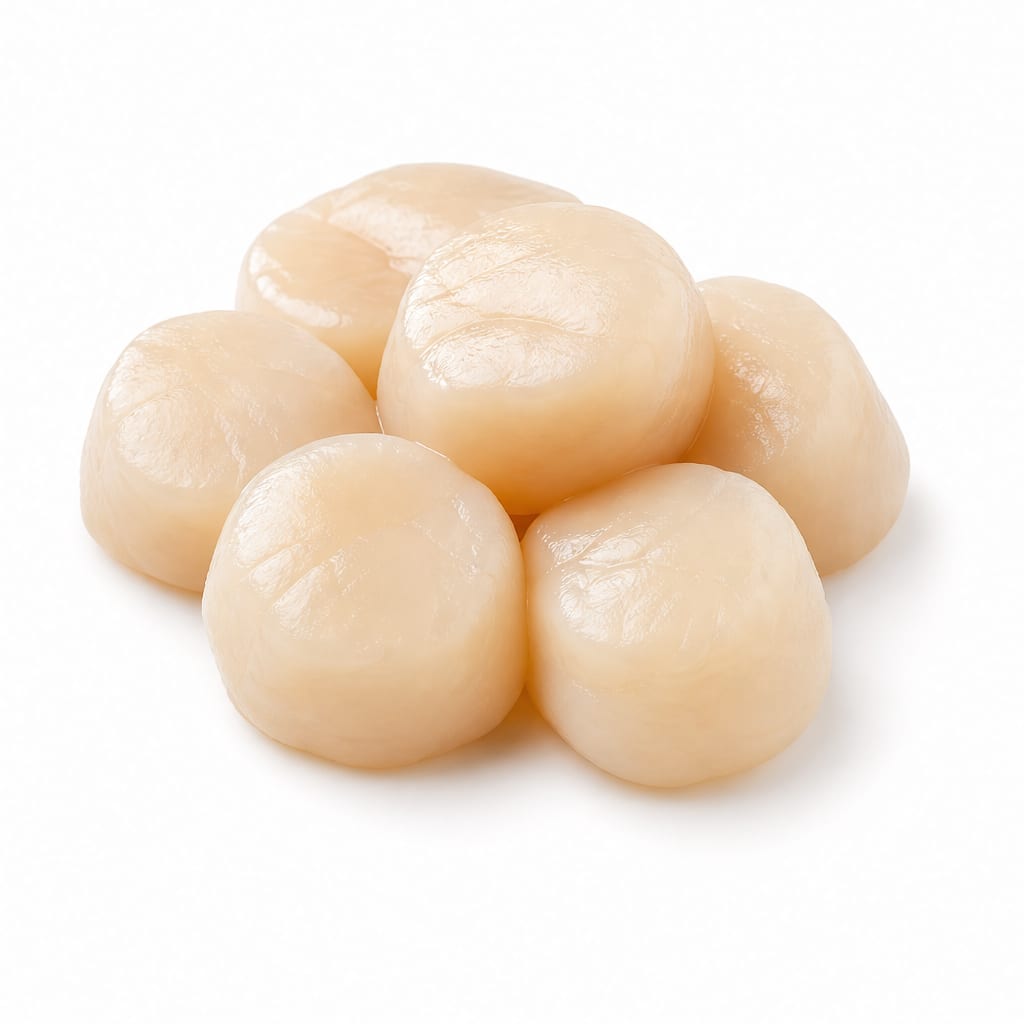
Scallops
Scallops are the cleaner, leaner, and more convenient choice for everyday eating, while Crayfish offer a fun, flavorful experience better suited for occasional gatherings.
Scallops score higher due to their superior heart-health profile, lower cholesterol, and effortless preparation. Crayfish are nutritious but dragged down by high cholesterol and the hassle of peeling.
You trade the festive, bold flavor of Crayfish for the dramatically lower cholesterol, easier prep, and milder elegance of Scallops.
At a glance
Executive summary
Overall
Scallops
Healthier
Scallops
More practical
Scallops
Daily use
Scallops
Key comparison lenses
Cholesterol and heart health impact
Crayfish are surprisingly high in cholesterol compared to Scallops, making this a critical differentiator for health-conscious eaters.
Comparing lean shellfish protein sources
Both are popular low-fat seafood options, but users often want to know which offers better nutritional value per calorie.
Seafood safety and heavy metal exposure
Crayfish are bottom feeders, which raises different contamination concerns compared to swimming scallops.
Meal convenience and preparation effort
Scallops cook in minutes and are eaten whole, while Crayfish require peeling and are often reserved for social boils.
Best choice for
Crayfish
- Hosting a lively backyard seafood boil
- Craving a bold, spicy, hands-on meal
- Those wanting a festive, social eating experience
Scallops
- Weeknight dinners ready in under 10 minutes
- Strict heart-healthy or low-cholesterol diets
- Elegant date-night meals with a light, clean taste
Least suitable for
Crayfish
- People monitoring their dietary cholesterol
- Anyone needing a quick, low-effort weeknight protein
- Diners who dislike fighting with shells
Scallops
- Very tight grocery budgets
- Those who prefer strong, fishy flavors
- Large social gatherings where peeling food is part of the fun
Deep comparison
Dimension by dimension
Each lens scores both foods and breaks down who each option suits.
- Dimension 1 · Priority 95Scallops
Heart Health & Cholesterol
Crayfish · 55Scallops · 95Scallops are a heart-health superstar with minimal cholesterol, while Crayfish pack a surprisingly heavy cholesterol punch.
Tradeoff
Choosing Crayfish means accepting a significant cholesterol load in exchange for richer flavor.
Why it matters
If you have a family history of high cholesterol, Scallops are far safer for your arteries.
Real-world impact
Eating Crayfish regularly could push your daily cholesterol over recommended limits, whereas Scallops keep your heart diet completely on track.
Crayfish
- Those with no cholesterol concerns who prioritize flavor
Better for
- People on statins or strict lipid-lowering diets
Worse for
Scallops
- Anyone with high cholesterol
- Heart-healthy Mediterranean diets
Better for
- Those who need high-calorie weight gain diets
Worse for
- Dimension 2 · Priority 85Scallops
Calorie Density & Leanness
Crayfish · 82Scallops · 95Both are incredibly lean, but Scallops offer slightly more protein with fewer calories and almost zero fat.
Tradeoff
Crayfish have a touch more natural flavor from slightly higher fat, but Scallops are the ultimate clean-cut protein.
Why it matters
When cutting calories, every gram counts; Scallops let you eat a larger portion for the same caloric cost.
Real-world impact
A plate of Scallops leaves you light and energized, while the butter often paired with Crayfish can make the meal heavier.
Crayfish
- Keto dieters who want a slightly higher fat shellfish
Better for
- Those tracking every single calorie
Worse for
Scallops
- Strict calorie counters
- Competition prep diets
Better for
- Those who find ultra-lean meats unsatisfying
Worse for
- Dimension 3 · Priority 80Scallops
Contaminant & Heavy Metal Risk
Crayfish · 70Scallops · 88Scallops swim in cleaner water columns, while Crayfish forage at the bottom, exposing them to more sediment pollutants.
Tradeoff
Crayfish offer a richer, earthier taste that comes with a slightly higher risk of environmental contaminants.
Why it matters
Regular consumption of bottom-feeders can lead to a higher accumulation of heavy metals over time.
Real-world impact
Choosing Scallops gives you peace of mind for frequent seafood meals, whereas Crayfish are best enjoyed in moderation.
Crayfish
- Sourcing from trusted, clean farms
Better for
- Those worried about waterway pollution
Worse for
Scallops
- Pregnant women
- Frequent seafood eaters
Better for
- Those with specific scallop allergies
Worse for
- Dimension 4 · Priority 75Scallops
Culinary Ease & Versatility
Crayfish · 55Scallops · 92Scallops sear in minutes and absorb flavors beautifully, while Crayfish require tedious peeling and are limited to specific dishes.
Tradeoff
You give up the interactive, hands-on fun of a Crayfish boil for the refined, quick-cooking convenience of Scallops.
Why it matters
If you are tired after a long day, searing Scallops is effortless, but preparing Crayfish feels like a project.
Real-world impact
Scallops turn a boring Tuesday into a fancy dinner in 6 minutes; Crayfish are strictly a weekend event.
Crayfish
- Outdoor cooking and BBQs
- Interactive party appetizers
Better for
- Quick lunch prep
- Cooking for one
Worse for
Scallops
- Fast weeknight meals
- Elegant dinner parties
Better for
- Casual, finger-food settings
Worse for
Timeline
Health impact over time
Short-term
Hours to days
Crayfish
- Provides a solid protein hit, but traditional boil preparations can leave you bloated from sodium.
- The rich flavor is highly satisfying but can sit heavy if cooked in butter.
Scallops
- Delivers clean, light energy that will not weigh you down, making it a perfect post-workout meal.
- Quick digestion means you will feel satisfied without feeling sluggish.
Long-term
Months to years
Crayfish
- Frequent consumption could negatively impact blood lipid panels due to high cholesterol.
- Occasional enjoyment provides great nutrients without significant risk.
Scallops
- Supports cardiovascular health and steady muscle maintenance with minimal fat or cholesterol baggage.
- Excellent staple for aging gracefully and maintaining metabolic health.
Risk profile
Safety & processing
Both Crayfish and Scallops are whole, natural foods. However, Crayfish boils often involve heavy artificial seasoning salts, and wet-packed Scallops are frequently treated with sodium tripolyphosphate (STPP) to retain moisture.
Crayfish
High Cholesterol Load
mediumA single serving of Crayfish can contain over 200mg of cholesterol, which is a concern for heart health.
Environmental Pollutants
mediumAs bottom-feeders, Crayfish can accumulate higher levels of heavy metals and pesticides from riverbeds.
Sodium in Preparation
highTraditional boiling methods use massive amounts of salt and spice mixes, turning a lean protein into a sodium bomb.
Scallops
STPP Additives
mediumWet-packed Scallops are soaked in sodium tripolyphosphate, which adds unnatural sodium and ruins the sear.
Foodborne Illness
lowLike all raw seafood, improper handling or undercooking can lead to vibrio or norovirus, though less common than with oysters.
Who wins for whom
Audience fit
Same foods, different winners depending on your goal.
children
ScallopsScallops are easier to chew and swallow, and lack the shells that pose a choking hazard with Crayfish.
daily consumption
ScallopsScallops can be eaten multiple times a week without cholesterol concerns, while Crayfish should be an occasional treat.
diabetes
ScallopsScallops have zero carbs and a much lower cholesterol content, making them safer for diabetic cardiovascular health.
elderly
ScallopsThe soft texture of Scallops is gentle on aging teeth, and the low cholesterol supports heart health in later years.
muscle gain
It dependsBoth offer excellent high-quality protein; Crayfish has slightly more protein per ounce, but Scallops are easier to eat in large quantities.
weight loss
ScallopsScallops are lower in calories and fat, making them the ultimate lean protein for shedding pounds.
Your move
Decision guide
Choose Crayfish
- You are hosting a festive outdoor boil and want bold, spicy flavor.
- You prioritize the social, hands-on experience of peeling seafood.
- You have no cholesterol concerns and crave a richer shellfish taste.
Choose Scallops
- You need a fast, elegant dinner ready in under 10 minutes.
- You are watching your cholesterol or sticking to a heart-healthy diet.
- You want maximum protein and leanness with zero fuss.
Either works if
- You simply want high-quality aquatic protein to throw on a salad.
- You are meal-prepping seafood for the week.
Avoid both if
- You have a severe shellfish or mollusk allergy.
- You are on a strict low-sodium diet and cannot control how they are seasoned.
Final recommendation
Make Scallops your go-to for everyday lean eating and quick meals; save Crayfish for the occasional fun, flavorful gathering.
Practical
Consumer tips
- 1
Always buy 'dry-packed' Scallops to avoid the STPP chemical additive found in wet-packed versions; they sear much better too.
- 2
If cooking Crayfish, try boiling them with lots of citrus and garlic rather than heavy salt packets to slash the sodium.
- 3
Do not overcook Scallops; they only need 1-2 minutes per side in a hot pan—once they are opaque, they are done.
- 4
If you love Crayfish but worry about cholesterol, stick to smaller portions and fill your plate with veggies instead of corn and potatoes.