
Nutrition comparison
Crayfish vs Crab: Nutrition, Mercury, and Health Comparison
Compare crayfish and crab to see which shellfish is healthier. Learn about protein, omega-3s, mercury levels, and which is better for weight loss or daily use.
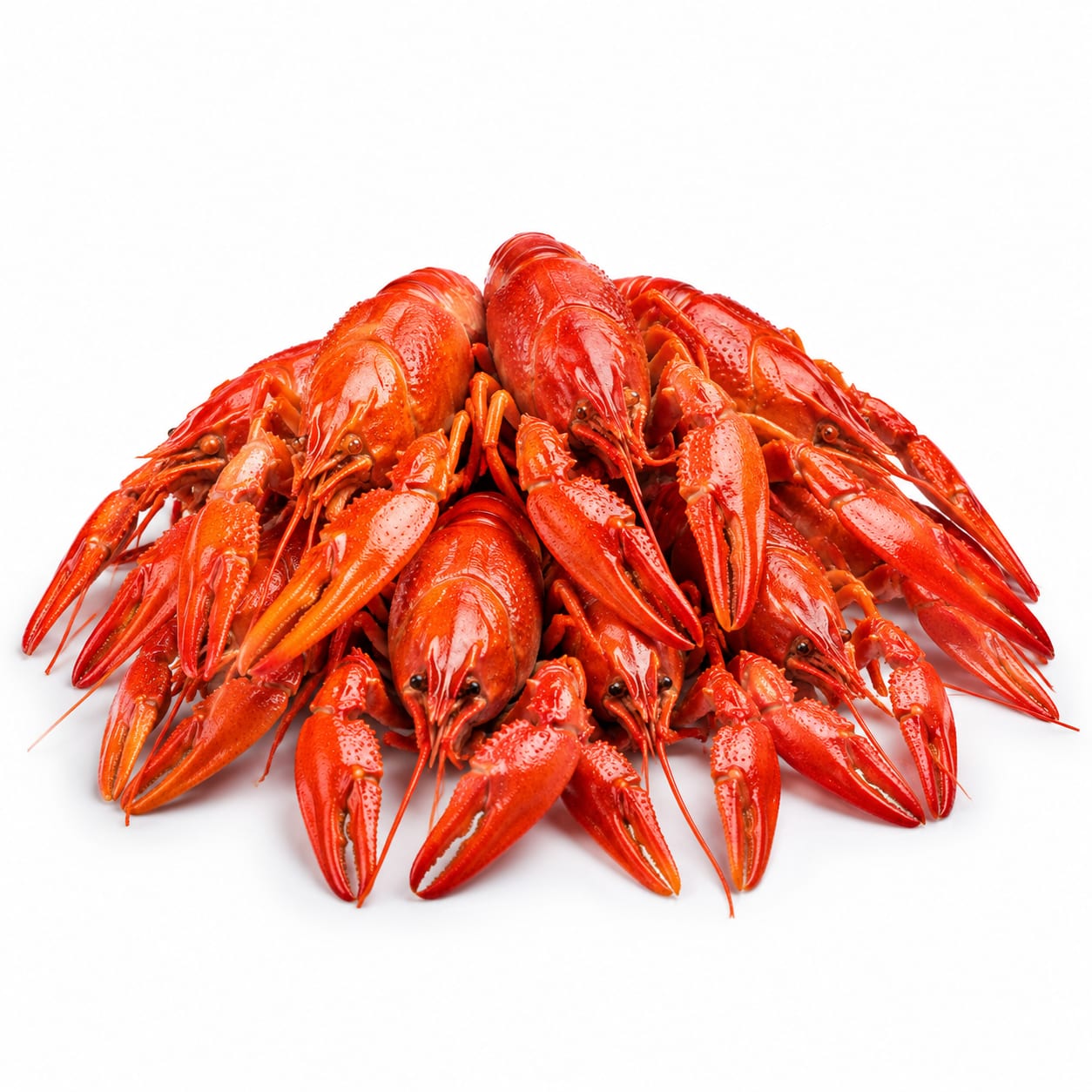
Crayfish
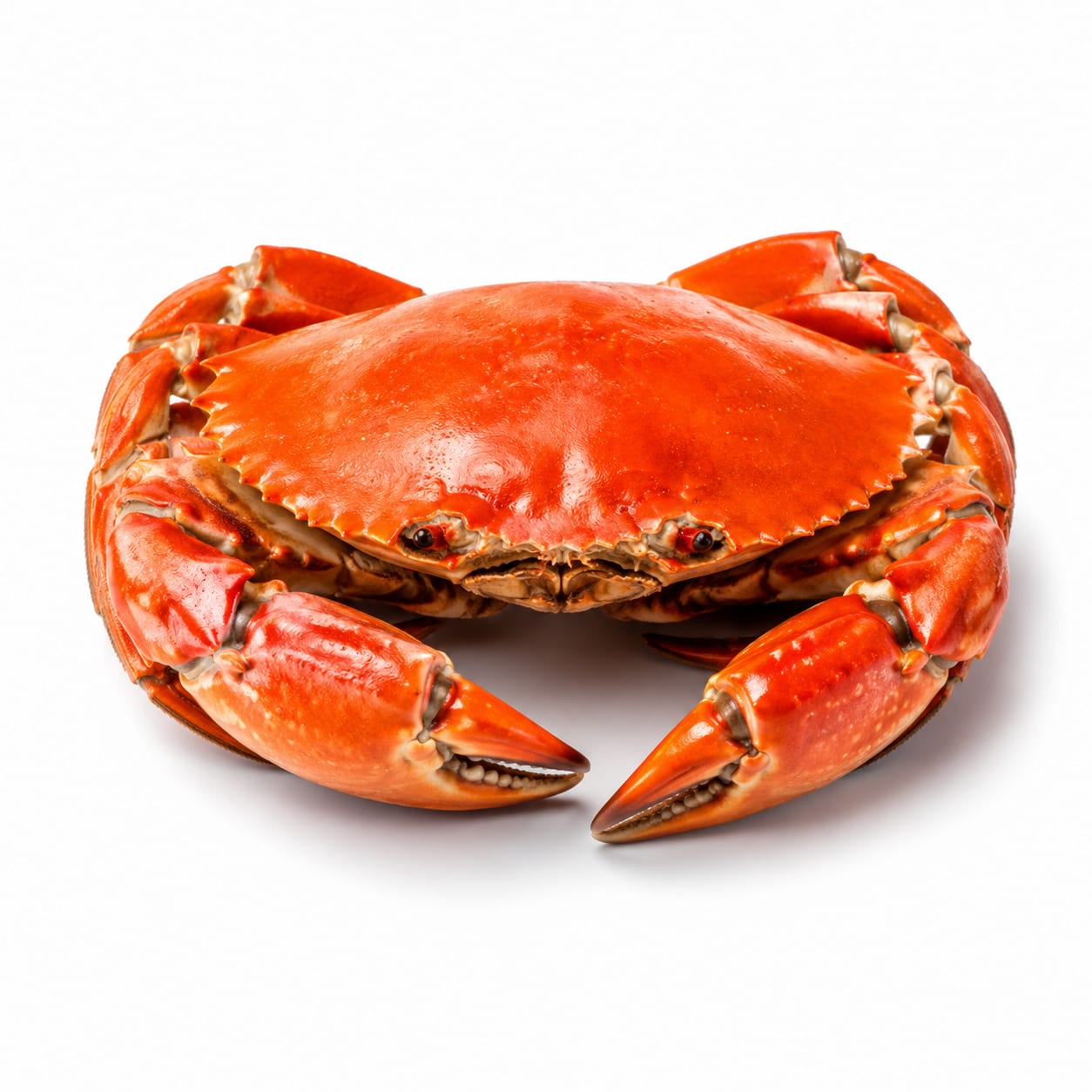
Crab
Crab delivers more omega-3s, B12, and protein per bite, but crayfish is a leaner, lower-mercury shellfish that's easier on the wallet.
Crab wins slightly due to its exceptional B12, zinc, and omega-3 content, but crayfish stays competitive because of its cleaner contaminant profile and lower calorie density.
You trade the superior micronutrient density of crab for the lower heavy metal risk and lower calorie count of crayfish.
At a glance
Executive summary
Overall
It depends
Healthier
Crab
More practical
Crayfish
Daily use
Crayfish
Key comparison lenses
Heavy metal and contaminant exposure
Shellfish are bottom feeders, making mercury, cadmium, and microplastics a major decision factor for regular consumers.
Protein quality and satiety for muscle maintenance
Both are lean shellfish, but their protein density and essential amino acid profiles differ slightly.
Omega-3 and micronutrient density
Crab is known for high B12 and zinc, while crayfish offers a leaner but less nutrient-dense profile.
Sodium and cholesterol load
Both are often prepared in high-sodium boils, but their natural sodium and cholesterol levels impact heart health.
Best choice for
Crayfish
- People concerned about mercury and heavy metals
- Those wanting a lean, low-calorie protein source
- Budget-conscious seafood lovers
Crab
- People needing a B12 and zinc boost for immunity
- Those focused on omega-3s for brain and heart health
- Athletes seeking higher protein density
Least suitable for
Crayfish
- Those needing high omega-3 intake from food
- People with severe shellfish allergies (both are risky, but cross-reactivity varies)
Crab
- People strictly monitoring cholesterol
- Those worried about cadmium exposure from brown meat
Deep comparison
Dimension by dimension
Each lens scores both foods and breaks down who each option suits.
- Dimension 1 · Priority 85Crab
Protein & Satiety
Crayfish · 75Crab · 88Crab packs more protein per serving, making it more filling and better for muscle repair.
Tradeoff
Crayfish is slightly lower in calories but you get less protein per bite, meaning you might feel hungry sooner.
Why it matters
Higher protein keeps you full longer and stabilizes blood sugar after meals.
Real-world impact
A crab salad will keep you satisfied through the afternoon better than a similarly portioned crayfish dish.
Crayfish
- People wanting lighter meals where lower calories matter more than max protein
Better for
- Bodybuilders needing high protein density
Worse for
Crab
- Post-workout recovery
- Staying full between meals
Better for
- Very low-calorie diet phases
Worse for
- Dimension 2 · Priority 80Crab
Omega-3 & Brain Health
Crayfish · 55Crab · 82Crab is a significantly better source of EPA and DHA omega-3s, which are crucial for brain and heart health.
Tradeoff
Choosing crayfish means missing out on the natural omega-3 boost that crab provides, requiring you to get it elsewhere.
Why it matters
Omega-3s from seafood reduce inflammation and support cognitive function over time.
Real-world impact
Eating crab regularly can help you meet your omega-3 needs without relying on supplements.
Crayfish
- People who get their omega-3s from fish oil or other fish
Better for
- Those relying solely on shellfish for omega-3s
Worse for
Crab
- Older adults wanting to support memory
- People avoiding fish oil supplements
Better for
- People on blood thinners who must limit omega-3s
Worse for
- Dimension 3 · Priority 90Crayfish
Heavy Metal & Contaminant Safety
Crayfish · 85Crab · 65Crayfish generally has lower mercury and cadmium levels compared to crab, especially if you avoid the crab's brown meat.
Tradeoff
While crab is more nutritious, its bottom-feeding habits and longer lifespan mean it accumulates more heavy metals.
Why it matters
Frequent consumption of high-mercury seafood can stress the nervous system and kidneys over time.
Real-world impact
If you eat shellfish weekly, crayfish is a safer staple to keep heavy metal exposure low.
Crayfish
- Pregnant women looking for safer seafood
- Frequent shellfish eaters
Better for
- Those who eat the hepatopancreas (the yellow fat), which holds toxins
Worse for
Crab
- Occasional eaters who want maximum nutrition per meal
Better for
- People eating brown crab meat, which is high in cadmium
Worse for
- Dimension 4 · Priority 78Crab
Micronutrient Density (B12, Zinc, Selenium)
Crayfish · 68Crab · 92Crab is a powerhouse of vitamin B12, zinc, and selenium, far outpacing crayfish in immune and energy support.
Tradeoff
You get more immune-boosting minerals from crab, but you also take on slightly more cholesterol.
Why it matters
B12 is vital for energy and nerve health, and zinc keeps your immune system resilient.
Real-world impact
A single serving of crab can cover your entire daily B12 requirement, fighting off afternoon fatigue.
Crayfish
- Those who already take a multivitamin or B-complex
Better for
- Vegans transitioning to seafood who need maximum micronutrients
Worse for
Crab
- People prone to B12 deficiency
- Anyone fighting off a cold who needs a zinc boost
Better for
- Those with hemochromatosis or iron overload concerns
Worse for
- Dimension 5 · Priority 75It depends
Sodium & Cholesterol Load
Crayfish · 70Crab · 65Both are naturally moderate in sodium and cholesterol, but traditional boils and butters can make either a sodium bomb.
Tradeoff
Crab has slightly more natural cholesterol, but the preparation method usually dictates the real sodium impact.
Why it matters
If you have high blood pressure, how these shellfish are seasoned matters more than the meat itself.
Real-world impact
A Louisiana-style boil of either seafood can easily exceed your daily sodium limit if you aren't careful.
Crayfish
- Steamed or boiled without heavy seasoning
Better for
- Crayfish boils soaked in salty spice mixes
Worse for
Crab
- Lump crab meat added to salads with light dressing
Better for
- Crab legs dipped in melted butter and salt
Worse for
Timeline
Health impact over time
Short-term
Hours to days
Crayfish
- High satiety with very few carbs, preventing blood sugar spikes
- Can cause bloating if eaten in large boils with spicy seasonings
Crab
- Quick protein satisfaction that stabilizes hunger for hours
- Rich mouthfeel from natural fats provides a comforting meal
Long-term
Months to years
Crayfish
- Lower risk of heavy metal accumulation with regular consumption
- Supports lean muscle maintenance without excess calories
Crab
- Excellent for preventing B12 deficiency and supporting nerve health
- Higher omega-3 intake reduces chronic inflammation over time
Risk profile
Safety & processing
Both are whole, natural foods when bought fresh or frozen. However, canned or pasteurized crab meat often contains sodium preservatives like sodium bisulfite, whereas crayfish is typically sold whole and frozen with fewer additives.
Crayfish
Hepatopancreas contaminants
mediumThe yellow fat in crayfish (hepatopancreas) filters toxins and can concentrate heavy metals and pesticides; it is best to avoid eating it in large quantities.
Foodborne illness from improper boiling
mediumUndercooked crayfish can carry parasites or bacteria, so thorough boiling is essential.
Crab
Cadmium in brown meat
highBrown crab meat from the body can accumulate high levels of cadmium, a toxic heavy metal. Sticking to white claw meat reduces this risk.
Sodium tripolyphosphate in canned meat
mediumMany commercial crab meats are treated with phosphates to retain moisture, which can add unnecessary sodium and phosphates to your diet.
Who wins for whom
Audience fit
Same foods, different winners depending on your goal.
children
CrayfishCrayfish has a lower heavy metal load, making it a safer option for kids' developing nervous systems, provided it is not too salty.
daily consumption
CrayfishLower mercury and cadmium levels make crayfish a safer choice to eat more frequently without accumulating heavy metals.
diabetes
It dependsBoth are zero-carb foods that will not spike blood sugar, but the high sodium in typical preparations requires caution for diabetics with blood pressure issues.
elderly
CrabThe high B12 and omega-3 content in crab supports brain health and combats age-related cognitive decline.
muscle gain
CrabCrab provides more protein per serving, which is the primary driver for muscle repair and growth.
weight loss
CrayfishCrayfish is slightly lower in calories and fat, making it easier to fit into a calorie deficit while still feeling like a treat.
Your move
Decision guide
Choose Crayfish
- You eat shellfish frequently and worry about heavy metal buildup
- You want a lean, low-calorie protein for weight management
- You love the social experience of a backyard seafood boil
- You are looking for a more budget-friendly seafood option
Choose Crab
- You want to maximize omega-3s without taking fish oil
- You need a B12 and zinc boost for energy and immunity
- You prefer the sweet, delicate meat for salads or crab cakes
- You are an athlete needing higher protein density
Either works if
- You just want a zero-carb, high-protein meal
- You are eating at a seafood restaurant and both are fresh
- You plan to drench them in butter anyway, negating some health benefits
Avoid both if
- You have a diagnosed shellfish allergy
- You are on a strict low-sodium diet and cannot control how they are seasoned
- You are prone to gout flares triggered by purine-rich foods
Final recommendation
If you prioritize peak nutrition and brain health, go for crab, specifically the white meat. If you eat shellfish often or want a leaner, safer everyday option, crayfish is the smarter long-term choice. Either way, skip the heavy butter and salty boils to keep the health benefits intact.
Practical
Consumer tips
- 1
When buying crab, opt for fresh or frozen lump meat over canned to avoid sodium phosphates and preservatives.
- 2
Avoid eating the yellow fat inside crayfish, as it concentrates environmental contaminants.
- 3
Skip the brown meat of the crab if you want to avoid cadmium; stick to the white claw and leg meat.
- 4
Steam or grill your shellfish instead of boiling in heavy spice mixes to keep sodium levels reasonable.
- 5
Pair either shellfish with a squeeze of lemon and a side of vegetables for a perfectly balanced, low-carb meal.