
Nutrition comparison
Crayfish vs Tuna: Mercury Safety, Protein, and Which Seafood to Eat More Often
Compare crayfish and tuna on mercury levels, protein content, omega-3s, cholesterol, and safety. Find out which seafood is better for daily eating, pregnancy, muscle gain, and weight loss.
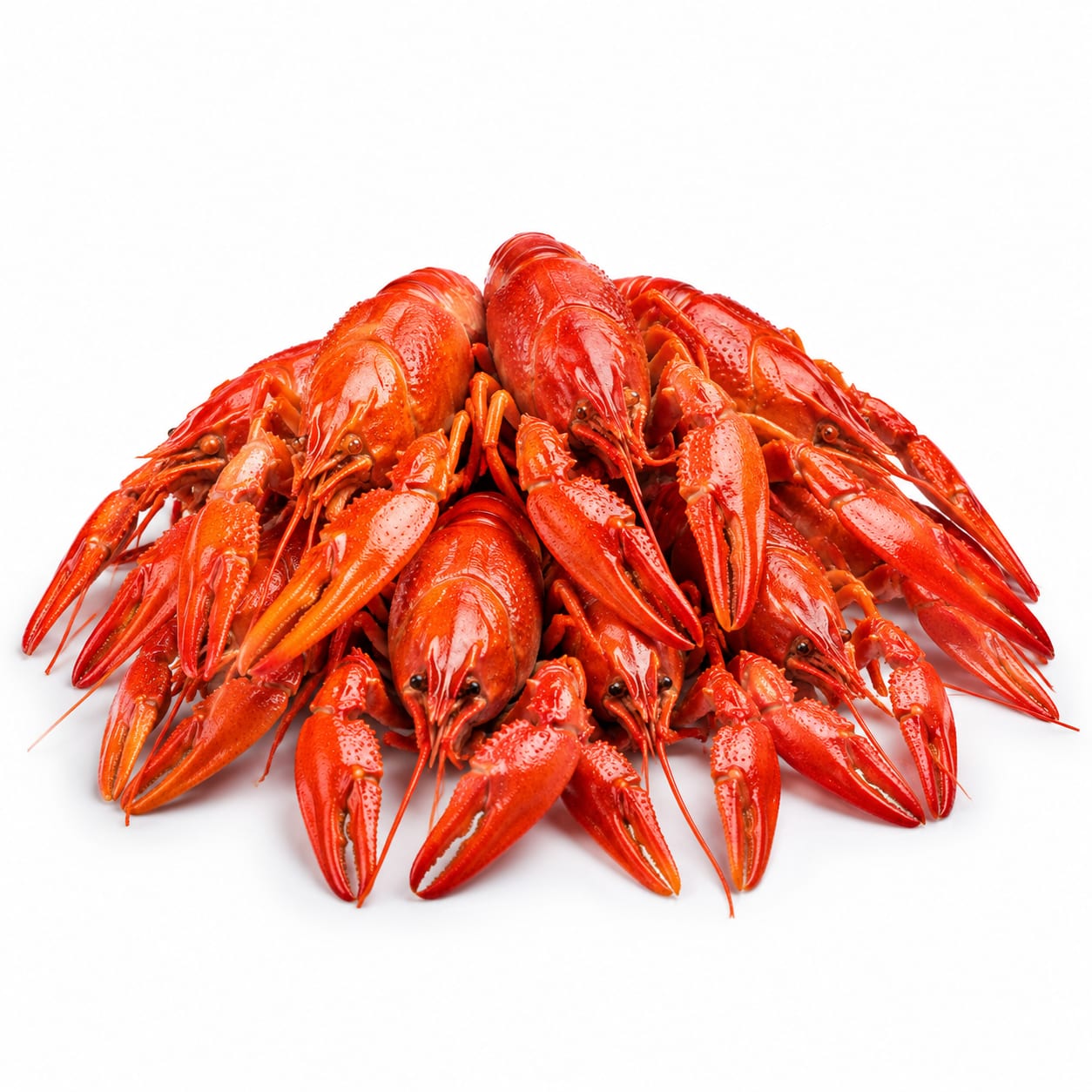
Crayfish
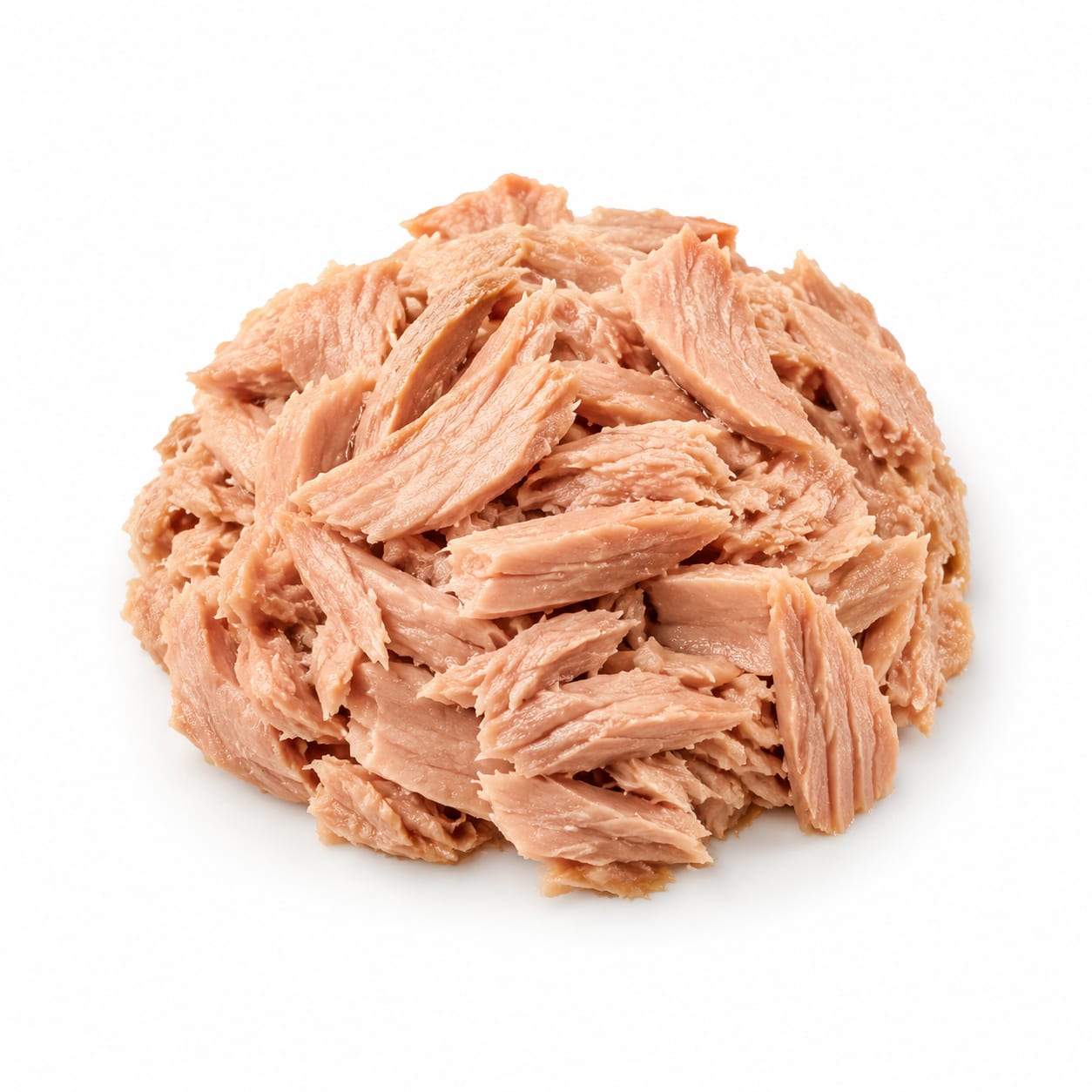
Tuna
Tuna wins on protein and omega-3s but carries real mercury baggage. Crayfish is the safer bet for frequent consumption but offers less nutritional punch per bite.
Tuna edges ahead on raw nutritional metrics but loses ground on safety for frequent consumption. The near-tie reflects that the better choice depends heavily on how often you eat seafood and your mercury sensitivity.
Nutritional density versus contamination safety — tuna feeds your body more effectively, but crayfish lets you eat seafood more often without worrying about heavy metals.
At a glance
Executive summary
Overall
It depends
Healthier
It depends
More practical
Tuna
Daily use
Crayfish
Key comparison lenses
mercury and contamination safety
Tuna carries well-documented mercury risks while crayfish generally accumulates far less, making this the dominant health concern for most consumers deciding between the two
protein quality and density
Both are prized as lean protein sources but differ significantly in protein per serving, with tuna delivering substantially more
omega3 and heart health
Tuna is a notably richer source of anti-inflammatory omega-3s, which matters for cardiovascular and cognitive health decisions
cholesterol and lipid impact
Crayfish is surprisingly high in dietary cholesterol, which may concern users managing lipid levels
everyday convenience and accessibility
Canned tuna is a pantry staple available everywhere, while crayfish is seasonal, regional, and requires more preparation effort
Best choice for
Crayfish
- Pregnant women and children who need low-mercury seafood
- People eating seafood 3+ times per week
- Anyone concerned about cumulative heavy metal exposure
- Louisiana-style cooking enthusiasts wanting authentic flavor
Tuna
- Athletes and lifters needing high protein per calorie
- People seeking omega-3s on a budget
- Busy professionals needing quick meal prep
- Anyone wanting a shelf-stable emergency protein source
Least suitable for
Crayfish
- People managing high cholesterol who watch dietary cholesterol intake
- Anyone needing quick weeknight meals with minimal prep
- Those outside regions where crayfish is readily available
Tuna
- Pregnant women, especially regarding albacore or bigeye varieties
- Children under 6 who are more vulnerable to mercury
- People eating seafood daily who need to limit cumulative mercury
Deep comparison
Dimension by dimension
Each lens scores both foods and breaks down who each option suits.
- Dimension 1 · Priority 95Crayfish
Mercury and Heavy Metal Safety
Crayfish · 88Tuna · 52Crayfish accumulates far less mercury than tuna, making it the clearly safer option for regular consumption.
Tradeoff
You give up some omega-3 benefits but gain peace of mind about long-term heavy metal exposure.
Why it matters
Mercury builds up over time and affects neurological health, especially in developing brains. Frequent tuna eaters can exceed safe exposure thresholds without realizing it.
Real-world impact
A person eating canned tuna daily could hit concerning mercury levels within months, while daily crayfish consumption stays well within safe limits.
Crayfish
- Pregnant and breastfeeding women
- Children under 12
- Anyone eating seafood more than twice weekly
Better for
- No significant safety downside for crayfish on this dimension
Worse for
Tuna
- Infrequent seafood eaters who only have tuna occasionally
Better for
- Regular tuna consumers accumulating mercury over years
- Families feeding kids tuna sandwiches frequently
Worse for
- Dimension 2 · Priority 85Tuna
Protein Density and Quality
Crayfish · 62Tuna · 91Tuna delivers roughly double the protein per serving compared to crayfish, with excellent amino acid completeness.
Tradeoff
Crayfish is still a solid protein source but you need larger portions to match tuna's protein hit.
Why it matters
Higher protein density means better satiety, easier muscle maintenance, and more efficient meals — especially when calories matter.
Real-world impact
A single can of tuna gives you about 25g of protein. You would need over a pound of crayfish meat to match that, which is expensive and impractical.
Crayfish
- Those who prefer grazing on smaller protein portions throughout the day
Better for
- Bodybuilders and strength athletes needing high protein intake
Worse for
Tuna
- Athletes needing efficient post-workout protein
- Anyone tracking macros who wants maximum protein per calorie
- Older adults combating age-related muscle loss
Better for
- No real downside on this dimension for tuna
Worse for
- Dimension 3 · Priority 80Tuna
Omega-3 Fatty Acids
Crayfish · 45Tuna · 82Tuna is a meaningfully better source of EPA and DHA omega-3s, especially fresh or frozen varieties.
Tradeoff
If heart and brain health through omega-3s is your priority, tuna delivers more per serving — but you must balance frequency against mercury risk.
Why it matters
Omega-3s reduce inflammation, support cardiovascular health, and are linked to better cognitive function. Most people get far too little.
Real-world impact
Two servings of tuna per week can meaningfully improve your omega-3 status, while crayfish contributes only modestly to your intake.
Crayfish
- Those already taking fish oil supplements who need less from food sources
Better for
- Those relying solely on crayfish for marine omega-3 intake
Worse for
Tuna
- People not supplementing omega-3s who rely on food as their primary source
- Anyone focused on heart health and anti-inflammatory eating
Better for
- No real downside on this dimension for tuna
Worse for
- Dimension 4 · Priority 70Tuna
Cholesterol and Lipid Profile
Crayfish · 48Tuna · 78Crayfish is surprisingly high in dietary cholesterol, while tuna remains quite lean with minimal cholesterol per serving.
Tradeoff
If you are watching dietary cholesterol — whether from doctor's orders or personal concern — tuna is the easier choice.
Why it matters
While dietary cholesterol does not affect blood cholesterol as much as once believed, sensitive individuals still need to monitor intake.
Real-world impact
A serving of crayfish contains roughly 200mg of cholesterol, approaching the daily recommended limit. Tuna sits comfortably under 50mg per serving.
Crayfish
- People without cholesterol concerns who enjoy crayfish occasionally
Better for
- Individuals with familial hypercholesterolemia
- Those whose doctors have advised limiting dietary cholesterol
Worse for
Tuna
- Anyone managing high blood cholesterol
- People on heart-healthy diets monitoring dietary cholesterol
Better for
- No significant lipid downside for tuna
Worse for
- Dimension 5 · Priority 65Tuna
Convenience and Accessibility
Crayfish · 35Tuna · 90Canned tuna is one of the most accessible proteins on earth. Crayfish is seasonal, regional, and labor-intensive.
Tradeoff
You sacrifice culinary tradition and unique flavor for grab-and-go practicality.
Why it matters
The best protein source is the one you actually eat consistently. Convenience often determines what reaches your plate.
Real-world impact
Tuna is available in every grocery store, needs no refrigeration until opened, and requires zero cooking. Crayfish demands boiling, peeling, and is hard to find outside the American South.
Crayfish
- Home cooks who enjoy the ritual of a crawfish boil
- Those living in regions where crayfish is locally abundant
Better for
- Weeknight dinner in a hurry
- Anyone living far from crayfish country
Worse for
Tuna
- Busy professionals needing five-minute meals
- Anyone stocking a pantry for quick protein
- Students and budget-conscious meal preppers
Better for
- Gourmet dinner occasions where canned fish feels inappropriate
Worse for
- Dimension 6 · Priority 60Tuna
Satiety and Fullness
Crayfish · 55Tuna · 80Tuna's higher protein density keeps you fuller for longer, while crayfish portions tend to be smaller and less satiating.
Tradeoff
Crayfish eating is often a social, leisurely experience that feels satisfying in a different way — but the physical fullness lasts less.
Why it matters
Protein is the most satiating macronutrient. Getting enough in a meal reduces snacking and overeating later.
Real-world impact
A tuna salad lunch will likely carry you to dinner. A crayfish dish may leave you hunting for a snack within a couple hours.
Crayfish
- Social eaters who consume crayfish as part of a larger feast with sides
Better for
- People using crayfish as a standalone meal
Worse for
Tuna
- Anyone eating solo who needs one dish to hold them over
- Weight loss dieters relying on protein for appetite control
Better for
- No real satiety downside for tuna
Worse for
Timeline
Health impact over time
Short-term
Hours to days
Crayfish
- High sodium if boiled with heavy seasoning, which can cause bloating and thirst
- Mild allergic reactions possible in shellfish-sensitive individuals, sometimes first-time reactions
- Satisfying social eating experience that supports emotional wellbeing
Tuna
- Quick protein satisfaction that stabilizes hunger within 30 minutes
- Possible histamine reactions in canned tuna, especially if not fresh — headaches or flushing
- Easy digestion for most people, making it a comfortable post-workout option
Long-term
Months to years
Crayfish
- Low mercury accumulation allows safe frequent consumption over decades
- Dietary cholesterol load may become relevant if eaten very regularly alongside other high-cholesterol foods
- Selenium and B-vitamin intake supports thyroid and immune function long-term
Tuna
- Mercury accumulation is the primary concern — regular consumption over years can affect neurological function
- Strong omega-3 intake supports cardiovascular and cognitive health when consumed at safe frequencies
- Consistent lean protein intake helps maintain muscle mass and metabolic health with aging
Risk profile
Safety & processing
Fresh or frozen crayfish is typically sold with minimal processing — just cleaned and cooked. Canned tuna often contains added salt, and sometimes vegetable broths or pyrophosphates for moisture retention. Fresh or frozen tuna is closer to whole food, but the most commonly consumed form (canned) introduces moderate processing concerns.
Crayfish
Shellfish allergy
highCrayfish is a crustacean and one of the top eight allergens. Reactions can be severe and sometimes appear unexpectedly in adults with no prior history.
Sodium from boil seasonings
mediumTraditional crawfish boils use heavy salt and spice mixes, which can push a single serving well above recommended sodium limits.
Waterborne contaminants
lowCrayfish from polluted waters can accumulate industrial chemicals and pesticides, but commercially farmed crayfish generally tests within safe limits.
Tuna
Mercury exposure
highTuna, especially albacore and bigeye, accumulates significant methylmercury. Regular consumption can exceed EPA safety thresholds, particularly dangerous for pregnant women and children.
Scombroid poisoning
mediumImproperly stored fresh tuna can develop high histamine levels, causing flushing, headaches, and gastrointestinal distress within hours of eating.
BPA from can linings
lowSome canned tuna still uses BPA in can linings, which may have endocrine-disrupting effects with frequent long-term consumption.
Who wins for whom
Audience fit
Same foods, different winners depending on your goal.
children
CrayfishLower mercury makes crayfish the safer seafood choice for developing nervous systems, though shellfish allergy risk should be monitored.
daily consumption
CrayfishCrayfish can be eaten more frequently without mercury accumulation concerns, though its high cholesterol means variety is still wise.
diabetes
TunaBoth are essentially zero-carb foods, but tuna's higher protein content provides steadier blood sugar support through improved satiety and reduced between-meal snacking.
elderly
TunaOlder adults benefit most from tuna's superior protein density to combat sarcopenia, and moderate consumption keeps mercury risk manageable at 1-2 servings per week.
muscle gain
TunaTuna delivers substantially more complete protein per serving, which is the critical factor for muscle repair and growth.
weight loss
TunaTuna's higher protein density and lower calorie-to-protein ratio make it more effective for appetite control and maintaining lean mass during caloric deficits.
Your move
Decision guide
Choose Crayfish
- You are pregnant, breastfeeding, or feeding young children and want safe seafood
- You eat seafood three or more times per week and worry about cumulative mercury
- You have access to fresh crayfish and enjoy the social cooking experience
- You are avoiding high-mercury fish but still want lean protein
Choose Tuna
- You need maximum protein per dollar and per calorie
- You eat seafood only once or twice a week and want the most nutritional impact per serving
- You want a shelf-stable protein that requires zero cooking
- You are focused on omega-3 intake and do not take fish oil supplements
Either works if
- You rotate seafood varieties throughout the week anyway
- You are generally healthy with no specific mercury or cholesterol concerns
- You simply want a lean protein to round out a salad or grain bowl
Avoid both if
- You have a seafood or shellfish allergy
- You are on a strict low-sodium diet and would season crayfish heavily or eat salted canned tuna
- You have gout and are sensitive to purine-rich foods — both are moderate-to-high in purines
Final recommendation
The smartest approach is rotation. Eat tuna once or twice a week for omega-3s and protein density, and use crayfish when you want seafood more often without the mercury worry. If you must pick one for daily eating, crayfish is the safer long-term choice. If you eat seafood rarely and want maximum benefit per serving, tuna delivers more.
Practical
Consumer tips
- 1
Choose skipjack or light canned tuna over albacore — it has roughly one-third the mercury content
- 2
Limit albacore tuna to one serving per week if you are an adult, and avoid it entirely if pregnant
- 3
If buying crayfish, look for commercially farmed or domestically sourced to reduce contaminant risk
- 4
Rinse canned tuna to remove roughly 20-30% of the added sodium
- 5
For crayfish boils, consider reducing salt in the seasoning mix by half — the flavor still comes through
- 6
Fresh or frozen tuna steaks have more omega-3s than canned but also higher mercury than light canned tuna
- 7
If you eat tuna regularly, ask your doctor about checking blood mercury levels at your next physical