
Nutrition comparison
Crayfish vs Shrimp: Nutrition, Taste, and Health Comparison
Comparing crayfish and shrimp? Discover which shellfish is better for protein, cholesterol, and daily meals, and learn the real nutritional tradeoffs.
Overall winner · Shrimp
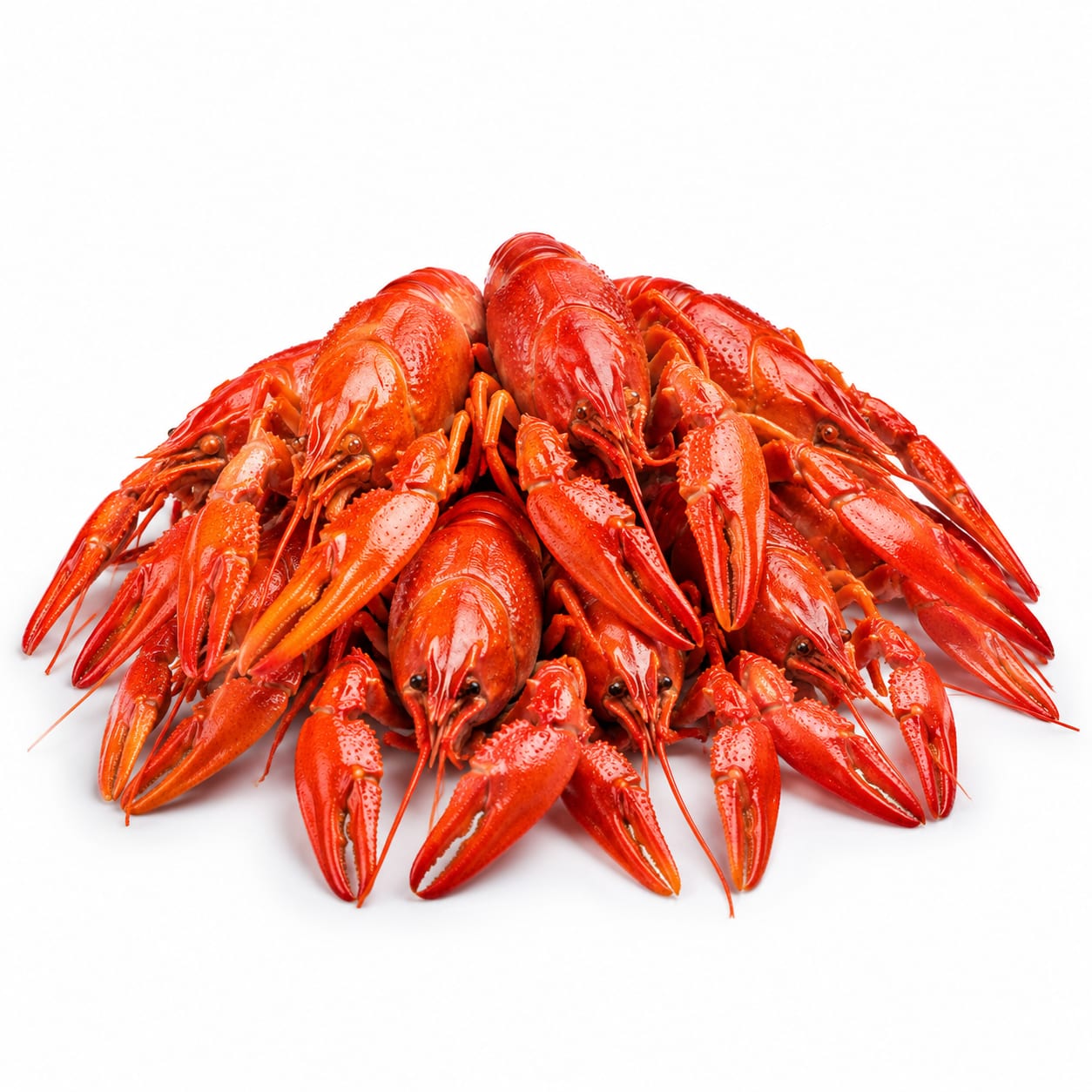
Crayfish
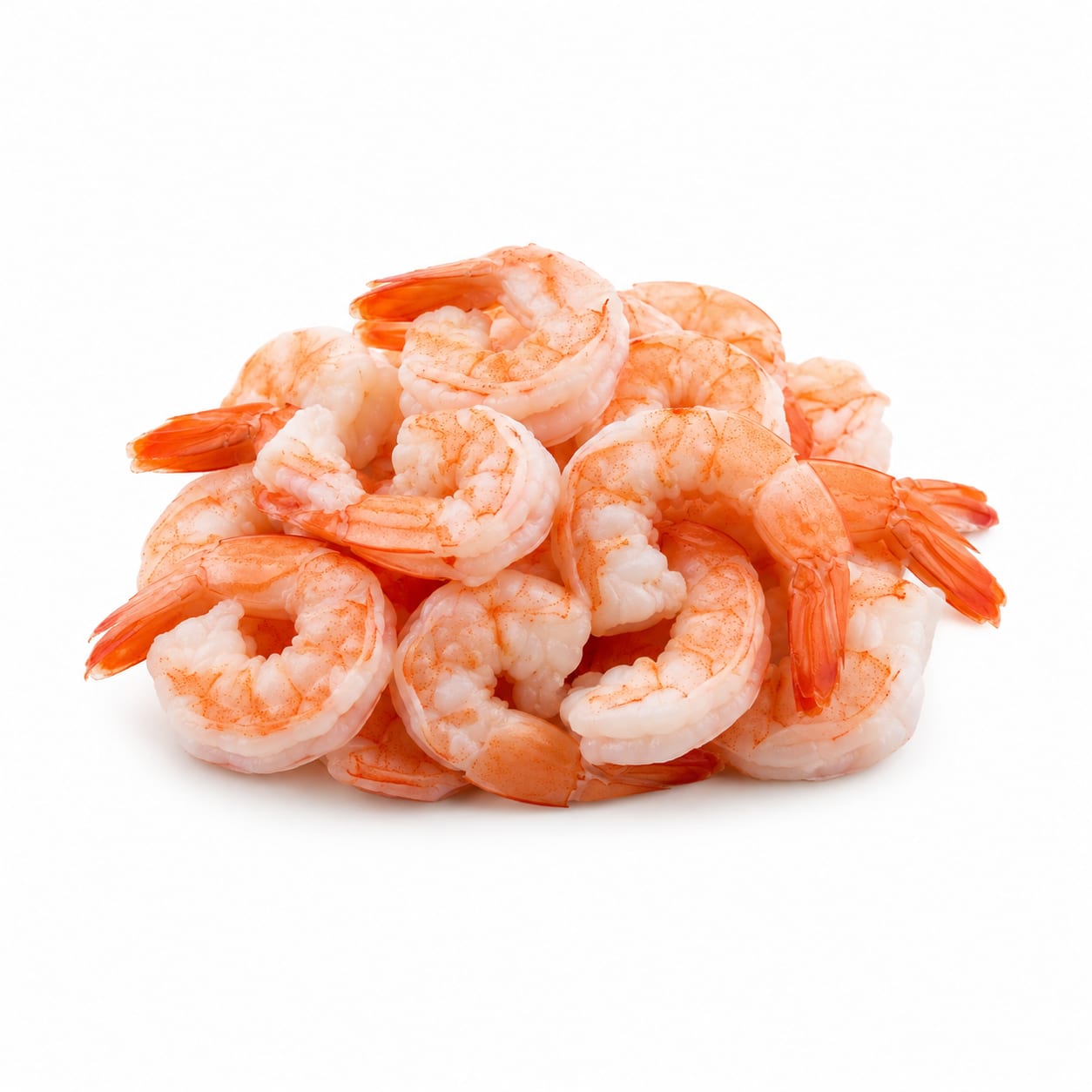
Shrimp
Shrimp wins on convenience, meat yield, and versatility, while crayfish offers a fun, lower-cholesterol eating experience that requires much more effort for less meat.
Shrimp scores higher primarily due to its practicality, meat yield, and versatility in daily cooking, whereas crayfish is more of a niche, seasonal treat with a frustratingly low meat-to-effort ratio.
Effortless, high-protein meals with shrimp versus the messy, social, low-yield indulgence of crayfish.
At a glance
Executive summary
Overall
Shrimp
Healthier
It depends
More practical
Shrimp
Daily use
Shrimp
Key comparison lenses
Protein quality and convenience for daily meals
Both are lean shellfish, but the ease of eating shrimp versus the tedious peeling of crayfish drastically impacts real-world protein intake.
Cholesterol and heart health impact
Shrimp is notoriously high in dietary cholesterol, while crayfish offers a leaner profile, which matters greatly for cholesterol-sensitive individuals.
Contaminants, heavy metals, and farming practices
Both are bottom-feeders, but imported farmed shrimp carries high antibiotic risks, whereas crayfish sourcing has different water-quality concerns.
Sodium and preparation methods
Crayfish is almost exclusively eaten in high-sodium boils, while shrimp is highly versatile and easily prepared with minimal salt.
Best choice for
Crayfish
- Seasonal social gatherings
- Low-cholesterol seafood diets
- Cajun cuisine enthusiasts
Shrimp
- Quick weeknight dinners
- High-protein meal prep
- Salad and stir-fry additions
Least suitable for
Crayfish
- Quick meals
- Low-sodium diets
- People who dislike messy hands
Shrimp
- Severe shellfish allergies
- Very low-cholesterol prescribed diets
Deep comparison
Dimension by dimension
Each lens scores both foods and breaks down who each option suits.
- Dimension 1 · Priority 92Shrimp
Protein & Satiety
Crayfish · 75Shrimp · 90Shrimp delivers more protein per bite with far less effort, making it a superior choice for muscle maintenance and feeling full.
Tradeoff
Crayfish provides solid protein but the low meat yield means you consume less actual protein unless you peel a massive pile of shells.
Why it matters
Getting enough protein shouldn't feel like a chore; high-yield foods make hitting daily targets realistic.
Real-world impact
A bowl of shrimp gives you a filling, high-protein meal in minutes; a crayfish boil leaves you full from the effort but lighter on actual protein intake.
Crayfish
- Social eating experiences where pacing matters
Better for
- Quick hunger relief
- Efficient calorie intake
Worse for
Shrimp
- High-protein meal prep
- Post-workout recovery
Better for
- Slowing down while eating
Worse for
- Dimension 2 · Priority 88Crayfish
Cholesterol & Heart Health
Crayfish · 85Shrimp · 70Crayfish is significantly lower in cholesterol than shrimp, making it a more comfortable choice for those strictly monitoring dietary cholesterol.
Tradeoff
Shrimp's higher cholesterol isn't a danger for most people, but it can be a red flag for those with genetic hypercholesterolemia.
Why it matters
Dietary cholesterol affects individuals differently; for sensitive people, the difference between these two matters greatly.
Real-world impact
If your doctor told you to watch dietary cholesterol, crayfish lets you enjoy shellfish without pushing your daily limits.
Crayfish
- Heart-health conscious diners
- Low-cholesterol prescribed diets
Better for
- High-purine gout triggers
Worse for
Shrimp
- Healthy individuals needing nutrient density
Better for
- Cholesterol-sensitive individuals
Worse for
- Dimension 3 · Priority 85It depends
Contaminants & Sourcing
Crayfish · 75Shrimp · 78Both are bottom-feeders with moderate contaminant risks, but farmed shrimp often faces antibiotic concerns, while crayfish can accumulate local water pollutants.
Tradeoff
Shrimp's massive global farming industry brings antibiotic risks, while crayfish sourcing is often wild-caught but dependent on local water quality.
Why it matters
What the animal eats and where it lives directly affects what ends up on your plate.
Real-world impact
Choosing wild-caught or responsibly farmed options is crucial for both, but imported farmed shrimp requires more label-reading diligence.
Crayfish
- Avoiding farmed seafood antibiotics
Better for
- Uncertain local water quality
Worse for
Shrimp
- Consistent quality from reputable wild-caught sources
Better for
- Risks associated with unregulated imported farms
Worse for
- Dimension 4 · Priority 90Shrimp
Convenience & Meat Yield
Crayfish · 40Shrimp · 95Shrimp is a convenience powerhouse—easy to peel, cook, and eat. Crayfish is a messy, time-consuming project with very little meat per animal.
Tradeoff
Crayfish is an interactive, social eating experience, while shrimp is a practical, efficient fuel source.
Why it matters
If a food is hard to prepare and eat, you are far less likely to rely on it for daily nutrition.
Real-world impact
You can meal-prep a week's worth of shrimp in 10 minutes; extracting a meal's worth of crayfish meat takes an hour of peeling.
Crayfish
- Interactive dinner parties
Better for
- Busy weeknights
- Clean, mess-free eating
Worse for
Shrimp
- Quick weeknight dinners
- Meal prepping
Better for
- Experiential, hands-on dining
Worse for
- Dimension 5 · Priority 80It depends
Sodium & Preparation
Crayfish · 60Shrimp · 75Both absorb seasonings well, but traditional crayfish boils are aggressively salty, whereas shrimp can be easily cooked with minimal sodium.
Tradeoff
Crayfish is almost always served in a high-sodium boil, while shrimp is versatile enough for low-sodium preparations.
Why it matters
Hidden sodium in cooking liquids can easily blow past daily limits and trigger bloating.
Real-world impact
A crayfish boil can pack a day's worth of sodium; a simple garlic-sautéed shrimp keeps sodium completely in your control.
Crayfish
- Intense flavor experiences
Better for
- Low-sodium diets
Worse for
Shrimp
- Blood pressure management
- Clean eating diets
Better for
- Bold, indulgent flavor cravings
Worse for
Timeline
Health impact over time
Short-term
Hours to days
Crayfish
- High sodium from boils can cause immediate bloating and thirst
- Satiety from the sheer volume of shells and the slow pace of eating
Shrimp
- Quick, high-quality protein keeps you full without feeling heavy
- Fast digestion makes it ideal for post-workout recovery
Long-term
Months to years
Crayfish
- Lower cholesterol intake supports heart health for sensitive individuals
- Potential heavy metal exposure if consistently sourced from polluted waters
Shrimp
- Excellent iodine intake supports thyroid function
- Consistent high-quality protein supports muscle retention and metabolic health
Risk profile
Safety & processing
Both are whole, natural foods at their core, but farmed shrimp frequently undergoes chemical treatments for preservation and texture, whereas crayfish is typically sold fresh or frozen with minimal additives.
Crayfish
Local water pollutants
mediumCrayfish are bottom-dwellers that can accumulate industrial pollutants or pesticides from local waterways.
High sodium cooking
mediumTraditional boiling methods can lead to excessive sodium intake, impacting blood pressure.
Shrimp
Antibiotic residues
highImported farmed shrimp often tests positive for banned antibiotics used to prevent disease in crowded farms.
Sodium tripolyphosphate (STPP)
mediumUsed to retain moisture in frozen shrimp, which adds unnatural phosphates and sodium.
Who wins for whom
Audience fit
Same foods, different winners depending on your goal.
children
ShrimpShrimp is easier for kids to eat and less messy; crayfish requires sharp shells and tedious peeling.
daily consumption
ShrimpShrimp's convenience and versatility make it a realistic daily staple; crayfish is too much effort for everyday eating.
diabetes
ShrimpZero carbs in both, but shrimp offers lower-sodium preparation options, making it better for managing blood pressure alongside diabetes.
elderly
ShrimpShrimp is easier to chew and digest, while crayfish peeling can be tough on arthritic hands.
muscle gain
ShrimpHigher protein density and easier consumption make shrimp far superior for hitting daily muscle-building targets.
weight loss
ShrimpShrimp provides more protein with fewer calories from effort-based eating, keeping you full without the sodium bloat of a crayfish boil.
Your move
Decision guide
Choose Crayfish
- You want a fun, social, hands-on eating experience
- You are strictly limiting dietary cholesterol
- You love Cajun seasoning and don't mind the sodium
Choose Shrimp
- You need quick, high-protein weeknight meals
- You want a versatile seafood for salads, pastas, or stir-fries
- You prefer controlling your sodium intake
Either works if
- You want a low-carb, high-protein seafood option
- You are craving shellfish and have access to high-quality sourcing
Avoid both if
- You have a severe shellfish allergy
- You are on a strict low-purine diet for gout management
Final recommendation
Keep shrimp as your everyday protein workhorse for its convenience and versatility, and save crayfish for special social occasions where the messy, hands-on experience is the whole point.
Practical
Consumer tips
- 1
Look for wild-caught shrimp or check labels to avoid antibiotic-treated farmed shrimp.
- 2
If buying frozen shrimp, check the ingredients list to avoid sodium tripolyphosphate (STPP).
- 3
When eating crayfish, soak them in the boil briefly rather than long-soaking to reduce sodium absorption.
- 4
Squeeze lemon over both to enhance flavor without adding more salt.