
Nutrition comparison
Crayfish vs Tilapia: Nutrition, Cholesterol, and Safety Compared
Comparing Crayfish and Tilapia? Discover the key differences in cholesterol, omega-3 fats, and safety to find out which lean seafood is better for your health goals.
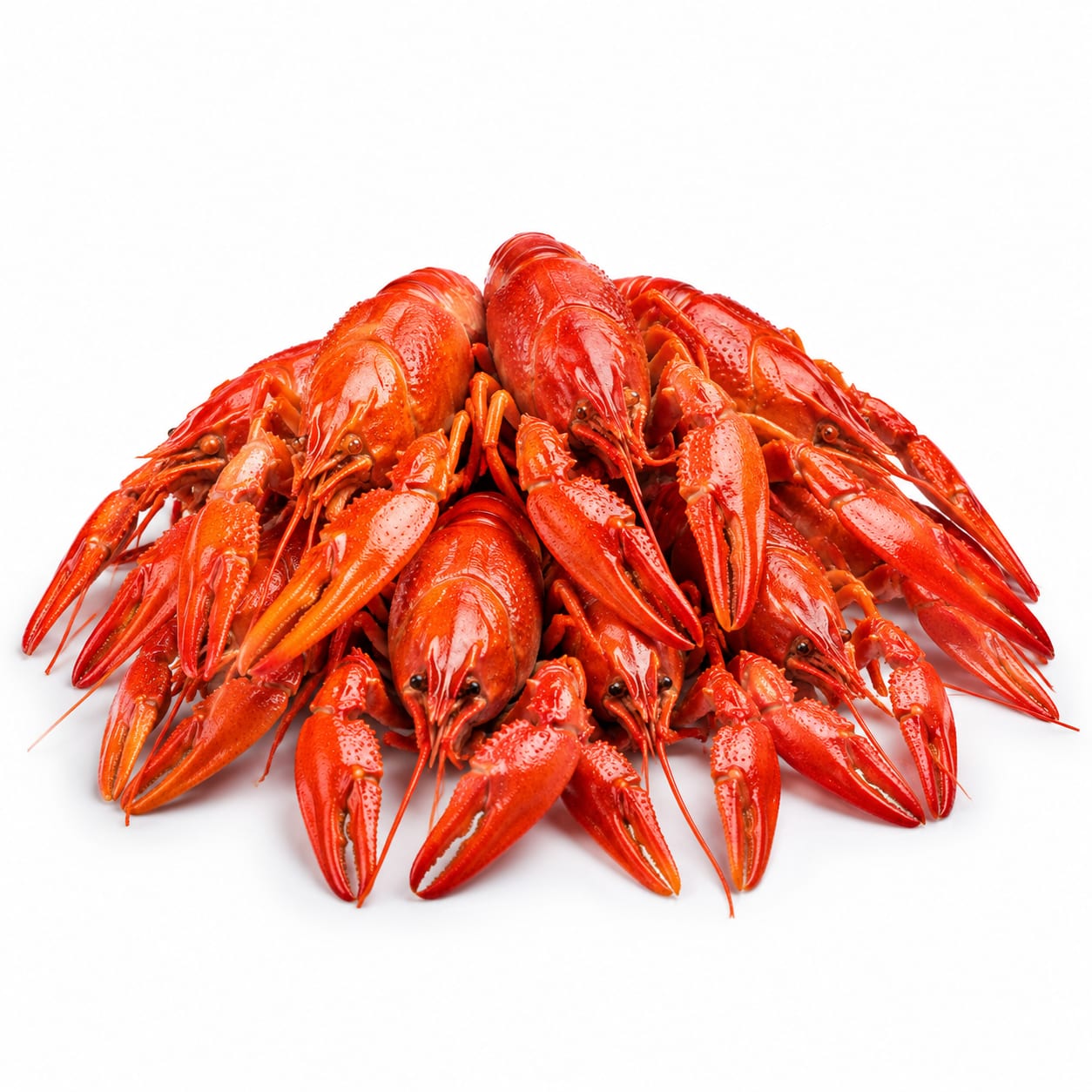
Crayfish
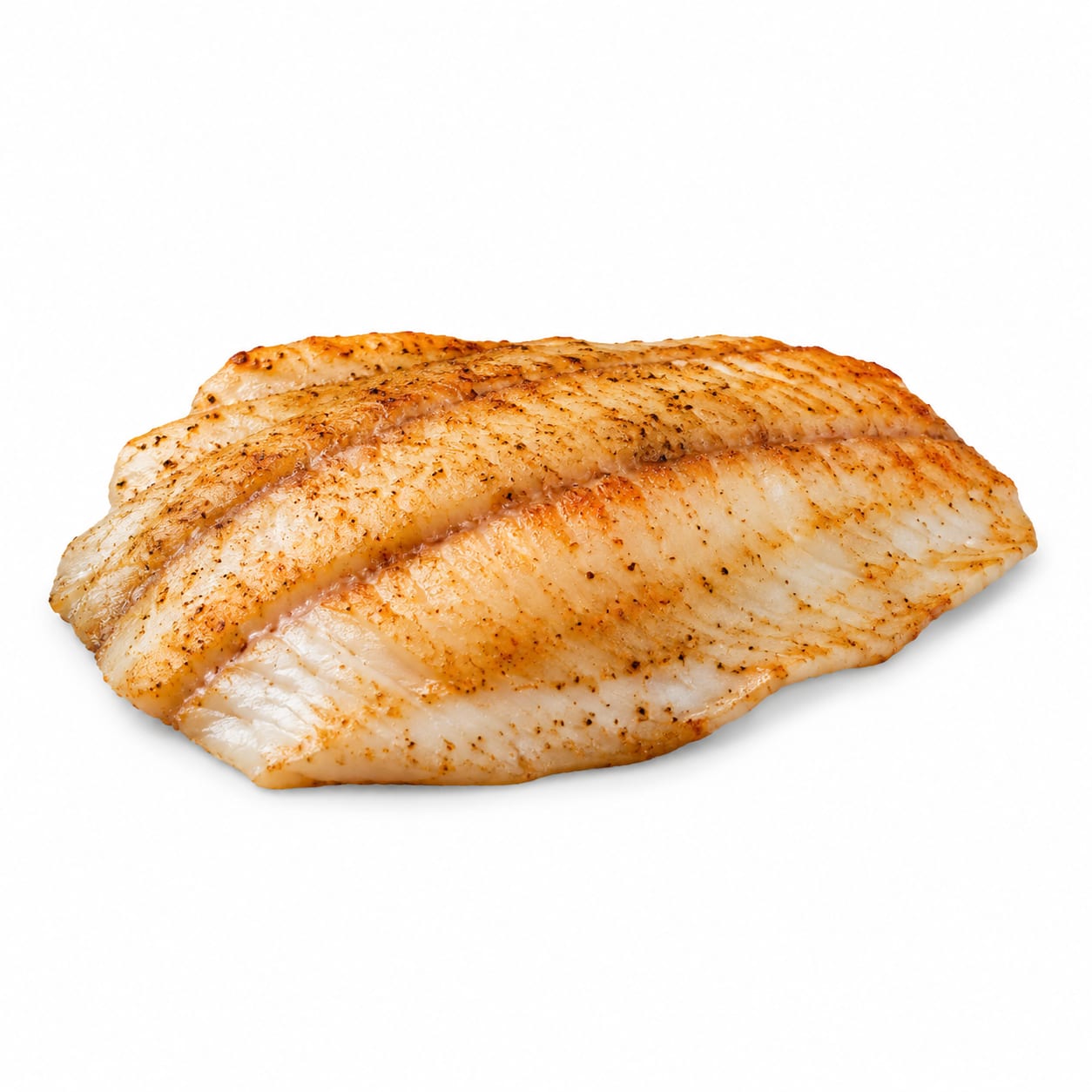
Tilapia
Crayfish offers a richer micronutrient profile and better fat balance but packs high cholesterol, while Tilapia provides affordable, low-cholesterol protein with an unfavorable omega-6 ratio.
Crayfish edges ahead slightly on micronutrients and omega-3 balance, but Tilapia's practicality and low cholesterol keep it competitive. The scores reflect a close call depending on individual health priorities.
Superior nutrients and flavor versus heart-friendly cholesterol levels and everyday practicality.
At a glance
Executive summary
Overall
It depends
Healthier
It depends
More practical
Tilapia
Daily use
Tilapia
Key comparison lenses
Lean protein source selection
Both are popular low-fat, high-protein seafood options, but they deliver protein very differently in terms of cost and eating experience.
Heart health and cholesterol tradeoffs
Crayfish carries significantly more dietary cholesterol than Tilapia, making this a crucial deciding factor for many adults.
Omega-3 to omega-6 fat balance
Tilapia is notorious for a less favorable omega-6 profile from farming feed, while Crayfish offers a slightly better balance.
Farming vs wild-caught safety concerns
Tilapia is almost exclusively farmed with aquaculture risks, whereas Crayfish is often wild-caught but carries bottom-feeder pollutant risks.
Best choice for
Crayfish
- Seafood enthusiasts wanting a low-calorie, nutrient-dense treat
- People needing a boost in B12 and copper
- Those on low-fat diets who do not have cholesterol concerns
Tilapia
- Budget-conscious meal preppers
- People strictly limiting dietary cholesterol
- Anyone needing quick, easy-to-cook weeknight dinners
Least suitable for
Crayfish
- People with shellfish allergies
- Those managing high cholesterol
- Anyone on a tight grocery budget
Tilapia
- People seeking high omega-3 intake
- Those avoiding farmed seafood
- Diners wanting bold, rich seafood flavor
Deep comparison
Dimension by dimension
Each lens scores both foods and breaks down who each option suits.
- Dimension 1 · Priority 90Tilapia
Protein Quality & Satiety
Crayfish · 75Tilapia · 85Tilapia provides more protein per serving with less hassle, making it more filling and practical for everyday meals.
Tradeoff
Crayfish is lower in calories but takes more effort to eat, which can slow down consumption and naturally limit intake.
Why it matters
Getting enough protein easily is key for muscle maintenance and staying full between meals.
Real-world impact
A Tilapia fillet keeps you satisfied for hours after a quick dinner, whereas a crayfish boil might leave you hungry an hour later unless you eat a massive pile.
Crayfish
- Slower, mindful eating due to peeling
- Very low-calorie dieting
Better for
- Needing fast, filling meals
- High protein volume needs
Worse for
Tilapia
- Post-workout muscle recovery
- Quick weeknight protein
Better for
- Eating experiences focused on leisurely pacing
Worse for
- Dimension 2 · Priority 85Crayfish
Fat Profile & Inflammation
Crayfish · 80Tilapia · 60Crayfish has a better balance of omega-3 to omega-6 fats, whereas farmed Tilapia is known for higher inflammatory omega-6 levels.
Tradeoff
You get a better fat profile with Crayfish, but far less total fat overall compared to many other healthy fish.
Why it matters
High omega-6 intake relative to omega-3s can promote inflammation, which is a concern with conventionally farmed Tilapia.
Real-world impact
Choosing Crayfish occasionally supports a healthier inflammatory balance, while relying heavily on Tilapia might skew your fat ratio if you do not eat other omega-3 sources.
Crayfish
- Reducing systemic inflammation
- Balancing dietary fats
Better for
- Those needing higher healthy fat intake
Worse for
Tilapia
- Strictly low-fat protocols
Better for
- People relying solely on this fish for omega-3s
Worse for
- Dimension 3 · Priority 88Tilapia
Cholesterol & Heart Health
Crayfish · 55Tilapia · 90Tilapia is virtually cholesterol-free, while Crayfish contains a significant amount of dietary cholesterol.
Tradeoff
Crayfish offers more B12 and copper, but the cholesterol load requires moderation for those with heart concerns.
Why it matters
For the 1 in 3 adults with high cholesterol, managing dietary intake is a daily necessity.
Real-world impact
You can eat Tilapia multiple times a week without worrying about your lipid panel, but Crayfish should be an occasional indulgence if you are watching your heart health.
Crayfish
- People without cholesterol issues
- Those needing B12 and iron
Better for
- Hyper-responders to dietary cholesterol
- Cardiovascular disease management
Worse for
Tilapia
- Managing existing high cholesterol
- Heart-healthy everyday eating
Better for
- Those who need heme iron and B12 from food
Worse for
- Dimension 4 · Priority 78It depends
Contaminants & Safety
Crayfish · 70Tilapia · 70Both carry distinct risks: Crayfish can harbor heavy metals from bottom-feeding, while Tilapia risks stem from farming practices and antibiotics.
Tradeoff
Wild-caught Crayfish might have environmental pollutants, but cheap farmed Tilapia might have antibiotic residues.
Why it matters
What the fish eats and where it lives directly affects what ends up on your plate.
Real-world impact
Sourcing matters hugely here—buying reputable Tilapia or clean Crayfish eliminates most of the anxiety around both.
Crayfish
- Avoiding aquaculture antibiotics
- Getting wild-caught seafood
Better for
- People with shellfish allergies
- Those worried about waterway pollutants
Worse for
Tilapia
- Avoiding shellfish allergies
- Consistent low-mercury options
Better for
- Avoiding potential antibiotic residues
- Those strictly eating wild-caught
Worse for
Timeline
Health impact over time
Short-term
Hours to days
Crayfish
- Quick hit of high-quality protein
- Potential allergic reaction if sensitive to shellfish
- High sodium if eaten in a traditional boil
Tilapia
- Easy digestion and light feeling
- Mild flavor that won't overpower a meal
- Quick to cook for immediate hunger
Long-term
Months to years
Crayfish
- Excellent B12 and copper intake for nerve health
- Possible cholesterol concerns if eaten too frequently
- Risk of heavy metal accumulation with excessive intake
Tilapia
- Sustained low-fat protein intake
- Potential inflammatory skew if not balanced with omega-3s
- Low mercury risk allows for frequent consumption
Risk profile
Safety & processing
Both are typically sold fresh or frozen with minimal processing. The main concern isn't additives but rather the environment they were raised in and how they were handled.
Crayfish
Shellfish Allergy
highCrayfish are crustaceans and carry a severe, potentially life-threatening allergy risk for some individuals.
Heavy Metal Exposure
mediumAs bottom-dwellers, they can accumulate lead or cadmium depending on the water source.
Sodium Overload
mediumTypically boiled in heavily salted water and spices, which can spike blood pressure.
Tilapia
Farming Antibiotics
mediumConventionally farmed Tilapia from certain regions may contain antibiotic residues.
Microplastics
lowFarmed fish can contain microplastics from their feed and water, though generally at low levels.
Who wins for whom
Audience fit
Same foods, different winners depending on your goal.
children
TilapiaLow mercury, no bones in fillets, and a mild flavor make Tilapia much more kid-friendly than a shellfish they have to peel.
daily consumption
TilapiaAffordability, ease of cooking, and low cholesterol make it a more realistic daily staple than Crayfish.
diabetes
TilapiaZero carbs and low fat with a milder impact on cholesterol, making it a safe, steady choice for blood sugar management.
elderly
It dependsTilapia is easier to chew and lower in cholesterol, but Crayfish provides B12 which is crucial for older adults' nerve health.
muscle gain
TilapiaHigher protein density per serving makes it easier to hit daily protein targets for muscle repair.
weight loss
TilapiaTilapia offers more satiating protein per calorie and is easier to portion control without high-sodium cooking methods.
Your move
Decision guide
Choose Crayfish
- You want a nutrient-dense treat with superior B12 and omega-3 balance
- You are confident in your sourcing and want wild-caught seafood
- You have no shellfish allergies or cholesterol concerns
Choose Tilapia
- You need an affordable, everyday lean protein
- You are watching your dietary cholesterol closely
- You want a quick-cooking, mild fish for meal prep
Either works if
- You just need a low-calorie, zero-carb protein source
- You are mixing seafood into a gumbo or stew
Avoid both if
- You are looking for a rich source of omega-3s like salmon or sardines
- You have severe seafood allergies
Final recommendation
Choose Tilapia for an affordable, everyday lean protein that is easy on the heart, but opt for Crayfish when you want a nutrient-packed delicacy and your cholesterol is not a concern. Neither is an omega-3 powerhouse, so pair them with other healthy fats in your diet.
Practical
Consumer tips
- 1
Look for Tilapia certified by the Aquaculture Stewardship Council (ASC) to avoid antibiotic and farming concerns.
- 2
If watching sodium, skip the Cajun boil seasoning for Crayfish and try them steamed or grilled.
- 3
Do not rely on either of these as your primary source of omega-3s; add fatty fish like salmon or mackerel to your rotation.
- 4
If you have high cholesterol, enjoy Crayfish as an occasional treat rather than a weekly staple.