
Nutrition comparison
Crayfish vs Mussels: Nutrition, Health Benefits & Sustainability Compared
Discover the nutritional differences between crayfish and mussels. Compare protein, omega-3s, cholesterol, and sustainability to find out which shellfish is healthier for you.
Overall winner · Mussels
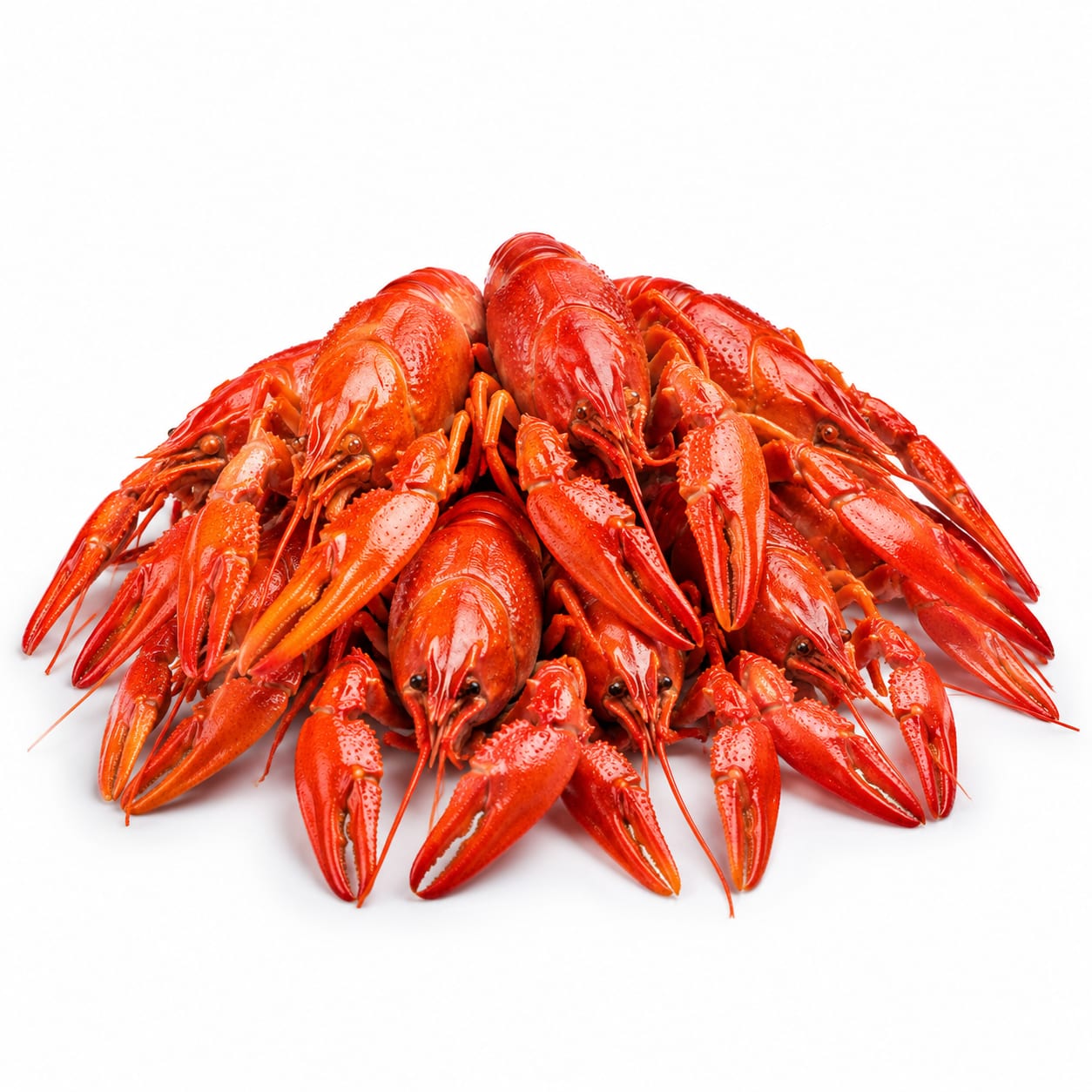
Crayfish
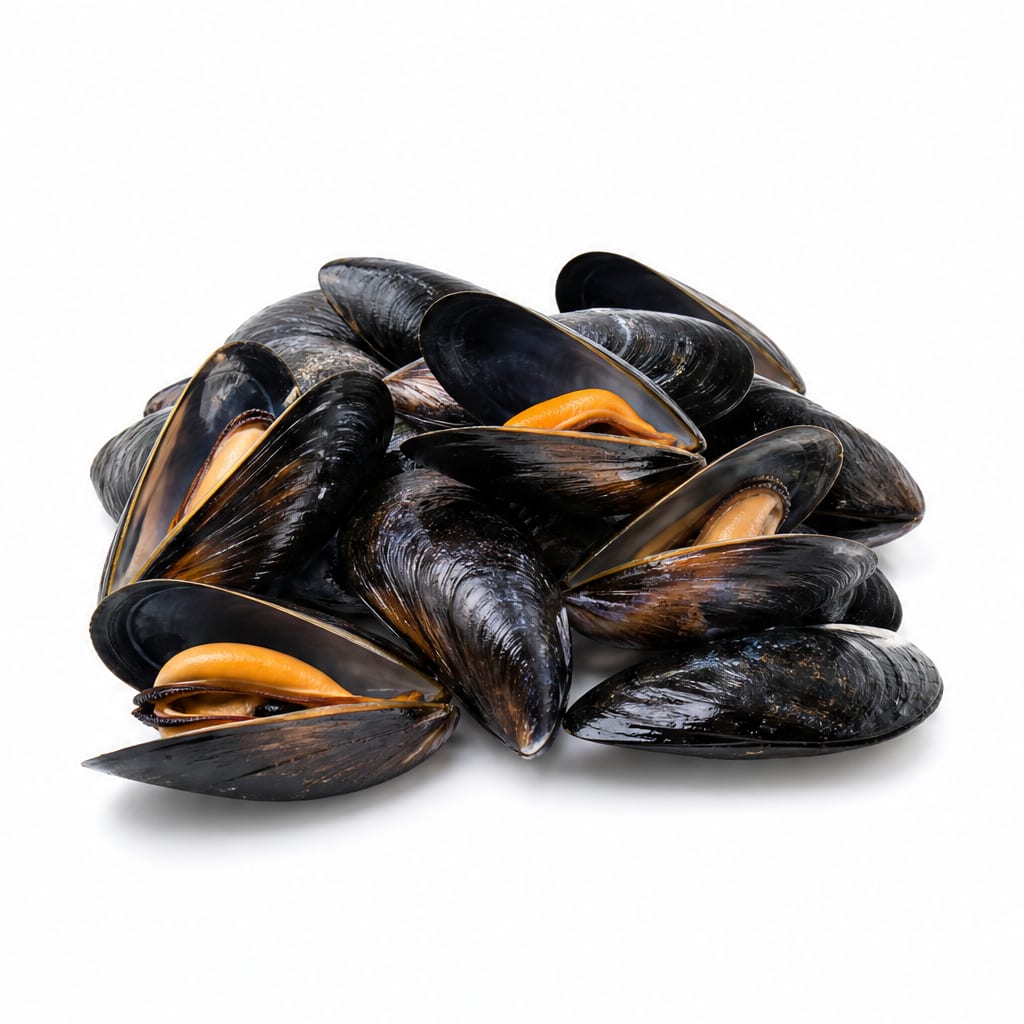
Mussels
Mussels edge out crayfish thanks to superior heart-healthy fats, micronutrient density, and sustainability, though crayfish offer slightly more protein per bite.
Mussels score higher due to their exceptional omega-3 content, lower cholesterol, and top-tier sustainability. Crayfish are a solid lean protein but fall behind on heart-healthy fats and environmental impact.
Crayfish deliver more protein and a familiar boil experience, while mussels provide omega-3s, lower cholesterol, and a cleaner environmental footprint.
At a glance
Executive summary
Overall
Mussels
Healthier
Mussels
More practical
It depends
Daily use
Mussels
Key comparison lenses
Shellfish nutritional profile and protein quality
Both are popular shellfish but offer vastly different fat profiles and protein densities.
Heart health and cholesterol impact
Crayfish are higher in cholesterol, while mussels provide heart-protective omega-3s.
Seafood safety and contamination risk
Freshwater bottom-feeders vs. saltwater filter-feeders present distinct safety concerns.
Sustainable seafood choices
Mussels are renowned for sustainable aquaculture, while crayfish sourcing varies.
Preparation methods and sodium load
Crayfish are typically boiled in heavy spice and salt, whereas mussels are steamed.
Best choice for
Crayfish
- High-protein low-carb diets
- Cajun-style dining and social boils
- People wanting slightly higher protein density per serving
Mussels
- Heart health and anti-inflammatory diets
- Boosting brain function with B12 and omega-3s
- Sustainable seafood eaters and budget-conscious diners
Least suitable for
Crayfish
- People managing high cholesterol
- Those on strict low-sodium diets
- Individuals prone to gout flare-ups
Mussels
- Those with shellfish allergies
- People highly sensitive to biotoxins
- Anyone uncomfortable cooking live shellfish
Deep comparison
Dimension by dimension
Each lens scores both foods and breaks down who each option suits.
- Dimension 1 · Priority 90Mussels
Heart Health & Fats
Crayfish · 65Mussels · 92Mussels are rich in anti-inflammatory omega-3s and low in cholesterol, whereas crayfish have almost no omega-3s and higher cholesterol.
Tradeoff
You sacrifice omega-3s and take on more cholesterol when choosing crayfish over mussels.
Why it matters
Omega-3s protect your heart and brain, while high dietary cholesterol can concern those managing lipid levels.
Real-world impact
Eating mussels regularly can help lower inflammation, while frequent crayfish boils might raise cholesterol concerns for susceptible individuals.
Crayfish
- Lower total fat intake
Better for
- Managing high cholesterol
Worse for
Mussels
- Reducing heart disease risk
- Lowering inflammation
- Improving triglyceride levels
Better for
- Strict low-fat diets
Worse for
- Dimension 2 · Priority 85Crayfish
Protein & Satiety
Crayfish · 88Mussels · 82Crayfish pack slightly more protein per serving, making them a bit more filling for the portion size.
Tradeoff
Crayfish offer a protein edge but lack the healthy fats that keep you satisfied longer.
Why it matters
Higher protein per bite helps with muscle maintenance and keeps hunger at bay between meals.
Real-world impact
A crayfish tail salad will feel slightly more protein-dense than a mussel bowl, though both are lean choices.
Crayfish
- Post-workout muscle recovery
- High-protein meal prep
Better for
- Those wanting balanced macros from fats
Worse for
Mussels
- Longer-lasting fullness from fat content
Better for
- Maximizing pure protein intake
Worse for
- Dimension 3 · Priority 80Mussels
Micronutrient Density
Crayfish · 75Mussels · 94Mussels are nutrient powerhouses, loaded with B12, selenium, zinc, and manganese, far outpacing crayfish.
Tradeoff
Crayfish provide good B12 and copper, but miss the extreme mineral density found in mussels.
Why it matters
B12 and zinc are critical for energy and immunity, and mussels deliver them in massive amounts.
Real-world impact
A single serving of mussels can cover your daily B12 and selenium needs multiple times over, boosting energy and thyroid function.
Crayfish
- Boosting copper intake
Better for
- Relying on shellfish for diverse minerals
Worse for
Mussels
- Fixing B12 deficiency
- Supporting immune function
- Improving energy levels
Better for
- Avoiding excessive mineral intake
Worse for
- Dimension 4 · Priority 75Mussels
Sustainability & Sourcing
Crayfish · 60Mussels · 95Farmed mussels are among the most sustainable proteins on Earth, while crayfish trapping and farming has a larger environmental footprint.
Tradeoff
Choosing crayfish means accepting a higher ecological impact for a different flavor profile.
Why it matters
Seafood sustainability affects ocean and freshwater health long-term.
Real-world impact
Ordering mussels supports clean aquaculture; crayfish demand often relies on wild trapping or resource-heavy farming.
Crayfish
- Supporting local fisheries in the American South
Better for
- Environmentally conscious eaters
Worse for
Mussels
- Reducing carbon footprint
- Choosing eco-friendly seafood
Better for
- Sourcing strictly from local freshwater ecosystems
Worse for
- Dimension 5 · Priority 70Mussels
Sodium & Preparation
Crayfish · 40Mussels · 80Crayfish are typically boiled in heavily salted spice mixes, while mussels are usually steamed with minimal salt.
Tradeoff
The classic crayfish boil flavor comes with a massive sodium load that mussels naturally avoid.
Why it matters
High sodium intake spikes blood pressure and causes bloating.
Real-world impact
After a crayfish boil, you might feel puffy and thirsty; a mussel steam leaves you feeling light and hydrated.
Crayfish
- Bold flavor experiences
Better for
- Low-sodium diets
Worse for
Mussels
- Managing blood pressure
- Avoiding water retention
Better for
- Those wanting intensely seasoned food without extra effort
Worse for
Timeline
Health impact over time
Short-term
Hours to days
Crayfish
- Quick protein energy, but potential bloating and thirst from high-sodium boil preparations.
Mussels
- Light, satisfying meal with steady energy and no sodium-induced sluggishness.
Long-term
Months to years
Crayfish
- Good muscle maintenance, but potential cardiovascular concerns if high cholesterol and sodium intake aren't managed.
Mussels
- Improved heart health, better brain function from omega-3s, and strong immunity from high zinc and B12.
Risk profile
Safety & processing
Both are whole, natural foods, though frozen crayfish tails may contain preservatives like sodium tripolyphosphate, whereas mussels are almost always sold live and unadulterated.
Crayfish
Freshwater contaminants
mediumCrayfish live in freshwater bottoms, which can harbor heavy metals, pesticides, and agricultural runoff.
High sodium preparation
mediumTraditional boiling methods use massive amounts of salt and spice, posing risks for blood pressure.
Mussels
Biotoxins and Red Tide
mediumAs filter feeders, mussels can accumulate biotoxins, though commercial harvesting is strictly monitored to prevent this.
Foodborne illness from undercooking
lowMussels must be cooked live and thoroughly to avoid bacterial contamination.
Who wins for whom
Audience fit
Same foods, different winners depending on your goal.
children
MusselsMussels offer incredible brain-boosting B12 and omega-3s for development, though both must be managed for choking hazards.
daily consumption
MusselsLower cholesterol, better fats, and superior sustainability make mussels a safer regular choice.
diabetes
MusselsMussels provide omega-3s which improve insulin sensitivity, and have zero carbs.
elderly
MusselsThe high B12, omega-3s, and easy-to-chew texture of mussels support heart and brain health in aging adults.
muscle gain
CrayfishCrayfish offer slightly more protein per serving, giving a small edge for muscle building.
weight loss
MusselsMussels are extremely low in calories but high in protein and volume, making them very filling without heavy sodium.
Your move
Decision guide
Choose Crayfish
- You want a higher-protein shellfish option
- You are craving a traditional Cajun boil
- You prefer the sweeter, firmer texture of tail meat
Choose Mussels
- You want heart-healthy omega-3s and lower cholesterol
- You need a low-calorie, satisfying meal
- You care deeply about sustainable seafood choices
Either works if
- You just want a lean, low-carb protein source
- You are flexible on flavor and cooking methods
Avoid both if
- You have a severe shellfish allergy
- You suffer from gout and must limit purines
- You are on a strict low-sodium diet without modifying recipes
Final recommendation
Make mussels your go-to shellfish for everyday health and sustainability, and enjoy crayfish as an occasional high-protein treat when the boil craving hits.
Practical
Consumer tips
- 1
When buying frozen crayfish tails, check the ingredient list to avoid added sodium tripolyphosphate.
- 2
Cook mussels simply by steaming them in a splash of white wine, garlic, and broth for a low-sodium, flavorful meal.
- 3
Discard any mussels that remain closed after cooking to avoid foodborne illness.
- 4
If watching cholesterol, limit crayfish portions and load your plate with veggies instead of just rice or corn.