
Dairy
Cottage Cheese
A fresh, unaged cheese made from curdled milk, known for its high protein and low calorie content.
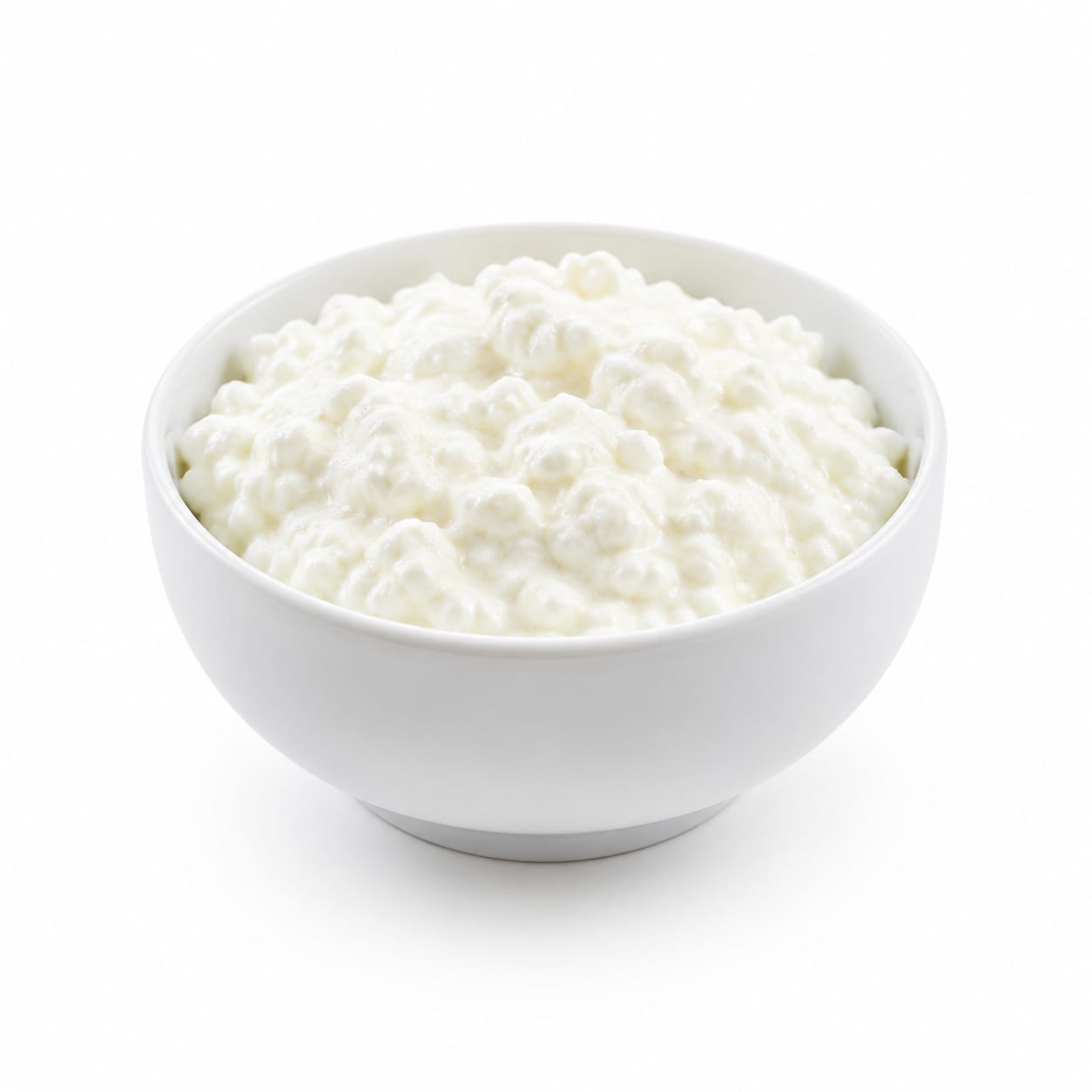
A fresh cheese curd product with a mild flavor and a distinct lumpy texture. It is made by curdling pasteurized milk with an acid or rennet, then draining the whey, leaving the solid curds behind.
slow-digesting high-protein dairy
Typical serving · 226g
Common varieties · small curd, large curd, low-fat (1%), non-fat (0%), 2% milkfat +3 more
Overall context score across nutrition, safety, and diet fit
At a glance
Quick facts
Simple indicators based on nutrition, processing, and diet fit.
The story
What makes it unique
Cottage cheese is predominantly composed of casein protein, which digests slowly and provides a sustained release of amino acids. It is low in carbohydrates and fat (in low-fat varieties), promoting prolonged satiety. The processing involves minimal steps: culturing, cutting curds, and draining whey, preserving the native protein structure.
Varieties: small curd · large curd · low-fat (1%) · non-fat (0%) · 2% milkfat · whole milk (4%) · whipped · sodium-free
Per 100g
Nutrition breakdown
Macro balance and key metrics at a glance.
Energy
Density 0.86 kcal/g
Protein
Carbs
Fat
Fiber
Sugar
2.7 g
Sodium
330 mg
Potassium
84 mg
Glycemic index
10
Glycemic load
0.5
Water content
80%
Standout compounds
Nutrient highlights
Casein Protein
highPromotes prolonged satiety and slow, steady muscle protein synthesis
Vitamin B12
moderateSupports nerve function and red blood cell formation
Calcium
moderateEssential for bone density and muscle contraction
Selenium
moderateActs as a powerful antioxidant protecting cells from damage
Phosphorus
moderateWorks with calcium to build strong bones and teeth
Wellness map
Health scores & processing
NOVA processing scale
processed · Whole food
Made by fermenting milk with cultures and rennet, then cutting and draining the curds. Standard varieties contain simple ingredients without artificial preservatives or emulsifiers.
Diet compatibility
- Weight loss
- Muscle gain
- Diabetes
- Gut health
- Low carb
- High protein
- Heart health
Relative standing
Food rankings
Qualitative ranks compared to similar whole foods.
- Satietyexcellent
- Blood sugarexcellent
- Nutrient densitygood
- Fitness fuelexcellent
- Processing qualitygood
Eat with confidence
Food safety profile
Commercial cottage cheese is made from pasteurized milk, making bacterial contamination rare. Primary concerns involve potential trace antibiotic residues from conventional dairy farming and high sodium levels in salted varieties.
Evidence confidence 90%
- Pesticideslow
- Antibioticsmoderate
- Heavy metalslow
- Contaminationlow
Watch for
- Listeria monocytogenes
- antibiotic residues
Safer choices
Organic or antibiotic-free certified brands to avoid residue concerns, and no-salt-added varieties for blood pressure management.
Prep tips
Keep refrigerated at all times and consume within a few days of opening to prevent spoilage. Avoid cross-contamination with other raw foods.
Dairy industry antibiotic use is regulated, but trace residues can occasionally remain. Pasteurization effectively eliminates most bacterial pathogens.
Deep dive
Health analysis
How this food may fit different goals and preparation choices.
Weight loss
High protein and low calorie density improve satiety, naturally reducing overall calorie intake without severe restriction.
Blood sugar
Very low carbohydrate content and minimal glycemic impact make it highly stable for blood sugar control.
Fitness & energy
Slow-digesting casein supports muscle protein synthesis over several hours, making it excellent for recovery and preventing muscle breakdown.
Gut health
Contains some probiotics if cultured, but the lactose content may trigger bloating or discomfort in sensitive individuals.
Processing quality
Minimally processed with simple ingredients like milk, culture, and salt, avoiding the additives found in ultra-processed dairy products.
Food safety
Pasteurization makes it safe from major pathogens, but conventional dairy farming practices warrant choosing antibiotic-free sources when possible.
Common mistakes
Choosing flavored varieties packed with added sugars, or not accounting for the high sodium content in standard versions.
Best preparation
Eat plain, mix with fresh fruit for natural sweetness, blend into smoothies for texture, or use as a low-fat substitute for ricotta in savory dishes.
Practical guide
Best use cases
When and how this food fits real eating patterns.
Pre-bed muscle recovery snack
The slow-digesting casein protein provides a steady stream of amino acids throughout the night, optimizing muscle repair.
High-volume low-calorie eating
Its high water and protein content allow for large portion sizes with minimal calories, aiding satiety during weight loss.
Low-carb diet protein source
Provides substantial protein with very few carbohydrates, fitting easily into ketogenic and low-carb meal plans.
Balance sheet
Pros & cons
Upsides
- Extremely high in slow-digesting casein protein
- Low in calories and carbohydrates
- Promotes prolonged satiety
- Versatile for both sweet and savory dishes
- Good source of calcium and B vitamins
Trade-offs
- Can be high in sodium
- Contains lactose which may trigger intolerances
- Texture is unappealing to some consumers
- Flavored varieties often contain added sugars
Fit check
Who is it for?
Great match
- overnight muscle recovery
- weight loss diets
- low-carb and keto diets
- high-volume eating
Consider alternatives
- severe lactose intolerance
- low-sodium diets (unless no-salt-added)
- strict vegan or dairy-free diets
Side by side
How it compares
Open the full head-to-head analysis for nutrition, safety, and practical tradeoffs.
This food
Cottage Cheese
VS85% alike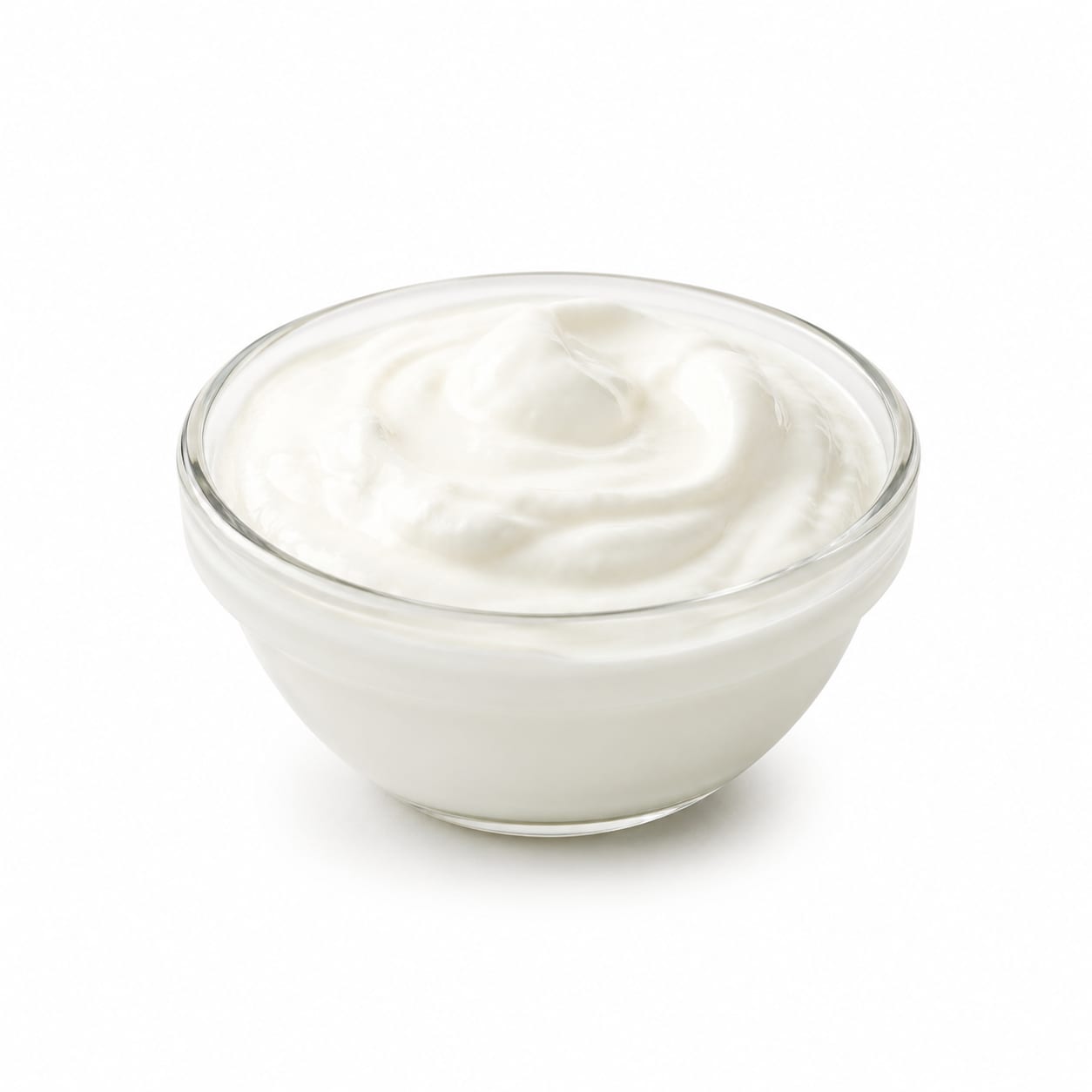
Compare with
Greek Yogurt
Greek yogurt is thicker and contains faster-digesting whey, while cottage cheese has curds and slow-digesting casein.
Cottage cheese provides slower-digesting casein for overnight recovery, while Greek yogurt offers faster whey and more probiotics for gut health.
This food
Cottage Cheese
VS80% alike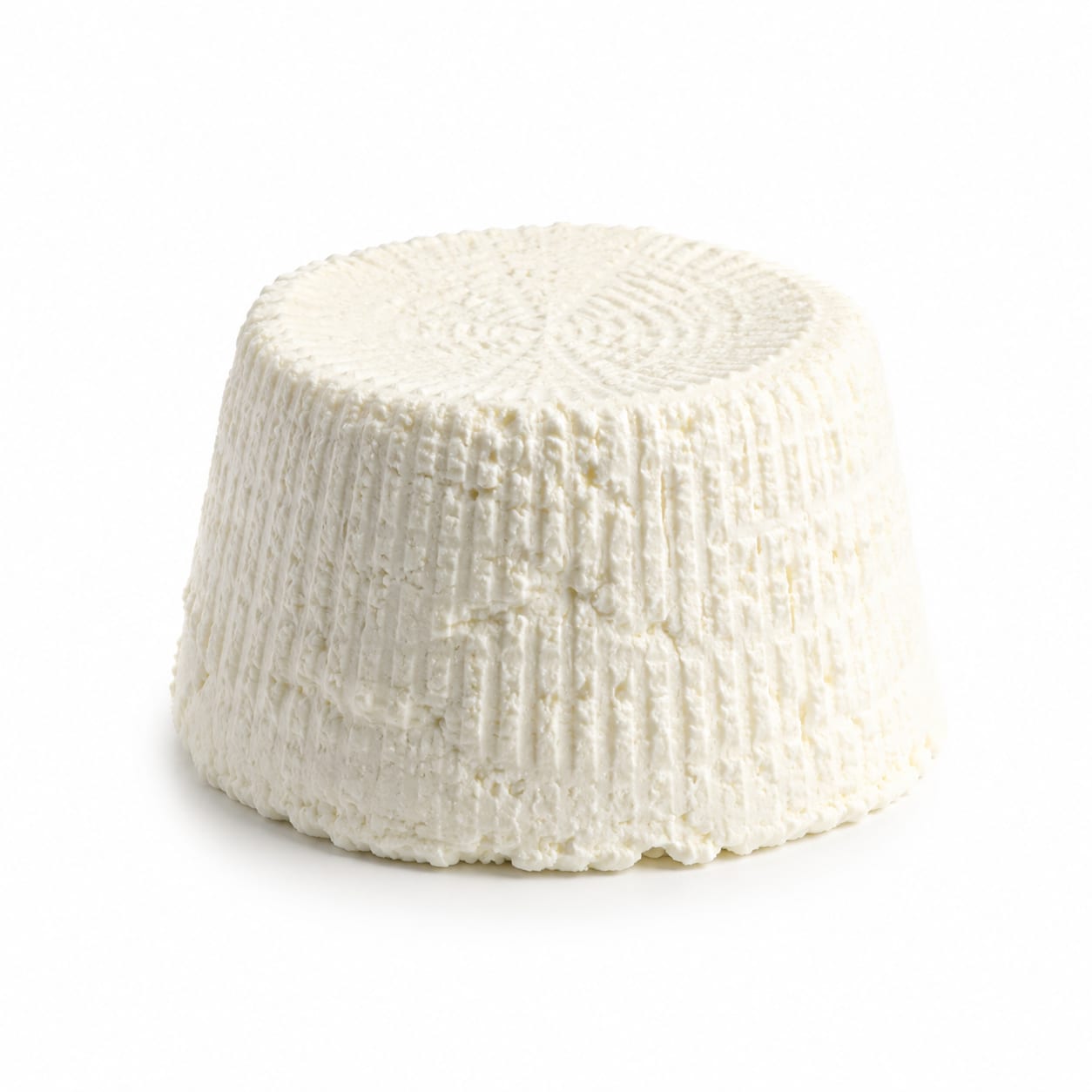
Compare with
Ricotta Cheese
Ricotta is made from whey remnants and is smoother and slightly higher in fat, while cottage cheese is made from curds and higher in protein.
Cottage cheese is higher in protein and lower in calories, making it better for weight loss, while ricotta is creamier and higher in fat.
This food
Cottage Cheese
VS60% alike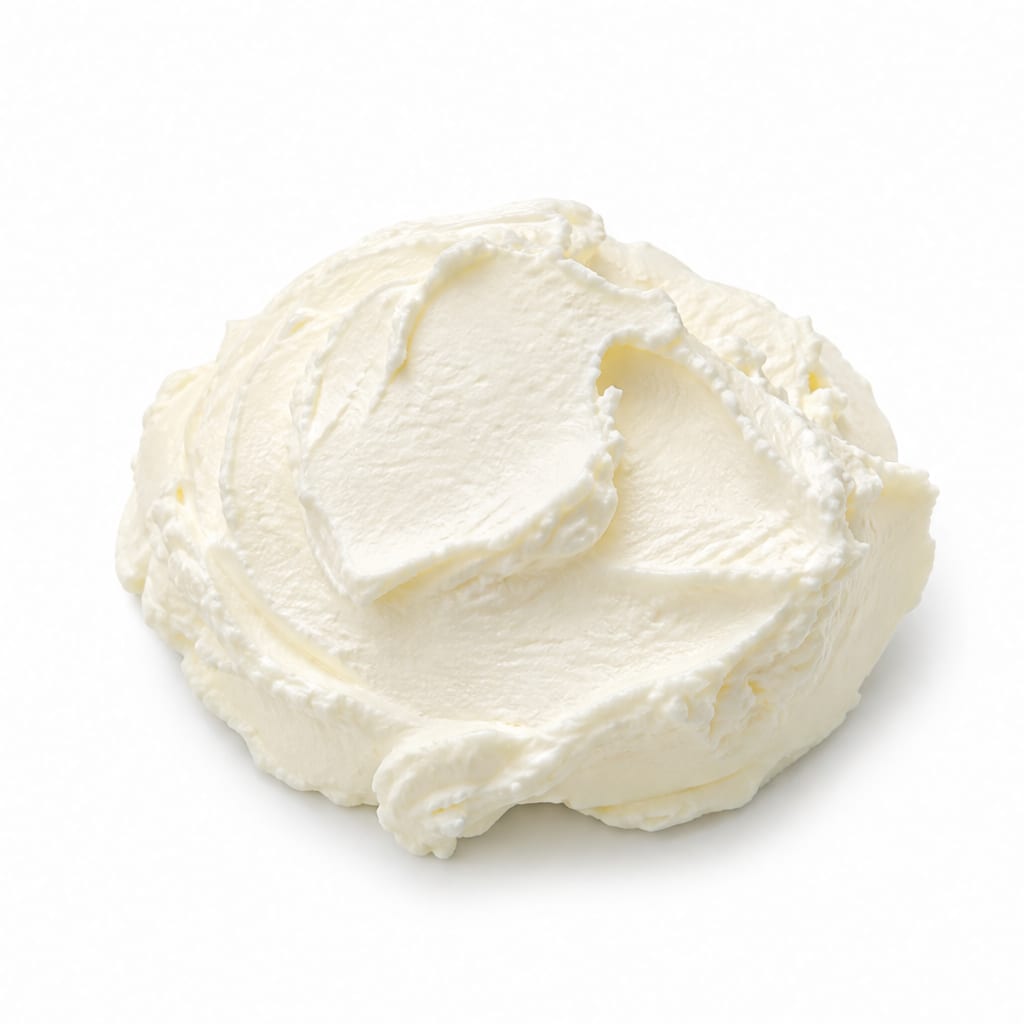
Compare with
Cream Cheese
Cream cheese is high in fat and low in protein, whereas cottage cheese is low in fat and very high in protein.
Cottage cheese is far superior for protein and weight loss, while cream cheese is a high-fat spread with minimal protein.
This food
Cottage Cheese
VS50% alike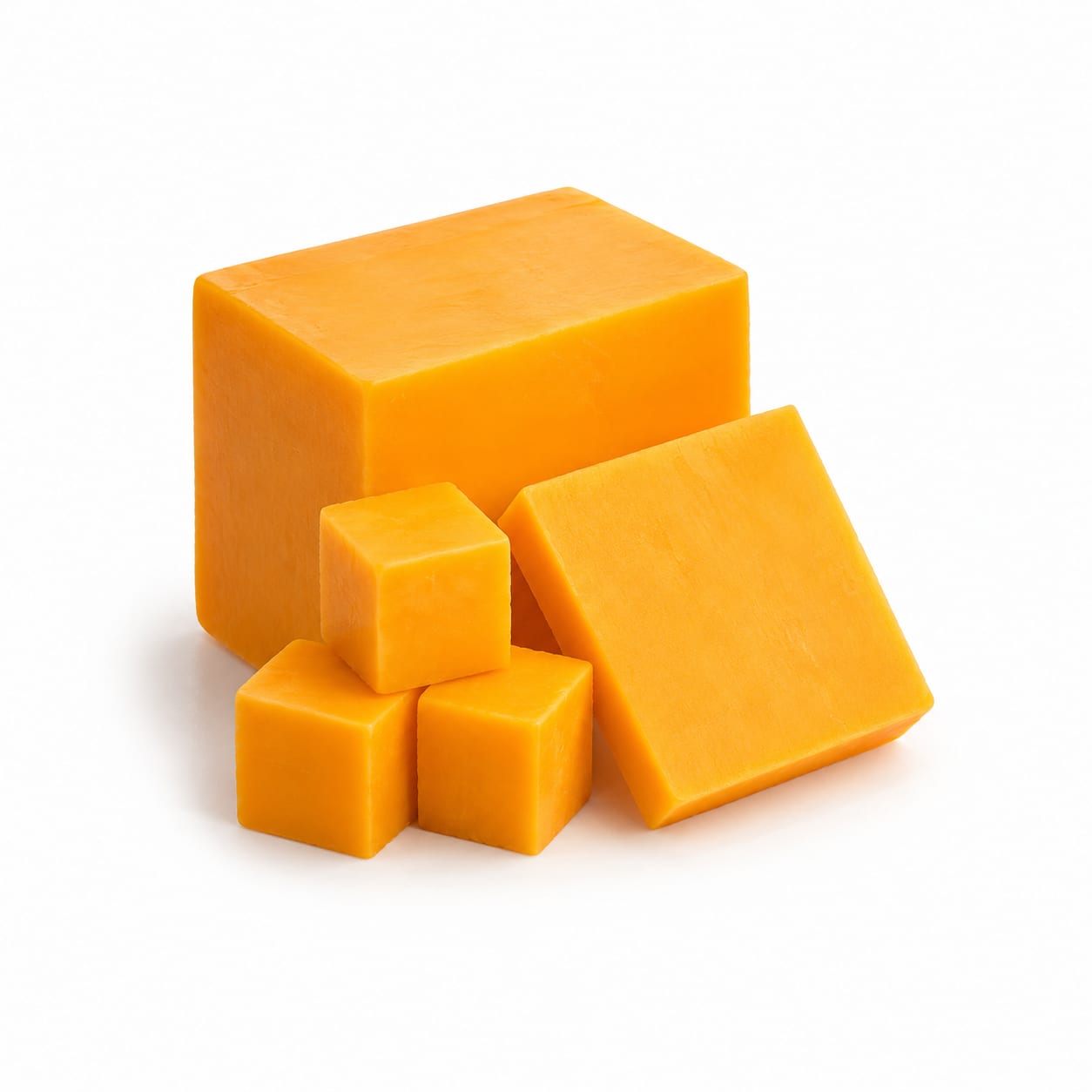
Compare with
Cheddar Cheese
Cheddar is aged, firm, and high in fat and calories, while cottage cheese is fresh, soft, and protein-dominant.
Cottage cheese is much lower in calories and higher in protein, making it better for diets, while cheddar provides more fat and flavor.
This food
Cottage Cheese
VS70% alike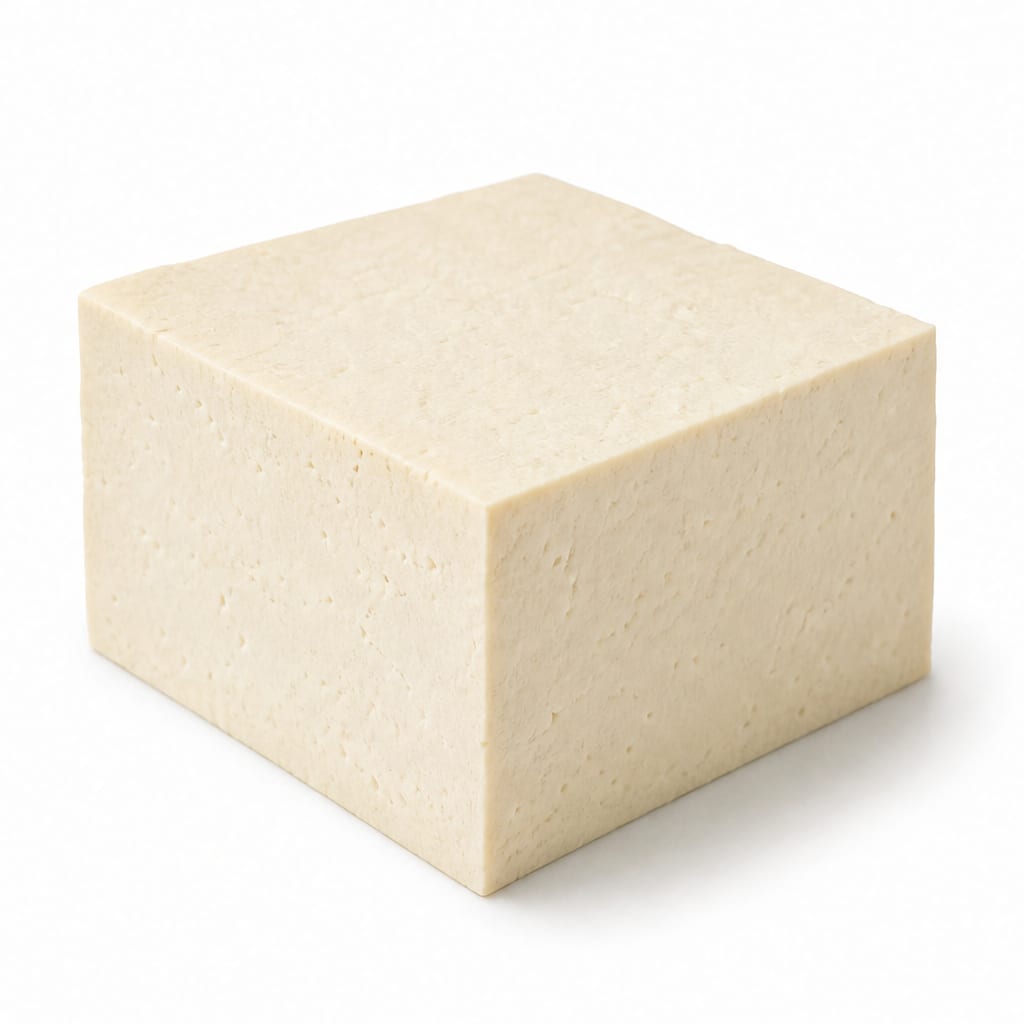
Compare with
Tofu
Tofu is a plant-based soy curd, while cottage cheese is an animal-based milk curd. Tofu is lower in sodium and dairy-free.
Cottage cheese offers more protein and satiety per calorie, while tofu is dairy-free, lower in sodium, and vegan-friendly.
This food
Cottage Cheese
VS65% alike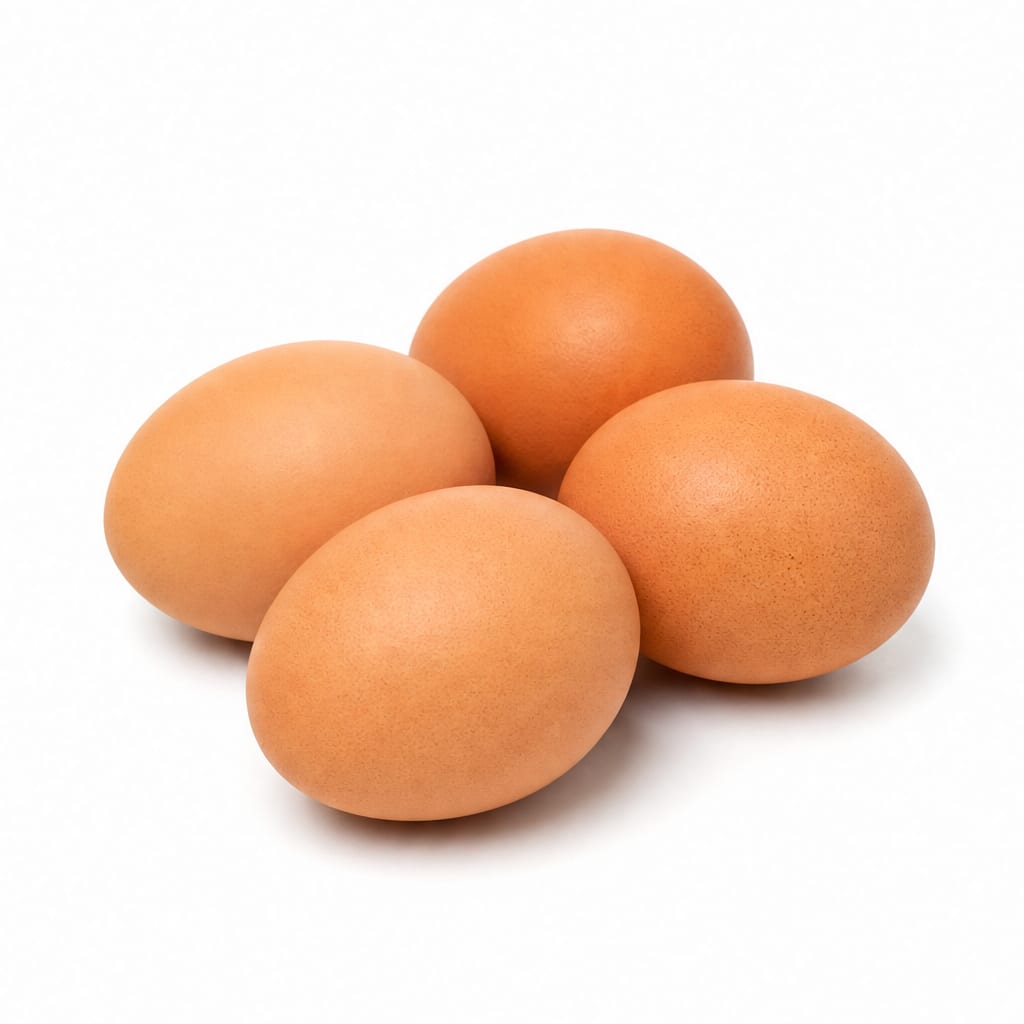
Compare with
Eggs
Eggs are higher in fat and contain zero carbs, while cottage cheese is lower in fat and contains a small amount of lactose.
Cottage cheese is lower in calories for dieting, while eggs are zero-carb and more nutrient-dense in vitamins like choline.
This food
Cottage Cheese
VS90% alike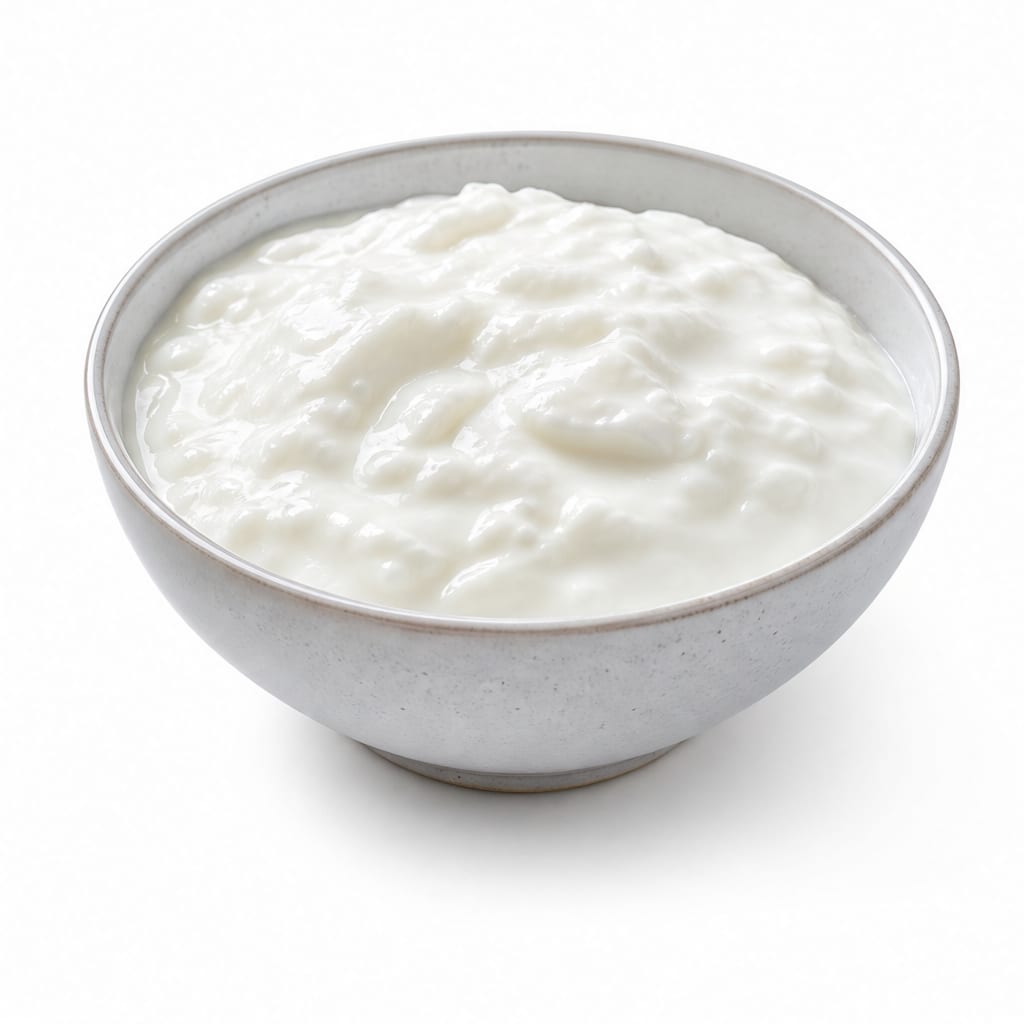
Compare with
Skyr
Skyr is an Icelandic strained yogurt with a smooth texture, while cottage cheese has distinct curds and more casein.
Skyr provides a smooth texture and slightly more protein per ounce, while cottage cheese offers slower-digesting casein for prolonged fullness.
This food
Cottage Cheese
VS45% alike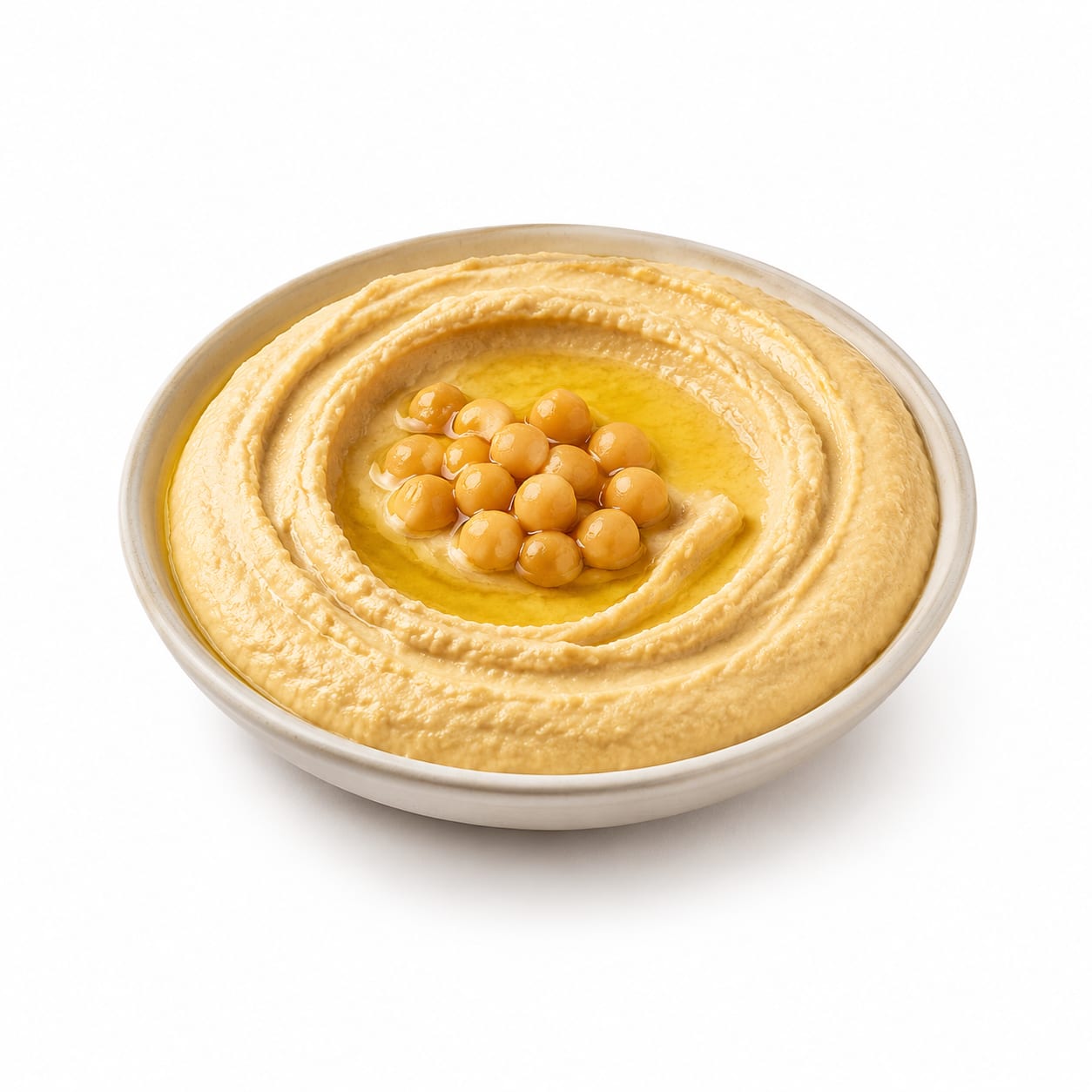
Compare with
Hummus
Hummus is plant-based with fiber and healthy fats, while cottage cheese is animal-based with much higher protein and no fiber.
Cottage cheese is much higher in protein and lower in calories, while hummus offers fiber and heart-healthy plant fats.
This food
Cottage Cheese
VS70% alike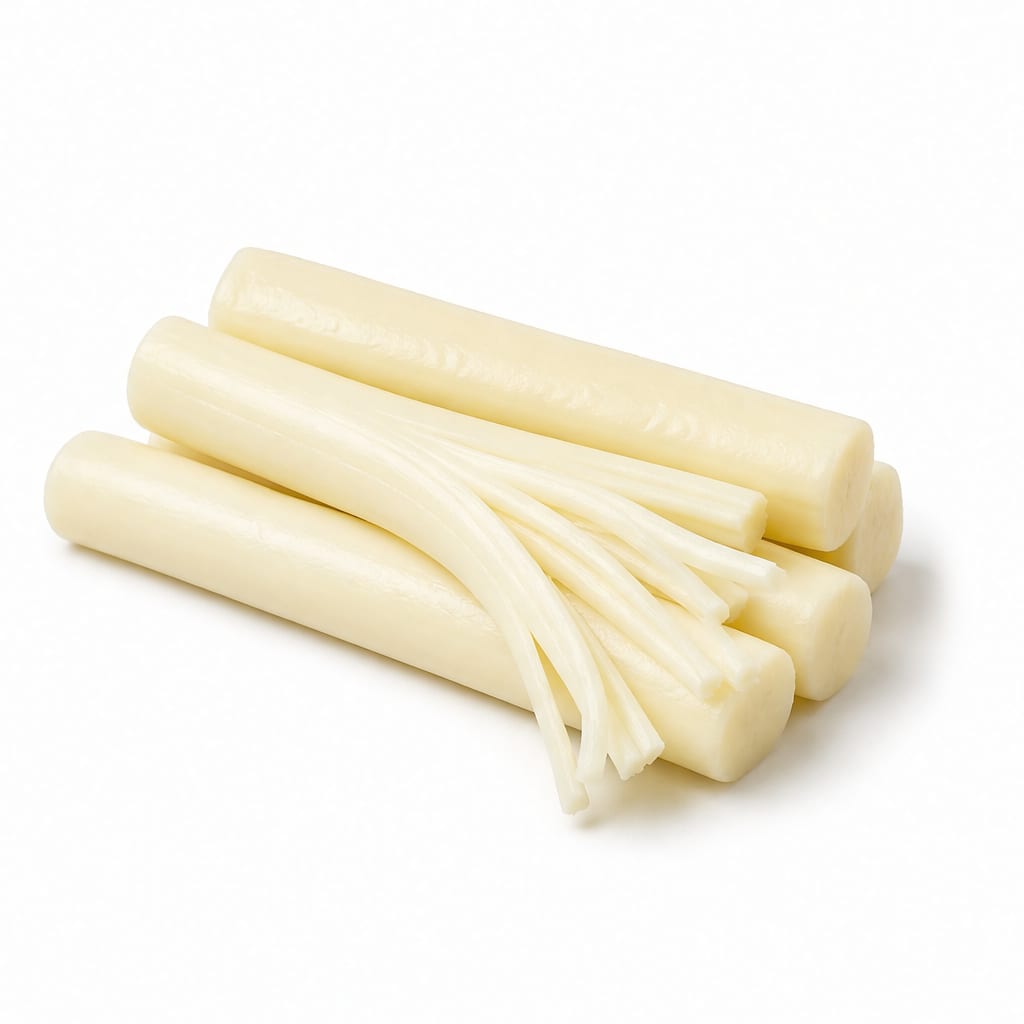
Compare with
String Cheese
String cheese is a low-moisture, aged mozzarella with higher fat, while cottage cheese is a fresh, high-moisture curd with higher protein per calorie.
Cottage cheese provides more volume and protein for fewer calories, while string cheese is more portable and shelf-stable.
This food
Cottage Cheese
VS75% alike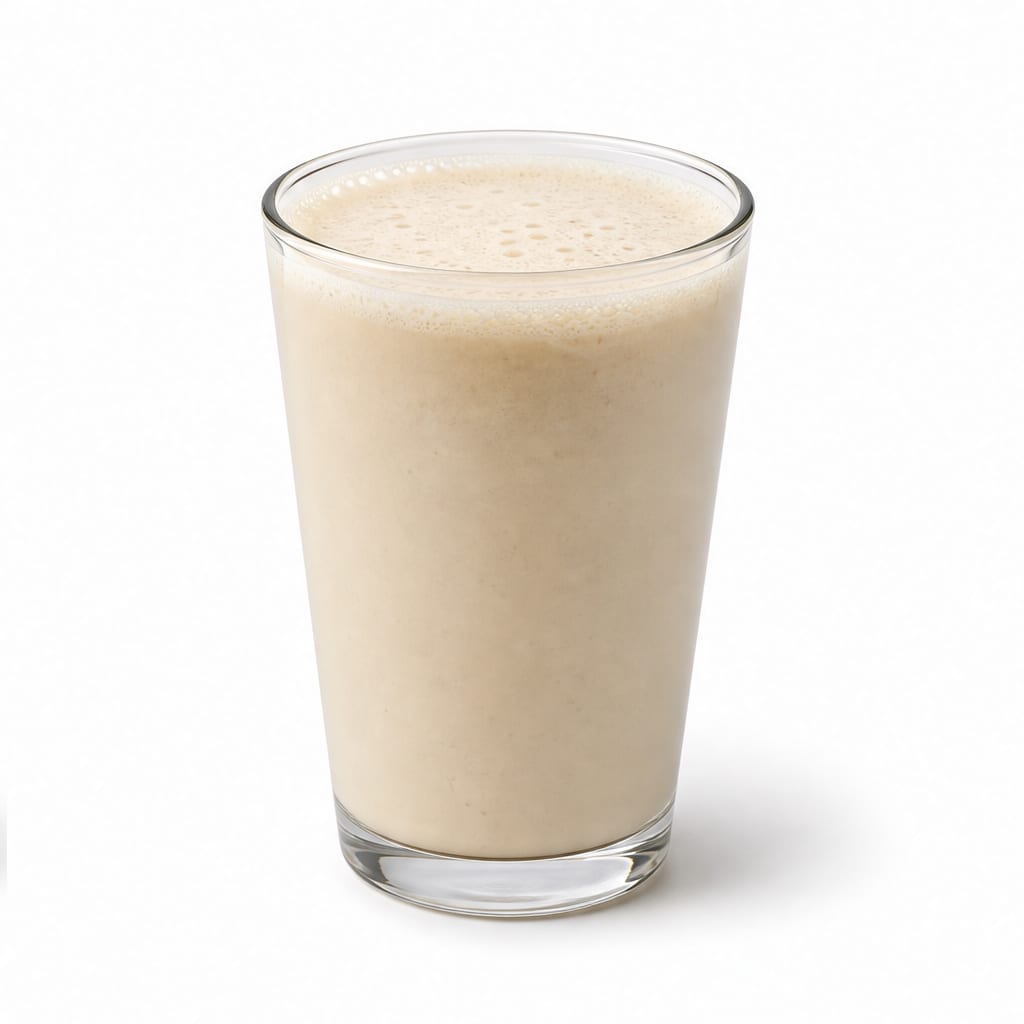
Compare with
Whey Protein Shake
Whey protein is isolated, fast-digesting, and liquid, while cottage cheese is a whole food with slow-digesting casein.
Whey protein is better for rapid post-workout absorption, while cottage cheese provides whole-food satiety and slow, sustained amino acid release.
Common questions
FAQ
Answers aligned with how people search for this food.
Is cottage cheese good for weight loss?
Yes, its high protein content increases satiety and helps preserve lean muscle mass during a calorie deficit, making it an effective food for weight loss.
Can diabetics eat cottage cheese?
Yes, it has a very low glycemic index and minimal carbohydrates, causing negligible blood sugar spikes when consumed plain.
Is cottage cheese keto?
Yes, plain cottage cheese is low in carbs and can fit into a ketogenic diet in moderate portions, though strict keto dieters should track the small amount of lactose.
Does cottage cheese have probiotics?
Some brands add live active cultures to their cottage cheese, but traditionally it is not a primary probiotic source like yogurt or kefir. Check labels for live cultures.
Why is cottage cheese high in sodium?
Salt is added during the curd-washing process to preserve the cheese, enhance flavor, and improve texture. Low-sodium or no-salt-added varieties are available.
Is cottage cheese better than Greek yogurt?
Cottage cheese has more casein protein for slow digestion, while Greek yogurt has more fast-digesting whey and typically more probiotics. Both are excellent high-protein dairy options.
Can you eat cottage cheese before bed?
Yes, the slow-digesting casein protein makes it an excellent pre-sleep snack to support overnight muscle repair and prevent catabolism.
What is the difference between small and large curd?
Small curd is made without rennet using just an acid, resulting in a slightly more tart flavor. Large curd uses rennet, creating a milder flavor and larger cheese pieces.
Transparency
Data confidence
Estimated confidence for nutrition data, interpretation, safety notes, and comparisons.
Nutrition data
Health analysis
Food safety
Comparisons