
Nutrition comparison
Cottage Cheese vs Ricotta Cheese: Nutrition, Protein & Taste Compared
Comparing Cottage Cheese vs Ricotta Cheese? Discover which is better for weight loss, muscle gain, and cooking. Learn the protein, calorie, and taste differences.
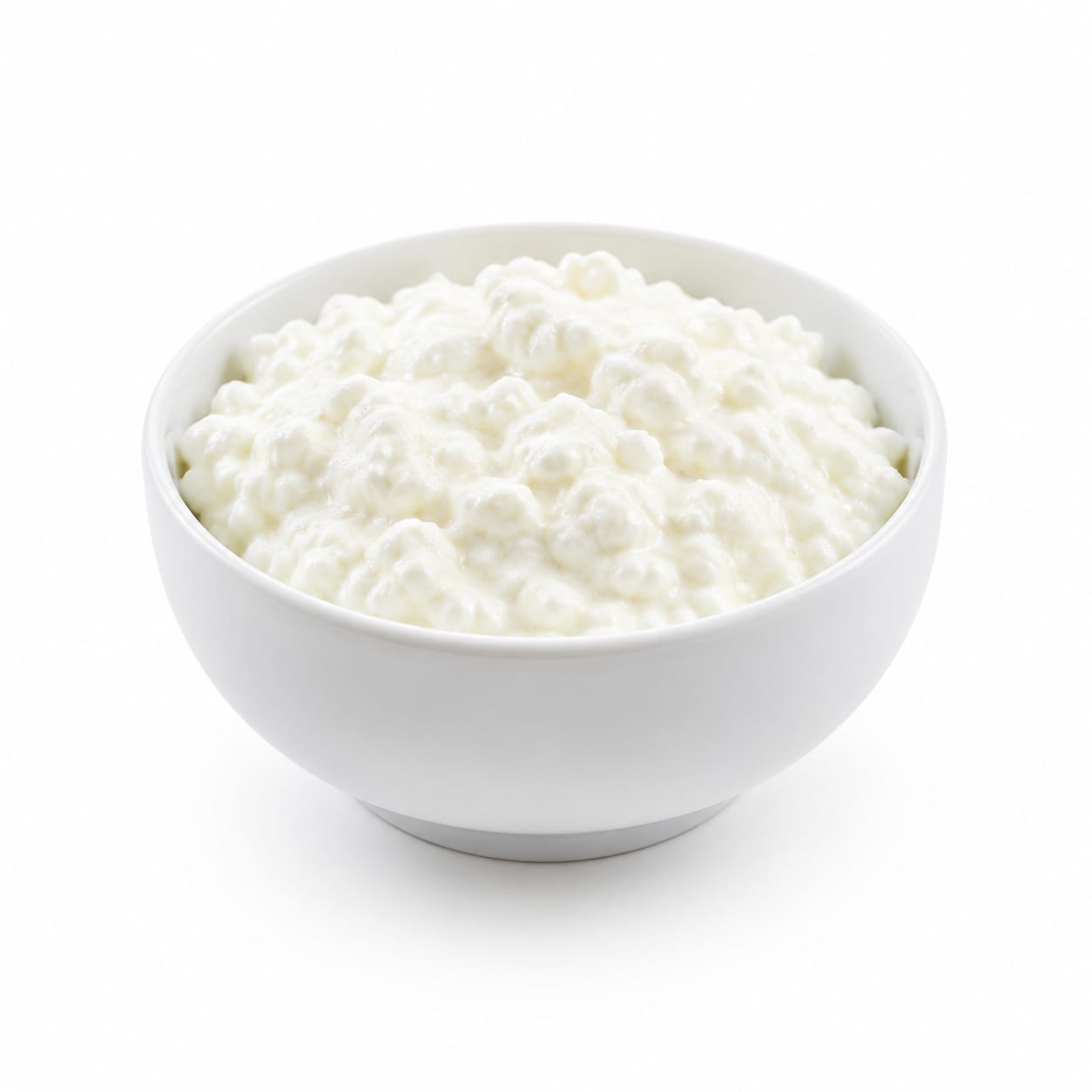
Cottage Cheese
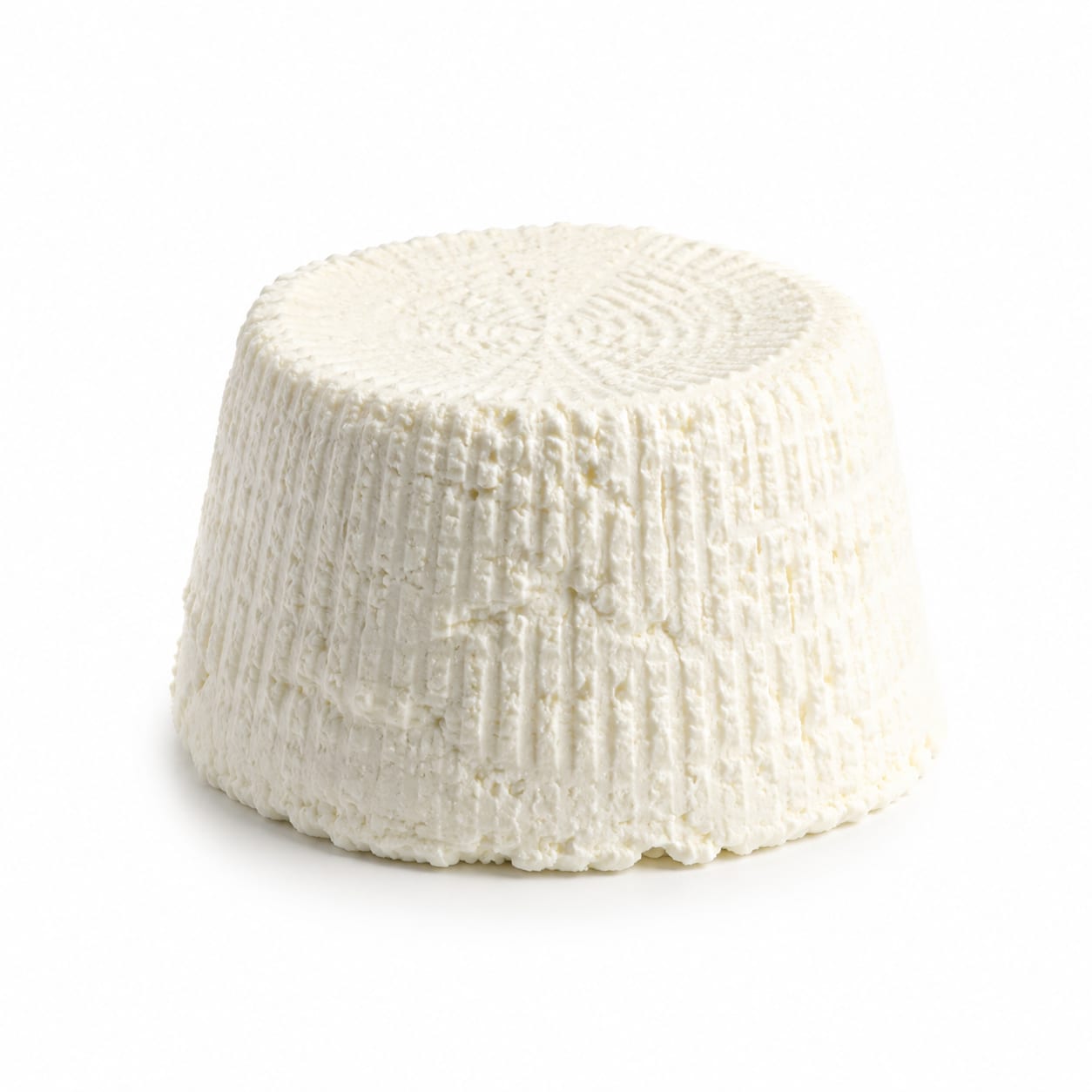
Ricotta Cheese
Cottage Cheese dominates for protein and weight loss, while Ricotta wins on texture and culinary versatility.
Cottage Cheese scores higher due to its superior protein-to-calorie ratio and satiety benefits, but Ricotta's culinary versatility and smoother texture keep it competitive depending on the use case.
High protein and low calories versus smooth texture and lower sodium.
At a glance
Executive summary
Overall
It depends
Healthier
Cottage Cheese
More practical
Ricotta Cheese
Daily use
Cottage Cheese
Key comparison lenses
Weight loss and satiety
Cottage Cheese is famously lean and filling, while Ricotta is richer and more calorie-dense.
Protein intake and muscle building
Cottage Cheese provides a massive protein hit, whereas Ricotta offers much less per serving.
Cooking and recipe versatility
Ricotta is a culinary staple for smooth textures in pasta and desserts; Cottage Cheese is often eaten alone.
Taste and texture preference
The curd texture of Cottage Cheese is polarizing compared to the smooth creaminess of Ricotta.
Best choice for
Cottage Cheese
- Weight loss
- High protein diets
- Late-night snacking
Ricotta Cheese
- Cooking and baking
- Picky eaters who dislike curds
- Adding richness to meals
Least suitable for
Cottage Cheese
- Sodium-sensitive diets
- People who hate lumpy textures
Ricotta Cheese
- Strict calorie counting
- Low-fat diets
Deep comparison
Dimension by dimension
Each lens scores both foods and breaks down who each option suits.
- Dimension 1 · Priority 95Cottage Cheese
Protein & Satiety
Cottage Cheese · 95Ricotta Cheese · 60Cottage Cheese is a protein powerhouse, packing significantly more protein per calorie than Ricotta.
Tradeoff
You get way more protein and satiety with Cottage Cheese, but miss out on the creamy, smooth mouthfeel of Ricotta.
Why it matters
Higher protein keeps you full longer and supports muscle maintenance without excess calories.
Real-world impact
A bowl of Cottage Cheese after a workout or as a snack will keep hunger away for hours; Ricotta might leave you reaching for more food sooner.
Cottage Cheese
- Post-workout recovery
- Staying full between meals
- Late-night snacking without overeating
Better for
- Those wanting a smooth, creamy base for desserts
Worse for
Ricotta Cheese
- Lighter, less dense meals
- Balancing a dish that already has protein
Better for
- Anyone needing a high-protein, low-calorie snack
Worse for
- Dimension 2 · Priority 90Cottage Cheese
Calorie Density & Weight Management
Cottage Cheese · 90Ricotta Cheese · 65Cottage Cheese offers far more volume and protein for fewer calories, making it a weight-loss favorite.
Tradeoff
Ricotta's richness comes from higher fat and calories, which can easily lead to overconsumption if not measured.
Why it matters
Calorie density dictates how much you can eat before feeling full.
Real-world impact
You can eat a generous cup of low-fat Cottage Cheese for under 200 calories; the same amount of whole-milk Ricotta is over 400 calories.
Cottage Cheese
- Calorie deficits
- Volume eating
- Portion control
Better for
- Those needing calorie-dense energy for weight gain
Worse for
Ricotta Cheese
- Keto or low-carb high-fat diets
- Adding healthy fats to a meal
Better for
- Fat-loss phases
- Mindless snacking
Worse for
- Dimension 3 · Priority 85Ricotta Cheese
Culinary Versatility & Taste
Cottage Cheese · 55Ricotta Cheese · 90Ricotta's smooth texture and mild, slightly sweet flavor make it incredibly versatile in both savory and sweet recipes.
Tradeoff
Cottage Cheese's curds limit its use in cooking, though it can be blended to mimic Ricotta.
Why it matters
If food doesn't taste good or fit your recipes, you won't eat it consistently.
Real-world impact
Ricotta seamlessly melts into lasagna, pancakes, or cannolis; Cottage Cheese is mostly eaten plain or with fruit, unless you own a blender.
Cottage Cheese
- Quick, no-cook snacks
- Savory bowls
Better for
- Making smooth sauces or fillings
Worse for
Ricotta Cheese
- Baking
- Pasta dishes
- Desserts
- Picky eaters
Better for
- Quick, grab-and-go snacking without prep
Worse for
- Dimension 4 · Priority 70Ricotta Cheese
Sodium & Mineral Balance
Cottage Cheese · 45Ricotta Cheese · 80Cottage Cheese is surprisingly high in sodium, while Ricotta is naturally much lower.
Tradeoff
Choosing Cottage Cheese for protein means you have to watch your salt intake elsewhere in the day.
Why it matters
Excess sodium can cause bloating and raise blood pressure over time.
Real-world impact
A single serving of Cottage Cheese can contain 400mg of sodium—nearly 20% of your daily limit—while Ricotta usually stays under 100mg.
Cottage Cheese
- Those who sweat heavily and need sodium replacement
Better for
- Salt-sensitive individuals
- Low-sodium diets
Worse for
Ricotta Cheese
- Blood pressure management
- Reducing morning bloating
Better for
- Endurance athletes needing electrolyte replenishment
Worse for
Timeline
Health impact over time
Short-term
Hours to days
Cottage Cheese
- Quick satiety from high protein
- Possible bloating if lactose intolerant
- Noticeable thirst from sodium content
Ricotta Cheese
- Feeling comfortably full from fat content
- Easier on digestion for some due to lower lactose
- Milder blood sugar impact when full-fat
Long-term
Months to years
Cottage Cheese
- Supports lean muscle mass retention
- Better weight management
- Must monitor sodium intake for heart health
Ricotta Cheese
- Can contribute to weight gain if portions aren't controlled
- Good bone health support from calcium and fat-soluble vitamins
- More sustainable for people who dislike diet-textures
Risk profile
Safety & processing
Both are simple dairy products made with minimal ingredients—milk, cream, salt, and an acid or enzyme. Neither is ultra-processed, though flavored Cottage Cheese varieties can contain added sugars.
Cottage Cheese
Listeria contamination
mediumSoft cheeses carry a slight listeria risk, especially unpasteurized versions; pregnant women should ensure it's made from pasteurized milk.
Lactose intolerance flare-ups
mediumContains moderate lactose which can cause digestive distress.
Ricotta Cheese
Listeria contamination
mediumLike all soft cheeses, unpasteurized Ricotta poses a listeria risk; always check for pasteurization.
Lactose intolerance flare-ups
mediumContains lactose, though sometimes slightly less than Cottage Cheese depending on the whey drainage.
Who wins for whom
Audience fit
Same foods, different winners depending on your goal.
children
Ricotta CheeseRicotta's smooth texture and naturally sweeter, milder taste are usually much more appealing to kids than Cottage Cheese's lumpy curds.
daily consumption
Cottage CheeseFor a daily staple, Cottage Cheese's lower calorie cost and higher protein make it a more sustainable everyday choice, provided sodium is managed.
diabetes
Cottage CheeseLower in carbohydrates and higher in protein, Cottage Cheese stabilizes blood sugar better than the slightly sweeter, carb-heavier Ricotta.
elderly
It dependsCottage Cheese is excellent for preventing age-related muscle loss, but Ricotta is easier to swallow and provides more calcium if made with whole milk.
muscle gain
Cottage CheeseThe high casein protein content in Cottage Cheese delivers a slow, steady stream of amino acids, perfect for muscle repair.
weight loss
Cottage CheeseCottage Cheese provides far more protein and volume for fewer calories, making it easier to stay in a deficit.
Your move
Decision guide
Choose Cottage Cheese
- You want to lose weight or maintain a lean physique
- You need a high-protein snack that keeps you full for hours
- You are focusing on muscle gain and recovery
- You don't mind (or love) the curd texture
Choose Ricotta Cheese
- You are cooking Italian dishes like lasagna or stuffed shells
- You want a smooth, creamy base for pancakes or desserts
- You are put off by the texture of curds
- You need a lower-sodium cheese option
Either works if
- You want a versatile dairy source for breakfast bowls
- You need a mild-tasting cheese to mix with fruit or honey
- You are looking for a low-lactose alternative to milk (in moderation)
Avoid both if
- You have a severe dairy allergy
- You are strictly vegan
- You are on a very strict sodium-restricted diet (for Cottage Cheese) or a strict low-fat diet (for Ricotta)
Final recommendation
Let your goals decide. If your priority is body composition, satiety, and protein, Cottage Cheese is the clear winner. If your priority is culinary enjoyment, smooth texture, and lower sodium, Ricotta is your best bet. You can also blend Cottage Cheese to get the protein benefits with a Ricotta-like texture.
Practical
Consumer tips
- 1
Rinse Cottage Cheese under cold water to reduce sodium and soften the curds.
- 2
Blend Cottage Cheese with a dash of vanilla and cinnamon for a smooth, Ricotta-like dessert base.
- 3
Opt for part-skim Ricotta to cut calories while keeping the creamy texture.
- 4
Always check that both cheeses are made from pasteurized milk, especially if pregnant.
- 5
Mix Ricotta with a little lemon zest and herbs for a quick, flavorful spread.