
Nutrition comparison
Cottage Cheese vs Cream Cheese: Which Is Actually Healthier?
Cottage Cheese delivers 12g protein per serving with fewer calories. Cream Cheese offers rich taste but mostly fat. Compare nutrition, satiety, and daily use to pick the right cheese for you.
Overall winner · Cottage Cheese
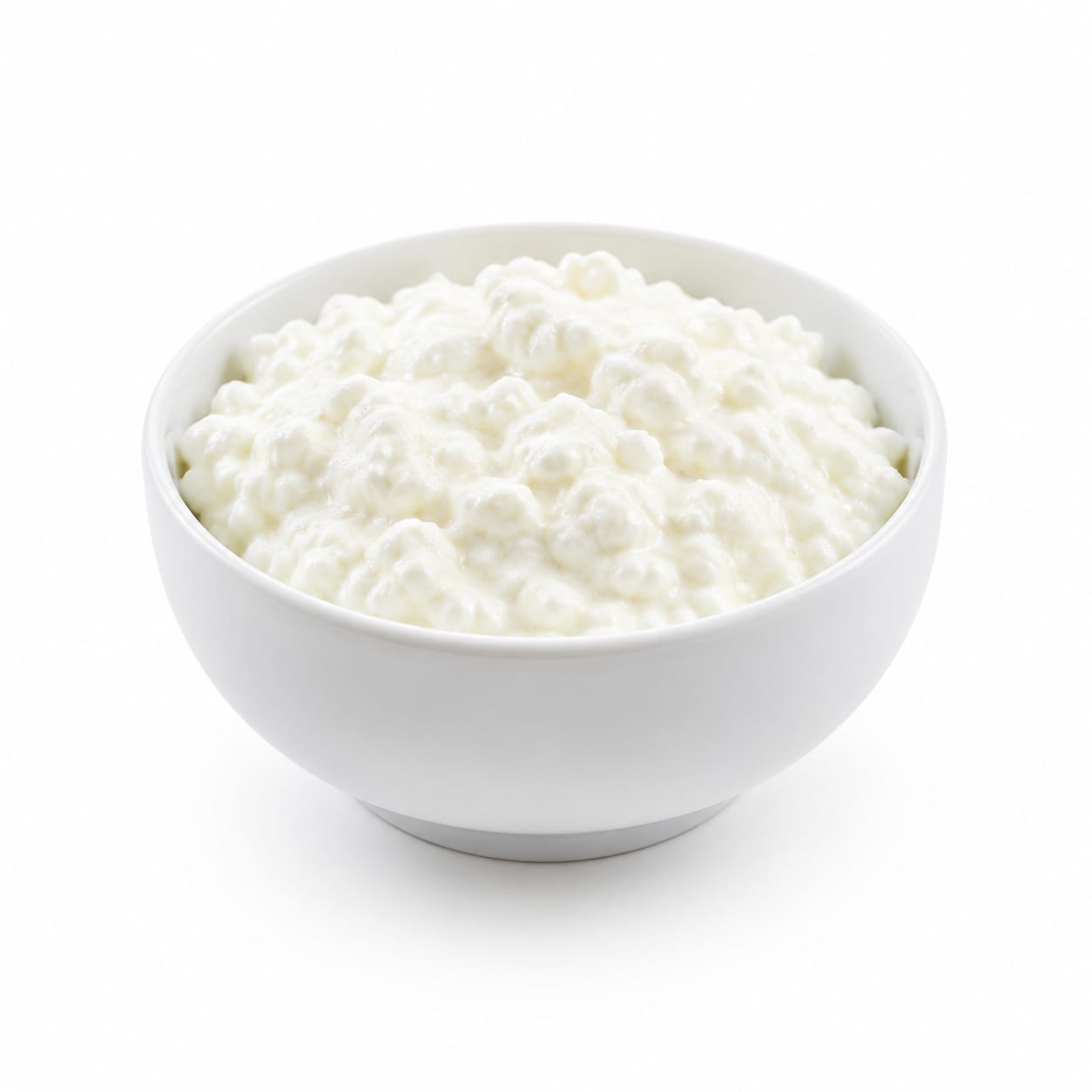
Cottage Cheese
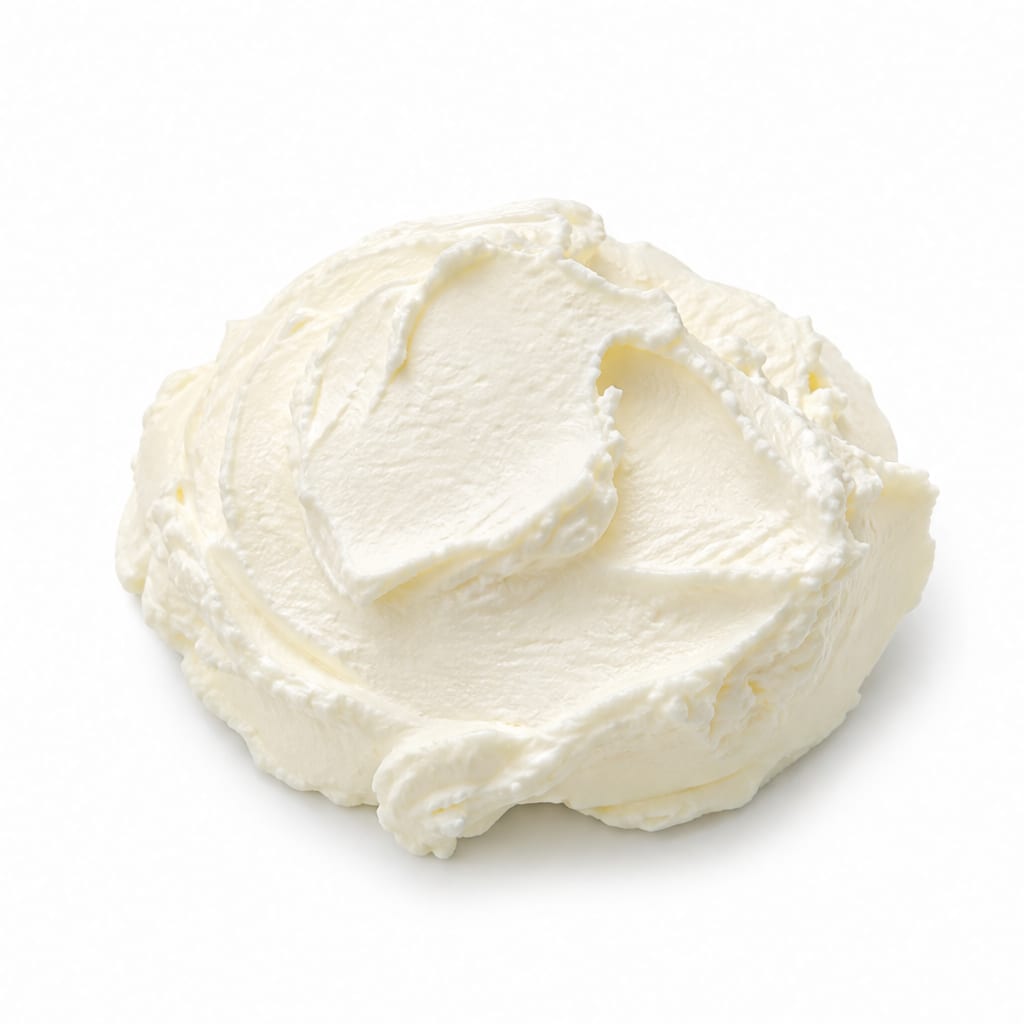
Cream Cheese
Cottage Cheese is the clear nutritional winner with far more protein, fewer calories, and better satiety. Cream Cheese wins on taste and spreadability but delivers mostly fat with minimal protein.
Cottage Cheese scores significantly higher due to its strong protein content, low calorie density, and satiety benefits. Cream Cheese scores low because it is calorie-dense, high in saturated fat, and provides minimal protein or micronutrients relative to its calorie cost.
You trade rich, creamy indulgence for genuine nutritional value. Cottage Cheese fuels your body; Cream Cheese mostly decorates your plate.
At a glance
Executive summary
Overall
Cottage Cheese
Healthier
Cottage Cheese
More practical
It depends
Daily use
Cottage Cheese
Key comparison lenses
protein vs richness tradeoff
Cottage Cheese delivers substantial protein while Cream Cheese delivers fat-driven richness — the core decision most users face
weight management compatibility
Calorie density differs dramatically, making this a common decision point for anyone tracking intake
daily eating sustainability
People often wonder which cheese they can eat regularly without negative consequences
satiety and cravings control
Protein content makes Cottage Cheese far more filling, which matters for snacking decisions
culinary role clarity
These cheeses serve different kitchen purposes but sometimes overlap on bagels or toast
Best choice for
Cottage Cheese
- People seeking high protein with low calories
- Anyone managing weight or tracking macros
- Breakfast eaters wanting lasting fullness
- Post-workout snackers needing casein protein
- People who want a daily cheese without guilt
Cream Cheese
- Bagel lovers wanting classic rich flavor
- Cooks making cheesecake or creamy sauces
- People who prioritize taste over nutrition
- Entertaining guests where indulgence matters
- Recipes requiring a smooth, spreadable fat base
Least suitable for
Cottage Cheese
- People who dislike the texture or mild flavor
- Recipes requiring a smooth, creamy fat base
- Anyone seeking rich indulgence rather than fuel
Cream Cheese
- People counting calories or tracking macros
- Anyone with heart health concerns about saturated fat
- Those wanting a high-protein food option
- Daily eaters who need satiety from their food
Deep comparison
Dimension by dimension
Each lens scores both foods and breaks down who each option suits.
- Dimension 1 · Priority 95Cottage Cheese
Protein & Satiety
Cottage Cheese · 92Cream Cheese · 15Cottage Cheese provides roughly 12-14g of protein per half cup, while Cream Cheese provides only about 2g. This is not a close comparison.
Tradeoff
You sacrifice the rich mouthfeel of Cream Cheese but gain genuine fullness that lasts for hours instead of minutes.
Why it matters
Protein is the most satiating macronutrient. Cottage Cheese keeps you full; Cream Cheese leaves you hungry again quickly despite its calorie load.
Real-world impact
A Cottage Cheese breakfast at 7am can hold you until noon. A Cream Cheese bagel often triggers hunger by 10am.
Cottage Cheese
- Staying full between meals
- Post-workout muscle recovery
- Avoiding afternoon energy crashes
- Reducing overall daily calorie intake naturally
Better for
- Recipes needing a fat base for richness
Worse for
Cream Cheese
- Any situation where satiety matters
- Athletic recovery
- Blood sugar stability after eating
Worse for
- Dimension 2 · Priority 90Cottage Cheese
Calorie Density & Weight Management
Cottage Cheese · 85Cream Cheese · 25Cottage Cheese delivers roughly 100-110 calories per half cup. Cream Cheese packs about 175-200 calories per similar portion, mostly from fat.
Tradeoff
Cream Cheese makes meals taste richer but dramatically increases the calorie cost of every bite. Cottage Cheese lets you eat more volume for fewer calories.
Why it matters
Calorie density is the strongest predictor of overeating. High-fat spreads disappear quickly without triggering fullness signals.
Real-world impact
Spreading Cream Cheese on a bagel can quietly add 200+ calories before you notice. Cottage Cheese gives you a bigger, more satisfying portion for half the calories.
Cottage Cheese
- Consistent calorie control without hunger
- Eating larger portions guilt-free
- Weight loss or maintenance phases
- Macro-friendly meal building
Better for
Cream Cheese
- Gaining weight intentionally when needed
Better for
- Unintentional calorie surplus
- Portion control difficulty
- Weight gain from frequent use
Worse for
- Dimension 3 · Priority 80Cottage Cheese
Fat Profile & Heart Health
Cottage Cheese · 65Cream Cheese · 25Cottage Cheese contains modest fat with a mix of saturated and unsaturated types. Cream Cheese is roughly 90% fat by calories, heavily saturated.
Tradeoff
Cream Cheese delivers the satisfying richness that only saturated fat provides, but at a cost to cardiovascular health when eaten regularly.
Why it matters
Frequent saturated fat intake raises LDL cholesterol over time. Using Cream Cheese daily is a stealthy way to strain your heart health.
Real-world impact
A daily Cream Cheese habit can meaningfully increase saturated fat intake. Switching to Cottage Cheese removes that burden without sacrificing a dairy option.
Cottage Cheese
- Heart-conscious eaters
- People managing cholesterol levels
- Anyone watching saturated fat intake
Better for
Cream Cheese
- Daily consumers at risk for elevated LDL
- People with existing heart conditions
- Those already high in saturated fat from other sources
Worse for
- Dimension 4 · Priority 75Cream Cheese
Taste & Culinary Versatility
Cottage Cheese · 45Cream Cheese · 80Cream Cheese is smooth, rich, and universally loved as a spread and dessert base. Cottage Cheese has a divisive texture and milder flavor that limits its culinary roles.
Tradeoff
Cream Cheese makes everything taste better but nutritionally worse. Cottage Cheese is nutritionally superior but requires more effort to enjoy.
Why it matters
If you dislike a food, its nutritional profile is irrelevant. Cream Cheese wins on pure enjoyment and recipe flexibility.
Real-world impact
Cream Cheese elevates bagels, cakes, and dips effortlessly. Cottage Cheese works well in bowls, smoothies, or savory snacks but rarely excites people.
Cottage Cheese
- Savory snack bowls
- Blended into smoothies for protein
- Replacing ricotta in lasagna
Better for
- Spreading on baked goods
- Dessert recipes requiring fat base
- Pleasing picky eaters
Worse for
Cream Cheese
- Classic bagel topping
- Cheesecake and dessert bases
- Creamy dip recipes
- Any dish where richness is the goal
Better for
- Dimension 5 · Priority 65Cottage Cheese
Bone Health & Micronutrients
Cottage Cheese · 70Cream Cheese · 45Both provide calcium, but Cottage Cheese delivers more protein and B vitamins alongside its mineral content. Cream Cheese offers calcium but in a less nutrient-dense package.
Tradeoff
Cottage Cheese gives you more nutrients per calorie. Cream Cheese provides some calcium but at a high calorie cost that dilutes its nutritional value.
Why it matters
Nutrient density matters more as you age. Getting calcium without excess calories supports bone health without weight gain.
Real-world impact
A serving of Cottage Cheese covers about 10% of daily calcium needs with minimal calories. Cream Cheese covers similar calcium but at nearly double the calorie price.
Cottage Cheese
- Older adults needing efficient nutrition
- Anyone wanting more vitamins per calorie
- Bone health support without weight gain
Better for
Cream Cheese
- Poor nutrient-to-calorie ratio
- Less efficient way to get calcium
Worse for
- Dimension 6 · Priority 55It depends
Digestive Tolerance
Cottage Cheese · 55Cream Cheese · 55Both can challenge lactose-sensitive individuals. Cottage Cheese has slightly more lactose but also contains beneficial cultures in some varieties. Cream Cheese has less lactose but offers no probiotic benefit.
Tradeoff
Neither is a great choice for highly lactose-intolerant people. Cottage Cheese may cause more bloating, but cultured versions can be easier to tolerate.
Why it matters
Digestive discomfort undermines any nutritional advantage. If your gut reacts poorly, the theoretical benefits become irrelevant.
Real-world impact
Some people find Cottage Cheese causes bloating despite its health profile. Others handle it fine. Individual tolerance varies more than food differences here.
Cottage Cheese
- People who tolerate lactose well
- Those choosing cultured varieties for gut benefits
Better for
- Lactose-intolerant individuals
Worse for
Cream Cheese
- Highly lactose-sensitive individuals who tolerate small amounts
Better for
- Lactose-intolerant individuals
Worse for
Timeline
Health impact over time
Short-term
Hours to days
Cottage Cheese
- Strong satiety within 30 minutes due to casein protein
- Steady energy without sugar crash
- Possible bloating if lactose sensitive
- Feels like a substantial meal or snack
Cream Cheese
- Quick satisfaction from fat-driven pleasure response
- Hunger returning within 1-2 hours despite calorie load
- Possible sluggish feeling after high-fat intake
- Minimal satiety signal despite calorie density
Long-term
Months to years
Cottage Cheese
- Supports muscle maintenance with consistent protein intake
- Helps maintain healthy weight through natural portion control
- Contributes to bone density via calcium and protein
- Low cardiovascular risk with regular consumption
Cream Cheese
- Regular use may elevate LDL cholesterol from saturated fat
- Calorie creep contributing to gradual weight gain
- Minimal protein contribution means less muscle support
- Possible increased cardiovascular risk with daily use
Risk profile
Safety & processing
Cottage Cheese is made by curdling milk and draining whey — a simple, traditional process. Cream Cheese requires additional processing steps, and many commercial brands include stabilizers like gums or carrageenan to maintain spreadable texture.
Cottage Cheese
Listeria contamination
lowSoft cheeses carry some listeria risk, but commercially produced Cottage Cheese from pasteurized milk is generally safe. Avoid unpasteurized versions.
Sodium content
mediumCottage Cheese can contain 350-400mg of sodium per serving. Low-sodium versions exist and are worth seeking for daily eaters.
Cream Cheese
Listeria contamination
lowSimilar to Cottage Cheese, pasteurized commercial Cream Cheese is low risk. Unpasteurized or artisanal versions carry more concern.
Additive exposure
mediumMany brands include stabilizers like guar gum, xanthan gum, or carrageenan. While generally recognized as safe, some people prefer to minimize these.
Sodium content
lowCream Cheese typically contains less sodium than Cottage Cheese, around 100-200mg per serving.
Who wins for whom
Audience fit
Same foods, different winners depending on your goal.
children
It dependsCream Cheese is often more palatable for kids who reject Cottage Cheese texture. However, Cottage Cheese provides better nutrition for growing bodies. Choose based on what the child will actually eat.
daily consumption
Cottage CheeseDaily Cottage Cheese supports protein goals, bone health, and satiety without cardiovascular concerns. Daily Cream Cheese adds significant saturated fat and calories with minimal nutritional return.
diabetes
Cottage CheeseCottage Cheese has minimal carbohydrates and high protein, supporting stable blood sugar. Cream Cheese is also low-carb but lacks protein to buffer glucose responses from accompanying foods.
elderly
Cottage CheeseOlder adults need efficient protein to prevent muscle loss, and Cottage Cheese delivers this in an easy-to-eat form. Cream Cheese provides calories without the protein elderly people most need.
muscle gain
Cottage CheeseCasein protein in Cottage Cheese provides slow-release amino acids ideal for muscle maintenance, especially overnight. Cream Cheese offers negligible protein.
weight loss
Cottage CheeseHigh protein and low calorie density make Cottage Cheese one of the best dairy options for weight loss. It fills you up without filling out your calorie budget.
Your move
Decision guide
Choose Cottage Cheese
- You want a filling, high-protein snack or breakfast
- You are managing your weight or tracking macros
- You need sustained energy without crashes
- You eat dairy daily and want the healthiest option
- You are an athlete or active person needing protein
Choose Cream Cheese
- You are making cheesecake or a creamy dip
- A bagel without Cream Cheese feels wrong to you
- You are entertaining and want indulgent flavor
- You need a smooth, spreadable fat for a recipe
- Taste pleasure matters more than nutrition today
Either works if
- You tolerate lactose well and just want a dairy option
- You are mixing into a recipe where either could work
- You are eating occasionally rather than daily
Avoid both if
- You are strictly dairy-free or vegan
- You have severe lactose intolerance
- You have a dairy allergy
Final recommendation
Make Cottage Cheese your everyday cheese and treat Cream Cheese as an occasional indulgence. The nutritional gap between them is too large to ignore. If you love Cream Cheese on bagels, enjoy it on weekends and use Cottage Cheese as your weekday protein-packed alternative. Your body, energy, and waistline will all notice the difference.
Practical
Consumer tips
- 1
Try whipped Cottage Cheese if you dislike the curd texture — it mimics Cream Cheese smoothness while keeping the protein
- 2
Look for low-sodium Cottage Cheese if you eat it daily — regular versions can add up to significant sodium intake
- 3
Choose cultured Cottage Cheese for potential probiotic benefits and slightly easier digestion
- 4
Use Cottage Cheese blended with herbs as a Cream Cheese substitute on bagels — surprisingly close in flavor with far better nutrition
- 5
If buying Cream Cheese, check labels for brands with fewer stabilizers and simpler ingredient lists
- 6
Full-fat Cottage Cheese is more satisfying than fat-free versions and the calorie difference is modest — do not automatically reach for fat-free