
Nutrition comparison
Cottage Cheese vs Eggs: Which Protein Powerhouse Is Better for You?
Compare cottage cheese and eggs on protein quality, satiety, convenience, cholesterol, and digestibility. Find out which high-protein food fits your goals best.
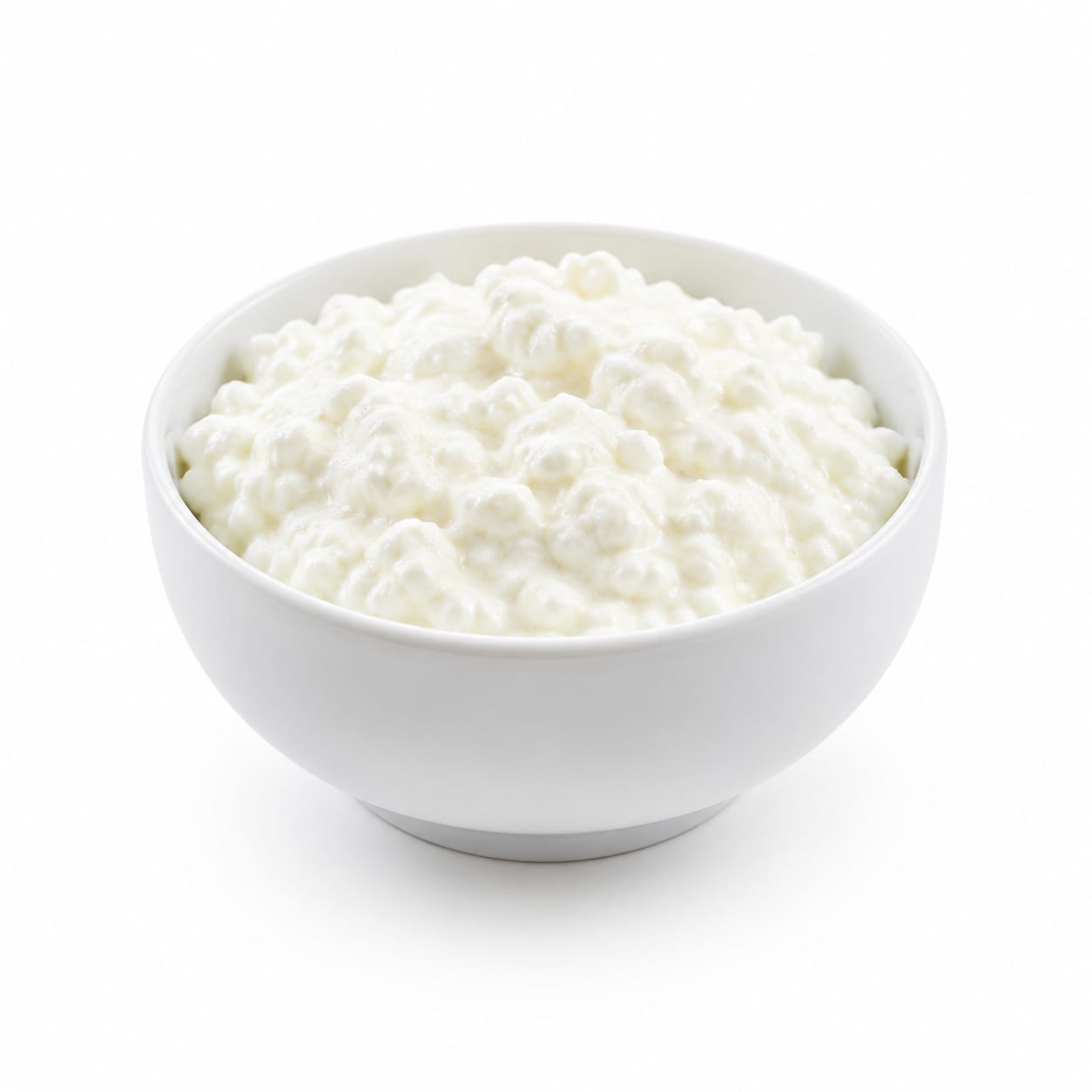
Cottage Cheese
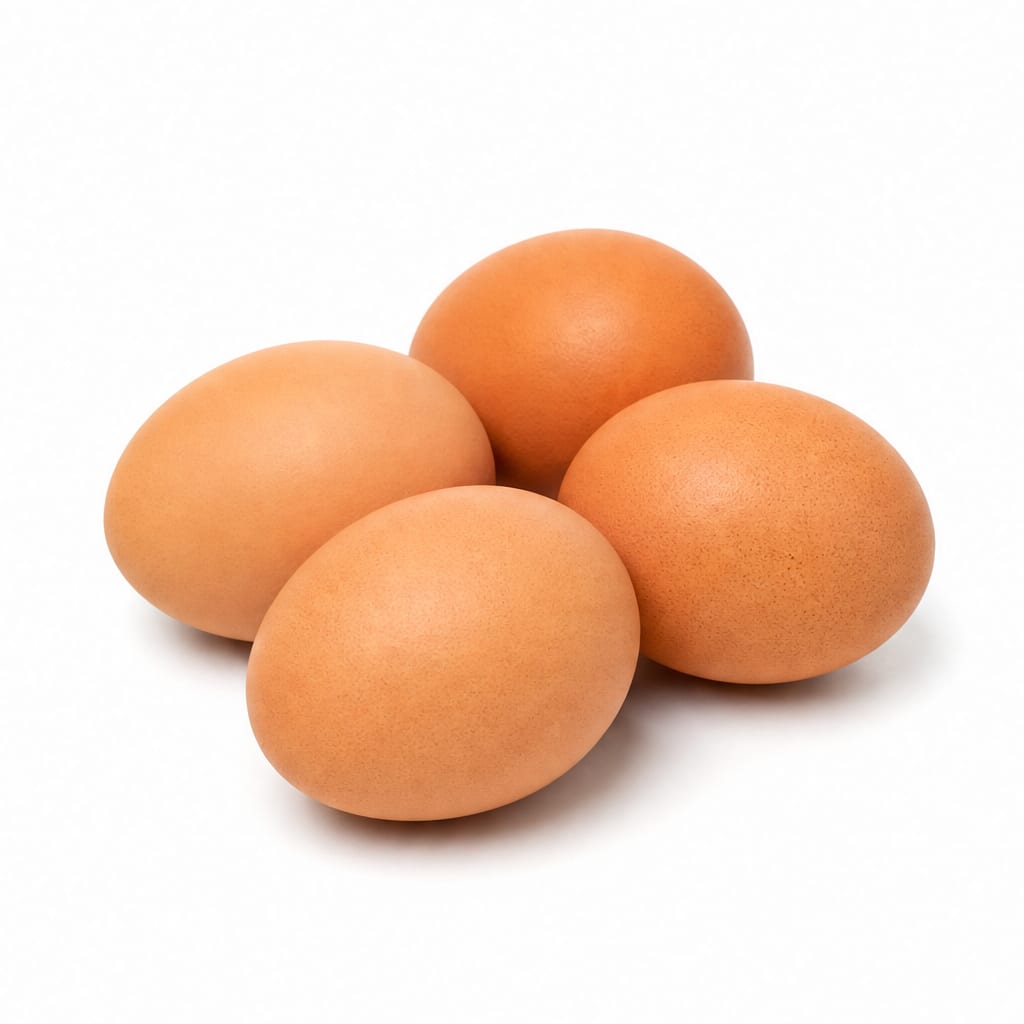
Eggs
Cottage cheese wins for convenience and slow-release protein; eggs win for nutrient density and versatility. Your best pick depends on digestion, timing, and cooking willingness.
Eggs edge ahead with superior nutrient density, cooking versatility, and broader digestibility. Cottage cheese stays competitive through unmatched convenience and slow-release casein protein that eggs cannot replicate.
Ready-to-eat casein fuel versus cook-required complete nutrition with cholesterol tradeoffs
At a glance
Executive summary
Overall
It depends
Healthier
It depends
More practical
Cottage Cheese
Daily use
Cottage Cheese
Key comparison lenses
high-protein breakfast choice
Both are classic high-protein morning staples, and users are likely deciding which better fuels their day
weight loss and satiety
Both foods are popular in fat-loss diets for their filling protein content
muscle building and recovery
Cottage cheese offers slow-digesting casein while eggs provide complete amino acids, making protein timing a key decision factor
cholesterol and heart health concerns
Eggs carry dietary cholesterol questions that cottage cheese avoids
dairy sensitivity and digestive tolerance
Cottage cheese contains lactose which limits accessibility for many adults
Best choice for
Cottage Cheese
- Late-night snacking when you want slow protein release
- Busy mornings with zero cooking time
- Post-dinner hunger without heavy calories
- People avoiding dietary cholesterol
- Anyone wanting calcium alongside protein
Eggs
- Post-workout meals needing fast amino acid delivery
- Cooking enthusiasts who want ingredient versatility
- People avoiding dairy or lactose
- Budget-conscious shoppers wanting maximum nutrition per dollar
- Choline and brain nutrient seekers
Least suitable for
Cottage Cheese
- Lactose-intolerant individuals
- People watching sodium closely
- Anyone who dislikes soft dairy textures
- Those avoiding all animal dairy for ethical reasons
Eggs
- People with egg allergies
- Those strictly limiting dietary cholesterol
- Vegans and plant-based eaters
- Anyone without reliable cooking access
Deep comparison
Dimension by dimension
Each lens scores both foods and breaks down who each option suits.
- Dimension 1 · Priority 95It depends
Protein Quality and Timing
Cottage Cheese · 78Eggs · 85Eggs deliver faster-absorbing complete protein ideal for post-workout recovery. Cottage cheese provides slow-digesting casein perfect for sustained amino acid delivery over hours.
Tradeoff
Speed of absorption versus duration of protein release
Why it matters
Your protein timing goal determines the winner here, not absolute quality
Real-world impact
After a gym session, eggs feed your muscles faster. Before bed, cottage cheese keeps amino acids trickling through the night.
Cottage Cheese
- Overnight muscle preservation
- Long gaps between meals
- Before fasting periods
Better for
- Rapid protein needs after training
Worse for
Eggs
- Post-workout recovery windows
- Breaking a fast
- Quick protein repletion
Better for
- Sustained overnight feeding
Worse for
- Dimension 2 · Priority 90Eggs
Satiety and Fullness
Cottage Cheese · 75Eggs · 88Eggs keep you fuller for longer thanks to their fat-protein combination and solid food form. Cottage cheese fills you up but the soft texture and lower fat content lead to faster return of hunger.
Tradeoff
Convenient soft protein versus longer-lasting solid satiety
Why it matters
If staying full until your next meal matters, eggs outperform
Real-world impact
Two eggs at breakfast typically carry you to lunch. Cottage cheese may leave you snacking by mid-morning.
Cottage Cheese
- Light eaters who prefer smaller volumes
- People who eat frequently throughout the day
Better for
- Those prone to hunger returning quickly
Worse for
Eggs
- Anyone trying to reduce between-meal snacking
- Intermittent fasters needing sustained fullness
Better for
- People who find heavy morning meals uncomfortable
Worse for
- Dimension 3 · Priority 88Eggs
Nutrient Density Beyond Protein
Cottage Cheese · 65Eggs · 92Eggs are a nutritional powerhouse with choline, vitamin D, B12, selenium, and lutein. Cottage cheese offers calcium and some B vitamins but has a narrower micronutrient profile.
Tradeoff
Broad micronutrient coverage versus calcium-focused nutrition
Why it matters
Eggs contribute to brain, eye, and bone health simultaneously while cottage cheese primarily supports bones
Real-world impact
Regular egg eaters get brain-supporting choline and eye-protecting lutein that cottage cheese simply cannot match.
Cottage Cheese
- Calcium-focused nutrition goals
- Those already getting plenty of micronutrients elsewhere
Better for
- Those needing diverse micronutrient intake from limited foods
Worse for
Eggs
- People relying on few foods for broad nutrition
- Brain health and cognitive support seekers
- Eye health-conscious individuals
Better for
- People who need concentrated calcium specifically
Worse for
- Dimension 4 · Priority 85Cottage Cheese
Convenience and Preparation
Cottage Cheese · 92Eggs · 55Cottage cheese is ready to eat straight from the container with zero prep. Eggs require cooking, cleanup, and at minimum a stove or microwave.
Tradeoff
Instant access versus cooking-required freshness
Why it matters
Convenience often determines whether healthy eating actually happens
Real-world impact
At 6 AM before a busy workday, opening a cottage cheese container beats washing a pan every time.
Cottage Cheese
- Rushed mornings with no cooking time
- Office desk lunches
- Travel and hotel stays with limited kitchens
Better for
- Those who find cold soft food unappealing
Worse for
Eggs
- People who enjoy cooking as part of their routine
- Weekend meal prep sessions
Better for
- Anyone without reliable cooking access
- People who hate dish cleanup
Worse for
- Dimension 5 · Priority 82Eggs
Digestive Tolerance and Accessibility
Cottage Cheese · 55Eggs · 82Eggs are well-tolerated by most people except those with specific allergies. Cottage cheese contains lactose, which roughly 65% of the global population has difficulty digesting.
Tradeoff
Broad digestibility versus dairy-related intolerance risk
Why it matters
A perfectly nutritious food causes harm if your body cannot process it comfortably
Real-world impact
Many adults experience bloating or discomfort from cottage cheese without realizing lactose is the culprit. Eggs rarely cause digestive issues outside of true allergy.
Cottage Cheese
- People with confirmed lactose tolerance
- Those who tolerate fermented dairy well
Better for
- Lactose-intolerant or dairy-sensitive people
- Those with irritable bowel syndrome triggered by dairy
Worse for
Eggs
- Lactose-intolerant individuals
- People with sensitive digestion
- Anyone unsure about dairy tolerance
Better for
- People with egg allergies or sensitivities
Worse for
- Dimension 6 · Priority 78Cottage Cheese
Heart Health and Cholesterol
Cottage Cheese · 80Eggs · 62Cottage cheese is naturally low in cholesterol and saturated fat. Eggs contain significant dietary cholesterol, which remains a concern for some individuals despite evolving guidelines.
Tradeoff
Cholesterol-free protein versus cholesterol-containing whole food nutrition
Why it matters
For people with lipid concerns, this difference shapes daily food choices
Real-world impact
If your doctor has flagged your cholesterol numbers, cottage cheese offers protein without adding to the concern. Eggs may require moderation rather than freedom.
Cottage Cheese
- People managing high cholesterol
- Those with family history of heart disease
- Anyone following heart-healthy eating patterns
Better for
- People without cholesterol concerns who miss out on egg nutrients by avoiding them
Worse for
Eggs
- People with normal cholesterol who tolerate dietary cholesterol well
- Those following low-carb or keto approaches
Better for
- Hyper-responders to dietary cholesterol
- People with existing cardiovascular conditions
Worse for
- Dimension 7 · Priority 72Eggs
Sodium Load
Cottage Cheese · 45Eggs · 85Cottage cheese is surprisingly high in sodium, with a single cup often containing 700-900mg. Eggs are naturally very low in sodium at around 60-70mg each.
Tradeoff
Convenient dairy protein versus naturally low-sodium protein
Why it matters
Sodium intake silently affects blood pressure and hydration for millions of people
Real-world impact
A cottage cheese breakfast can deliver a third of your daily sodium before you leave the house. Two eggs barely register.
Cottage Cheese
- Athletes who lose sodium through heavy sweating
- People who need extra sodium for medical reasons
Better for
- Hypertension patients
- People eating processed foods regularly who already exceed sodium limits
Worse for
Eggs
- Anyone watching blood pressure
- People on sodium-restricted diets
- Those who get plenty of salt from other meals
Better for
- Heavy sweaters who need more sodium
Worse for
- Dimension 8 · Priority 70Eggs
Versatility and Culinary Use
Cottage Cheese · 50Eggs · 92Eggs are arguably the most versatile ingredient in any kitchen, working in scrambles, baking, binding, sauces, and dozens of cuisines. Cottage cheese has a narrower range of applications.
Tradeoff
Limited culinary role versus near-universal cooking ingredient
Why it matters
Versatility determines whether a food stays interesting long-term or becomes monotonous
Real-world impact
You can eat eggs differently every day for a month. Cottage cheese starts repeating within a week.
Cottage Cheese
- Simple eaters who enjoy routine meals
- Smoothie and bowl builders
Better for
- Anyone who needs cooking variety to stay engaged with healthy eating
Worse for
Eggs
- Home cooks who want one ingredient serving many roles
- People who get bored eating the same preparation repeatedly
- Bakers needing binding and structure
Better for
- People who never cook and only eat prepared foods
Worse for
Timeline
Health impact over time
Short-term
Hours to days
Cottage Cheese
- Quick protein satisfaction with minimal digestive effort for tolerant individuals
- Possible bloating or gas for lactose-sensitive people within 30-60 minutes
- High sodium may cause temporary water retention and thirst
Eggs
- Sustained energy and fullness lasting 3-4 hours after a two-egg meal
- Fast amino acid availability supporting immediate muscle recovery
- Minimal blood sugar impact due to near-zero carbohydrate content
Long-term
Months to years
Cottage Cheese
- Consistent calcium intake supporting bone mineral density over decades
- Casein protein may support muscle preservation during aging and calorie deficits
- Regular high sodium intake could contribute to elevated blood pressure if not managed
Eggs
- Choline intake supports cognitive function and may reduce dementia risk
- Lutein and zeaxanthin accumulate in the retina, protecting long-term eye health
- For cholesterol hyper-responders, regular egg consumption may elevate LDL over time
Risk profile
Safety & processing
Both foods are minimally processed whole foods. However, cottage cheese often contains added stabilizers, gums, or preservatives like guar gum and carrageenan, while eggs come in their natural shell with nothing added.
Cottage Cheese
Listeria contamination
mediumSoft dairy products carry a higher listeria risk, especially when improperly stored or consumed past freshness dates. Pregnant women should be particularly cautious.
Spoilage and bacterial growth
mediumCottage cheese spoils quickly once opened and requires consistent refrigeration. The high moisture content creates favorable conditions for bacterial growth.
Eggs
Salmonella from raw or undercooked eggs
mediumProper cooking eliminates salmonella risk. Runny yolks and raw egg preparations carry the highest concern, especially for vulnerable populations.
Cross-contamination during handling
lowEgg shells can carry bacteria that spread to surfaces and hands. Basic handwashing and surface cleaning after handling eliminates this risk.
Who wins for whom
Audience fit
Same foods, different winners depending on your goal.
children
EggsEggs offer broader nutrition for growing bodies including choline for brain development. Many children also reject the texture of cottage cheese while enjoying scrambled or boiled eggs.
daily consumption
Cottage CheeseCottage cheese has fewer concerns about daily accumulation of cholesterol or saturated fat. Eggs are healthy daily for most people, but some need to monitor intake, making cottage cheese the safer everyday default.
diabetes
EggsBoth have minimal carbohydrate impact, but eggs provide steadier blood sugar stability without the sodium-driven thirst and potential insulin resistance concerns from high salt intake.
elderly
Cottage CheeseCottage cheese is easier to chew and digest for aging digestive systems, and the calcium directly supports bone health concerns that intensify with age. The soft texture accommodates dental issues common in older adults.
muscle gain
It dependsEggs win for post-workout fast absorption. Cottage cheese wins for overnight recovery. Serious muscle builders benefit from both at different times rather than choosing one exclusively.
weight loss
EggsEggs provide longer-lasting satiety with fewer calories per serving, reducing the urge to snack between meals. Cottage cheese is effective but the sodium and faster hunger return make eggs slightly better for sustained fat loss.
Your move
Decision guide
Choose Cottage Cheese
- You want grab-and-go protein with zero cooking
- You eat late at night and need slow-digesting fuel
- You are avoiding dietary cholesterol for heart health reasons
- You need extra calcium in your diet
- You prefer soft, mild-flavored foods
Choose Eggs
- You want the most nutrient-dense protein source possible
- You cook regularly and enjoy meal variety
- You are lactose intolerant or avoiding dairy
- You need long-lasting fullness to control snacking
- You want brain-supporting choline and eye-protecting nutrients
Either works if
- You simply need high-quality protein and both are available
- You rotate protein sources throughout the week anyway
- Your digestion tolerates both without issues
- You are building a balanced breakfast with other foods like vegetables or whole grains
Avoid both if
- You have both egg allergy and lactose intolerance
- You are following a strict vegan or plant-based diet
- You have kidney disease requiring protein restriction under medical supervision
Final recommendation
Use both strategically rather than choosing one forever. Eggs for morning meals and post-workout fuel. Cottage cheese for evening snacks and overnight recovery. This combination gives you fast protein when you need it and slow protein when it matters most, while covering the broadest micronutrient range.
Practical
Consumer tips
- 1
Check cottage cheese labels for sodium content, as brands vary dramatically from 300mg to over 900mg per cup
- 2
Choose pasture-raised eggs when possible for higher omega-3 and vitamin D content
- 3
If lactose bothers you with cottage cheese, try small-curd varieties which some people tolerate better
- 4
Pair cottage cheese with fruit or nuts to improve satiety and slow any blood sugar impact
- 5
Hard-boil eggs in batches for the week to get egg convenience closer to cottage cheese grab-and-go ease
- 6
Rinse cottage cheese lightly if sodium is a major concern for your health goals
- 7
Store eggs in the main refrigerator body rather than the door for more consistent temperature and safety