
Nutrition comparison
Greek Yogurt vs Cottage Cheese: Which is Better for Protein & Weight Loss?
Comparing Greek Yogurt and Cottage Cheese? Discover the nutritional differences, protein content, and which is best for your goals.
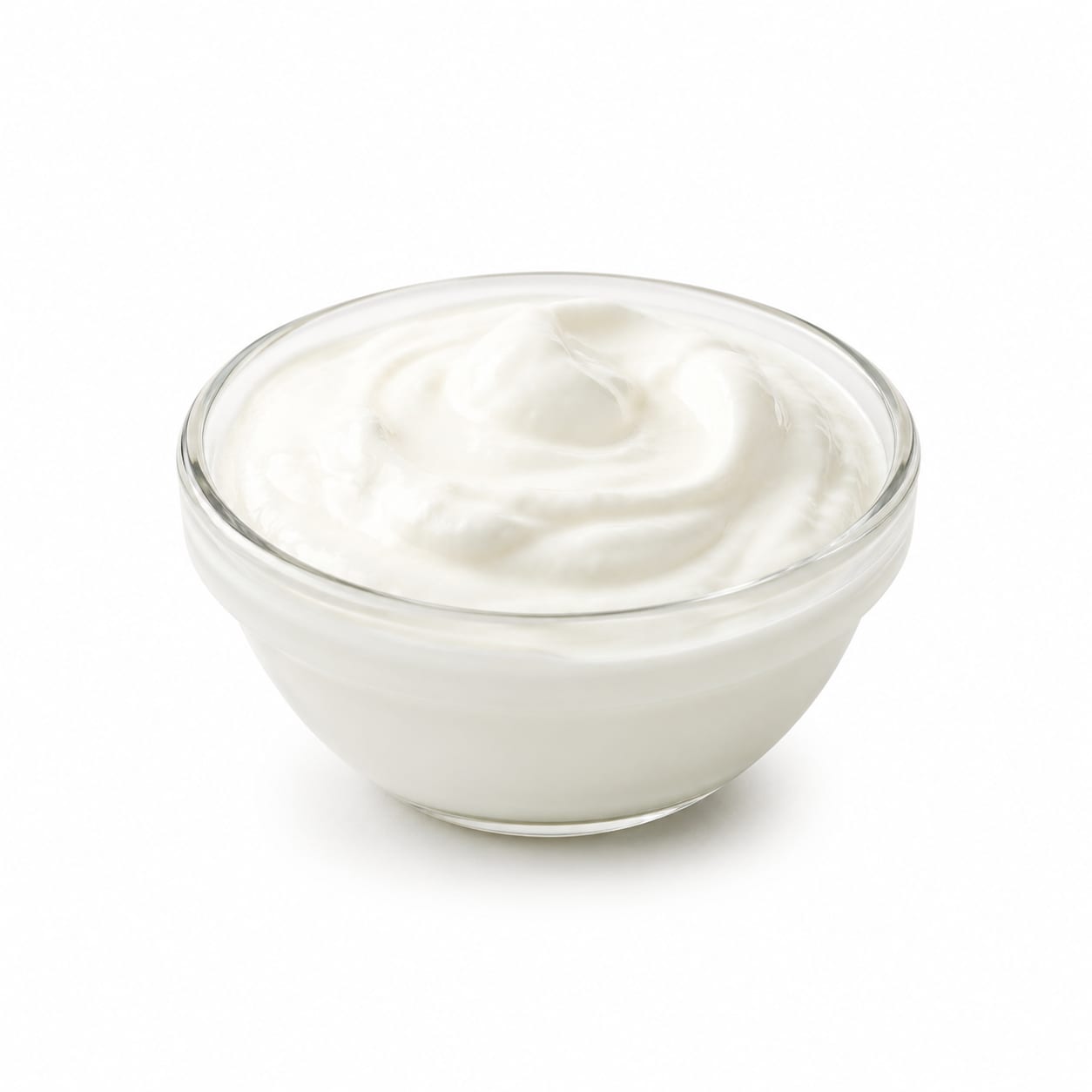
Greek Yogurt
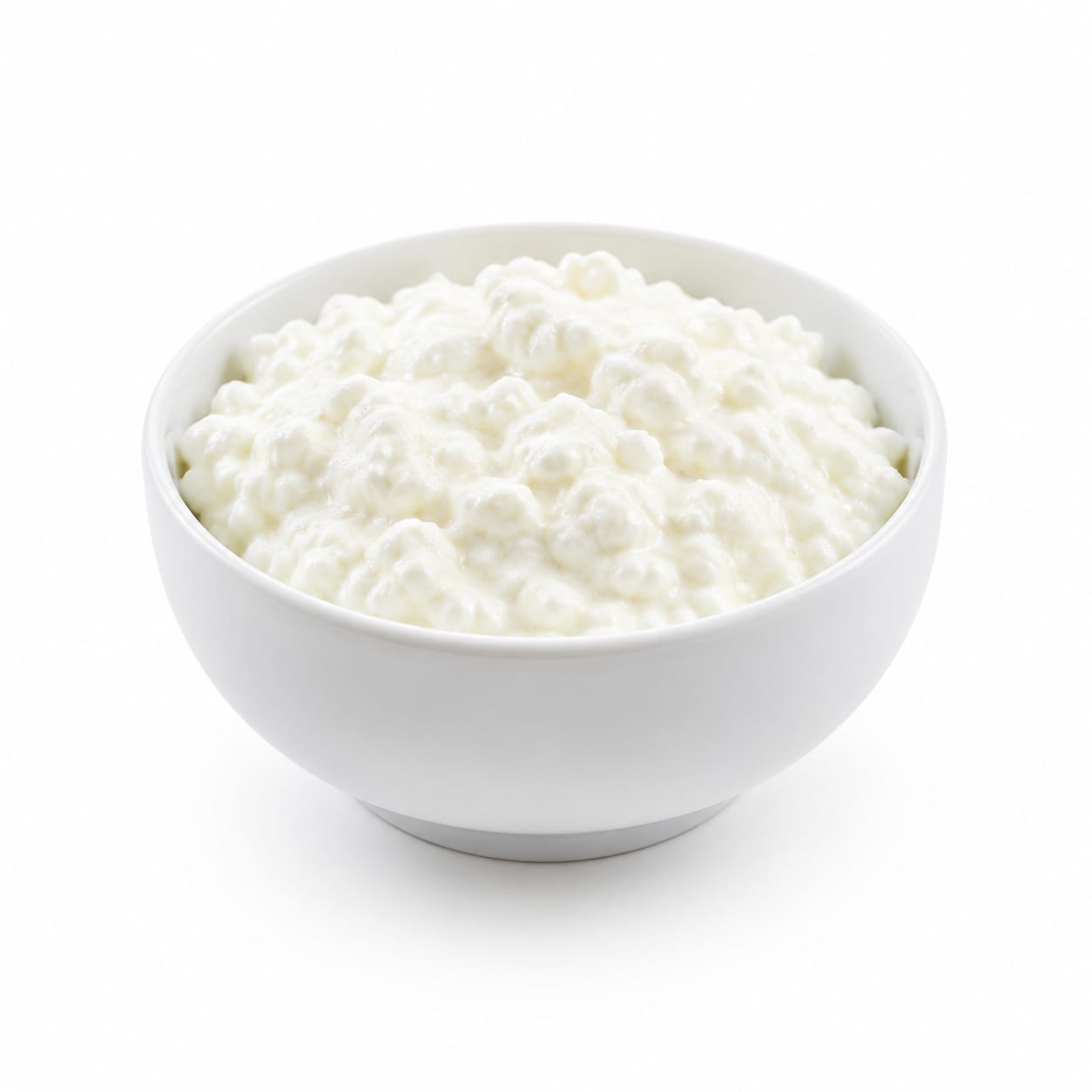
Cottage Cheese
Greek Yogurt excels for gut health and quick protein, while Cottage Cheese is the champion of slow-digesting casein and savory versatility.
Greek Yogurt scores slightly higher due to probiotic benefits and lower sodium, but Cottage Cheese remains an excellent high-protein choice depending on your meal timing and taste preferences.
Probiotics and lower sodium in Greek Yogurt versus sustained, slow-release protein and higher sodium in Cottage Cheese.
At a glance
Executive summary
Overall
It depends
Healthier
It depends
More practical
Greek Yogurt
Daily use
It depends
Key comparison lenses
Protein source comparison for muscle and satiety
Both are top-tier dairy protein sources, but they differ in casein-to-whey ratio, affecting digestion speed and fullness.
Gut health and probiotic benefits
Greek Yogurt contains live active cultures, whereas Cottage Cheese typically does not, making gut health a key differentiator.
Weight loss and calorie density
Users frequently swap these for weight loss, so comparing satiety per calorie is crucial.
Sodium and heart health tradeoffs
Cottage Cheese is surprisingly high in sodium, which matters for daily snacking and blood pressure management.
Best choice for
Greek Yogurt
- Gut health and digestion support
- Quick post-workout recovery
- Lower sodium diets
- Smoothies and sweet breakfasts
Cottage Cheese
- Overnight muscle recovery
- Savory snacking
- Maximum volume per calorie
- Sustained fullness between meals
Least suitable for
Greek Yogurt
- Sodium-restricted diets if eating flavored varieties
- Those who dislike tangy flavors
Cottage Cheese
- Low-sodium diets
- People sensitive to high dairy volume or bloating
Deep comparison
Dimension by dimension
Each lens scores both foods and breaks down who each option suits.
- Dimension 1 · Priority 95It depends
Protein Quality & Digestion Speed
Greek Yogurt · 85Cottage Cheese · 90Cottage Cheese is rich in casein, providing a slow, steady amino acid release, while Greek Yogurt offers faster-digesting protein ideal for immediate recovery.
Tradeoff
Fast absorption versus sustained overnight feeding.
Why it matters
Your body uses quick protein after exercise but benefits from slow protein during sleep or long gaps between meals.
Real-world impact
Greek Yogurt is your go-to after a morning workout. Cottage Cheese is the perfect late-night snack to prevent waking up hungry.
Greek Yogurt
- Post-workout recovery
- Quick morning protein
Better for
- Sustained overnight hunger prevention
Worse for
Cottage Cheese
- Before bed
- Long shifts without meal breaks
Better for
- Rapid muscle repair immediately after exercise
Worse for
- Dimension 2 · Priority 85Greek Yogurt
Gut Health & Probiotics
Greek Yogurt · 95Cottage Cheese · 30Greek Yogurt is packed with live active cultures that support digestion and immunity, whereas Cottage Cheese generally lacks probiotics.
Tradeoff
Microbiome benefits versus a food that is essentially sterile unless specifically cultured.
Why it matters
A healthy gut microbiome affects everything from mood to immune function and regularity.
Real-world impact
Eating Greek Yogurt daily can help keep you regular and reduce bloating, while Cottage Cheese offers no such digestive advantage.
Greek Yogurt
- Improving digestion
- Supporting immune health
Better for
- People who get bloated from fermented foods
Worse for
Cottage Cheese
- Those taking probiotics separately who just want protein
Better for
- Anyone looking to improve gut flora
Worse for
- Dimension 3 · Priority 75Greek Yogurt
Sodium & Heart Health
Greek Yogurt · 85Cottage Cheese · 45Cottage Cheese is surprisingly high in sodium, which can sneak up on you, while plain Greek Yogurt is naturally low in sodium.
Tradeoff
Savory flavor and preservation versus blood pressure management.
Why it matters
Excess sodium leads to water retention and elevated blood pressure over time.
Real-world impact
A single serving of Cottage Cheese can contain 15-20% of your daily sodium limit, making it a risky default snack if you watch your blood pressure.
Greek Yogurt
- Hypertension management
- Reducing water retention
Better for
- Those needing savory flavors without adding salt
Worse for
Cottage Cheese
- Replenishing sodium after heavy sweating
Better for
- Daily snacking for heart health
Worse for
- Dimension 4 · Priority 80Cottage Cheese
Satiety & Calorie Density
Greek Yogurt · 80Cottage Cheese · 88Cottage Cheese offers more volume and a thicker mouthfeel per calorie, making it slightly more filling for longer stretches.
Tradeoff
Higher volume and chewing satisfaction versus smoother, denser texture.
Why it matters
Feeling full on fewer calories is the key to sustainable weight management.
Real-world impact
A bowl of Cottage Cheese feels like a substantial meal that keeps you full for hours, while Greek Yogurt might leave you hungry sooner unless paired with fruit or nuts.
Greek Yogurt
- Light eaters who prefer smaller portions
Better for
- Those who feel hungry soon after eating dairy
Worse for
Cottage Cheese
- Big appetites needing volume
- Replacing a full meal
Better for
- People who prefer light, easy-to-digest snacks
Worse for
Timeline
Health impact over time
Short-term
Hours to days
Greek Yogurt
- Quick protein absorption stabilizes blood sugar after a workout
- Probiotics can soothe an upset stomach if well-tolerated
Cottage Cheese
- High casein content provides immediate and lasting fullness
- Sodium can cause temporary water retention or thirst
Long-term
Months to years
Greek Yogurt
- Consistent probiotic intake supports a stronger gut microbiome
- Lower sodium intake helps maintain healthy blood pressure
Cottage Cheese
- Sustained overnight muscle preservation supports healthy aging
- Regular high sodium intake may increase cardiovascular risk if not monitored
Risk profile
Safety & processing
Both are fundamentally simple dairy products, but flavored Greek Yogurt often harbors hidden sugars and thickeners, while Cottage Cheese usually contains just milk, salt, and a culture.
Greek Yogurt
Added sugars in flavored varieties
mediumMany commercial Greek Yogurts contain 15-20 grams of added sugar per serving, which negates many health benefits.
Lactose intolerance discomfort
mediumWhile lower in lactose than regular yogurt, it can still cause bloating or gas for highly sensitive individuals.
Cottage Cheese
Excessive sodium intake
highA single cup can pack 700-900mg of sodium, which is a significant portion of the daily limit and a risk for blood pressure.
Listeria in unpasteurized versions
lowRaw milk Cottage Cheese carries a rare but serious risk of Listeria, making pasteurized versions much safer.
Who wins for whom
Audience fit
Same foods, different winners depending on your goal.
children
Greek YogurtGreek Yogurt is smoother, easier to swallow, and can be naturally sweetened with fruit, making it far more kid-friendly than the salty, lumpy texture of Cottage Cheese.
daily consumption
Greek YogurtLower sodium and probiotic benefits make Greek Yogurt a safer and more beneficial daily staple than the sodium-heavy Cottage Cheese.
diabetes
Greek YogurtPlain Greek Yogurt has minimal sugar and a low glycemic index, plus probiotics may improve insulin sensitivity over time.
elderly
Greek YogurtGreek Yogurt is easier to chew and digest, provides essential calcium for bone density, and the probiotics support an aging gut microbiome.
muscle gain
Cottage CheeseThe high casein content in Cottage Cheese provides a slow, steady drip of amino acids, making it ideal for preventing muscle breakdown during long periods without food.
weight loss
Greek YogurtPlain Greek Yogurt provides high protein with lower sodium and fewer calories per serving, making it easier to fit into a calorie deficit without bloating.
Your move
Decision guide
Choose Greek Yogurt
- You want to improve your digestion and gut health
- You need a low-sodium protein source
- You prefer sweet breakfasts or smoothie add-ins
- You are recovering right after a workout
Choose Cottage Cheese
- You want a savory, filling snack
- You need a pre-bedtime protein to stay full overnight
- You are doing heavy weight training and need sustained amino acids
- You get hungry easily and need maximum food volume
Either works if
- You just need a high-protein dairy snack
- You are mixing it into a recipe where texture doesn't matter
- You are looking for a calcium boost
Avoid both if
- You have a severe dairy allergy
- You are strictly vegan
Final recommendation
Keep both in your fridge for different moments. Reach for Greek Yogurt in the morning or after the gym for quick protein and gut health. Switch to Cottage Cheese in the evening when you want something savory that will keep you full until breakfast.
Practical
Consumer tips
- 1
Always buy plain Greek Yogurt to avoid massive sugar spikes; add your own honey or fruit instead.
- 2
Look for low-sodium Cottage Cheese if you plan to eat it daily to protect your heart health.
- 3
Check the ingredient list: the best Greek Yogurt has only milk and live cultures, while the best Cottage Cheese has only milk, salt, and culture.
- 4
If the texture of Cottage Cheese bothers you, try blending it into a smooth pancake batter or egg muffin mixture for a protein boost without the curds.