
Nutrition comparison
Cottage Cheese vs Whey Protein Shake: Which Is Better for Your Goals?
Compare Cottage Cheese and Whey Protein Shake on protein speed, satiety, convenience, and clean ingredients. Find out which fits your fitness and lifestyle goals better.
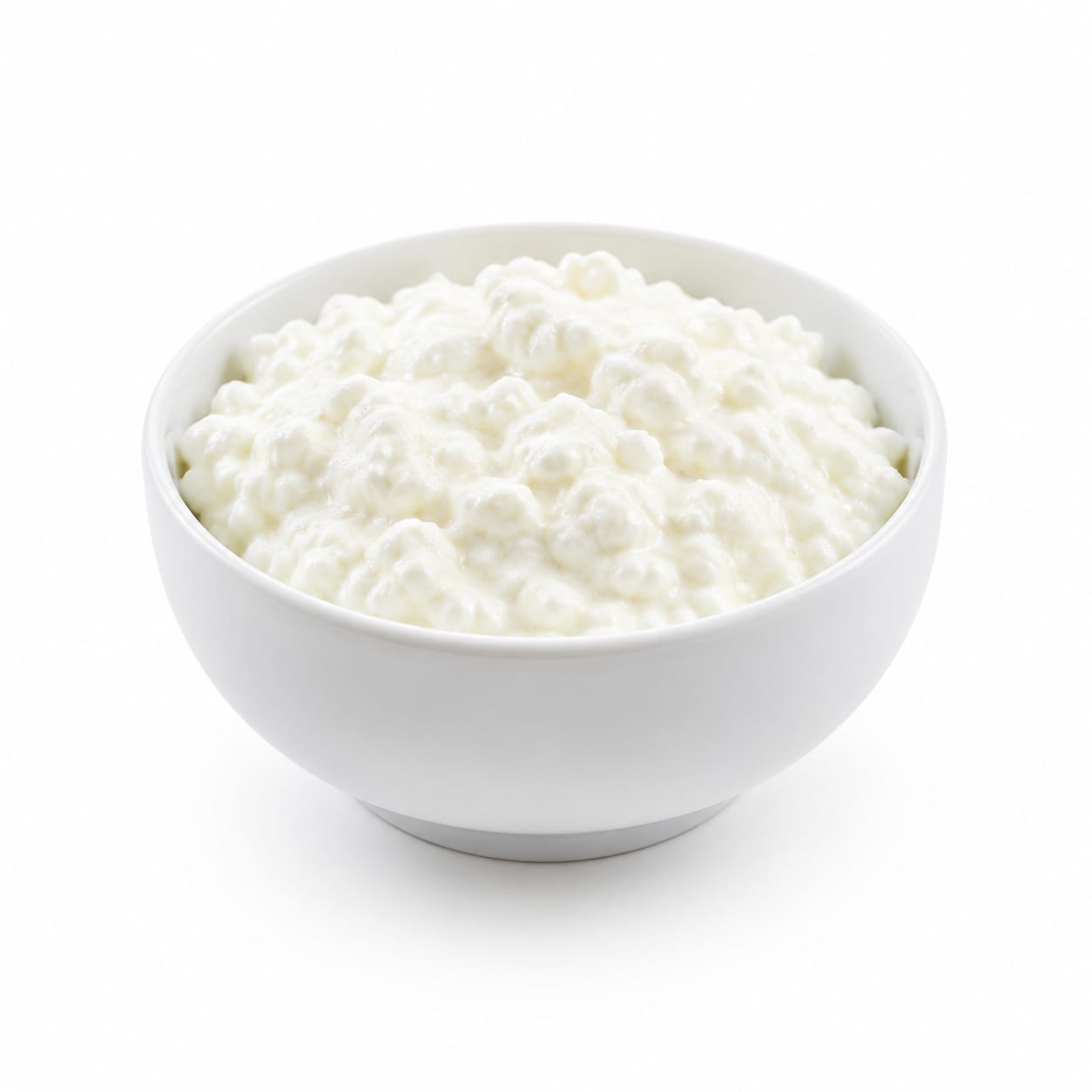
Cottage Cheese
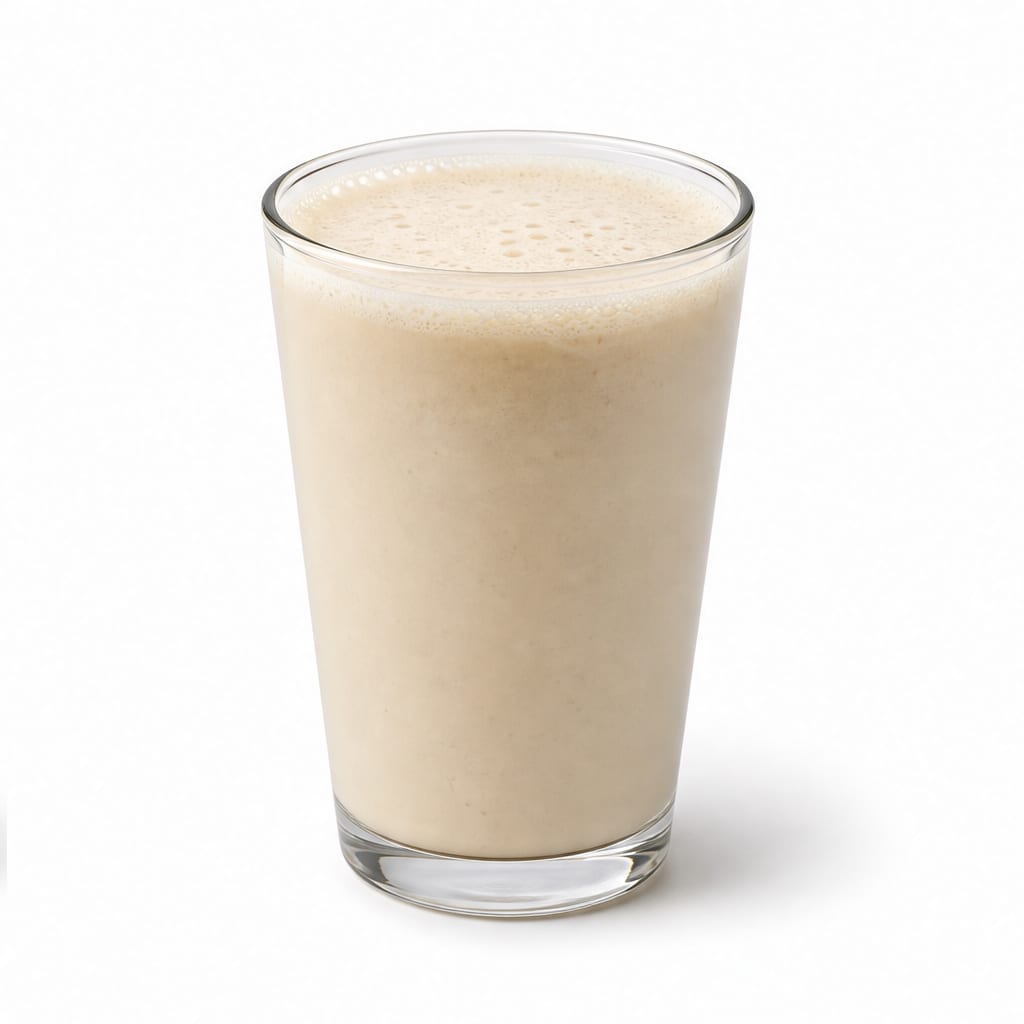
Whey Protein Shake
Cottage Cheese wins for satiety and whole-food nutrition; Whey Protein Shake wins for post-workout speed and convenience.
Cottage Cheese edges ahead on whole-food quality and satiety, but Whey Protein Shake stays competitive through unmatched convenience and muscle-recovery speed. The close scores reflect that neither is universally better — they serve different moments.
Slow-digesting comfort food versus fast-absorbing convenience — you choose between feeling full longer or refueling muscles instantly.
At a glance
Executive summary
Overall
It depends
Healthier
Cottage Cheese
More practical
Whey Protein Shake
Daily use
Cottage Cheese
Key comparison lenses
protein source selection for fitness goals
Both are high-protein dairy options but serve very different timing and satiety purposes
whole food vs supplement decision
Cottage Cheese is a real food while Whey Protein Shake is a processed supplement, raising naturalness concerns
satiety and hunger management
Casein in Cottage Cheese digests slowly compared to fast-absorbing whey, creating very different fullness experiences
convenience and lifestyle fit
Shake mixes in seconds and travels well; Cottage Cheese needs refrigeration and a spoon
weight loss support
Both are low-carb protein sources but differ in caloric density and how satisfying they feel
Best choice for
Cottage Cheese
- Late-night snackers who want something filling
- People prioritizing whole foods over supplements
- Anyone wanting sustained protein release for hours
- Those who find shakes unsatisfying and end up snacking
Whey Protein Shake
- Post-workout recovery within 30 minutes
- Busy mornings when you need protein in 60 seconds
- Anyone tracking macros precisely
- People who struggle to hit protein goals from food alone
Least suitable for
Cottage Cheese
- Lactose-sensitive individuals
- Anyone needing instant post-workout amino acid delivery
- People who dislike the texture of curds
- Those needing portable non-refrigerated protein
Whey Protein Shake
- Anyone avoiding artificial sweeteners or additives
- People prone to overeating because shakes do not fill them
- Those who want a sit-down meal experience
- Budget-conscious consumers watching per-serving costs
Deep comparison
Dimension by dimension
Each lens scores both foods and breaks down who each option suits.
- Dimension 1 · Priority 92Whey Protein Shake
Protein Absorption Speed
Cottage Cheese · 55Whey Protein Shake · 95Whey Protein Shake delivers amino acids to muscles within 20-40 minutes. Cottage Cheese releases protein slowly over 5-7 hours due to casein.
Tradeoff
Fast absorption is ideal right after exercise but less useful for steady hunger control throughout the day.
Why it matters
Timing changes everything. After a workout, your muscles are most receptive to protein for about two hours. Whey hits that window perfectly.
Real-world impact
Drink a Whey Protein Shake after the gym and your muscles start recovering immediately. Eat Cottage Cheese at 10pm and you stay satisfied until morning.
Cottage Cheese
- Overnight muscle preservation
- Between-meal hunger prevention
- Steady amino acid drip during long workdays
Better for
- Missing the post-workout anabolic window
- Feeling like you need something else right after the gym
Worse for
Whey Protein Shake
- Immediate post-workout recovery
- Quick breakfast protein before commuting
- Rapid refueling between back-to-back activities
Better for
- Being hungry again 90 minutes later
- Needing another meal or snack to stay full
Worse for
- Dimension 2 · Priority 88Cottage Cheese
Satiety and Fullness
Cottage Cheese · 90Whey Protein Shake · 45Cottage Cheese keeps you full for hours thanks to casein, solid food volume, and fat content. Whey Protein Shake digests quickly and leaves many people hungry again fast.
Tradeoff
You trade convenience for lasting satisfaction. A shake is gone in seconds but so is the fullness.
Why it matters
If a protein source leaves you raiding the pantry an hour later, it failed at one of its main jobs.
Real-world impact
Cottage Cheese at 3pm means you skip the 4pm vending machine visit. A Whey Protein Shake at 3pm often means you want a real snack by 4:15.
Cottage Cheese
- Weight loss through natural portion control
- Evening snacking replacement
- Getting through long stretches between meals
Better for
- Times when you want something light before activity
Worse for
Whey Protein Shake
- Situations where feeling heavy is unwanted
- Pre-workout when you need protein without stomach bulk
Better for
- Anyone using it as a meal replacement who ends up overeating later
Worse for
- Dimension 3 · Priority 85Whey Protein Shake
Convenience and Practicality
Cottage Cheese · 40Whey Protein Shake · 92Whey Protein Shake mixes in a shaker bottle in 30 seconds and needs no refrigeration until mixed. Cottage Cheese requires refrigeration, a spoon, and careful handling.
Tradeoff
Maximum convenience comes with minimum eating experience. You save time but lose the ritual of eating.
Why it matters
The best protein source is the one you actually use consistently. If prep friction stops you from eating protein, convenience wins.
Real-world impact
Toss a shaker bottle and scoop of whey in your gym bag — done. Cottage Cheese needs a cooler pack and still gets watery after a few hours.
Cottage Cheese
- At-home meals where refrigeration is no issue
- Adding to salads or toast as a real food ingredient
Better for
- Anything involving travel or being away from a fridge
- Eating without utensils
Worse for
Whey Protein Shake
- Gym bag protein
- Office desk emergency protein
- Travel and commuting
- Early mornings when every minute counts
Better for
- Situations where you want to feel like you actually ate a meal
Worse for
- Dimension 4 · Priority 82Cottage Cheese
Processing and Additives
Cottage Cheese · 85Whey Protein Shake · 35Cottage Cheese is a fermented dairy product with minimal ingredients. Most Whey Protein Shakes contain artificial sweeteners, flavors, emulsifiers, and thickening agents.
Tradeoff
Cleaner ingredients mean shorter shelf life and less flavor variety. Processed shakes taste like milkshakes but carry ingredient-list baggage.
Why it matters
If you read labels and wince at ingredients you cannot pronounce, this dimension matters a lot for long-term comfort with your choice.
Real-world impact
Cottage Cheese ingredient list: milk, cream, salt, culture. Many whey shakes: whey isolate, sucralose, acesulfame potassium, xanthan gum, natural flavors, soy lecithin.
Cottage Cheese
- Clean-eating advocates
- People avoiding artificial sweeteners
- Anyone concerned about long-term effects of food additives
Better for
- Sodium-sensitive individuals — Cottage Cheese can have 350-400mg per serving
Worse for
Whey Protein Shake
- People who prioritize taste and mixability over ingredient purity
- Anyone whose primary concern is hitting protein targets, not clean labels
Better for
- Anyone getting headaches or bloating from artificial sweeteners
- Long-term users worried about daily additive exposure
Worse for
- Dimension 5 · Priority 78Whey Protein Shake
Caloric Efficiency
Cottage Cheese · 60Whey Protein Shake · 88Whey Protein Shake delivers more protein per calorie. A typical scoop gives 25g protein for 120-130 calories. Cottage Cheese gives 14g protein for 110 calories (2% fat version).
Tradeoff
More protein per calorie means less fat and fewer micronutrients. You get efficient macros but miss the whole-food package.
Why it matters
For anyone on a calorie budget trying to hit high protein targets, every calorie needs to work hard.
Real-world impact
To get 50g protein from whey, you spend about 250 calories. To get 50g from Cottage Cheese, you spend roughly 400 calories and eat over a cup and a half.
Cottage Cheese
- People who want calories from whole food fat and micronutrients
- Anyone not strictly counting macros
Better for
- Strict calorie counters who find the fat content wasteful
Worse for
Whey Protein Shake
- Cutting phases where every calorie matters
- High-protein diets where hitting the target number is the priority
Better for
- Anyone who forgets that calories from shakes do not feel like calories from food
Worse for
- Dimension 6 · Priority 72It depends
Digestive Tolerance
Cottage Cheese · 55Whey Protein Shake · 60Both are dairy-based and both can cause issues for lactose-sensitive people. Whey isolate is lower in lactose than Cottage Cheese, but some people find shakes cause bloating from additives or chugging speed.
Tradeoff
Lower lactose in whey isolate versus slower consumption and probiotics in Cottage Cheese. Your gut decides the winner.
Why it matters
The best protein source does nothing for you if it causes gas, bloating, or stomach pain every time you consume it.
Real-world impact
Some people chug a shake and feel bloated for an hour. Others eat Cottage Cheese and feel uncomfortably full. Know which camp you fall into.
Cottage Cheese
- People who eat slowly and digest solid food better than liquids
- Anyone who benefits from the probiotics in fermented dairy
Better for
- Anyone with significant lactose intolerance
Worse for
Whey Protein Shake
- Lactose-sensitive individuals who tolerate whey isolate well
- People who find solid dairy harder to digest than liquid
Better for
- People sensitive to artificial sweeteners or gums causing bloating
Worse for
- Dimension 7 · Priority 68Cottage Cheese
Micronutrient Density
Cottage Cheese · 80Whey Protein Shake · 40Cottage Cheese provides calcium, phosphorus, selenium, B12, and riboflavin in meaningful amounts. Whey Protein Shake is stripped of most micronutrients during processing, though some are added back through fortification.
Tradeoff
Real food comes with a nutrient package. Processed protein isolates give you protein and not much else unless artificially added.
Why it matters
If protein is your only focus, this matters less. If you want each eating occasion to nourish you broadly, Cottage Cheese delivers more.
Real-world impact
A cup of Cottage Cheese covers about 15% of your daily calcium and B12. A whey shake covers what the label says they added back, which varies wildly by brand.
Cottage Cheese
- Anyone not taking a multivitamin
- Older adults needing calcium and B12 from food sources
Better for
- Sodium watchers — a single serving can have 15-20% of daily sodium
Worse for
Whey Protein Shake
- People already eating a nutrient-dense diet who just need protein
Better for
- Anyone relying on shakes as meal replacements and missing micronutrients
Worse for
Timeline
Health impact over time
Short-term
Hours to days
Cottage Cheese
- Strong feeling of fullness within 20-30 minutes
- Slow, steady energy with no blood sugar spike
- Possible bloating if lactose intolerant
- Mild sleepiness from casein's slow digestion
Whey Protein Shake
- Rapid protein delivery to muscles within 30 minutes
- Quick hunger suppression that fades within 60-90 minutes
- Possible bloating from chugging or artificial sweeteners
- Light feeling in stomach — no food coma risk
Long-term
Months to years
Cottage Cheese
- Better appetite regulation from consistent whole-food protein intake
- Improved bone density from natural calcium and phosphorus
- Potential sodium concern if eaten daily in large amounts
- Sustained muscle preservation from overnight casein release
Whey Protein Shake
- Efficient muscle recovery supporting consistent training
- Possible dependency on shakes instead of developing cooking habits
- Long-term exposure to artificial sweeteners and emulsifiers with unclear effects
- Risk of under-eating whole foods if shakes replace too many meals
Risk profile
Safety & processing
Cottage Cheese is curdled milk with cultures and salt — a traditional food made the same way for centuries. Whey Protein Shake is an industrial isolate extracted through multiple filtration steps, then reconstituted with sweeteners, flavors, and stabilizers. If ingredient simplicity matters to you, this is not a close contest.
Cottage Cheese
Listeria contamination
mediumSoft dairy products carry a small listeria risk, especially if pasteurization standards slip. Significant primarily for pregnant women and immunocompromised individuals.
Sodium load
mediumA single serving can contain 350-450mg sodium. Daily consumption without monitoring could push sodium intake above recommended limits.
Spoilage without refrigeration
lowCottage Cheese spoils quickly at room temperature. Left out for more than 2 hours, it becomes unsafe to eat.
Whey Protein Shake
Heavy metal contamination
mediumSome whey protein powders have tested positive for lead, arsenic, and cadmium at low levels. Quality varies significantly by brand and third-party testing matters.
Artificial sweetener exposure
mediumSucralose and acesulfame potassium are common in flavored whey. Daily consumption means daily exposure, and long-term health effects remain debated.
Proprietary blend opacity
lowSome brands use proprietary blends that hide exact ingredient amounts, making it hard to know what you are consuming.
Who wins for whom
Audience fit
Same foods, different winners depending on your goal.
children
Cottage CheeseWhole food is always preferable for developing bodies. Cottage Cheese provides calcium, protein, and B vitamins in their natural matrix. Whey Protein Shake is an adult supplement not formulated for children's needs.
daily consumption
Cottage CheeseA whole food you can eat every day for decades without concern about additive accumulation. Daily whey shakes mean daily artificial sweetener and emulsifier exposure, which raises more long-term questions.
diabetes
Cottage CheeseBoth have minimal impact on blood sugar, but Cottage Cheese's slow digestion provides steadier glucose stability. Whey can sometimes cause a brief insulin spike without the balancing effect of solid food.
elderly
Cottage CheeseOlder adults benefit from the calcium, B12, and slow-digesting protein in Cottage Cheese for bone health and muscle preservation. The whole-food nutrient package supports aging bodies better than isolated protein.
muscle gain
Whey Protein ShakeFast-digesting whey is the gold standard for post-workout muscle recovery. Cottage Cheese is excellent for overnight recovery but cannot match whey's anabolic timing after training.
weight loss
Cottage CheeseCottage Cheese keeps you full for hours, reducing the urge to snack. Whey Protein Shake's low calorie count looks good on paper but the lack of satiety often leads to overeating later.
Your move
Decision guide
Choose Cottage Cheese
- You want to feel full and satisfied for hours after eating
- You prefer whole foods over supplements and powders
- You need a late-night protein source that will not disrupt sleep
- You are trying to reduce your reliance on processed foods
- You enjoy the taste and texture as an actual eating experience
Choose Whey Protein Shake
- You need protein within 30 minutes after a workout
- Convenience and speed matter more than the eating experience
- You are tracking macros precisely and need predictable nutrition labels
- You struggle to hit protein targets from food alone
- You want something portable that does not need refrigeration
Either works if
- You just need more protein in your day and have no strong preference on form
- You are rotating protein sources for variety anyway
- Cost per gram of protein is your main deciding factor — both are competitive
Avoid both if
- You have a dairy allergy — both are milk-derived
- You are strictly vegan and need plant-based protein alternatives
- You have severe lactose intolerance and cannot tolerate any dairy
Final recommendation
Use both strategically. Drink a Whey Protein Shake right after training when speed matters. Eat Cottage Cheese in the evening or between meals when staying full matters. If you must pick only one, Cottage Cheese gives you more of what a whole food should — but you sacrifice the post-workout edge that whey provides. The best choice is the one that fits the moment, not the one that wins an abstract comparison.
Practical
Consumer tips
- 1
Choose whey isolate over concentrate if lactose is a concern — isolate has under 1% lactose
- 2
Look for third-party tested whey brands to avoid heavy metal contamination issues
- 3
Opt for low-sodium Cottage Cheese if you eat it daily — regular versions can add up to 900mg sodium per cup
- 4
Mix Cottage Cheese with fruit or honey if you find the plain taste too bland — it beats switching to a processed alternative
- 5
Avoid whey shakes with proprietary blends — you deserve to know exactly what you are consuming
- 6
Try eating Cottage Cheese before bed — the slow casein release supports overnight muscle maintenance
- 7
If a Whey Protein Shake leaves you hungry, blend it with a banana or peanut butter to add substance without much effort