
Nutrition comparison
Cottage Cheese vs Skyr: Which High-Protein Dairy Is Better for You?
Compare Cottage Cheese and Skyr on protein, sodium, texture, and daily usability. Find out which one fits your goals better with practical tradeoffs explained.
Overall winner · Skyr
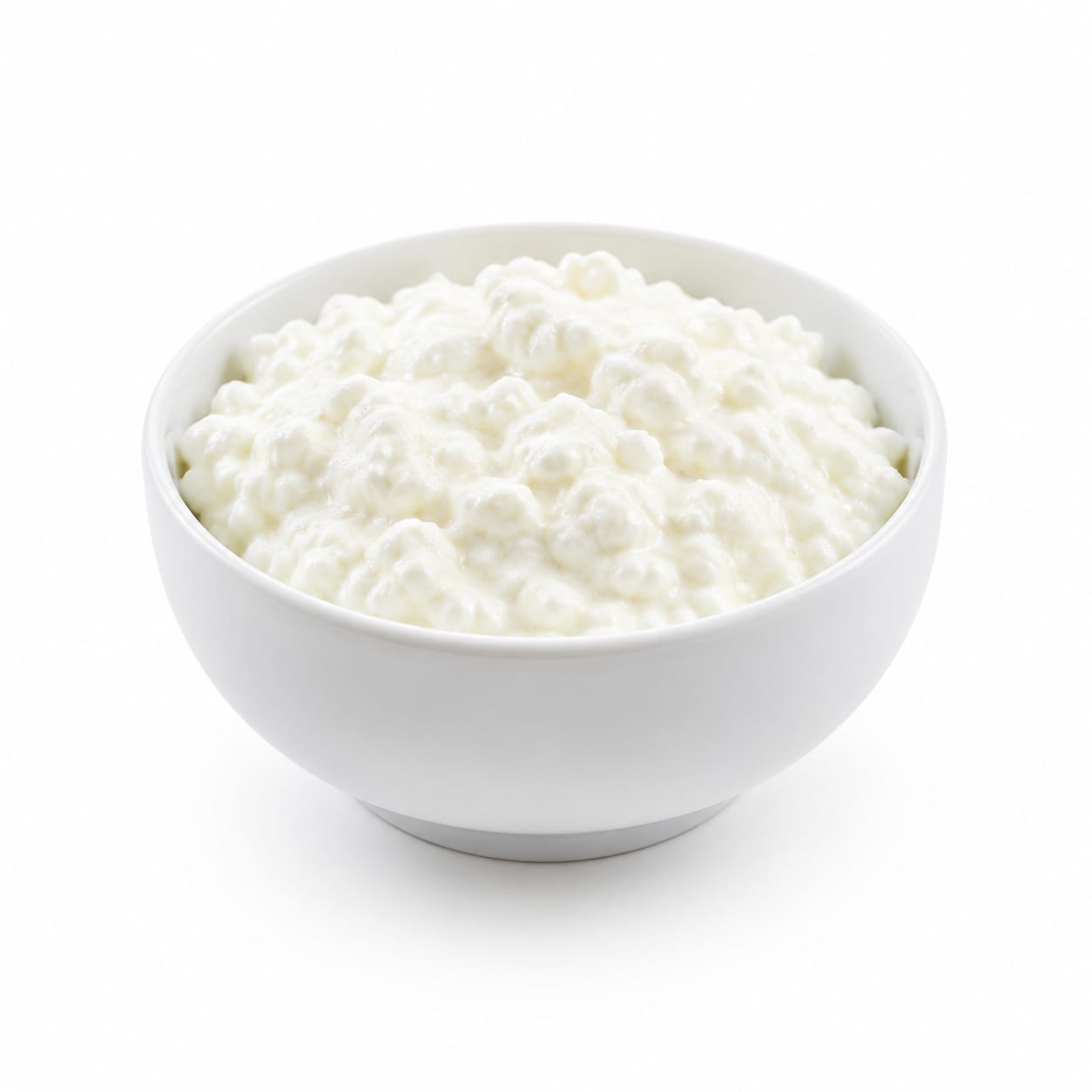
Cottage Cheese
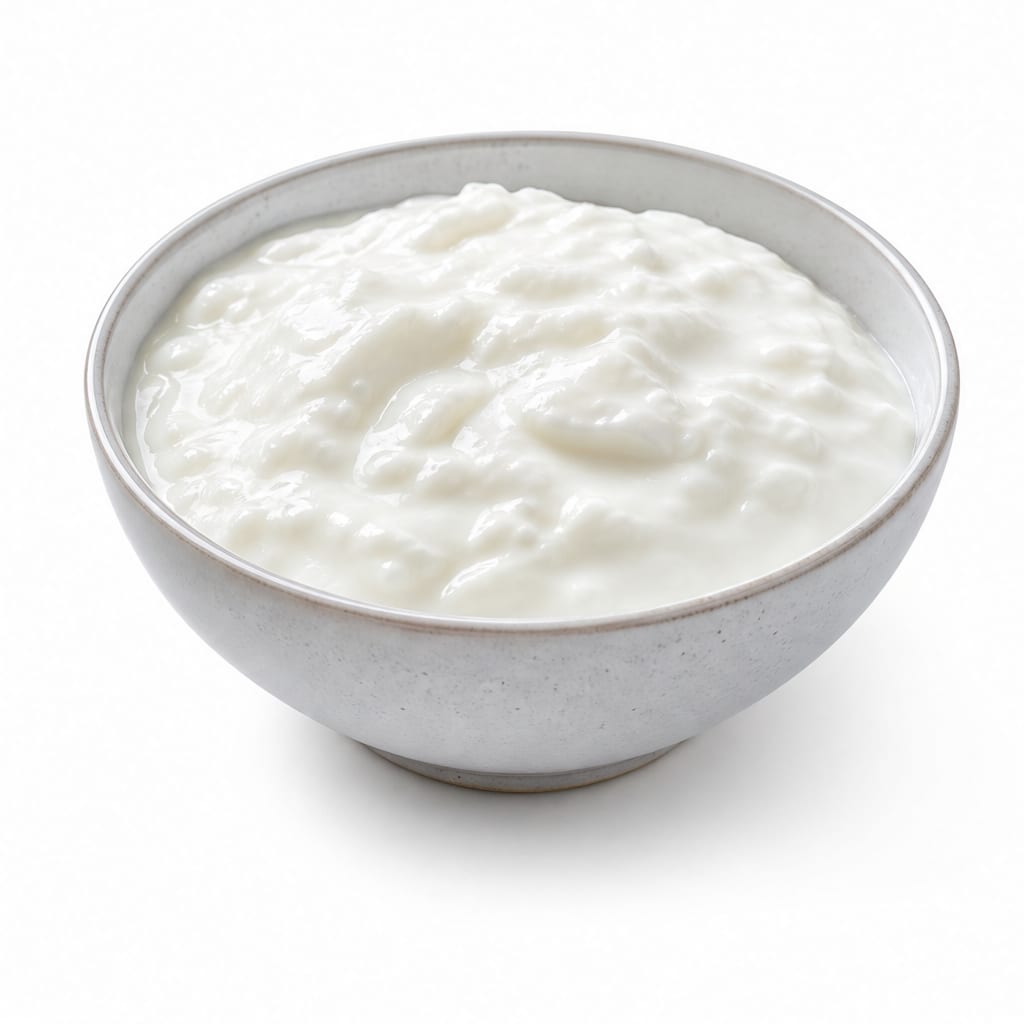
Skyr
Skyr delivers more protein per calorie with less sodium, making it the cleaner choice for daily high-protein snacking. Cottage Cheese offers more culinary versatility and a slower-digesting casein profile.
Skyr scores higher due to superior protein density, lower sodium, and broader texture appeal. Cottage Cheese remains strong for specific use cases like savory meals and nighttime casein feeding.
Skyr wins on nutritional efficiency and texture appeal; Cottage Cheese wins on savory flexibility and overnight muscle support.
At a glance
Executive summary
Overall
Skyr
Healthier
Skyr
More practical
It depends
Daily use
Skyr
Key comparison lenses
protein density per calorie
Both are high-protein dairy, but protein efficiency differs significantly
satiety and fullness duration
Users choosing between these want something that keeps them full
sodium and blood pressure impact
Cottage Cheese can be surprisingly high in sodium
texture and eating enjoyment
Cottage Cheese curds are polarizing; Skyr is smoother and more universally palatable
versatility in meals and snacks
Cottage Cheese works in savory dishes; Skyr leans sweet and breakfast-oriented
Best choice for
Cottage Cheese
- People wanting a savory high-protein snack
- Those seeking slow-digesting protein before bed
- Anyone meal-prepping with versatile dairy
- Low-carb eaters wanting a side dish base
Skyr
- People prioritizing maximum protein per calorie
- Those watching sodium intake
- Breakfast-focused smoothie and bowl builders
- Anyone who dislikes curd textures
Least suitable for
Cottage Cheese
- Sodium-sensitive individuals
- Texture-sensitive eaters who dislike curds
- Those wanting a smooth, mixable protein source
Skyr
- People wanting a savory side dish
- Those looking for slow-digesting overnight protein
- Budget-conscious shoppers (Skyr is often pricier)
Deep comparison
Dimension by dimension
Each lens scores both foods and breaks down who each option suits.
- Dimension 1 · Priority 95Skyr
Protein Density and Quality
Cottage Cheese · 72Skyr · 92Skyr packs significantly more protein per calorie thanks to its straining process, which concentrates the milk proteins.
Tradeoff
Cottage Cheese offers more casein relative to whey, which digests slower and sustains amino acid delivery longer.
Why it matters
If you are trying to hit protein targets without excess calories, Skyr gets you there faster.
Real-world impact
A single cup of Skyr can deliver 20-24g protein for roughly 120 calories. Cottage Cheese hits similar protein numbers but costs 160-200 calories.
Cottage Cheese
- Overnight muscle recovery
- Prolonged satiety between meals
- Reduced muscle breakdown during long fasts
Better for
- Higher calorie cost per gram of protein
Worse for
Skyr
- Lean bulking with calorie control
- Post-workout recovery when speed matters
- Hitting high protein targets on a cut
Better for
- Less slow-digesting casein for extended feeding
Worse for
- Dimension 2 · Priority 85Skyr
Sodium Load
Cottage Cheese · 45Skyr · 85Cottage Cheese is a hidden sodium bomb, often containing 350-500mg per cup. Skyr typically lands under 100mg.
Tradeoff
The salt in Cottage Cheese enhances its savory flavor but makes it risky for blood pressure management.
Why it matters
Regular high sodium intake from foods you consider healthy can silently undermine cardiovascular health.
Real-world impact
Two cups of Cottage Cheese could deliver nearly half your daily sodium limit. Skyr lets you eat the same volume with minimal sodium concern.
Cottage Cheese
- Post-sweat rehydration when sodium is actually beneficial
- Adding savory depth without extra seasoning
Better for
- Risk of bloating from sodium
- Stealth contributor to hypertension
Worse for
Skyr
- Blood pressure management
- Clean daily protein without sodium creep
- Kidney-friendly eating patterns
Better for
- May taste flat without added salt or flavorings
Worse for
- Dimension 3 · Priority 80Skyr
Texture and Eating Experience
Cottage Cheese · 55Skyr · 85Skyr is thick, smooth, and creamy like a dense yogurt. Cottage Cheese has a lumpy curd texture that many find unpleasant.
Tradeoff
Cottage Cheese curds provide a satisfying chew that some people genuinely enjoy and find more filling.
Why it matters
If you dread eating a food, you will not stick with it regardless of its nutrition profile.
Real-world impact
Skyr blends easily into smoothies, bowls, and recipes. Cottage Cheese requires more effort to mask or embrace its texture.
Cottage Cheese
- People who enjoy chunky, chewable food textures
- Those who find smooth foods less satisfying
Better for
- Common dealbreaker for new eaters
- Harder to use in drinks and blends
Worse for
Skyr
- Picky eaters and texture-sensitive people
- Smoothie and recipe integration
- Kids who reject lumpy foods
Better for
- Can feel too thick or pasty for some preferences
Worse for
- Dimension 4 · Priority 75Cottage Cheese
Versatility and Culinary Use
Cottage Cheese · 85Skyr · 65Cottage Cheese works in savory dishes, salads, toast toppings, and even baked goods. Skyr is mostly confined to sweet and breakfast contexts.
Tradeoff
Skyr's smooth texture limits it to applications where yogurt-like consistency works. Cottage Cheese can go sweet or savory.
Why it matters
A protein source you can use in multiple meals is easier to keep in your fridge consistently.
Real-world impact
Cottage Cheese on a salad, in scrambled eggs, or as a lasagna layer feels natural. Skyr mostly shines in parfaits, dips, and smoothies.
Cottage Cheese
- Savory meal integration
- Cooking and baking applications
- Replacing ricotta or cream cheese in recipes
Better for
- Does not blend smoothly into drinks
Worse for
Skyr
- Breakfast bowls and smoothies
- Dessert-like high-protein snacks
- Fruit pairings and sweet preparations
Better for
- Feels out of place in hot savory dishes
Worse for
- Dimension 5 · Priority 70Skyr
Digestive Tolerance
Cottage Cheese · 60Skyr · 78Skyr's fermentation and straining reduce lactose content significantly. Cottage Cheese retains more lactose and its curds can feel heavy.
Tradeoff
Both are better tolerated than milk, but Skyr is closer to lactose-free comfort for sensitive individuals.
Why it matters
Bloating or discomfort from a daily protein staple defeats the purpose of eating it.
Real-world impact
People with mild lactose sensitivity often handle Skyr fine but report gas or heaviness after Cottage Cheese.
Cottage Cheese
- Those without any lactose concerns
Better for
- More likely to cause bloating or gas
- Heavier feeling in the stomach
Worse for
Skyr
- Mildly lactose-intolerant individuals
- People prone to bloating from dairy
- Those wanting a lighter post-meal feeling
Better for
- Still contains some lactose, not truly lactose-free
Worse for
- Dimension 6 · Priority 65Skyr
Probiotic and Gut Health Value
Cottage Cheese · 50Skyr · 80Skyr is a cultured product with live active cultures that support gut health. Most commercial Cottage Cheese is not a significant probiotic source.
Tradeoff
Some Cottage Cheese brands now add cultures, but traditional versions are fermented differently and may not deliver the same live bacteria.
Why it matters
Daily probiotic exposure from food is one of the most underrated long-term health strategies.
Real-world impact
Eating Skyr regularly contributes to gut microbiome diversity. Cottage Cheese mostly contributes protein and calcium without the probiotic bonus.
Cottage Cheese
- Brands that specifically add live cultures
Better for
- Most varieties lack meaningful probiotic content
Worse for
Skyr
- Consistent probiotic delivery
- Gut microbiome support with daily consumption
- Complementary to other fermented foods
Better for
- Heat-treated versions may have killed cultures
Worse for
Timeline
Health impact over time
Short-term
Hours to days
Cottage Cheese
- High sodium may cause temporary water retention and bloating
- Casein provides extended fullness lasting 4-6 hours
- Curds can feel heavy in the stomach shortly after eating
Skyr
- Quick satiety from dense protein with lighter stomach feel
- Lower sodium means less post-meal puffiness
- Cultures may cause mild initial adjustment if gut is not used to fermented foods
Long-term
Months to years
Cottage Cheese
- Consistent high sodium intake could elevate blood pressure over time
- Excellent bone support from calcium and phosphorus
- Slow-digesting casein supports muscle preservation during aging
Skyr
- Regular probiotic intake supports digestive and immune health
- High protein with low sodium is cardiometabolically favorable
- Calcium and vitamin B12 support bone density and nerve function long-term
Risk profile
Safety & processing
Both are minimally processed dairy products. Cottage Cheese is acid-set with curds separated from whey. Skyr is cultured and strained. Neither typically requires artificial additives, though flavored versions of both may contain added sugars or thickeners.
Cottage Cheese
Listeria contamination
mediumSoft dairy products like Cottage Cheese carry a slightly higher listeria risk, especially unpasteurized versions. Pregnant women should verify pasteurization.
Sodium-related health effects
mediumNot a contamination risk per se, but chronic high sodium from regular Cottage Cheese consumption has measurable cardiovascular consequences.
Skyr
Listeria contamination
lowSkyr's fermentation and acidity create a less hospitable environment for listeria, though pasteurization status still matters for at-risk groups.
Added sugars in flavored varieties
mediumFlavored Skyr can contain 10-15g of added sugar per cup, undermining its health profile. Always check labels.
Who wins for whom
Audience fit
Same foods, different winners depending on your goal.
children
SkyrKids generally prefer Skyr's smooth, yogurt-like texture. Lower sodium is also more appropriate for developing bodies.
daily consumption
SkyrLower sodium, better texture tolerance, and probiotic benefits make Skyr more sustainable as a daily staple without accumulating health tradeoffs.
diabetes
SkyrBoth have minimal impact on blood sugar, but Skyr's lower sodium and more consistent probiotic content give it a slight edge for metabolic health.
elderly
It dependsSkyr is easier to eat and digest for those with dental or digestive issues. Cottage Cheese provides slower-digesting casein helpful for preventing age-related muscle loss overnight.
muscle gain
It dependsSkyr is better post-workout for fast amino acid delivery. Cottage Cheese is better before bed for sustained overnight muscle feeding.
weight loss
SkyrSkyr delivers more protein per calorie, keeping you full on fewer calories. Lower sodium also means less water weight fluctuation.
Your move
Decision guide
Choose Cottage Cheese
- You want a savory protein source for meals, not just snacks
- You are specifically seeking slow-digesting casein before bed
- You enjoy the curd texture or find smooth foods unsatisfying
- You need a versatile cooking ingredient that replaces ricotta or cream cheese
Choose Skyr
- You want maximum protein with minimum calories
- You are watching your sodium intake or blood pressure
- You prefer smooth, creamy textures over chunky ones
- You want daily probiotic benefits from your protein source
- You are building breakfast bowls or smoothies
Either works if
- You simply need a high-protein dairy snack and have no strong texture preference
- You are rotating protein sources throughout the week for variety
- Both are available and affordable at your store
Avoid both if
- You have a dairy allergy or severe lactose intolerance
- You are following a strict vegan diet
- You cannot find unsweetened or low-sodium versions locally
Final recommendation
Make Skyr your default daily high-protein dairy for its cleaner nutritional profile and broader appeal. Keep Cottage Cheese in rotation for savory meals and nighttime protein. The best approach uses both strategically rather than choosing just one.
Practical
Consumer tips
- 1
Always check sodium on Cottage Cheese labels — some brands exceed 500mg per cup while others stay under 300mg
- 2
Buy plain Skyr and add your own fruit or honey to avoid the sugar trap in flavored varieties
- 3
If Cottage Cheese texture bothers you, try blending it smooth — it becomes a creamy base for dips and dressings
- 4
Full-fat Cottage Cheese keeps you fuller longer but costs more calories; low-fat Skyr is naturally lower in fat without sacrificing protein
- 5
Look for Cottage Cheese with added live cultures if you want probiotic benefits similar to Skyr
- 6
Freezing Cottage Cheese ruins the curd texture, but Skyr freezes reasonably well for smoothies