
Nutrition comparison
Cottage Cheese vs String Cheese: Which Protein Snack Is Better?
Compare Cottage Cheese and String Cheese on protein, calories, satiety, sodium, and convenience. Find out which dairy snack fits your goals better.
Overall winner · Cottage Cheese
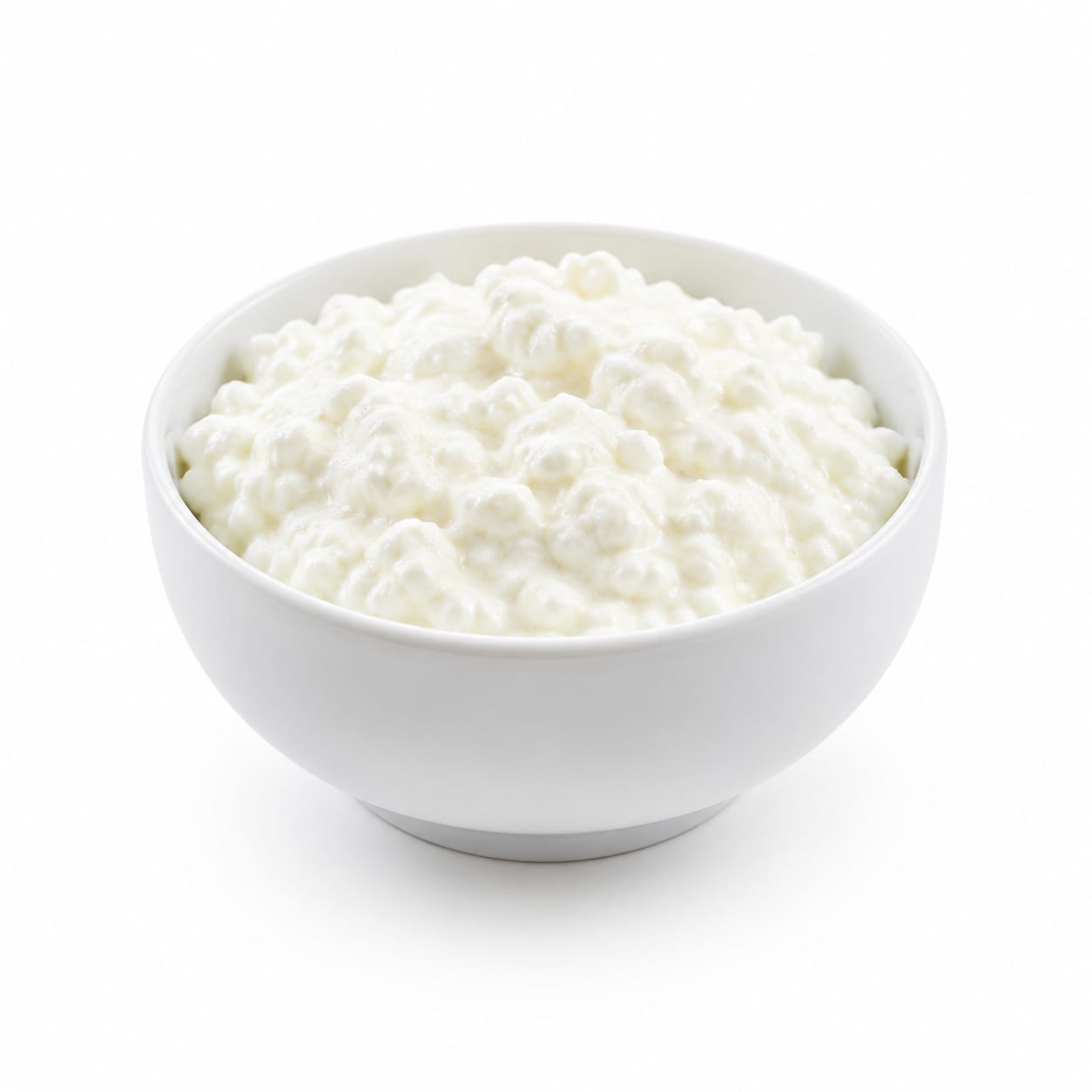
Cottage Cheese
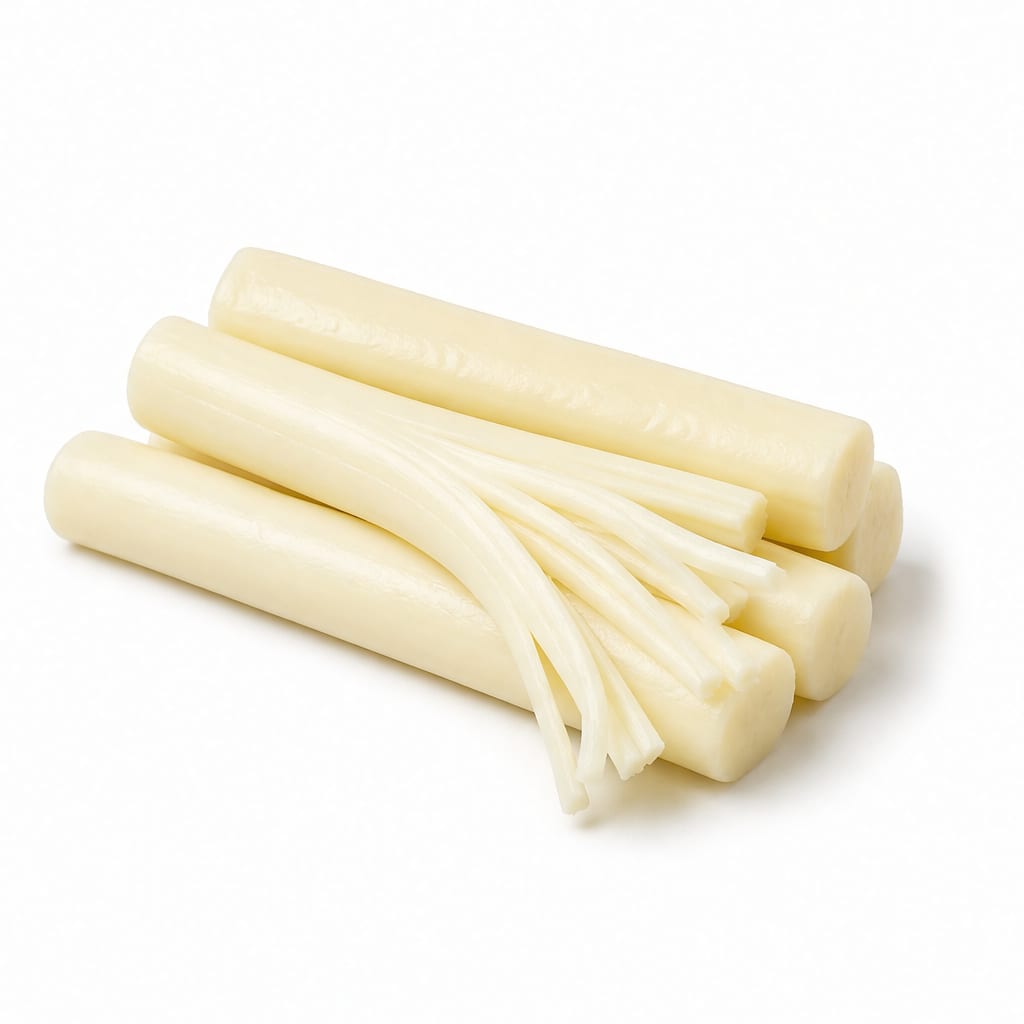
String Cheese
Cottage Cheese wins for volume, satiety, and meal flexibility, but String Cheese dominates on convenience and portability.
Cottage Cheese scores higher due to superior satiety per calorie, greater meal versatility, and slightly better nutrient density. String Cheese remains competitive through unmatched convenience and kid-friendly appeal.
More filling and versatile versus easier to grab and eat anywhere without prep.
At a glance
Executive summary
Overall
Cottage Cheese
Healthier
Cottage Cheese
More practical
String Cheese
Daily use
Cottage Cheese
Key comparison lenses
high-protein snacking comparison
Both are dairy-based protein snacks, so users are likely deciding which fits their protein goals better
weight management and satiety
Calorie density and fullness differ significantly between these two options
convenience and portability
String Cheese is grab-and-go while Cottage Cheese requires a spoon and container
sodium awareness
Both are surprisingly high in sodium, which matters for daily consumption decisions
meal versatility
Cottage Cheese works in sweet and savory dishes while String Cheese is mostly eaten alone
Best choice for
Cottage Cheese
- People tracking calories who want larger portions
- Anyone seeking long-lasting fullness between meals
- Breakfast eaters who want a savory or sweet base
- Muscle recovery needing slow-digesting casein overnight
String Cheese
- Busy people needing a no-prep protein snack
- Kids lunchboxes and school-safe options
- Commuters and travelers wanting mess-free eating
- Anyone who dislikes the texture of curds
Least suitable for
Cottage Cheese
- Lactose-sensitive individuals due to higher lactose content
- People who find the texture off-putting
- Anyone needing a shelf-stable portable snack
String Cheese
- People watching sodium closely
- Anyone wanting a large-volume filling snack
- Those prone to mindless eating since it is easy to consume multiple sticks
Deep comparison
Dimension by dimension
Each lens scores both foods and breaks down who each option suits.
- Dimension 1 · Priority 95Cottage Cheese
satiety and fullness
Cottage Cheese · 88String Cheese · 62Cottage Cheese delivers far more volume and fullness per calorie than String Cheese.
Tradeoff
You feel significantly fuller with Cottage Cheese but need a bowl and spoon to eat it.
Why it matters
Staying full longer helps control snacking and prevents overeating later in the day.
Real-world impact
A cup of Cottage Cheese at 3pm can carry you to dinner. A String Cheese stick often leaves you reaching for another snack within an hour.
Cottage Cheese
- Between-meal hunger that needs to last
- Late-night eating where volume matters more than convenience
Better for
- Situations requiring one-handed eating
Worse for
String Cheese
- Quick hunger fixes when you cannot sit down to eat
- Pre-workout fuel where you want something light
Better for
- Anyone who finds a single stick unsatisfying
Worse for
- Dimension 2 · Priority 90Cottage Cheese
protein quality and muscle support
Cottage Cheese · 85String Cheese · 80Both deliver excellent casein protein, but Cottage Cheese offers more total protein per serving at lower calories.
Tradeoff
Cottage Cheese gives you roughly 24g protein per cup versus about 6g per String Cheese stick, but you would need four sticks to match it.
Why it matters
Higher protein per serving makes it easier to hit daily targets without excess calories or sodium.
Real-world impact
Eating Cottage Cheese before bed gives you sustained amino acid release overnight. Matching that with String Cheese means consuming four sticks and a lot of sodium.
Cottage Cheese
- Post-workout recovery meals
- Nighttime muscle support
- Hitting high protein goals efficiently
Better for
- Portable post-gym snacking
Worse for
String Cheese
- Quick protein top-ups throughout the day
- Adding a small protein bump to a lunchbox
Better for
- Meeting high protein targets without excessive sodium
Worse for
- Dimension 3 · Priority 88Cottage Cheese
calorie density and weight management
Cottage Cheese · 82String Cheese · 65Cottage Cheese provides more food volume per calorie, making it easier to feel satisfied on fewer calories.
Tradeoff
String Cheese is more calorie-dense, so portion control requires more discipline.
Why it matters
Foods with lower calorie density naturally help with portion control and weight maintenance.
Real-world impact
You can eat a full cup of low-fat Cottage Cheese for under 200 calories. Four String Cheese sticks hit over 300 calories before you feel equally full.
Cottage Cheese
- Calorie-counting diets
- Volume eating approaches
- Anyone who likes large portions
Better for
- Very low-carb diets due to slightly higher lactose carbs
Worse for
String Cheese
- Low-carb or keto diets where calorie density is less concerning
Better for
- Anyone prone to eating multiple sticks without thinking
Worse for
- Dimension 4 · Priority 82String Cheese
convenience and portability
Cottage Cheese · 40String Cheese · 95String Cheese is one of the most portable protein snacks available. Cottage Cheese requires refrigeration and utensils.
Tradeoff
Maximum convenience comes at the cost of lower volume and less meal flexibility.
Why it matters
The best snack is the one you actually eat. Convenience often determines consistency.
Real-world impact
Tossing a String Cheese stick in your bag takes two seconds. Cottage Cheese needs a container, a spoon, and careful temperature control.
Cottage Cheese
- At-home snacking where convenience matters less
- Meal prep situations where you are already preparing food
Better for
- Any on-the-go eating scenario
Worse for
String Cheese
- Car commutes
- Office desk drawers
- Kids school lunches
- Hiking and outdoor activities
Better for
- Situations where you want a real mini-meal, not just a bite
Worse for
- Dimension 5 · Priority 78Cottage Cheese
sodium load
Cottage Cheese · 55String Cheese · 40Both are surprisingly salty, but String Cheese packs more sodium per calorie eaten.
Tradeoff
Neither is a low-sodium food, but Cottage Cheese has more options for reduced-sodium varieties.
Why it matters
Regular high-sodium snacking adds up quickly and impacts blood pressure over time.
Real-world impact
One String Cheese stick has about 200mg sodium. Eating several to feel full can push you past 600mg in one sitting. Even reduced-sodium Cottage Cheese stays around 300mg per cup.
Cottage Cheese
- Low-sodium diet followers who can find reduced-sodium versions
- People who mix Cottage Cheese with unsalted foods to dilute sodium
Better for
- Salt-sensitive individuals eating regular varieties
Worse for
String Cheese
- Occasional snacking where total sodium stays manageable
Better for
- Anyone eating multiple sticks per day regularly
Worse for
- Dimension 6 · Priority 72Cottage Cheese
meal versatility
Cottage Cheese · 90String Cheese · 35Cottage Cheese works in bowls, smoothies, pancakes, dips, and both sweet and savory recipes. String Cheese is mostly a standalone snack.
Tradeoff
Versatility requires more preparation and creativity. Simplicity means less effort but fewer options.
Why it matters
Foods that integrate into multiple meals reduce diet boredom and increase long-term adherence.
Real-world impact
Cottage Cheese can be breakfast with fruit, a savory snack with pepper, or blended into a smoothie. String Cheese is pretty much always just String Cheese.
Cottage Cheese
- Home cooks who want one ingredient for multiple meals
- Anyone who gets bored eating the same thing repeatedly
Better for
- Anyone unwilling to prepare or mix ingredients
Worse for
String Cheese
- People who want zero-prep consistency
- Picky eaters who prefer simple familiar foods
Better for
- Meal builders wanting a versatile protein base
Worse for
Timeline
Health impact over time
Short-term
Hours to days
Cottage Cheese
- Strong satiety that reduces hunger for 3-4 hours
- Possible bloating in lactose-sensitive people due to higher lactose content
- Steady energy without sugar crashes since carbs are low-glycemic
String Cheese
- Quick protein hit but hunger returns within 1-2 hours
- Thirst from sodium, especially after eating multiple sticks
- Easy to overconsume because each stick feels like a small bite
Long-term
Months to years
Cottage Cheese
- Consistent high-protein intake supports muscle preservation with aging
- Calcium and vitamin B12 intake supports bone and nerve health
- Regular consumption may help with weight maintenance due to satiety benefits
- Lactose exposure may cause ongoing digestive issues for sensitive individuals
String Cheese
- Convenient protein access supports consistent intake for busy lifestyles
- Higher sodium habit may contribute to elevated blood pressure if eaten daily
- Calcium support for bones, but less total nutrient variety than Cottage Cheese
- Risk of mindless overconsumption leading to excess calorie and sodium intake
Risk profile
Safety & processing
Cottage Cheese is essentially curds, cream, and salt. String Cheese undergoes additional processing including the mozzarella stretching and shaping process, and some brands add preservatives or modified starches.
Cottage Cheese
Listeria contamination
lowSoft dairy carries slight listeria risk, especially if unpasteurized. Commercial Cottage Cheese from pasteurized milk is very low risk.
Spoilage after opening
mediumOnce opened, Cottage Cheese spoils within 5-7 days even refrigerated. Always check for sour smell or mold.
String Cheese
Spoilage at room temperature
mediumWhile more stable than Cottage Cheese, String Cheese should not sit unrefrigerated for more than 4 hours despite common practice.
Additive exposure from certain brands
lowSome brands include sodium phosphate or modified food starch. Choosing brands with minimal ingredients reduces this concern.
Who wins for whom
Audience fit
Same foods, different winners depending on your goal.
children
String CheeseKids love the fun peelable texture, it is lunchbox-safe, and portion is naturally controlled per stick.
daily consumption
Cottage CheeseBetter nutrient density, more meal variety, and lower sodium per protein gram make it more sustainable as a daily staple.
diabetes
Cottage CheeseLower calorie density and slightly more favorable carb-to-protein ratio help with blood sugar stability and weight management.
elderly
Cottage CheeseHigher protein per serving helps prevent age-related muscle loss, and the soft texture is easy to chew for those with dental concerns.
muscle gain
Cottage CheeseMore total protein per serving and per calorie makes hitting daily protein goals more efficient without excess sodium.
weight loss
Cottage CheeseHigher volume per calorie keeps you fuller longer, making it easier to stay within calorie targets without feeling deprived.
Your move
Decision guide
Choose Cottage Cheese
- You want to feel full and satisfied between meals
- You eat most snacks at home where a bowl and spoon are available
- You are tracking calories or protein and want maximum return per bite
- You enjoy mixing sweet or savory toppings into your snacks
- You need a pre-bed snack for overnight muscle support
Choose String Cheese
- You are always on the move and need grab-and-go options
- You pack lunches for kids or yourself daily
- You dislike the texture of curds but still want dairy protein
- You want a shelf-stable emergency snack for your bag or car
- You prefer portion-controlled foods that are hard to overeat in single units
Either works if
- You just need a quick protein boost and both are available
- You tolerate dairy well and want variety in your snack rotation
- You are mixing other protein sources throughout the day
Avoid both if
- You are lactose intolerant without enzyme supplements
- You are following a strict dairy-free or vegan diet
- You have severe sodium restrictions from your doctor
Final recommendation
Keep both in your fridge for different moments. Cottage Cheese is your at-home satiety powerhouse for meals and serious hunger. String Cheese is your portable backup for busy days when convenience determines whether you eat protein at all. If you must pick one for daily use, Cottage Cheese gives you more nutrition, more fullness, and more flexibility per dollar spent.
Practical
Consumer tips
- 1
Look for low-sodium Cottage Cheese if blood pressure is a concern — it cuts sodium by 40-50% with minimal taste sacrifice
- 2
Choose String Cheese brands with only three ingredients: milk, salt, and enzymes
- 3
Mix Cottage Cheese with fruit and cinnamon for a sweet snack, or with everything bagel seasoning for a savory bowl
- 4
Freeze String Cheese sticks for 20 minutes before eating — the firmer texture slows down mindless snacking
- 5
Buy Cottage Cheese in small containers if you consistently waste half of larger tubs
- 6
Check labels on String Cheese for sodium phosphate — some brands use it for meltability but it adds unnecessary additives