
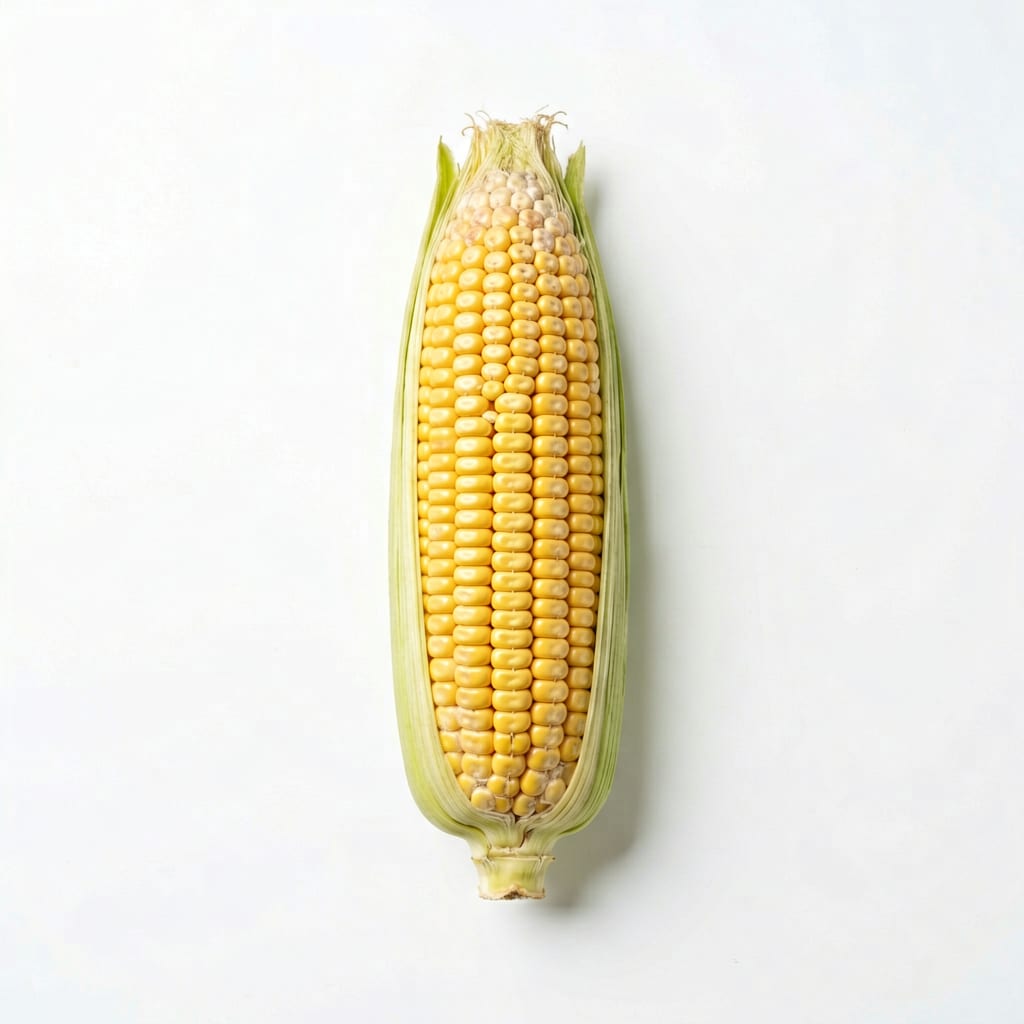
Starchy Vegetable
Corn
Corn is a starchy whole-grain vegetable with a sweet flavor, providing complex carbohydrates, fiber, and moderate protein.
Corn is a popular whole grain vegetable known for its sweet flavor, yellow kernels, and versatility. Sweet corn is harvested immaturely and eaten as a vegetable, while field corn is dried and used for grain and flour.
starchy vegetable with moderate fiber and natural sugars
Typical serving · 100g
Common varieties · yellow sweet corn, white corn, bi-color sweet corn, baby corn, flint corn +1 more
Overall context score across nutrition, safety, and diet fit
At a glance
Quick facts
Simple indicators based on nutrition, processing, and diet fit.
The story
What makes it unique
Corn has a moderate digestion speed due to its starch and fiber content. Satiety is moderate to high because of the physical chewing required and fiber volume. The macronutrient profile is carbohydrate-dominant with moderate fiber and low fat and protein. When consumed as whole sweet corn, it is minimally processed.
Varieties: yellow sweet corn · white corn · bi-color sweet corn · baby corn · flint corn · dent corn
Per 100g
Nutrition breakdown
Macro balance and key metrics at a glance.
Energy
Density 0.86 kcal/g
Protein
Carbs
Fat
Fiber
Sugar
6.3 g
Sodium
15 mg
Potassium
270 mg
Glycemic index
52
Glycemic load
10
Water content
76%
Standout compounds
Nutrient highlights
Fiber
moderatePromotes digestive regularity and feeds gut microbiota
Lutein
highSupports eye health and protects against blue light damage
Vitamin C
moderateSupports immune function and acts as an antioxidant
Magnesium
moderateEssential for muscle function, nerve signaling, and energy production
Resistant Starch
moderateImproves insulin sensitivity and feeds beneficial gut bacteria
Wellness map
Health scores & processing
NOVA processing scale
minimally processed · Whole food
Fresh or frozen sweet corn is a whole, unprocessed food. Canned corn may have added salt or sugar, moving it slightly toward processed, but the base food remains intact.
Diet compatibility
- Weight loss
- Muscle gain
- Diabetes
- Gut health
- Low carb
- High protein
- Heart health
Relative standing
Food rankings
Qualitative ranks compared to similar whole foods.
- Satietygood
- Blood sugarmoderate
- Nutrient densitymoderate
- Fitness fuelgood
- Processing qualityexcellent
Eat with confidence
Food safety profile
Sweet corn is generally safe with low contamination risk. Conventional corn may carry pesticide residues, and some consumers avoid GMO varieties. Washing kernels thoroughly reduces surface residues.
Evidence confidence 85%
- Pesticidesmoderate
- Antibioticslow
- Heavy metalslow
- Contaminationlow
Watch for
- mycotoxins
- pesticide residues
- GMO traits
Safer choices
Organic sweet corn to avoid GMOs and synthetic pesticide residues.
Prep tips
Remove husks and silks, wash under running water, and cook thoroughly. Avoid dried corn with visible mold.
High prevalence of genetically modified varieties in field corn; sweet corn is less frequently GMO but still exists. Mycotoxin risk in improperly stored dried corn.
Deep dive
Health analysis
How this food may fit different goals and preparation choices.
Weight loss
Corn is relatively low in energy density, providing bulk and chewing resistance which promotes fullness. However, portion control is needed as calories add up faster than non-starchy vegetables.
Blood sugar
Sweet corn has a moderate glycemic index but a low-to-moderate glycemic load in typical servings. Cooling corn after cooking reduces its blood sugar impact by forming resistant starch.
Fitness & energy
Provides easily digestible complex carbohydrates ideal for pre-workout energy or post-workout glycogen replenishment without excessive fiber discomfort.
Gut health
Contains insoluble fiber to promote bowel regularity and resistant starch that feeds beneficial gut microbiota, producing short-chain fatty acids.
Processing quality
Whole sweet corn is minimally processed and retains its natural fiber and nutrient matrix. Avoid heavily processed derivatives like high-fructose corn syrup or corn chips.
Food safety
Primary concerns are pesticide residues and GMO status in conventional farming. Choosing organic mitigates these specific risks. Fresh corn is low-risk for microbial contamination when properly washed and cooked.
Common mistakes
Assuming corn is a low-carb vegetable; it is starchy and must be portioned like grains or potatoes. Confusing whole sweet corn with highly processed corn products like corn syrup.
Best preparation
Steaming, grilling, or boiling whole kernels. Cooling the corn after cooking to increase resistant starch content for better metabolic response.
Practical guide
Best use cases
When and how this food fits real eating patterns.
pre-workout carb loading
Provides easily digestible complex carbohydrates for sustained energy without excessive fiber to cause stomach upset.
resistant starch gut feeding
Cooking and cooling corn creates resistant starch that feeds beneficial gut bacteria and improves metabolic health.
high-volume low-calorie meals
Adds bulk, texture, and sweetness to salads and bowls for relatively few calories compared to refined grains.
Balance sheet
Pros & cons
Upsides
- Good source of complex carbohydrates for energy
- Contains eye-protecting antioxidants like lutein
- Cooking and cooling creates blood-sugar-friendly resistant starch
- Versatile, widely available, and naturally gluten-free
- Provides moderate fiber for digestive health
Trade-offs
- Higher in calories and carbs than non-starchy vegetables
- Commonly genetically modified in conventional agriculture
- Can spike blood sugar if eaten hot in large portions
- Low in protein and healthy fats
- Often over-consumed in highly processed forms like corn syrup
Fit check
Who is it for?
Great match
- pre-workout energy
- resistant starch diets
- gluten-free meal plans
- high-volume eating
Consider alternatives
- strict ketogenic diets
- very low-carb diets
- people avoiding GMOs unless organic
- high-protein diets
Side by side
How it compares
Open the full head-to-head analysis for nutrition, safety, and practical tradeoffs.
This food
Corn
VS85% alike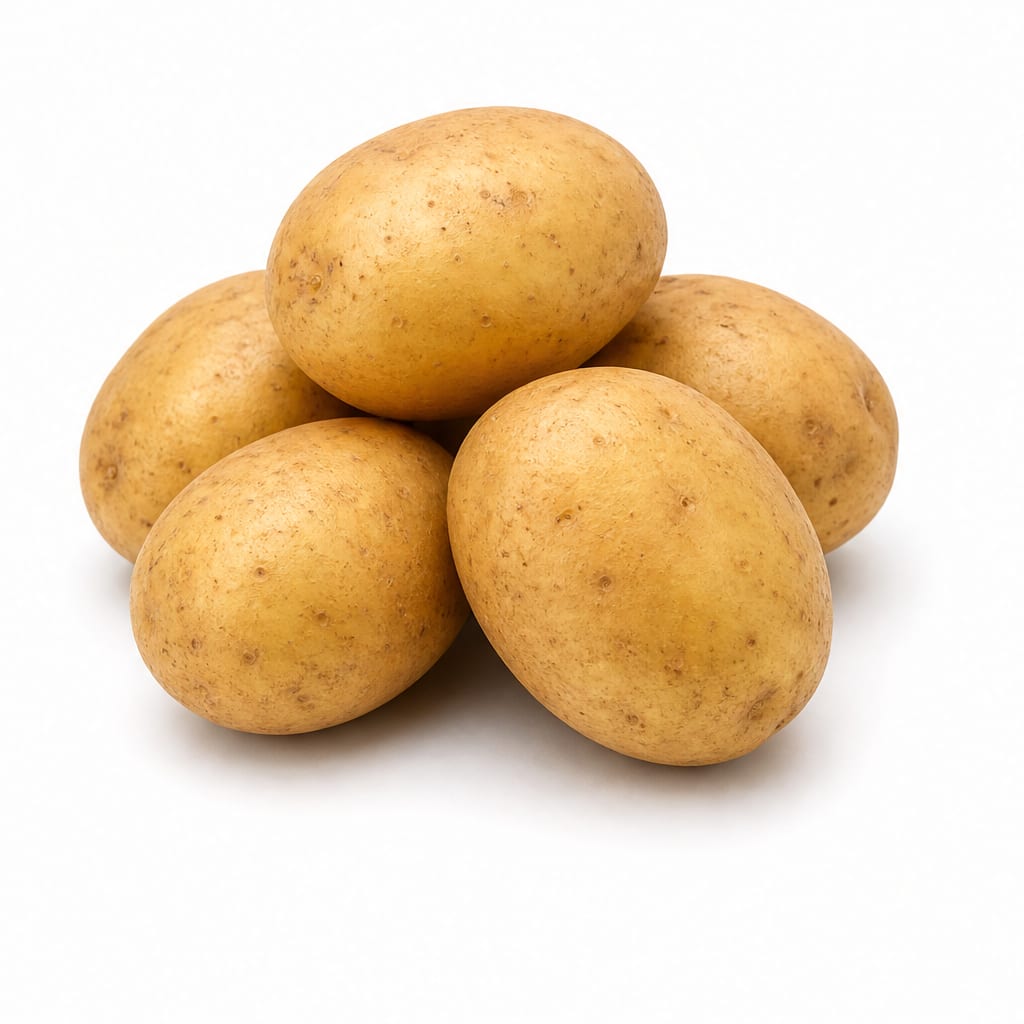
Compare with
Potatoes
Corn provides more sugar and antioxidants like lutein, while potatoes offer more potassium and resistant starch when cooled.
Corn is lower in calories and higher in antioxidants than potatoes, but potatoes offer more potassium and slightly better satiety.
This food
Corn
VS80% alike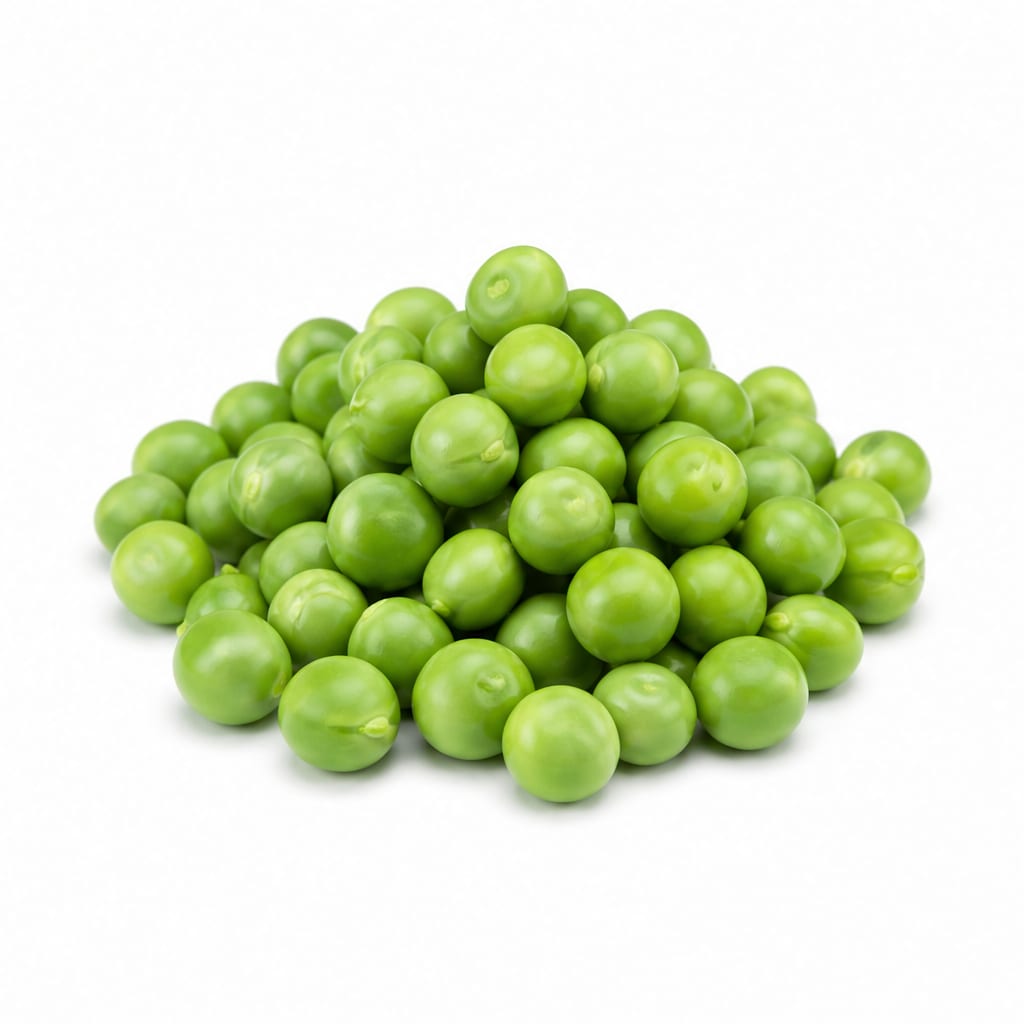
Compare with
Peas
Peas are significantly higher in protein and fiber, while corn is lower in calories and higher in antioxidants.
Peas provide more protein and fiber for satiety, while corn is lower in calories and provides more eye-healthy lutein.
This food
Corn
VS75% alike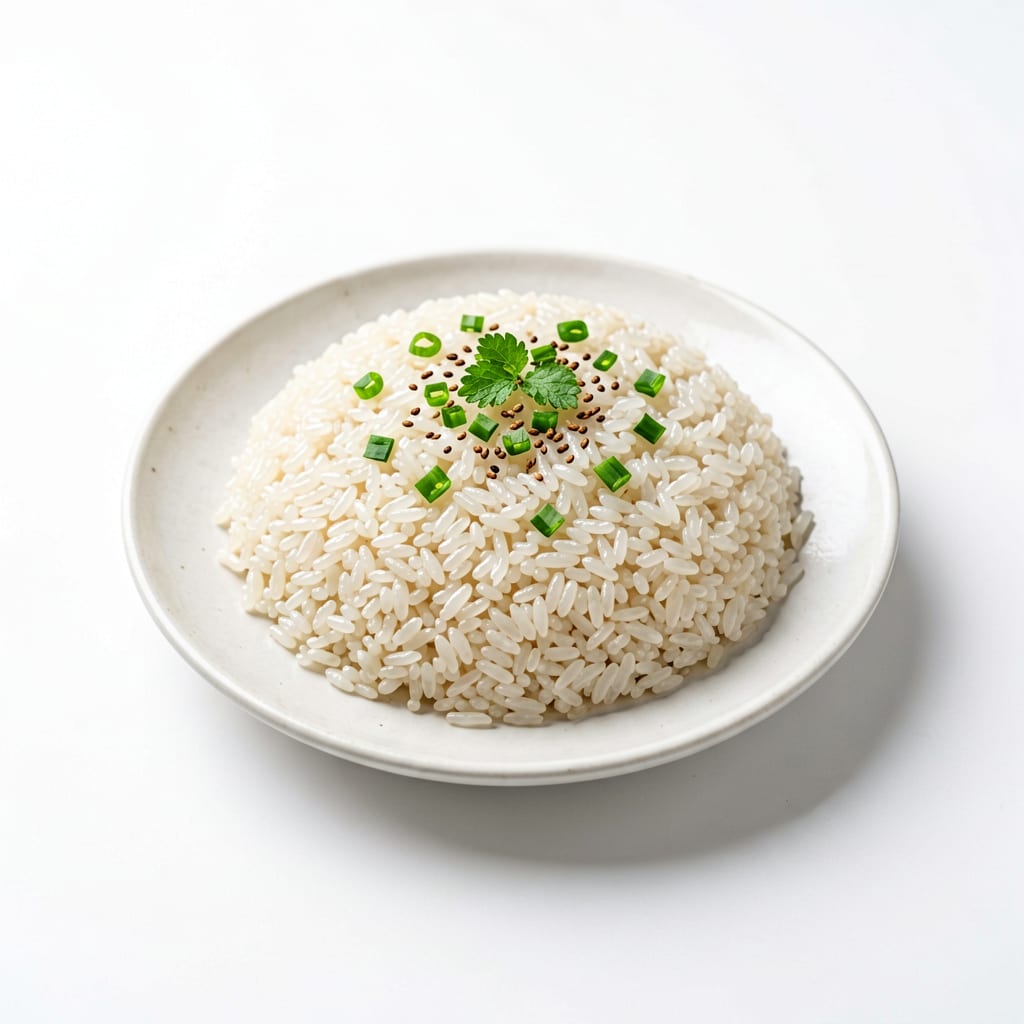
Compare with
Rice
Corn provides more fiber, vitamins, and antioxidants than white rice, which is mostly empty carbs.
Corn is vastly more nutritious than white rice, offering more fiber, protein, and antioxidants for better blood sugar control.
This food
Corn
VS70% alike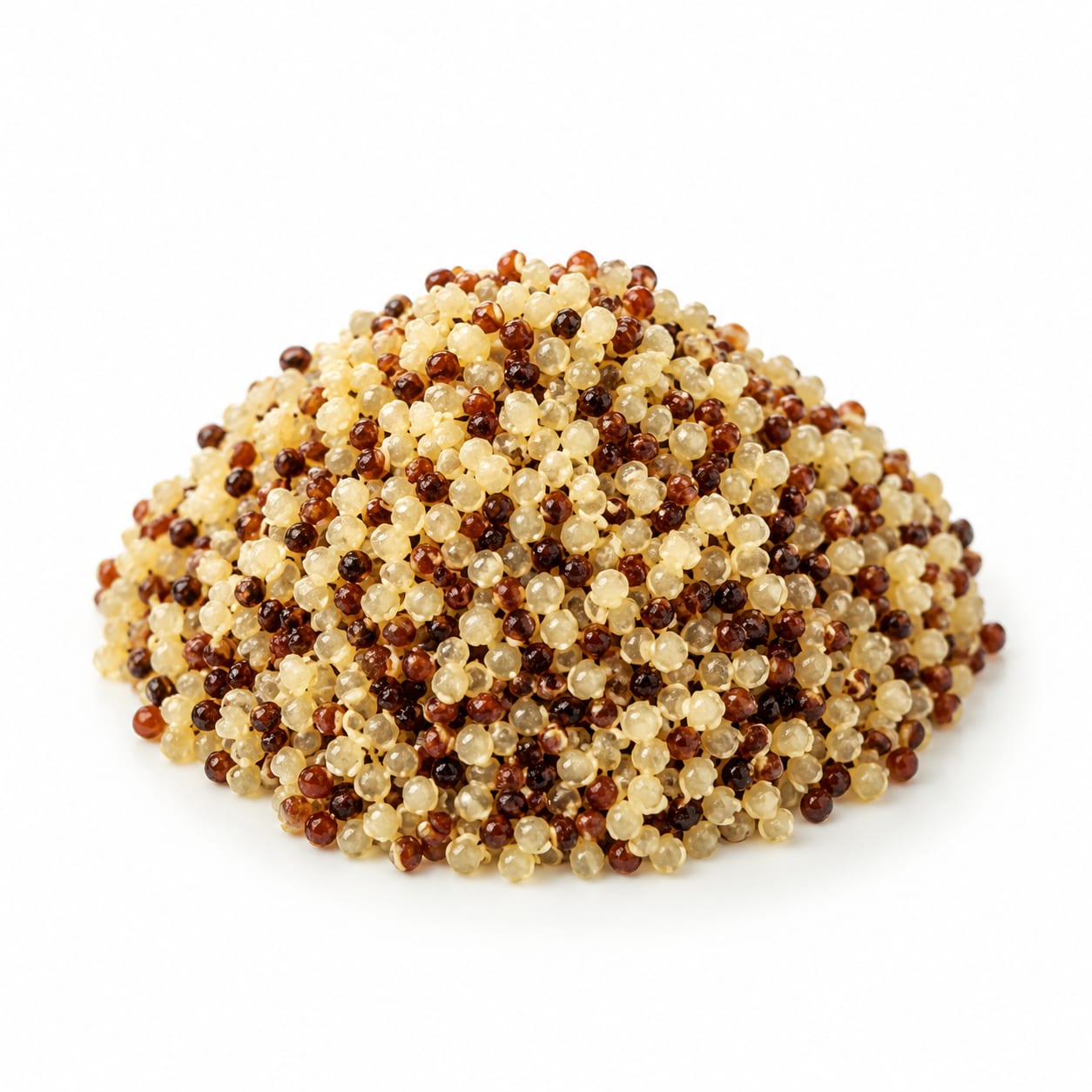
Compare with
Quinoa
Quinoa is a complete protein and higher in fiber, while corn is lower in calories and provides different antioxidants.
Quinoa offers complete protein and more fiber, making it better for muscle and blood sugar, while corn is lighter in calories.
This food
Corn
VS75% alike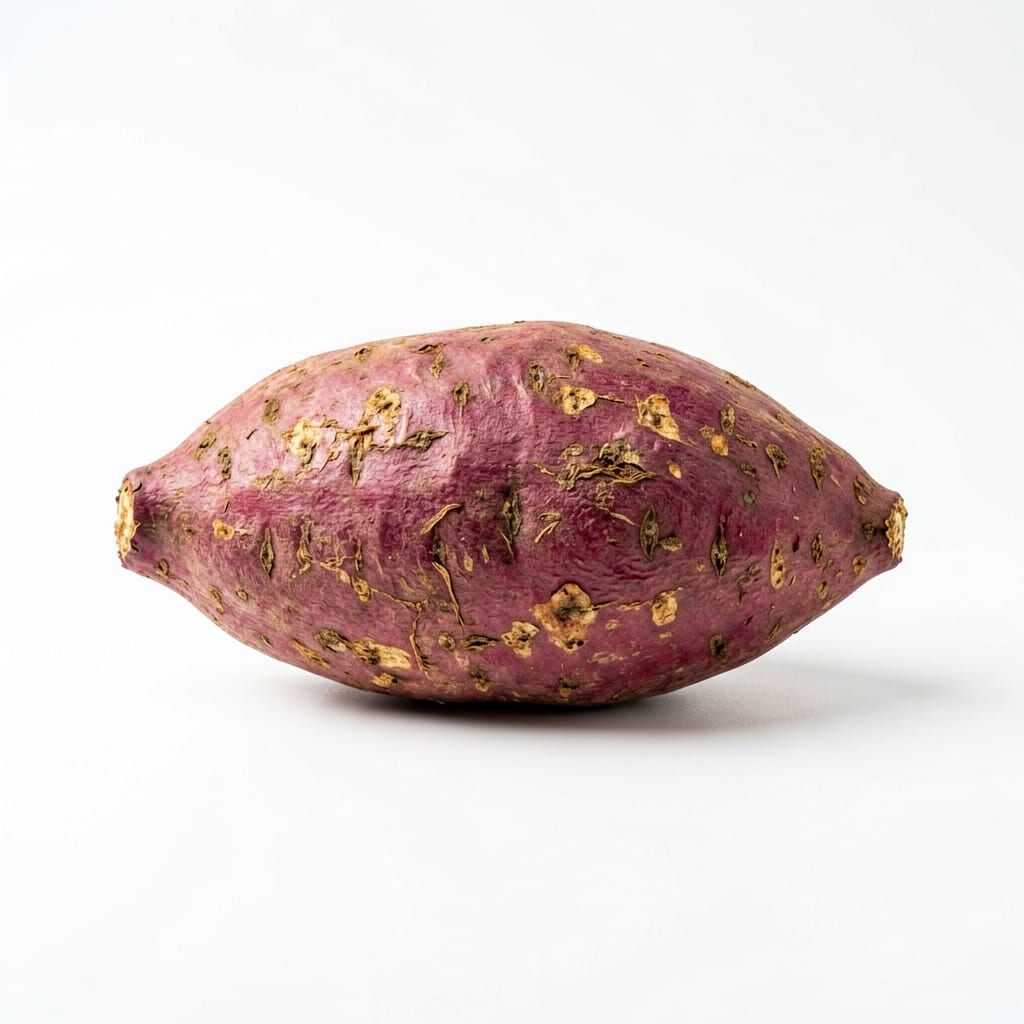
Compare with
Sweet Potato
Sweet potatoes are rich in beta-carotene and vitamin A, while corn provides lutein and resistant starch when cooled.
Sweet potatoes offer more vitamin A and fiber for fullness, while corn provides unique antioxidants and slightly fewer calories.
This food
Corn
VS65% alike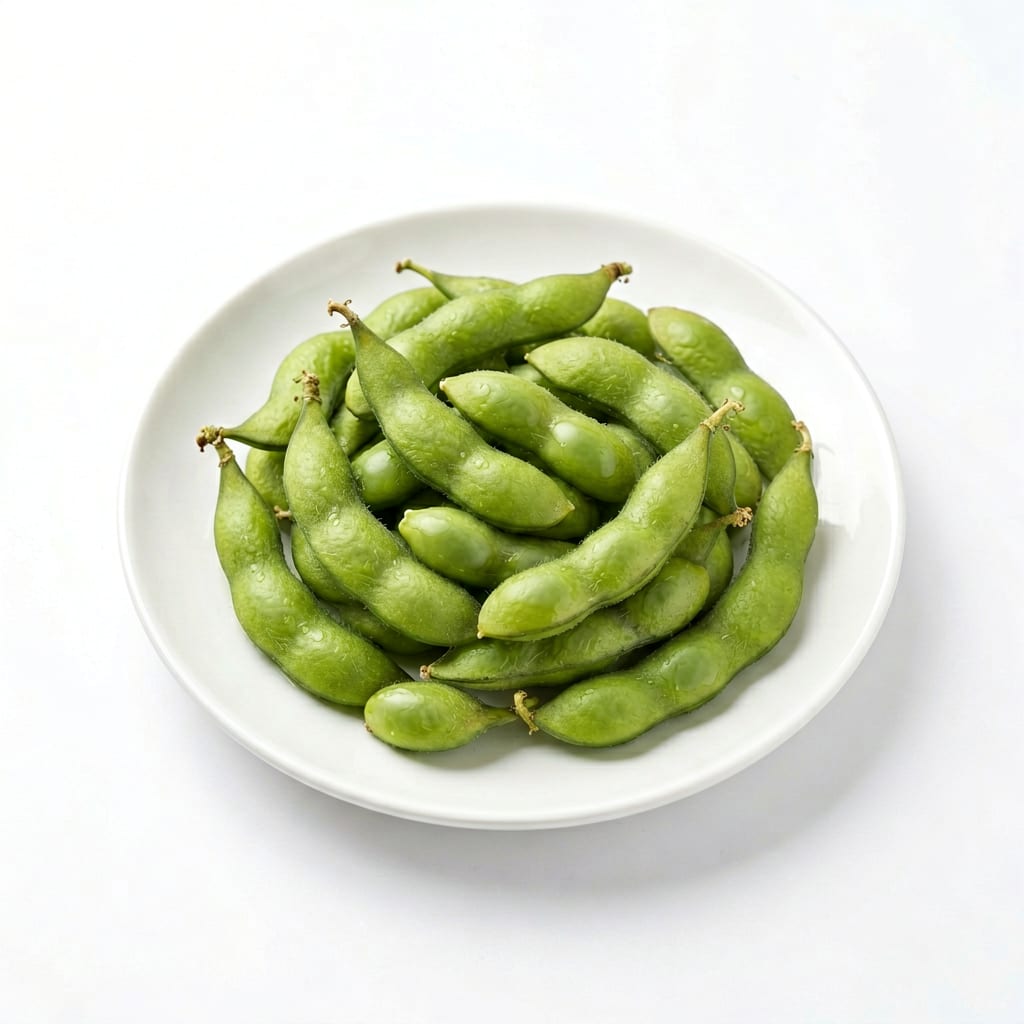
Compare with
Edamame
Edamame is much higher in protein and low in carbs, while corn is a pure energy source with more carbohydrates.
Edamame is far superior for protein and blood sugar control, while corn serves better as a quick energy carb source.
This food
Corn
VS60% alike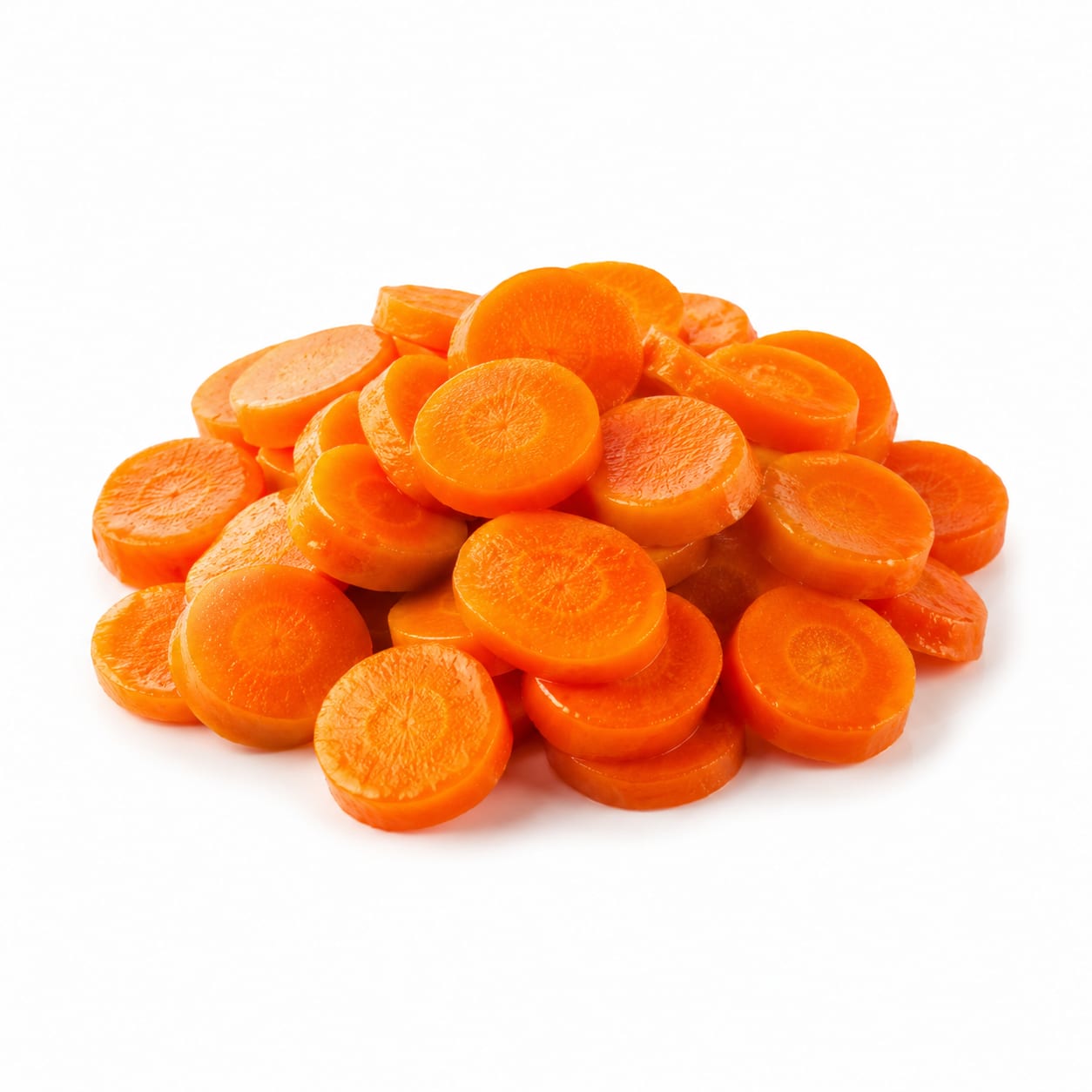
Compare with
Carrots
Carrots are non-starchy with very low calories and high vitamin A, while corn is a starchy energy source.
Carrots are much lower in calories and carbs, making them better for weight loss, while corn provides more workout fuel.
This food
Corn
VS55% alike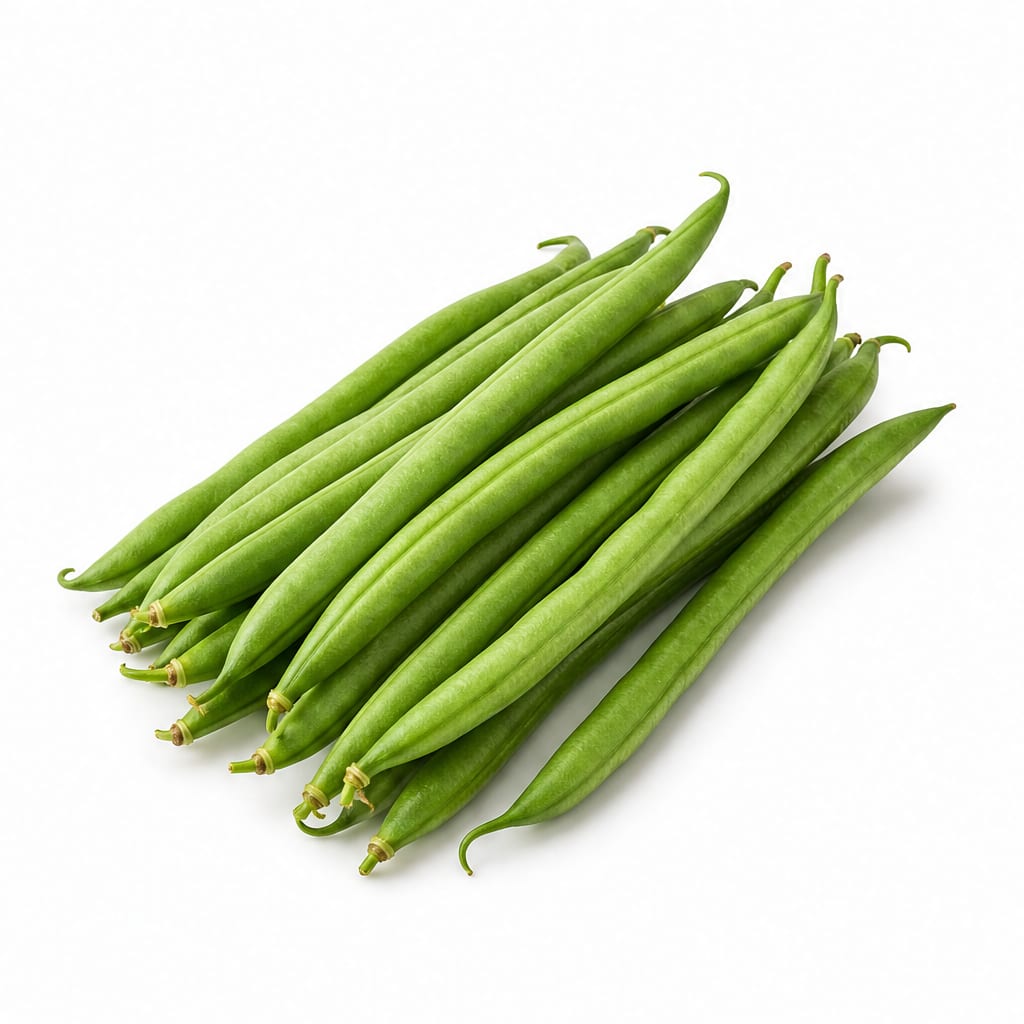
Compare with
Green Beans
Green beans are very low in calories and carbs, while corn is a starchy vegetable providing significant energy.
Green beans are superior for low-calorie and low-carb diets, while corn is better for carb-loading and energy needs.
This food
Corn
VS90% alike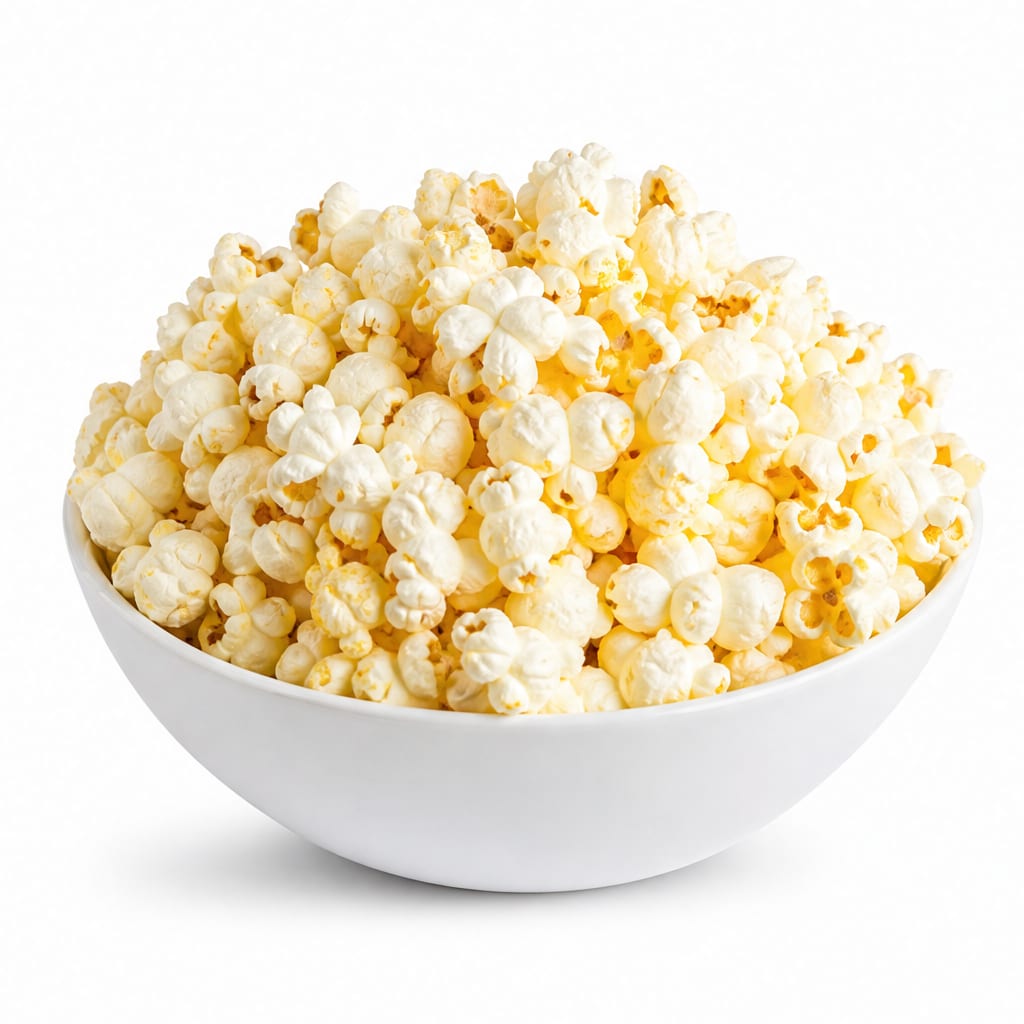
Compare with
Popcorn
Popcorn is a whole grain with very high fiber per calorie due to its air volume, while sweet corn is denser and higher in sugar.
Popcorn offers more volume and fiber per calorie for snacking, while sweet corn provides denser, sweeter energy for meals.
This food
Corn
VS70% alike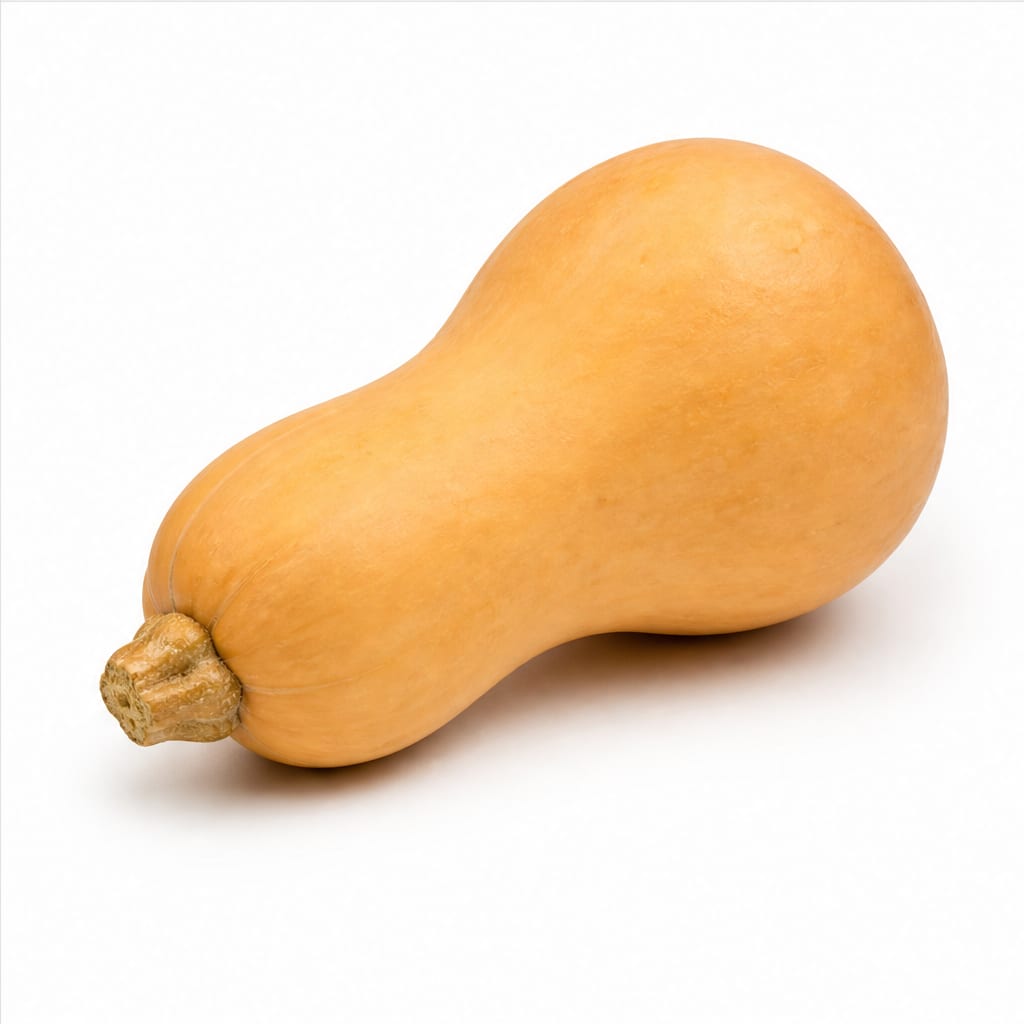
Compare with
Butternut Squash
Butternut squash is richer in vitamin A and lower in carbs, while corn provides more B vitamins and resistant starch.
Butternut squash is lower in carbs and calories with more vitamin A, while corn offers more energy and B vitamins for active lifestyles.
Common questions
FAQ
Answers aligned with how people search for this food.
Is corn good for weight loss?
Yes, corn can be good for weight loss in moderation. It is low in energy density and high in fiber, which helps you feel full. However, it is higher in calories than non-starchy vegetables, so portion control is important.
Can diabetics eat corn?
Yes, diabetics can eat corn. It has a moderate glycemic index and a low glycemic load in standard servings. Cooling corn after cooking increases resistant starch, which slows blood sugar absorption.
Is corn a vegetable or a carb?
Corn is botanically a grain, but sweet corn is harvested immaturely and eaten as a starchy vegetable. Nutritionally, it counts as a complex carbohydrate similar to potatoes or rice.
Does corn have any nutritional value?
Yes, corn provides B vitamins, vitamin C, magnesium, potassium, and antioxidants like lutein and zeaxanthin. It also contains fiber and resistant starch for gut health.
Is corn hard to digest?
The outer shell of corn kernels contains cellulose, which human enzymes cannot fully digest. Chewing thoroughly breaks the shell, making the inner starch and nutrients digestible while the remaining fiber supports bowel health.
Is sweet corn high in sugar?
Sweet corn contains about 6 grams of natural sugar per 100 grams, which is less sugar than an apple or banana. It does not cause extreme blood sugar spikes when eaten as a whole food.
Is corn gluten-free?
Yes, pure corn is naturally gluten-free and is a safe grain alternative for people with celiac disease or gluten intolerance.
What is resistant starch in cooled corn?
When corn is cooked and then cooled, some of its starches recrystallize into resistant starch. This type of starch resists digestion, acts as fiber, feeds gut bacteria, and lowers the food's glycemic impact.
Transparency
Data confidence
Estimated confidence for nutrition data, interpretation, safety notes, and comparisons.
Nutrition data
Health analysis
Food safety
Comparisons