
Nutrition comparison
Corn vs Quinoa: Which Grain Is Healthier for You?
Compare corn and quinoa on protein, blood sugar impact, cost, and nutrition. Find out which grain fits your health goals, budget, and lifestyle best.
Overall winner · Quinoa
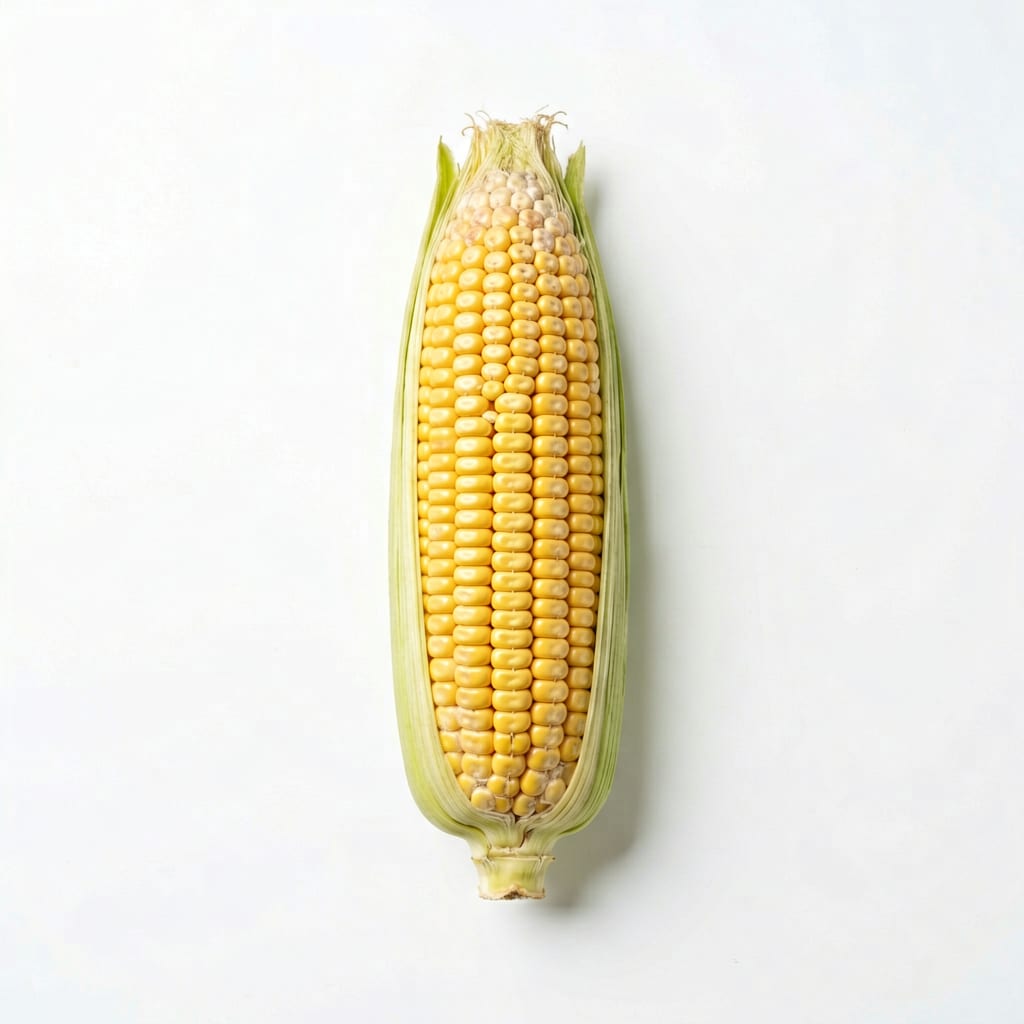
Corn
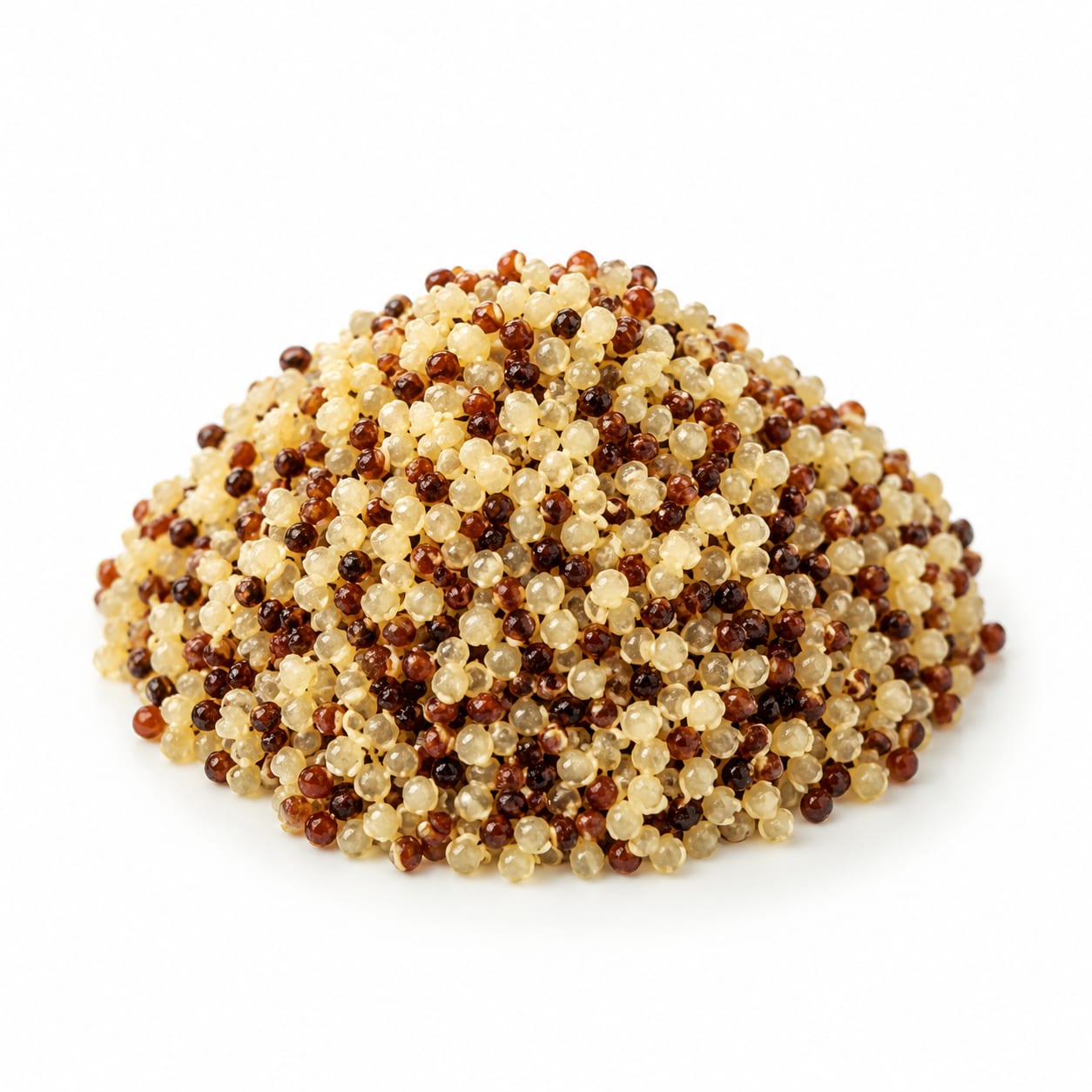
Quinoa
Quinoa wins on nutrition but costs more; corn wins on budget and familiarity.
Quinoa scores substantially higher due to complete protein, superior mineral content, and better blood sugar control. Corn remains relevant for cost, convenience, and quick energy, keeping it from scoring poorly.
You trade money and cooking time for significantly better protein, minerals, and steadier energy with quinoa.
At a glance
Executive summary
Overall
Quinoa
Healthier
Quinoa
More practical
Corn
Daily use
It depends
Key comparison lenses
protein quality and completeness
Quinoa is one of the few plant complete proteins; corn is not, making this a decisive factor for vegetarians and vegans
blood sugar stability
Corn spikes blood sugar faster than quinoa, which matters enormously for diabetes, energy crashes, and cravings
cost and everyday practicality
Corn is dramatically cheaper and more accessible, making it the realistic daily choice for budget-conscious households
mineral density and micronutrition
Quinoa delivers significantly more iron, magnesium, and zinc per serving, which matters for preventing deficiencies
GMO and pesticide exposure
Most conventional corn is GMO and pesticide-treated; quinoa is typically not GMO, raising safety concerns for some consumers
Best choice for
Corn
- Budget-conscious families needing affordable calories
- Quick weeknight sides and familiar comfort food
- Active athletes needing fast carbs after workouts
- Kids who resist unfamiliar textures and flavors
Quinoa
- Vegetarians and vegans needing complete protein
- People managing blood sugar or insulin resistance
- Anyone wanting more minerals without supplements
- Meal preppers who cook in batches weekly
Least suitable for
Corn
- People with diabetes or significant blood sugar concerns
- Those relying on grains as their primary protein source
- Anyone avoiding GMO crops unless buying organic
Quinoa
- Tight grocery budgets where cost per meal matters most
- People sensitive to saponins or with digestive irritation
- Those unwilling to rinse and cook a less familiar grain
Deep comparison
Dimension by dimension
Each lens scores both foods and breaks down who each option suits.
- Dimension 1 · Priority 92Quinoa
Protein Quality and Completeness
Corn · 35Quinoa · 88Quinoa provides all nine essential amino acids; corn is missing lysine and tryptophan in meaningful amounts.
Tradeoff
Corn offers decent total protein per serving but lacks the amino acid profile your body needs without combining foods.
Why it matters
Incomplete protein means you must pair corn with beans or other proteins to get full nutritional value, adding meal complexity.
Real-world impact
A quinoa bowl alone covers your protein bases. A corn-based meal requires thoughtful pairing to avoid gaps.
Corn
- Post-workout carbs when protein comes from another source
Better for
- Reliance on corn as a sole protein source
Worse for
Quinoa
- Vegetarians needing reliable protein without food combining
- Anyone eating grain-only meals occasionally
Better for
- Nothing significant; quinoa's protein profile is genuinely superior
Worse for
- Dimension 2 · Priority 88Quinoa
Blood Sugar Stability
Corn · 40Quinoa · 72Corn digests quickly and raises blood sugar faster. Quinoa's fiber and protein slow absorption noticeably.
Tradeoff
Corn gives you quick energy but risks the crash. Quinoa delivers steadier, longer-lasting fuel.
Why it matters
That 3pm energy slump after a corn-heavy lunch? Quinoa makes it far less likely.
Real-world impact
With corn, you may feel hungry again within two hours. Quinoa keeps you satisfied closer to four.
Corn
- Pre-workout energy when you need carbs fast
- Endurance athletes mid-activity needing quick fuel
Better for
- Late-night eating when blood sugar spikes are undesirable
- Sedentary days with minimal calorie burn
Worse for
Quinoa
- Anyone with prediabetes or insulin resistance
- Office workers wanting to avoid afternoon crashes
- People trying to reduce between-meal snacking
Better for
- During intense exercise when rapid energy matters more
Worse for
- Dimension 3 · Priority 80Quinoa
Mineral Density
Corn · 38Quinoa · 82Quinoa delivers roughly twice the magnesium, iron, and zinc per serving compared to corn.
Tradeoff
Corn provides decent B vitamins and some magnesium, but quinoa is genuinely mineral-dense for a grain.
Why it matters
Many people are borderline deficient in magnesium and iron. Quinoa helps close that gap without supplements.
Real-world impact
Regular quinoa eaters get a meaningful daily mineral boost. Corn eaters need to source those minerals elsewhere.
Corn
- Getting B vitamins like thiamine and folate
Better for
- Relying on corn as a primary mineral source
Worse for
Quinoa
- Women needing more iron
- Anyone prone to muscle cramps needing magnesium
- Older adults concerned about zinc intake
Better for
- Nothing significant; quinoa's mineral advantage is clear
Worse for
- Dimension 4 · Priority 85Corn
Cost and Accessibility
Corn · 90Quinoa · 40Corn costs a fraction of quinoa per serving and is available everywhere quinoa is not.
Tradeoff
Better nutrition comes at a real price. Quinoa can cost three to five times more per pound.
Why it matters
For families feeding four people daily, the cost difference is not trivial. Corn makes healthy eating affordable.
Real-world impact
A bag of cornmeal or frozen corn costs dollars and lasts weeks. Quinoa disappears from the pantry fast at higher cost.
Corn
- Large families on tight budgets
- Students and anyone watching grocery spending
- Communities with limited access to specialty stores
Better for
- Nothing; corn's affordability is a genuine strength
Worse for
Quinoa
- Smaller households where cost per meal is manageable
- People who prioritize nutrition over budget
Better for
- Budget-constrained households where quinoa is a luxury
Worse for
- Dimension 5 · Priority 75Quinoa
GMO and Pesticide Concerns
Corn · 30Quinoa · 75Most conventional corn is genetically modified and heavily pesticide-treated. Quinoa is rarely GMO.
Tradeoff
Organic corn solves the GMO issue but costs more. Quinoa avoids the concern almost entirely by default.
Why it matters
If you actively avoid GMOs, conventional corn is one of the hardest foods to navigate.
Real-world impact
Choosing organic corn adds cost. Quinoa gives you peace of mind without paying an organic premium.
Corn
- Organic corn options when available and affordable
Better for
- Conventional corn is among the highest GMO crops globally
Worse for
Quinoa
- Anyone avoiding GMOs without wanting to pay organic prices
- Consumers concerned about glyphosate exposure
Better for
- Saponins on unwashed quinoa can cause digestive irritation
Worse for
- Dimension 6 · Priority 78Quinoa
Satiety and Fullness
Corn · 45Quinoa · 80Quinoa's protein-fiber combination keeps you full substantially longer than corn.
Tradeoff
Corn feels lighter in the stomach, which can be pleasant or unsatisfying depending on your needs.
Why it matters
Staying full longer means fewer snacks, fewer calories overall, and less willpower needed throughout the day.
Real-world impact
A quinoa lunch keeps you going until dinner. A corn lunch often has you reaching for something by 3pm.
Corn
- Hot days when you want a lighter meal
- Smaller appetites and children who fill up quickly
Better for
- Anyone trying to reduce between-meal hunger
Worse for
Quinoa
- Weight management through natural appetite control
- Long workdays without snack access
Better for
- People who dislike feeling heavy after meals
Worse for
- Dimension 7 · Priority 70Corn
Versatility and Familiarity
Corn · 85Quinoa · 70Corn appears in countless cuisines, recipes, and comfort foods. Quinoa is versatile but less culturally embedded.
Tradeoff
Corn is effortless to cook and universally liked. Quinoa requires rinsing and still puzzles some home cooks.
Why it matters
The healthiest food only works if you actually eat it. Corn's familiarity gives it a compliance advantage.
Real-world impact
Corn on the cob, corn tortillas, corn chowder — everyone has a go-to. Quinoa takes more recipe exploration.
Corn
- Picky eaters and children
- Comfort food cooking and traditional recipes
- Quick prep with minimal technique
Better for
- Gourmet or nutrient-dense meal construction
Worse for
Quinoa
- Grain bowls and salad additions
- Meal prep where one batch lasts days
Better for
- Households unfamiliar with cooking quinoa properly
Worse for
Timeline
Health impact over time
Short-term
Hours to days
Corn
- Quick energy from easily digested carbohydrates
- Possible blood sugar spike followed by energy dip within two hours
- Light stomach feel that may not sustain fullness
Quinoa
- Steady energy release over three to four hours
- Greater immediate satiety reducing snack cravings
- Mild digestive adjustment if not rinsed properly due to saponins
Long-term
Months to years
Corn
- Potential for blood sugar dysregulation if eaten frequently without protein pairing
- Modest mineral intake requiring dietary diversity to fill gaps
- GMO and pesticide exposure concerns with conventional corn consumption
Quinoa
- Improved mineral status particularly for magnesium, iron, and zinc
- Better blood sugar control reducing long-term metabolic risk
- More sustainable plant-based protein intake supporting muscle maintenance
Risk profile
Safety & processing
Both foods are naturally whole when purchased as kernels or uncooked grains. However, corn appears frequently in highly processed forms like corn syrup and cornmeal products, so form matters greatly. Whole corn and whole quinoa are equally natural, but corn's processed derivatives are far more prevalent in the food supply.
Corn
GMO exposure
mediumOver 90% of conventional corn in the US is genetically modified. Choose organic to avoid entirely.
Pesticide residue
mediumCorn is routinely treated with glyphosate and other pesticides. Washing helps but does not eliminate all residue.
Mycotoxin contamination
lowImproperly stored corn can develop fungal toxins. Buy from reputable sources and store properly.
Quinoa
Saponin sensitivity
lowNatural coating on quinoa can cause digestive irritation if not rinsed before cooking. Most pre-rinsed quinoa reduces this risk.
Oxalate content
lowQuinoa contains moderate oxalates, which may concern people prone to kidney stones.
Who wins for whom
Audience fit
Same foods, different winners depending on your goal.
children
CornKids generally accept corn more readily, it is easier to digest, and the quick energy supports active growing bodies.
daily consumption
It dependsQuinoa is nutritionally superior for daily use, but corn's affordability and familiarity make it the realistic daily staple for many households.
diabetes
QuinoaLower glycemic impact and better blood sugar control make quinoa significantly safer for glucose management.
elderly
QuinoaSuperior mineral density supports bone health, and complete protein helps prevent age-related muscle loss.
muscle gain
QuinoaComplete protein with all essential amino acids supports muscle repair more effectively than corn's incomplete profile.
weight loss
QuinoaQuinoa's higher protein and fiber keep you fuller longer, naturally reducing overall calorie intake without fighting hunger.
Your move
Decision guide
Choose Corn
- You need affordable calories that feed a family without breaking the budget
- You want quick post-workout carbs paired with a separate protein source
- You are cooking for kids or picky eaters who resist new foods
- You need a versatile ingredient for traditional comfort recipes
Choose Quinoa
- You want one grain that covers protein, minerals, and fiber in a single serving
- You are managing blood sugar, insulin resistance, or trying to lose weight
- You eat mostly plant-based and need reliable complete protein
- You are willing to spend more for significantly better nutritional density
Either works if
- You rotate grains for dietary diversity, which is ideal anyway
- You pair either grain with beans, vegetables, and healthy fats for balanced meals
- You are an active person who tolerates carbohydrates well
Avoid both if
- You are on a strict very-low-carb or ketogenic diet
- You have severe grain sensitivities or allergies to either
Final recommendation
Make quinoa your primary grain if budget allows — the protein, mineral, and blood sugar advantages are real and meaningful. Keep corn in rotation for variety, cost savings, and the days you want something familiar and comforting. The best approach is not choosing one forever, but letting quinoa do the heavy nutritional lifting while corn handles the practical and emotional moments.
Practical
Consumer tips
- 1
Always rinse quinoa before cooking to remove bitter saponins, even if the package says pre-rinsed
- 2
Choose organic corn when possible to avoid GMO and pesticide concerns without dramatically increasing cost
- 3
Pair corn with black beans to create a complete protein combination that rivals quinoa nutritionally
- 4
Cook a large batch of quinoa on Sunday and use it in bowls, salads, and sides throughout the week to justify the cost
- 5
Try mixing corn and quinoa together in salads or bowls for a balance of flavor, texture, and nutrition
- 6
Freeze extra cooked quinoa in portioned bags — it reheats well and reduces waste