
Nutrition comparison
Corn vs Rice: Which Grain Is Healthier for Daily Eating?
Corn has more fiber, protein, and nutrients per calorie. Rice is easier to digest and more versatile. Compare blood sugar impact, arsenic risk, and which grain fits your goals better.
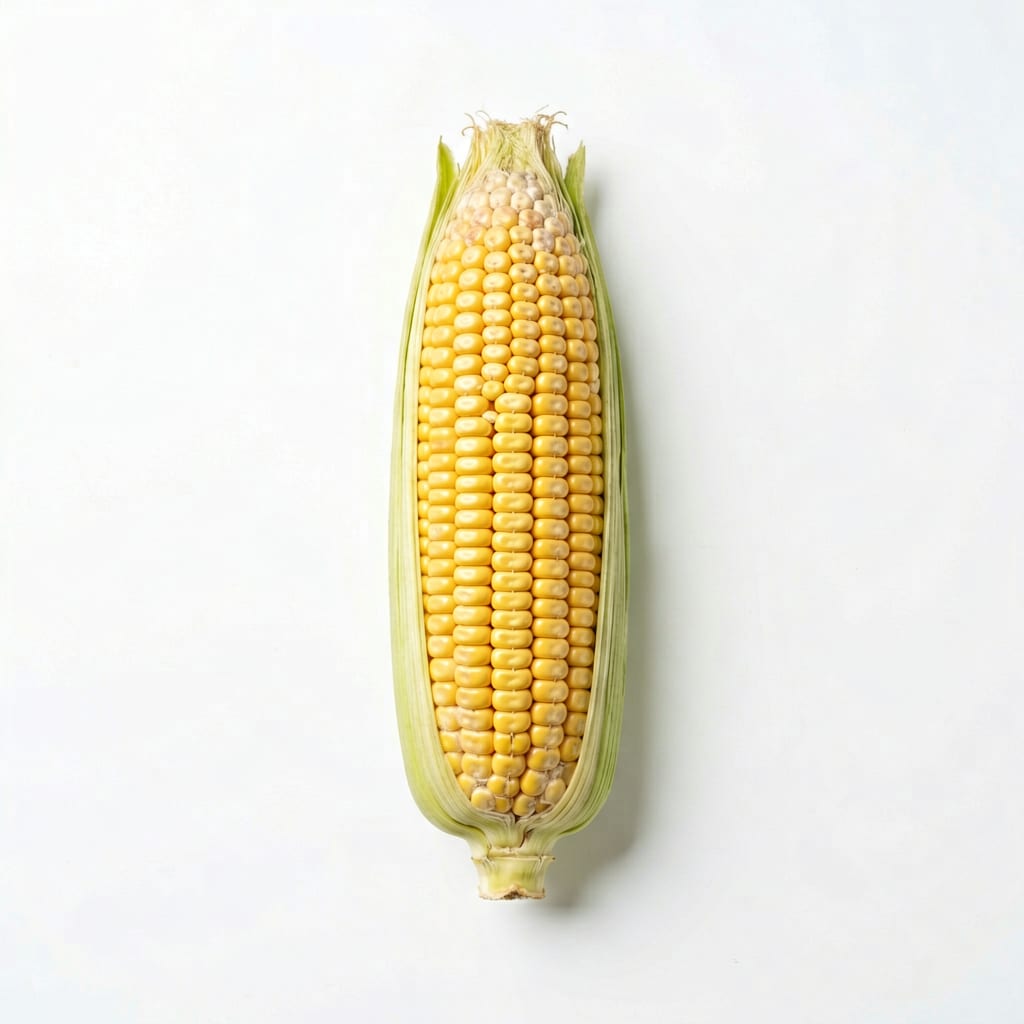
Corn
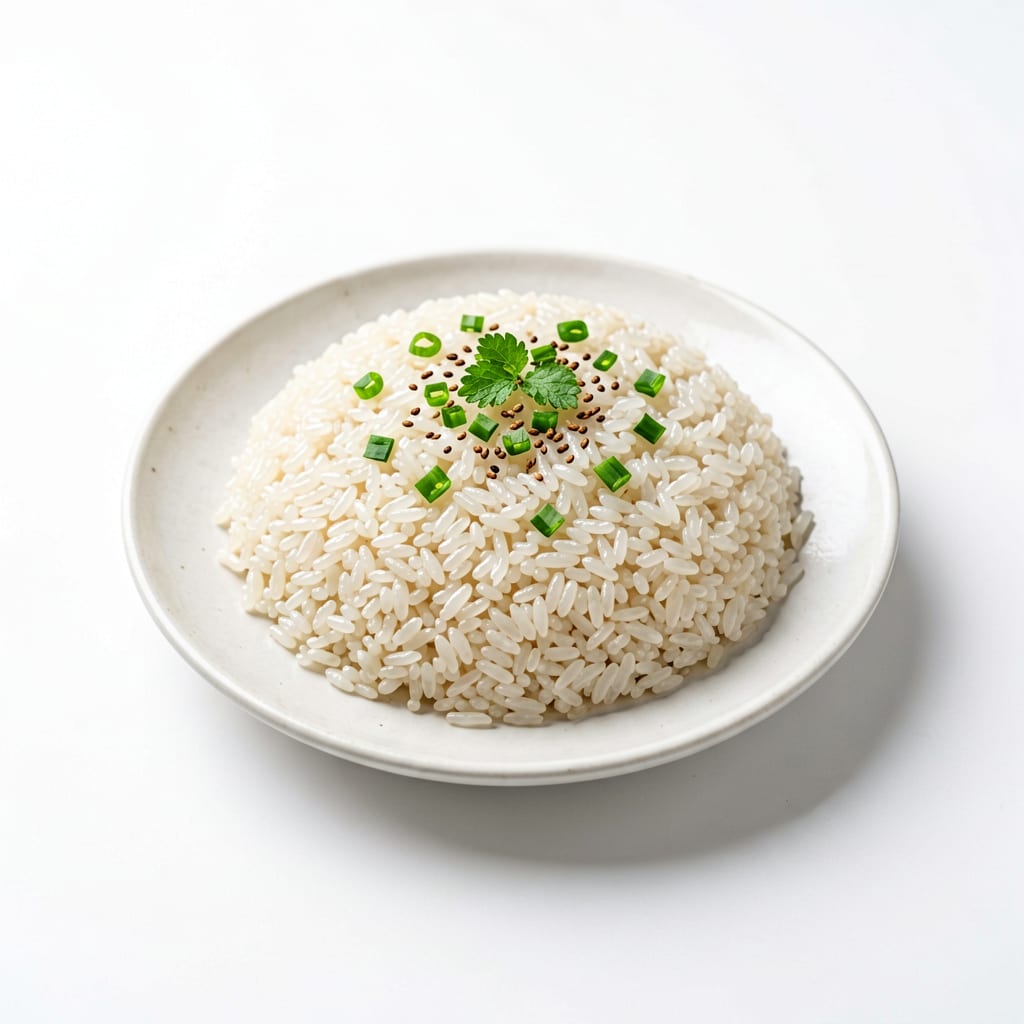
Rice
Corn offers more fiber, protein, and micronutrients per calorie, while rice is gentler on digestion and more versatile as a daily staple. The better choice depends on your gut, your goals, and how your body handles carbs.
Corn scores higher due to superior fiber, protein, and micronutrient content per calorie. Rice scores lower because white rice in particular offers mostly empty carbs with minimal nutritional value. However, rice's digestibility and cultural versatility narrow the gap significantly.
Corn is nutritionally richer but harder to digest; rice is easier on the stomach but more calorie-dense with fewer nutrients per serving.
At a glance
Executive summary
Overall
It depends
Healthier
Corn
More practical
Rice
Daily use
It depends
Key comparison lenses
blood sugar management
Both are high-carb staples that significantly impact blood sugar, making glycemic response the top concern for most users
daily staple selection
Users often choose one as their primary grain for everyday meals and want to know which supports long-term health better
weight management
Calorie density and satiety differ meaningfully between these two, affecting portion control and fullness
digestive sensitivity
Rice is famously gentle on digestion while corn can be harder to break down, a key factor for many eaters
toxin and contamination exposure
Arsenic in rice and GMO concerns in corn are real safety considerations that influence daily choices
Best choice for
Corn
- People wanting more fiber and fullness from their carbs
- Those looking to increase antioxidant intake naturally
- Anyone trying to reduce calorie density while still eating grains
- People concerned about arsenic exposure from rice
Rice
- People with sensitive digestion or recovering from illness
- Athletes needing quick, easily digestible energy
- Those who eat multiple small meals and need a neutral carb base
- Anyone on a low-residue or low-fiber diet
Least suitable for
Corn
- People with severe IBS or corn intolerances
- Those on a low-residue diet before medical procedures
- Anyone avoiding GMO foods who cannot source organic corn
Rice
- People managing diabetes who need steady blood sugar
- Those watching calorie intake closely
- Anyone concerned about arsenic exposure, especially children
Deep comparison
Dimension by dimension
Each lens scores both foods and breaks down who each option suits.
- Dimension 1 · Priority 92Corn
Blood Sugar Stability
Corn · 48Rice · 32Corn causes a slower, more manageable blood sugar rise than white rice, which spikes glucose quickly and crashes hard.
Tradeoff
Neither is ideal for strict blood sugar control, but corn's fiber content softens the glycemic hit noticeably.
Why it matters
If you feel sleepy or hungry again an hour after eating rice, that post-meal crash is why. Corn keeps energy steadier.
Real-world impact
A rice-based lunch can leave you reaching for a snack by 3pm. A corn-based meal tends to hold you longer.
Corn
- People with prediabetes or insulin resistance
- Anyone who gets afternoon energy crashes after carb-heavy meals
Better for
- Those who still need to limit all high-carb foods regardless of fiber
Worse for
Rice
- Athletes who actually want rapid glucose replenishment post-workout
Better for
- Anyone monitoring blood sugar closely
- People prone to reactive hypoglycemia
Worse for
- Dimension 2 · Priority 88Corn
Fiber and Satiety
Corn · 72Rice · 28Corn delivers roughly 3-4 times more fiber than white rice, making it significantly more filling per serving.
Tradeoff
More fiber means better fullness but also more digestive work. Rice slides through easily but leaves you hungry sooner.
Why it matters
Fiber is the difference between a meal that satisfies for hours and one that has you eyeing the fridge an hour later.
Real-world impact
A cup of corn feels like a complete side. A cup of white rice feels like half a side — you will want more.
Corn
- Anyone trying to eat less without feeling deprived
- People who need help staying full between meals
Better for
- People with IBS who are sensitive to insoluble fiber
Worse for
Rice
- Those recovering from gastrointestinal surgery
- People with acute digestive flare-ups who need low-fiber foods
Better for
- Anyone struggling with overeating because meals do not feel satisfying
Worse for
- Dimension 3 · Priority 82Corn
Micronutrient Density
Corn · 70Rice · 35Corn contains meaningful amounts of B vitamins, vitamin C, magnesium, potassium, and eye-protecting antioxidants like lutein. White rice is mostly stripped of nutrients unless enriched.
Tradeoff
Corn is genuinely nutritious for a grain. White rice is essentially pure energy with very little else to offer.
Why it matters
If your carb source also delivers vitamins and antioxidants, you get more value per bite without supplements.
Real-world impact
Choosing corn over rice is like getting a small multivitamin bundled into your carb serving for free.
Corn
- People who want their staples to contribute nutrients, not just calories
- Anyone concerned about eye health and antioxidant intake
Better for
- People who only eat corn and assume it covers all nutritional needs
Worse for
Rice
- Those eating a highly varied diet where rice is just a neutral energy base
Better for
- Anyone relying on rice as a primary food without other nutrient sources
Worse for
- Dimension 4 · Priority 78Rice
Digestive Tolerance
Corn · 40Rice · 88Rice is one of the most easily digested grains available. Corn's tough outer hull can pass through partially undigested and cause bloating in sensitive people.
Tradeoff
Rice is comfort food for an upset stomach. Corn requires more digestive effort but rewards you with more nutrition.
Why it matters
If your gut is sensitive, this dimension alone can override every other nutritional advantage corn has.
Real-world impact
When you feel unwell, rice feels soothing. Corn can feel heavy or gassy on a bad stomach day.
Corn
- People with robust digestion who process high-fiber foods easily
Better for
- People who notice corn pieces in their stool — a sign of incomplete digestion
Worse for
Rice
- Anyone with IBS, Crohn's, or frequent bloating
- People recovering from stomach illness
- Those on low-residue diets for medical reasons
Better for
- Those who need fiber to maintain regular bowel movements
Worse for
- Dimension 5 · Priority 70It depends
Safety and Contamination
Corn · 55Rice · 50Corn carries GMO and mycotoxin concerns. Rice carries arsenic concerns, especially in brown rice and rice grown in certain regions. Both have real but different risks.
Tradeoff
You choose between potential GMO exposure with corn or arsenic exposure with rice. Neither is risk-free, but both risks are manageable with smart sourcing.
Why it matters
Long-term daily consumption of either grain means low-level exposure accumulates. Source matters more than most people think.
Real-world impact
Eating rice daily without varying your grains can slowly increase arsenic intake. Eating non-organic corn daily raises GMO exposure. Rotating both is the safest approach.
Corn
- People worried about arsenic, especially parents feeding young children
Better for
- Those who eat corn at every meal from unknown sources
Worse for
Rice
- People who prioritize avoiding GMO foods and cannot source organic corn
Better for
- Children and pregnant women who are more vulnerable to arsenic
Worse for
- Dimension 6 · Priority 65Rice
Versatility and Convenience
Corn · 55Rice · 82Rice is a universal base that pairs with virtually any cuisine, stores well, reheats easily, and requires no special preparation. Corn is more limited in how it fits into meals.
Tradeoff
Rice adapts to any flavor profile and cooking method. Corn works best as a side dish or ingredient rather than a neutral base.
Why it matters
The food you actually enjoy cooking and eating daily beats the nutritionally superior option that sits in your pantry.
Real-world impact
Rice can be breakfast, lunch, or dinner across Asian, Latin, African, and Middle Eastern cuisines. Corn is more of a supporting player.
Corn
- People who enjoy Mexican, Southwestern, or Southern US cuisine where corn is central
Better for
- Those who find corn repetitive as a daily staple
Worse for
Rice
- Meal preppers who want one carb base for multiple dishes
- Anyone cooking across different cuisines weekly
Better for
- People bored by plain rice who need more flavor and texture variety
Worse for
Timeline
Health impact over time
Short-term
Hours to days
Corn
- More sustained energy after meals due to fiber slowing carbohydrate absorption
- Possible bloating or gas, especially if you are not used to high-fiber foods
- Greater immediate fullness, reducing the urge to snack soon after eating
Rice
- Quick energy spike followed by a crash within 1-2 hours after eating white rice
- Very gentle on the stomach, making it ideal when digestion is compromised
- Less immediate satiety, often leading to larger portions or sooner hunger
Long-term
Months to years
Corn
- Better long-term blood sugar regulation from consistent fiber intake
- Improved bowel regularity and gut health from insoluble fiber
- Potential arsenic avoidance compared to heavy rice consumption
- Eye health support from lutein and zeaxanthin antioxidants
Rice
- Risk of chronic arsenic exposure with daily consumption, especially with brown rice
- Possible weight gain over time due to high calorie density and low satiety
- Minimal contribution to micronutrient needs unless eating enriched varieties
- Easy digestibility supports consistent eating even during health challenges
Risk profile
Safety & processing
Fresh or frozen corn is a whole food eaten close to its natural state. White rice has been milled and polished, removing the bran and germ — effectively stripping it into a refined carbohydrate. Brown rice is closer to whole but still has arsenic concentration in the bran layer.
Corn
GMO exposure
mediumMost field corn in the US is genetically modified. Sweet corn is less commonly GMO but still possible. Choose organic corn to avoid this entirely.
Mycotoxin contamination
lowCorn can harbor fumonisins, fungal toxins that grow in improper storage. Properly stored and processed corn rarely presents dangerous levels.
Rice
Arsenic accumulation
highRice absorbs arsenic from soil and water more efficiently than other crops. Brown rice concentrates more arsenic in the bran. This is a genuine concern for daily consumers, especially children and pregnant women.
Heavy metal exposure
mediumDepending on growing region, rice can also contain cadmium and lead. Rinsing rice and cooking in excess water reduces but does not eliminate these.
Who wins for whom
Audience fit
Same foods, different winners depending on your goal.
children
CornCorn provides more nutrients per bite and avoids the arsenic risk that is particularly concerning for children's developing bodies. Sweet corn is also fun for kids to eat.
daily consumption
It dependsRice is more practical as a daily base for most cuisines, but corn is nutritionally superior. Rotating both is the healthiest long-term approach.
diabetes
CornCorn's fiber slows glucose absorption, resulting in a lower glycemic load. White rice causes rapid blood sugar spikes that make diabetes management harder.
elderly
RiceRice is easier to chew and digest, which matters when appetite and digestion decline with age. Its gentleness makes it a reliable comfort food.
muscle gain
RiceRice provides fast-digesting carbs that replenish glycogen efficiently after training, and its low fiber content means you can eat large quantities without feeling bloated.
weight loss
CornCorn has fewer calories per cup than white rice and significantly more fiber, making it easier to eat satisfying portions without overconsuming calories.
Your move
Decision guide
Choose Corn
- You want more nutrition and fiber from your carb source
- Blood sugar stability is a priority for you
- You are concerned about arsenic in rice, especially for children
- You enjoy corn-based meals and find them satisfying
Choose Rice
- You have a sensitive stomach or digestive condition
- You need quick post-workout carb replenishment
- You cook diverse cuisines that rely on rice as a base
- You are recovering from illness and need gentle, easy calories
Either works if
- You rotate your grains throughout the week anyway
- You eat a varied diet with plenty of vegetables and protein
- Neither food is your primary calorie source
Avoid both if
- You are on a strict ketogenic or very low-carb diet
- You have severe carbohydrate intolerance or diabetes that requires minimal starch intake
- You are on a low-residue diet for medical procedures
Final recommendation
Choose corn when nutrition and fullness matter most. Choose rice when digestibility and convenience matter most. The smartest approach is rotating both — eat corn for its fiber and micronutrients, rice for its gentleness and versatility. If you eat rice daily, rinse it thoroughly, cook it in excess water, and consider switching to white rice over brown to reduce arsenic. If you eat corn daily, choose organic to avoid GMOs.
Practical
Consumer tips
- 1
Rinse rice thoroughly and cook in 6 cups of water per cup of rice, then drain — this can cut arsenic levels by up to 50%
- 2
Choose organic corn when possible to eliminate GMO concerns, especially if you eat it frequently
- 3
Pair rice with protein, healthy fats, and vinegar-based dressings to reduce its glycemic impact
- 4
Try corn tortillas as a middle ground — they offer corn's nutrition in rice's convenient format
- 5
Freeze fresh corn at peak season for the best nutrient retention year-round
- 6
If white rice leaves you hungry fast, try mixing it with beans or vegetables to add fiber and slow digestion
- 7
Brown rice has more nutrients than white but also more arsenic — a real tradeoff to weigh carefully
- 8
Popcorn counts as whole grain corn and is surprisingly high in antioxidants — a lighter way to enjoy corn's benefits