
Nutrition comparison
Corn vs Carrots: Nutrition, Blood Sugar, and Health Comparison
Compare corn vs carrots for weight loss, diabetes, and daily nutrition. Discover which is better for blood sugar, vitamin A, and snacking.
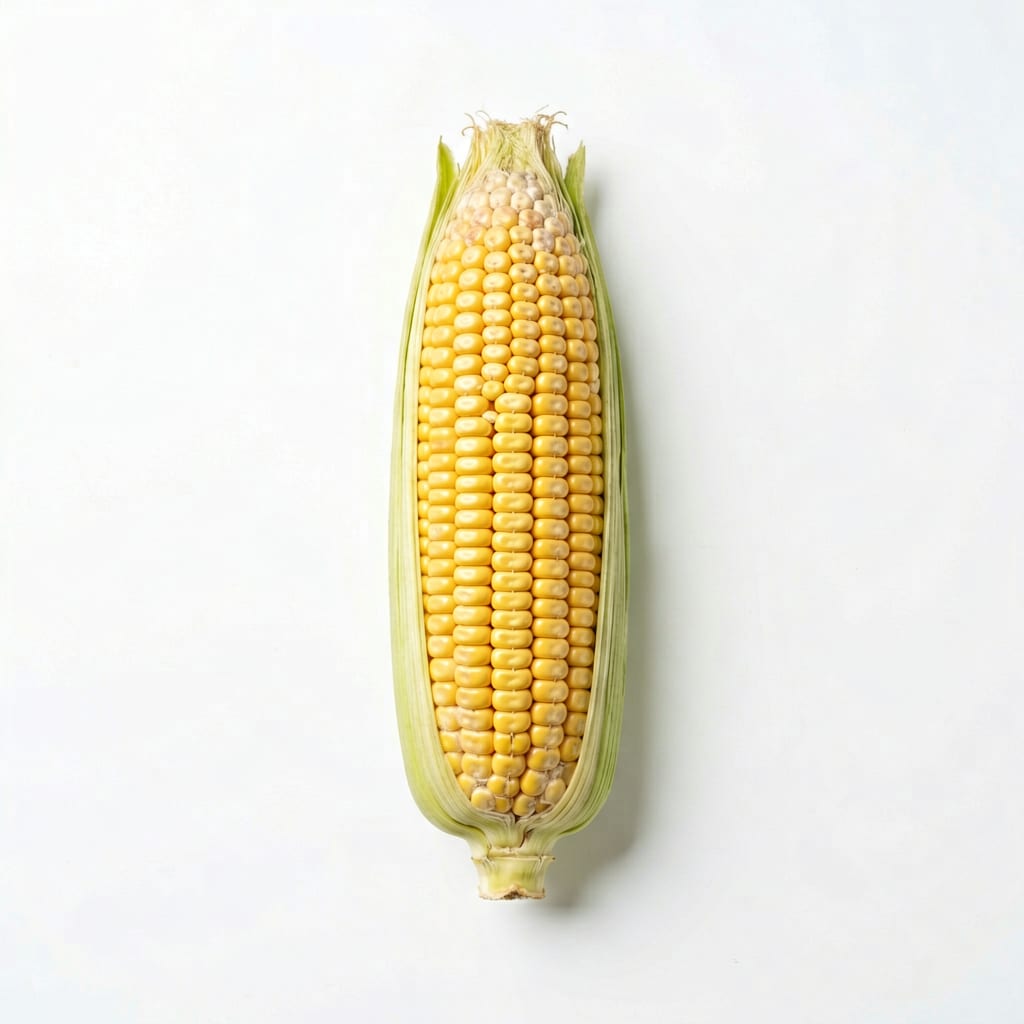
Corn
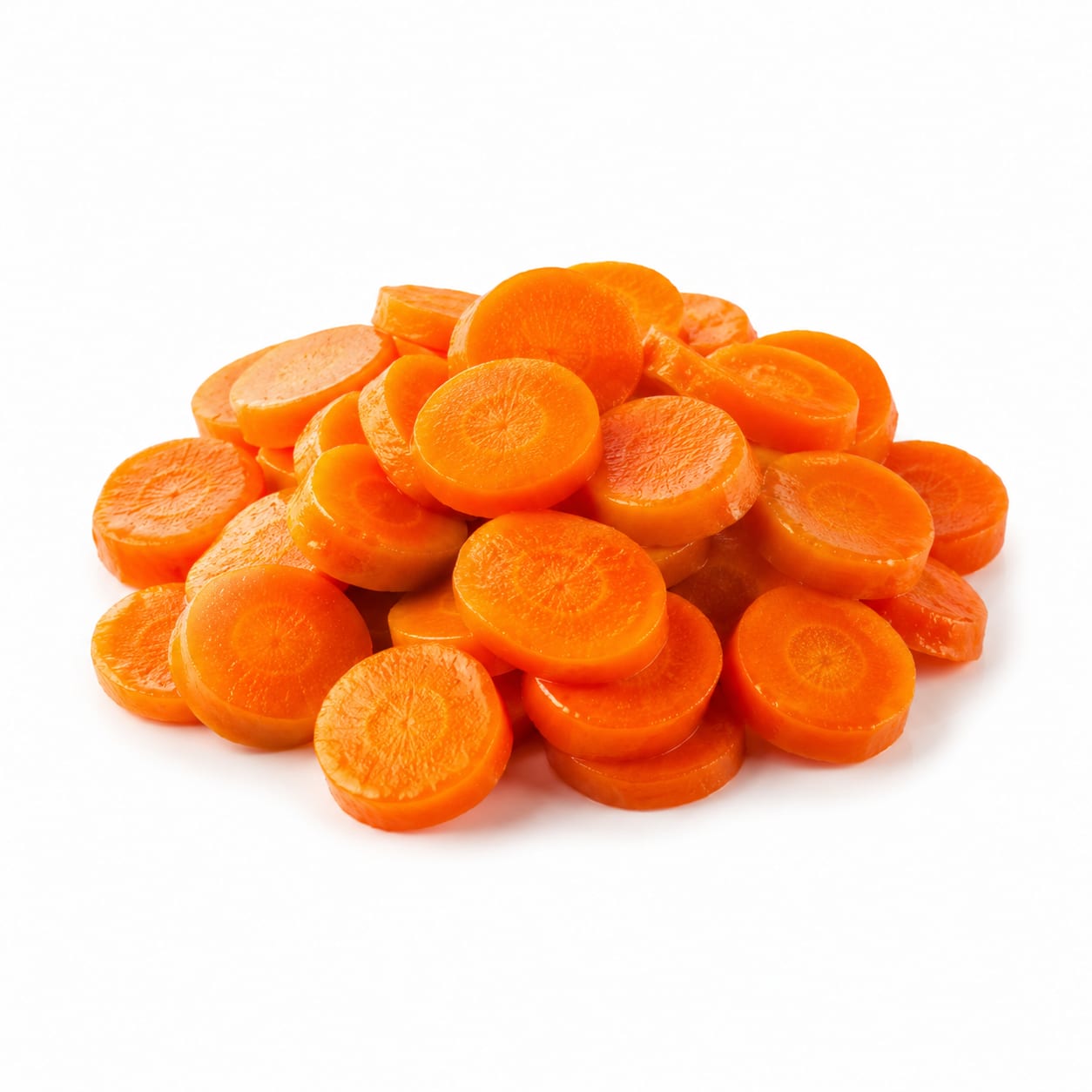
Carrots
Carrots win for low-calorie snacking and vitamin A, while corn provides more sustained energy and satisfying carbs.
Carrots score higher due to superior micronutrient density and blood sugar friendliness, though corn remains a valuable energy source.
Energy and satiety from corn versus micronutrient density and lower blood sugar impact from carrots.
At a glance
Executive summary
Overall
It depends
Healthier
Carrots
More practical
It depends
Daily use
Carrots
Key comparison lenses
Starchy vs Non-Starchy Vegetable Impact on Blood Sugar
Corn acts like a grain with higher carbs, while carrots are a low-calorie root vegetable, making their metabolic effects vastly different.
Vitamin A and Eye Health
Carrots are famously rich in beta-carotene, offering a massive nutritional advantage for vision and immunity that corn cannot match.
Weight Management and Satiety
Users often choose between these two for snacking or side dishes, where calorie density and fullness play a major role.
Best choice for
Corn
- Active individuals needing carb fuel
- People looking for a filling side dish
- Those wanting a satisfying, slightly sweet grain alternative
Carrots
- Weight loss and low-calorie snacking
- Eye health and immune support
- People managing blood sugar spikes
Least suitable for
Corn
- Strict low-carb dieters
- People with severe blood sugar issues
- Those trying to minimize calorie intake
Carrots
- Athletes needing quick carb replenishment
- People looking for a high-calorie, filling staple
Deep comparison
Dimension by dimension
Each lens scores both foods and breaks down who each option suits.
- Dimension 1 · Priority 95Carrots
Blood Sugar & Energy Stability
Corn · 55Carrots · 85Carrots have a much gentler impact on blood sugar, while corn acts more like a starchy grain.
Tradeoff
You get more quick energy from corn, but risk a sharper blood sugar spike and crash.
Why it matters
Steady blood sugar means fewer afternoon energy crashes and less cravings later.
Real-world impact
Eating corn as a side can leave you hungry sooner if not paired with protein, whereas carrots provide steady, light energy.
Corn
- Pre-workout carb loading
- Active days needing extra fuel
Better for
- Sitting at a desk all day
- Late-night snacking
Worse for
Carrots
- Preventing the afternoon energy slump
- Managing diabetes or insulin resistance
Better for
- Recovering from an intense workout
Worse for
- Dimension 2 · Priority 88Carrots
Micronutrient Density
Corn · 60Carrots · 95Carrots are a powerhouse of vitamin A and antioxidants, far outpacing corn per calorie.
Tradeoff
Corn offers lutein and B vitamins, but carrots deliver massive amounts of beta-carotene for vision and skin.
Why it matters
Vitamin A is crucial for immune function and eye health, and carrots are one of the best sources.
Real-world impact
Eating carrots regularly can literally help you see better at night and keep your skin glowing.
Corn
- Supporting general eye health via lutein
- Getting extra folate
Better for
- Correcting a vitamin A deficiency
Worse for
Carrots
- Boosting immune system
- Improving night vision
- Supporting skin health
Better for
- Those with carotenemia concerns where skin turns orange from excess beta-carotene
Worse for
- Dimension 3 · Priority 80Corn
Satiety & Fullness
Corn · 85Carrots · 65Corn is more filling due to its starch and calorie content, while carrots are light and water-rich.
Tradeoff
Corn satisfies hunger effectively but comes with more calories; carrots let you eat a large volume for few calories.
Why it matters
Feeling full matters for sticking to your diet without feeling deprived.
Real-world impact
A corn cob feels like a real part of a meal; carrots feel more like a bridge between meals.
Corn
- Making a meal feel substantial
- Staying full for hours
Better for
- Eating when you just want a light bite
Worse for
Carrots
- Grazing without overconsuming calories
- Mindless snacking safely
Better for
- Trying to stay full on very few calories when genuinely hungry
Worse for
- Dimension 4 · Priority 70It depends
Versatility & Convenience
Corn · 80Carrots · 85Carrots are easier to eat raw and prep, while corn shines in cooked dishes and soups.
Tradeoff
Carrots win for grab-and-go snacking, but corn adds a satisfying chew and sweetness to hearty meals.
Why it matters
You will eat what is easy to prep and fits your routine.
Real-world impact
Baby carrots are the ultimate low-effort lunchbox snack; frozen corn is the ultimate quick stir-in for soups and salsas.
Corn
- Adding bulk to chilis and salsas
- Grilling as a BBQ side
Better for
- Needing a quick, no-cook snack at your desk
Worse for
Carrots
- Raw snacking with hummus
- Shredding into salads quickly
Better for
- Making a hearty winter stew
Worse for
Timeline
Health impact over time
Short-term
Hours to days
Corn
- Quick energy boost from carbohydrates
- Noticeable fullness after eating
Carrots
- Light, hydrated feeling
- No sugar crash or food coma
Long-term
Months to years
Corn
- Potential weight gain if overconsumed due to higher calories
- Stable energy if portions are controlled
Carrots
- Improved vision and skin health from vitamin A
- Easier weight maintenance due to low calorie density
Risk profile
Safety & processing
Both are whole, natural vegetables. Canned corn can have added salt, and baby carrots are just cut regular carrots, but both are fundamentally clean foods.
Corn
GMO and Pesticide Residue
lowMost conventional corn is genetically modified; while considered safe, some prefer organic to avoid glyphosate residues.
Mycotoxin contamination
lowCorn can sometimes harbor mold toxins if stored improperly, though regulations keep this minimal.
Carrots
Pesticide residue
mediumConventional carrots often show pesticide residues on the surface; peeling or buying organic mitigates this easily.
Who wins for whom
Audience fit
Same foods, different winners depending on your goal.
children
It dependsKids love the sweetness of corn, but baby carrots are a perfect finger food for snacking.
daily consumption
CarrotsYou can eat carrots every day in large amounts without overdoing calories or carbs.
diabetes
CarrotsCarrots have a lower glycemic load and will not spike blood sugar like starchy corn.
elderly
CarrotsThe high vitamin A supports aging eyes, and carrots are easy to cook soft or eat raw without heavy digestion.
muscle gain
CornCorn provides the starchy carbs needed to fuel intense training and replenish glycogen stores.
weight loss
CarrotsCarrots offer way more volume and crunch for far fewer calories, making it easier to stay in a deficit.
Your move
Decision guide
Choose Corn
- You need starchy carbs to fuel a workout
- You want a filling side dish for dinner
- You are making chili, salsa, or soup and need bulk
Choose Carrots
- You want a low-calorie crunchy snack
- You are watching your blood sugar
- You want to boost your vitamin A intake
Either works if
- You need more vegetables in your diet overall
- You are making a stir-fry and want color and crunch
Avoid both if
- You have a severe allergy to either
- You are on a strict zero-carb diet
Final recommendation
Let carrots be your everyday snacking and side-dish default for their low calorie and high vitamin A, and save corn for when you need satisfying, energy-dense carbs to fuel an active day.
Practical
Consumer tips
- 1
Buy frozen corn kernels for easy tossing into soups and chilis without waste.
- 2
Choose whole carrots over baby carrots if you want to avoid the slightly dried ends, but both are equally nutritious.
- 3
If blood sugar is a concern, pair corn with a protein or healthy fat to slow down the sugar absorption.
- 4
Do not worry about carrots being high in sugar; it is a myth, as they have less sugar per serving than an apple.
- 5
Look for organic corn if you want to avoid GMOs, as conventional field corn is almost always modified.