
Nutrition comparison
Corn vs Green Beans: Which Is Healthier for Your Goals?
Compare corn and green beans on carbs, calories, blood sugar impact, and nutrition density. Find out which vegetable fits your weight loss, diabetes, or fitness goals better.
Overall winner · Green Beans
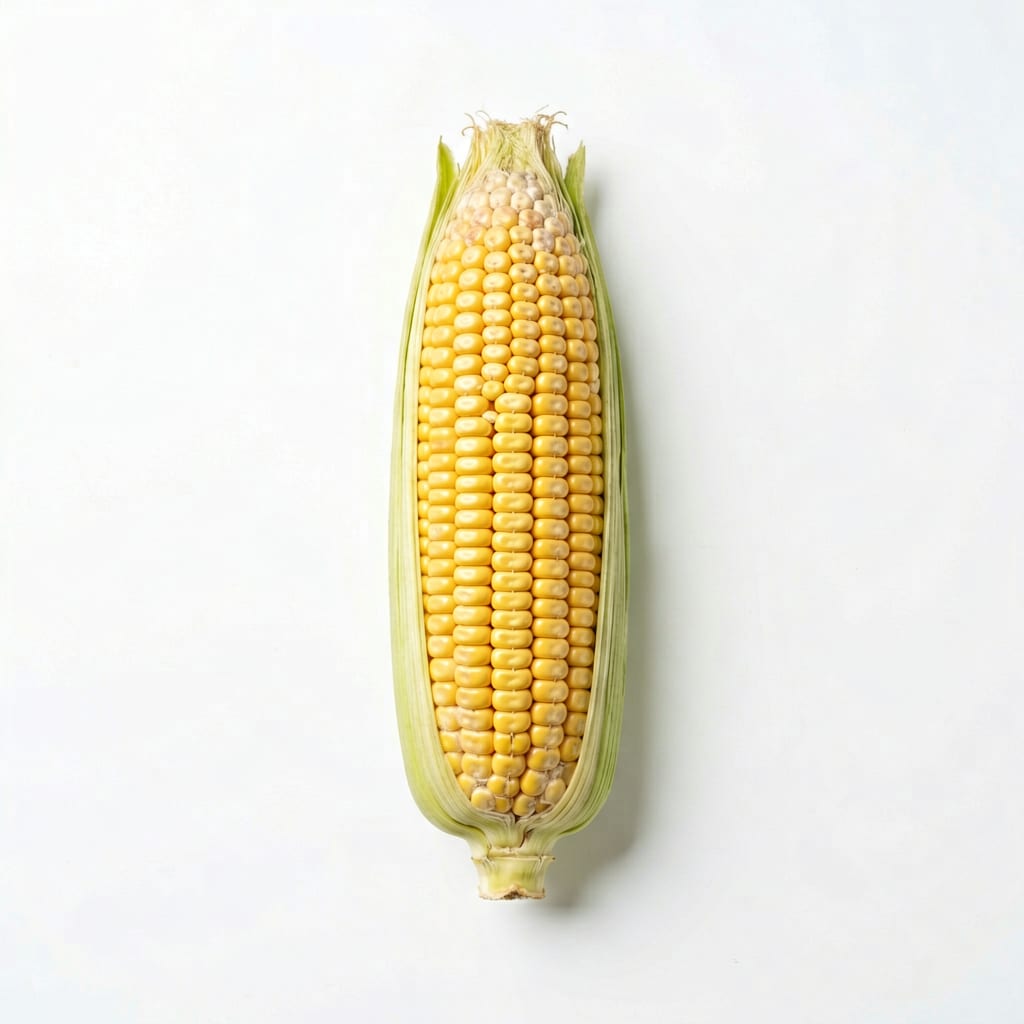
Corn
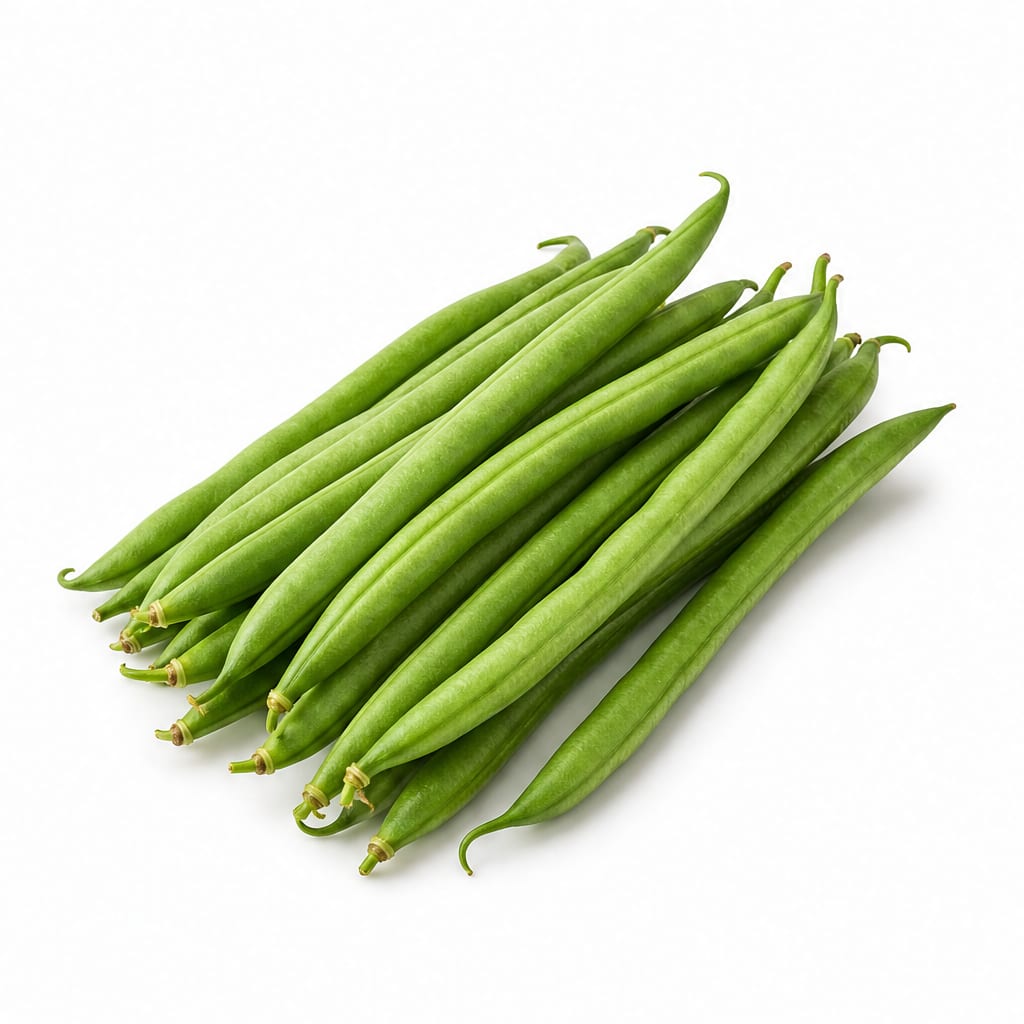
Green Beans
Green beans win for most health goals thanks to far fewer carbs, more vitamins per calorie, and minimal blood sugar impact. Corn earns its place when you need sustained energy or a satisfying starchy side.
Green beans score notably higher due to superior micronutrient density, minimal blood sugar impact, and better weight management profile. Corn remains valuable for energy needs but carries significant carb and calorie tradeoffs that limit its versatility across health goals.
Corn gives you comforting, energy-dense starch but at a significant carb and calorie cost. Green beans give you maximum nutrition with minimal metabolic impact but won't fill you up the same way.
At a glance
Executive summary
Overall
Green Beans
Healthier
Green Beans
More practical
It depends
Daily use
Green Beans
Key comparison lenses
blood sugar and carb management
Corn is starch-heavy with a notable glycemic load while green beans are extremely low in carbs, making this the most consequential difference for most users
weight loss and calorie efficiency
Green beans deliver far more volume and nutrients per calorie, a critical factor for anyone managing intake
satiety and meal satisfaction
Corn feels more filling and substantial due to its calorie and starch content, while green beans are lighter
micronutrient density comparison
Green beans offer significantly more vitamins K, C, and A per calorie, while corn provides unique antioxidants like lutein
GMO and pesticide awareness
Corn is predominantly GMO in the US market, which concerns many consumers, while green beans face different pesticide profiles
Best choice for
Corn
- Athletes needing carb fuel before or after training
- People trying to gain weight or add calorie density
- Active individuals needing sustained energy
- Anyone seeking a satisfying starchy side dish
Green Beans
- People managing diabetes or blood sugar
- Anyone tracking calories for weight loss
- Those prioritizing micronutrient density
- People eating low-carb or keto-style meals
Least suitable for
Corn
- People with diabetes or insulin resistance
- Very low-carb dieters
- Anyone strictly managing calorie intake
Green Beans
- Athletes needing quick carb replenishment
- Underweight individuals needing calorie density
- People looking for a filling main side dish
Deep comparison
Dimension by dimension
Each lens scores both foods and breaks down who each option suits.
- Dimension 1 · Priority 92Green Beans
Blood Sugar Stability
Corn · 35Green Beans · 90Green beans have minimal impact on blood sugar with roughly 7g of carbs per cup. Corn delivers about 30g of carbs per cup with a medium-high glycemic load that causes a noticeable glucose rise.
Tradeoff
Corn provides quick energy but at the cost of a blood sugar spike. Green beans keep glucose steady but won't fuel intense activity.
Why it matters
Blood sugar crashes after corn can trigger hunger, fatigue, and cravings within hours. Green beans avoid this cycle entirely.
Real-world impact
A corn side at lunch may leave you reaching for a snack by 3pm. Green beans keep energy steadier through the afternoon.
Corn
- Pre-workout energy fueling
- Replenishing glycogen after endurance exercise
Better for
- Late-night eating when blood sugar should stay low
- Sedentary days with minimal calorie burn
Worse for
Green Beans
- Managing diabetes or prediabetes
- Avoiding afternoon energy crashes
- Maintaining stable energy during sedentary workdays
Better for
- Post-marathon recovery when carb replenishment matters
- High-output training days requiring carb fuel
Worse for
- Dimension 2 · Priority 88Green Beans
Calorie Efficiency and Weight Management
Corn · 40Green Beans · 88A cup of green beans delivers roughly 31 calories. A cup of corn kernels delivers about 132 calories. That is over four times the calorie density for similar volume.
Tradeoff
Corn satisfies hunger more effectively per serving but uses a large portion of your daily calorie budget. Green beans let you eat generously while staying well within limits.
Why it matters
For anyone trying to lose or maintain weight, calorie density determines whether you feel deprived or satisfied on your plan.
Real-world impact
You can eat three cups of green beans for fewer calories than one cup of corn, making portion control almost effortless.
Corn
- Bulking phases where calorie surplus is intentional
- Active teenagers who burn through calories
Better for
- Anyone trying to create a calorie deficit
- Late-night snacking when calories add up fast
Worse for
Green Beans
- Calorie-counting weight loss plans
- Volume eating strategies where you want large portions
- Anyone who feels hungry on restricted diets
Better for
- Situations where you genuinely need more calories
- Hikers and endurance athletes burning thousands of calories
Worse for
- Dimension 3 · Priority 80Corn
Satiety and Meal Satisfaction
Corn · 78Green Beans · 55Corn's starch content and higher calorie load make it genuinely more filling per serving. Green beans are light and crisp but rarely satisfy hunger on their own.
Tradeoff
Corn fills you up but uses significant carb and calorie budget to do so. Green beans need to be paired with protein and fat to create lasting fullness.
Why it matters
Meals that don't satisfy lead to snacking and overeating later, undermining health goals regardless of how virtuous the individual food was.
Real-world impact
A plate with corn as the starch feels like a complete meal. A plate with only green beans feels like it's missing something unless you add protein and fat.
Corn
- Hearty dinner sides where satisfaction matters
- Meals where you want to feel comfortably full
Better for
- Meals where you're already getting starch from another source
- Situations where feeling too full would be uncomfortable
Worse for
Green Beans
- Light lunches where you want to stay alert
- Multiple-course meals where sides should be light
Better for
- Meals eaten long before your next eating opportunity
- Anyone prone to late-night hunger after light dinners
Worse for
- Dimension 4 · Priority 75Green Beans
Micronutrient Density
Corn · 50Green Beans · 85Green beans are rich in vitamins K, C, A, and folate with very few calories. Corn provides B vitamins and the antioxidants lutein and zeaxanthin but requires more calories to get meaningful amounts.
Tradeoff
Green beans deliver more total vitamins per calorie by a wide margin. Corn offers unique eye-health antioxidants that green beans lack but at a higher caloric price.
Why it matters
Eating nutrient-dense foods means your body gets what it needs without excess energy storage. Calorie-dense foods with modest nutrients can leave you overfed but undernourished.
Real-world impact
A serving of green beans covers over 20% of your vitamin K and vitamin C needs for under 35 calories. Corn needs 130+ calories to deliver its nutrient package.
Corn
- Eye health support from lutein and zeaxanthin
- Getting B vitamins alongside energy-providing carbs
Better for
- When you want maximum vitamins per calorie
- Anyone already getting plenty of B vitamins from other sources
Worse for
Green Beans
- Boosting vitamin K for bone and blood health
- Getting vitamin C for immune support without sugar
- Maximizing nutrient intake on a calorie budget
Better for
- Specifically targeting lutein for eye health
- Situations where vitamin K intake needs to be limited due to blood thinners
Worse for
- Dimension 5 · Priority 70Green Beans
GMO and Pesticide Exposure
Corn · 30Green Beans · 72Roughly 90% of US corn is genetically modified. Green beans are not GMO but appear on the EWG's Dirty Dozen list for pesticide residues, making organic a smart choice for both.
Tradeoff
Corn's near-universal GMO status concerns many consumers, though safety evidence is mixed. Green beans avoid GMO issues but carry notable pesticide residue risk unless organic.
Why it matters
Long-term exposure to pesticides and the unknowns around GMO consumption matter to people making daily food choices, especially for children.
Real-world impact
Choosing organic corn is almost mandatory if you want to avoid GMO. Choosing organic green beans significantly reduces pesticide exposure. Both require conscious sourcing.
Corn
- Organic corn options are widely available and clearly labeled
Better for
- Conventional corn is almost certainly GMO
- Consumers avoiding GMO must be vigilant and often pay more
Worse for
Green Beans
- No GMO concerns regardless of sourcing
- Organic green beans are increasingly accessible
Better for
- Conventional green beans carry measurable pesticide residues
- Failure to wash thoroughly increases exposure
Worse for
Timeline
Health impact over time
Short-term
Hours to days
Corn
- Noticeable blood sugar rise within 30-60 minutes of eating
- Moderate satiety that can last 2-3 hours due to starch content
- Quick energy availability useful for physical activity
Green Beans
- Minimal blood sugar impact with steady glucose levels
- Light feeling in the stomach that may require protein pairing for fullness
- Digestive comfort due to gentle fiber content
Long-term
Months to years
Corn
- Regular high-carb intake from corn may contribute to insulin resistance if overconsumed
- Lutein and zeaxanthin support long-term eye health
- Consistent calorie surplus from corn-heavy meals can promote weight gain
Green Beans
- Consistent intake supports bone health through high vitamin K
- Low calorie density helps maintain healthy weight long-term
- Antioxidant content may reduce chronic inflammation markers
Risk profile
Safety & processing
Both corn and green beans are whole foods in their natural state. The bigger concern is sourcing: conventional corn is almost certainly GMO, and canned versions of both often contain added sodium. Fresh or frozen without additives keeps both options clean.
Corn
GMO exposure
mediumApproximately 90% of US field corn is genetically modified. While regulatory bodies deem it safe, long-term independent research remains limited, and many consumers prefer to avoid GMOs.
Mycotoxin contamination
lowCorn can harbor fumonisins, fungal toxins that grow in damp storage conditions. Proper storage and sourcing from reputable suppliers minimize this risk.
Canned sodium load
mediumCanned corn often contains 300-400mg of sodium per serving. Rinsing helps but does not eliminate it entirely. Frozen or fresh corn avoids this issue.
Green Beans
Pesticide residue
mediumGreen beans appear on the EWG's Dirty Dozen list with detectable residues of multiple pesticides. Washing helps but does not remove all residues. Organic significantly reduces exposure.
Canned sodium and BPA
mediumCanned green beans are high in sodium and may be lined with BPA-containing resin. Frozen or fresh options avoid both concerns.
Lectin content
lowRaw green beans contain lectins that can cause digestive upset. Cooking eliminates this concern entirely, which is how they are normally consumed.
Who wins for whom
Audience fit
Same foods, different winners depending on your goal.
children
It dependsCorn is often more appealing to kids and provides energy for growth and activity. Green beans offer better micronutrients but can be a harder sell at the dinner table.
daily consumption
Green BeansGreen beans can be eaten daily without concern for blood sugar, calorie surplus, or metabolic strain. Corn is best cycled in based on activity level.
diabetes
Green BeansWith roughly 7g of carbs per cup versus corn's 30g, green beans keep blood sugar stable and make carb budgeting far easier.
elderly
Green BeansGreen beans provide vitamin K for bone health, are gentle on digestion, and avoid the blood sugar spikes that become more dangerous with age.
muscle gain
CornCorn provides carbohydrate energy needed to fuel training and support recovery, plus modest protein content that complements a muscle-building diet.
weight loss
Green BeansGreen beans provide four times the volume per calorie, making portion control nearly automatic while still delivering meaningful nutrition.
Your move
Decision guide
Choose Corn
- You're an active person who needs carb fuel for training or physical work
- You're trying to gain weight or add calorie density to meals
- You want a satisfying starchy side that feels like comfort food
- You're eating a balanced meal that already includes protein and vegetables
Choose Green Beans
- You're managing blood sugar, diabetes, or insulin resistance
- You're trying to lose weight or maintain a calorie deficit
- You want maximum vitamins and minerals per calorie
- You're eating low-carb and need a vegetable side that fits your macros
Either works if
- You're building a balanced plate and can adjust portions accordingly
- You rotate vegetables for variety and both fit your overall dietary pattern
- You're eating at a restaurant and either option beats fries or mashed potatoes
Avoid both if
- You have a specific corn or legume allergy
- You're on a very strict elimination diet that excludes both
- You're sensitive to FODMAPs and are in the elimination phase, as both can contribute symptoms in large amounts
Final recommendation
Make green beans your default vegetable side for daily meals. They deliver more nutrition with less metabolic cost and fit virtually any health goal. Save corn for times when you genuinely need the energy — before a long hike, after a hard workout, or as an occasional satisfying side when you've earned the carbs. Both are real foods that beat processed alternatives, but green beans give you more room to succeed on almost any dietary plan.
Practical
Consumer tips
- 1
Buy frozen green beans without sauce or seasoning — they're convenient, affordable, and retain nutrients well
- 2
Choose organic corn if you want to avoid GMO, as conventional corn is almost certainly modified
- 3
Rinse canned versions of both vegetables to remove roughly 20-30% of added sodium
- 4
Pair green beans with olive oil and almonds to add healthy fats that make the meal more satisfying
- 5
Roast corn with spices instead of butter to keep the flavor while cutting saturated fat
- 6
If blood sugar is a concern, limit corn to half a cup and pair it with protein and fiber-rich vegetables