
Nutrition comparison
Corn vs Popcorn: Which Is Healthier? Nutrition, Fiber, and Snack Comparison
Corn delivers more vitamins and meal versatility. Popcorn wins for low-calorie snacking and fiber per calorie. Compare nutrition, blood sugar impact, and which fits your goals better.
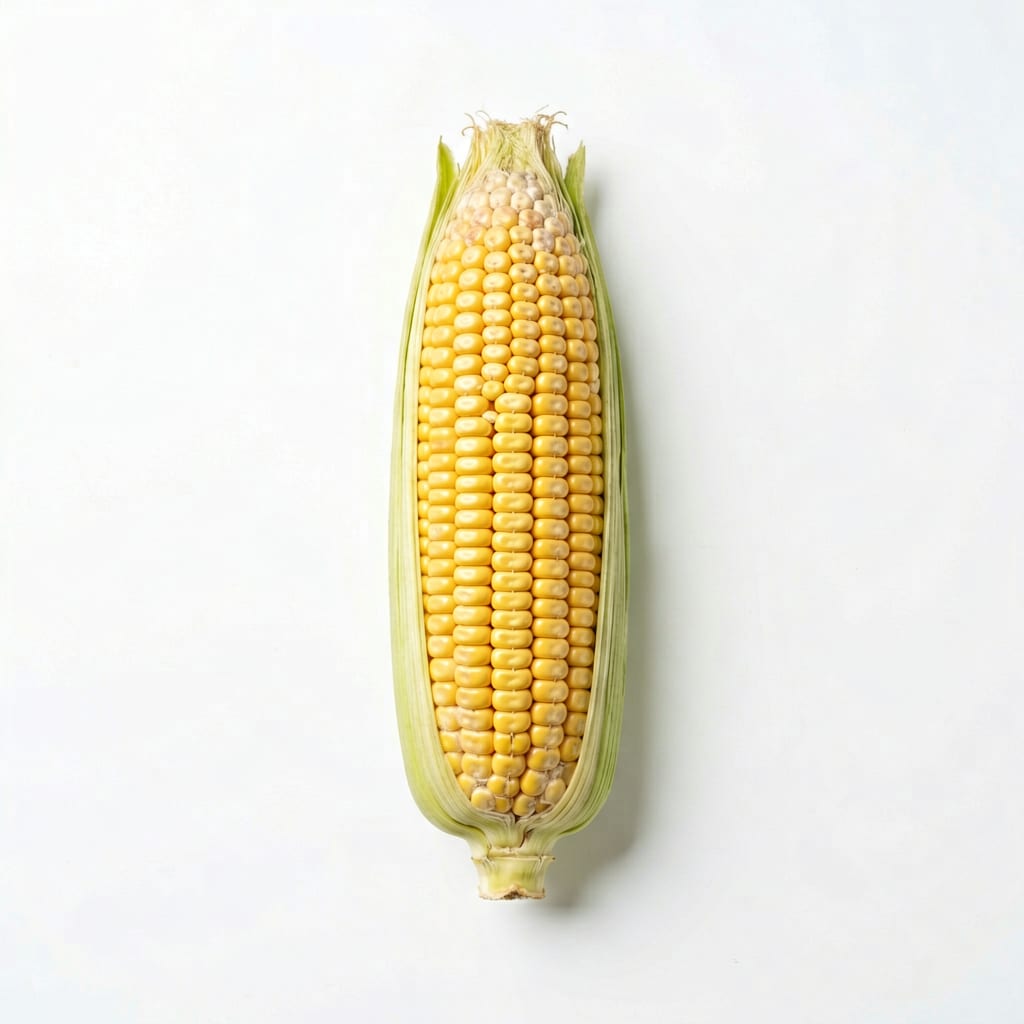
Corn
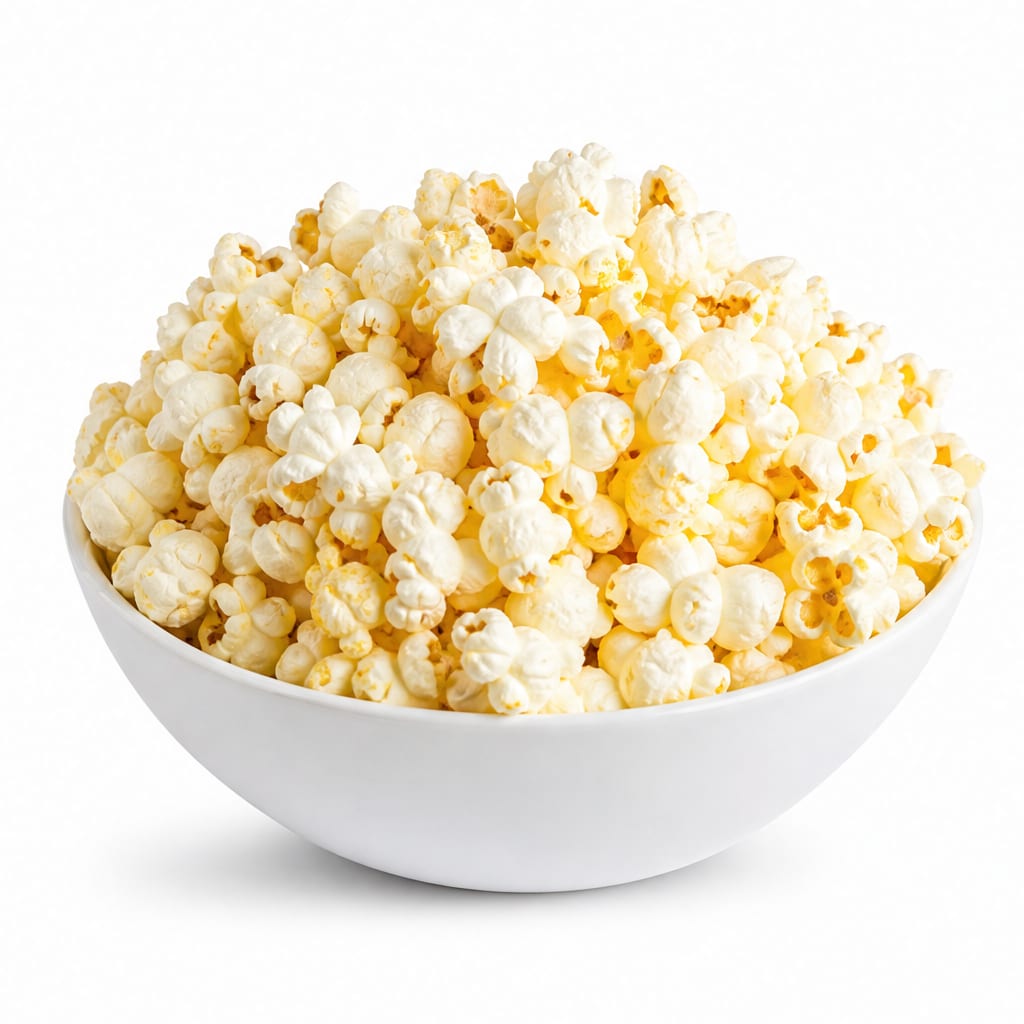
Popcorn
Corn is the more nutrient-rich meal staple, while air-popped popcorn is the smarter low-calorie snack. They serve different purposes and both win in their lane.
Popcorn edges ahead mainly because of its exceptional fiber-to-calorie ratio and satiety advantage as a snack. Corn wins on nutrient density and meal versatility but carries a higher glycemic load. The close scores reflect that both are legitimate whole-grain choices with different strengths.
Corn gives you more vitamins, minerals, and natural sweetness per bite, but popcorn gives you far more volume and fiber per calorie, making it vastly better for mindless snacking without overeating.
At a glance
Executive summary
Overall
It depends
Healthier
It depends
More practical
Popcorn
Daily use
Corn
Key comparison lenses
snack vs meal component tradeoff
Corn and popcorn serve completely different eating occasions, which shapes how people actually choose between them
calorie density and volume eating
Popcorn is famous for letting you eat a large volume for few calories, while corn is more calorie-dense per bite
fiber and satiety comparison
Both are whole grains but popcorn's expanded form dramatically changes the fiber-to-calorie ratio
blood sugar impact
Corn has more natural sugar and a higher glycemic load, while air-popped popcorn is surprisingly gentle on blood sugar
preparation and additive concerns
Plain corn is straightforward, but microwave popcorn and movie theater popcorn introduce serious additive and processing questions
Best choice for
Corn
- People wanting a nutrient-dense side dish for meals
- Anyone needing more B vitamins and magnesium in their diet
- Active individuals who benefit from the carbs and natural sugars
- Families looking for a versatile vegetable the whole table will eat
- Those who find popcorn too dry or unsatisfying alone
Popcorn
- Anyone managing calorie intake who wants a large-volume snack
- Late-night snackers who want something to munch on guilt-free
- People trying to increase fiber without adding many calories
- Movie or social snackers wanting a lighter alternative to chips
- Those who find small portions of calorie-dense foods unsatisfying
Least suitable for
Corn
- People on strict low-carb or keto diets
- Those managing diabetes who need low-glycemic foods
- Anyone seeking a low-calorie snacking option
- People trying to reduce starchy vegetable intake
Popcorn
- People with diverticulitis or digestive sensitivity to roughage
- Anyone prone to overeating when salty buttered popcorn is available
- Those who only eat microwave popcorn loaded with artificial flavors
- People needing substantial calories or protein from their food
Deep comparison
Dimension by dimension
Each lens scores both foods and breaks down who each option suits.
- Dimension 1 · Priority 94Popcorn
calorie density and volume satisfaction
Corn · 45Popcorn · 92Air-popped popcorn delivers roughly 30 calories per cup versus corn's 130+ calories per cup. You can eat three cups of popcorn for the calories in half a cup of corn.
Tradeoff
Popcorn's volume advantage is massive for snacking, but corn's calorie density makes it more useful when you actually need energy and substance at a meal.
Why it matters
Volume eating is one of the most sustainable strategies for weight management. Popcorn is one of the best foods on earth for this approach.
Real-world impact
A big bowl of air-popped popcorn satisfies the urge to keep eating for under 100 calories. The same bowl of corn kernels would be over 500 calories.
Corn
- Post-workout refueling when you need concentrated carbs
- Hikers and athletes needing calorie efficiency
- Adding substance to a light meal
Better for
- Mindless snacking scenarios where portion control fails
- Late-night eating when you want something light
Worse for
Popcorn
- Evening snacking without derailing your day
- Replacing chips or crackers in a weight loss plan
- Any situation where you want to eat a lot of something
Better for
- Situations requiring meaningful caloric fuel
- Meals where you need the food to actually fill you up nutritionally
Worse for
- Dimension 2 · Priority 90Popcorn
fiber and digestive health
Corn · 62Popcorn · 88Popcorn provides about 3.5g of fiber per 100 calories. Corn provides about 2.5g per 100 calories. The difference grows when you consider typical serving sizes.
Tradeoff
Popcorn's fiber advantage per calorie is clear, but corn's fiber comes alongside more vitamins and minerals, making it a more complete package nutritionally.
Why it matters
Fiber is the nutrient most people consistently fail to get enough of. A snack that makes a serious dent in your daily fiber goal is valuable.
Real-world impact
Three cups of air-popped popcorn gives you nearly 4g of fiber for under 100 calories. You would need to eat over 200 calories of corn to match that.
Corn
- People whose digestive systems struggle with very rough fiber
- Anyone already meeting fiber goals through other foods
Better for
- Constipation-prone individuals needing a fiber boost
Worse for
Popcorn
- Anyone falling short on daily fiber intake
- People wanting digestive regularity without supplements
- Those using fiber to help manage cholesterol
Better for
- People with diverticulitis or IBS who react to coarse insoluble fiber
- Anyone with dental issues making crunchy foods painful
Worse for
- Dimension 3 · Priority 84Popcorn
blood sugar stability
Corn · 48Popcorn · 72Sweet corn has a glycemic index around 52-60 and a meaningful glycemic load per serving. Air-popped popcorn has a similar GI but a much lower glycemic load per typical serving because you consume fewer digestible carbs per sitting.
Tradeoff
Corn's natural sugars give it a sweeter taste but a sharper blood sugar impact. Popcorn's expanded form means you ingest carbs more slowly simply because there is less food per bite.
Why it matters
Blood sugar crashes drive cravings, fatigue, and overeating. The food that keeps you steadier wins for daily energy.
Real-world impact
Eating a large ear of corn can cause a noticeable blood sugar rise and dip. A bowl of air-popped popcorn is far less likely to trigger that afternoon crash.
Corn
- Athletes who want quick-available carbs before or during activity
- Anyone needing a fast energy source
Better for
- Diabetics counting glycemic load carefully
- People prone to reactive hypoglycemia
Worse for
Popcorn
- People with insulin resistance or prediabetes
- Anyone trying to avoid the post-snack energy crash
- Those pairing food with a sedentary afternoon
Better for
- Endurance athletes needing rapid carbohydrate availability
Worse for
- Dimension 4 · Priority 80Corn
nutrient density
Corn · 82Popcorn · 55Corn delivers significantly more B vitamins, vitamin C, magnesium, potassium, and zinc per calorie than popcorn. The drying and popping process reduces some water-soluble vitamin content.
Tradeoff
Corn is the more complete food nutritionally, but popcorn compensates with polyphenol antioxidants that survive the popping process surprisingly well.
Why it matters
If a food is going to take up caloric space in your day, it should bring nutrients along. Corn does this better per bite.
Real-world impact
A serving of corn contributes meaningfully to your daily B vitamin and magnesium intake. Popcorn contributes fiber and antioxidants but is relatively thin on vitamins and minerals.
Corn
- Anyone eating limited calories who needs each bite to count nutritionally
- Pregnant women needing folate from food sources
- Older adults needing magnesium and B vitamins
Better for
- Situations where nutrient density is irrelevant because you just want a snack
Worse for
Popcorn
- Those already eating a nutrient-rich diet who just want a light snack
- People interested in polyphenol antioxidants from whole grains
Better for
- People relying on grains as a significant nutrient source
- Anyone with marginal vitamin intake
Worse for
- Dimension 5 · Priority 72It depends
antioxidant and anti-inflammatory potential
Corn · 75Popcorn · 73Corn contains lutein and zeaxanthin, which protect eye health. Popcorn contains concentrated polyphenols, particularly ferulic acid, because the hull is where many antioxidants concentrate.
Tradeoff
Corn's carotenoids target eye health specifically, while popcorn's polyphenols offer broader antioxidant activity. Both are valuable but in different ways.
Why it matters
Chronic inflammation drives most lifestyle diseases. Whole grains with strong antioxidant profiles are an underappreciated defense.
Real-world impact
Regular corn consumption supports long-term eye health. Regular popcorn consumption provides a surprising amount of antioxidant protection for a snack food.
Corn
- People concerned about macular degeneration or eye health
- Anyone wanting lutein from food rather than supplements
Better for
- People solely focused on polyphenol intake
Worse for
Popcorn
- Those wanting antioxidant benefits from a low-calorie snack
- People who do not think of snacks as having any antioxidant value
Better for
- Those specifically targeting carotenoids for eye health
Worse for
- Dimension 6 · Priority 76Popcorn
practical convenience and versatility
Corn · 58Popcorn · 80Popcorn is shelf-stable for months, requires minimal prep, and is ready in minutes. Corn requires cooking, is perishable, and has a shorter window of freshness.
Tradeoff
Popcorn wins on convenience and shelf life, but corn integrates into far more meal types from salads to soups to side dishes.
Why it matters
The food you can actually prepare and eat consistently beats the food that is theoretically better but inconvenient.
Real-world impact
Keeping popcorn kernels in your pantry means you always have a healthy snack ready. Fresh corn requires planning, cooking, and using before it spoils.
Corn
- Cooking a full meal where corn is one component
- Anyone wanting a vegetable side dish with broad appeal
- Summer grilling and outdoor eating
Better for
- Spontaneous snacking situations
- Anyone without reliable fresh produce access
Worse for
Popcorn
- Quick snacking with almost zero prep time
- Pantry stocking for busy weeks
- Office or travel snacking
Better for
- Building a balanced meal around it
- Anyone wanting a food that works as a vegetable side
Worse for
Timeline
Health impact over time
Short-term
Hours to days
Corn
- Noticeable blood sugar rise within 30-60 minutes due to natural sugars and starch content
- Moderate satiety from fiber and water content but less than you might expect given the calories
- Quick energy availability which is helpful before physical activity
- Mild bloating possible for people sensitive to starchy vegetables
Popcorn
- Minimal blood sugar disruption when air-popped and eaten plain
- Strong satiety signal from the physical volume and fiber content
- Dry mouth and thirst likely, which can be mistaken for hunger if you do not drink water
- Jaw fatigue from chewing can naturally slow eating pace, which is actually beneficial
Long-term
Months to years
Corn
- Regular consumption supports eye health through consistent lutein and zeaxanthin intake
- Steady B vitamin and magnesium intake contributes to energy metabolism and nerve function
- Higher glycemic load from frequent consumption may contribute to insulin resistance if not balanced with protein and fat
- May contribute to weight gain if portion sizes are not managed, especially with butter additions
Popcorn
- Consistent fiber intake supports digestive regularity and cholesterol management
- Polyphenol consumption from the hull may reduce chronic inflammation markers over time
- Excellent weight management tool when used to replace higher-calorie snacks
- Risk of excessive sodium and unhealthy fat intake if regularly consumed as movie theater or heavily buttered versions
Risk profile
Safety & processing
Fresh or frozen corn is about as natural as food gets. Plain popcorn kernels are equally whole and unprocessed. However, microwave popcorn and flavored popcorn products introduce significant additive concerns including artificial butter flavoring (diacetyl), excessive sodium, hydrogenated oils, and preservatives. The additive concern for popcorn reflects how most people actually consume it, not the kernel itself.
Corn
GMO and pesticide exposure
mediumMost conventional corn in the US is genetically modified and can carry pesticide residues. Choosing organic reduces this concern substantially.
Mycotoxin contamination
lowCorn can harbor fumonisins, fungal toxins that are more concerning in improperly stored corn. Fresh corn from reputable sources rarely presents meaningful risk.
Popcorn
Diacetyl inhalation from microwave popcorn
highThe artificial butter flavoring diacetyl has been linked to bronchiolitis obliterans, a serious lung condition, primarily in heavy microwave popcorn consumers. Many brands have removed it, but checking labels is essential.
PFAS in microwave popcorn bags
highMany microwave popcorn bags are lined with PFAS chemicals to prevent grease soaking through. These forever chemicals migrate into the popcorn during heating. Air-popping eliminates this risk entirely.
Acrylamide formation
lowPopcorn can form small amounts of acrylamide during high-heat popping, though levels are generally lower than in other heated starchy foods like potato chips.
Who wins for whom
Audience fit
Same foods, different winners depending on your goal.
children
CornCorn is a familiar, easy-to-eat vegetable that most children accept readily and provides meaningful nutrition. Popcorn is a choking hazard for children under four and the American Academy of Pediatrics recommends avoiding it entirely for toddlers.
daily consumption
CornCorn's broader nutrient profile makes it a better daily staple when you consider the whole diet. Popcorn is excellent as a daily snack but does not provide enough nutritional variety to be a daily dietary pillar.
diabetes
PopcornAir-popped popcorn has a lower glycemic load per typical serving and more fiber per calorie, creating a gentler blood sugar response. Corn's natural sugars and higher glycemic load make it more challenging to manage.
elderly
CornCorn is easier to chew and digest for aging teeth and digestive systems. Popcorn hulls can get lodged in teeth and gums, and the coarse fiber can aggravate diverticulitis, which is common in older adults.
muscle gain
CornCorn provides more total carbohydrates and a small amount of protein per serving, making it more useful as an energy source around training. Neither food is a protein powerhouse.
weight loss
PopcornAir-popped popcorn's extreme volume-to-calorie ratio makes it one of the most effective weight loss snacks available. You can eat a massive bowl for under 100 calories.
Your move
Decision guide
Choose Corn
- You want a vegetable side dish that pairs well with proteins and other foods
- Eye health is a priority and you want lutein from whole foods
- You are feeding children who need accessible, nutrient-rich vegetables
- You need concentrated energy for physical activity
- You are cooking a meal and want something that feels like real food, not a snack
Choose Popcorn
- You want a low-calorie snack that lets you eat a large volume
- You are trying to replace chips, crackers, or other processed snacks
- You want something shelf-stable that is always ready with minimal effort
- You are managing blood sugar and need a gentle snack option
- You are watching a movie and want the experience without the calorie disaster of theater popcorn
Either works if
- You want whole grain benefits and are flexible on form factor
- You are trying to increase fiber intake from real food sources
- You want anti-inflammatory whole foods in your regular rotation
Avoid both if
- You are on a strict ketogenic or very low-carb diet
- You have a corn allergy, which would trigger reactions to both foods
- You are sensitive to FODMAPs and react to both foods during a flare
Final recommendation
Keep both in your life but use them differently. Corn belongs on your plate as a nutrient-rich vegetable side. Popcorn belongs in your pantry as your go-to smart snack. The biggest mistake is treating movie theater or microwave popcorn as if it has the same health profile as air-popped popcorn. If you pop it yourself with minimal oil and salt, popcorn is one of the healthiest snacks in existence. If you are eating the butter-drenched version, corn wins by default.
Practical
Consumer tips
- 1
Air-pop your popcorn using a hot air popper or a covered pot with minimal oil. This eliminates PFAS bag concerns and saves hundreds of calories.
- 2
Season air-popped popcorn with nutritional yeast instead of butter for a cheesy flavor with added B vitamins and protein.
- 3
Choose organic corn when possible to reduce GMO and pesticide exposure, especially since corn is one of the most heavily sprayed crops.
- 4
Fresh corn loses sweetness rapidly after picking. Buy local in season or frozen, which locks in peak sweetness.
- 5
If you must use microwave popcorn, look for brands that explicitly state no diacetyl and use PFAS-free bags. These are increasingly available.
- 6
Pair corn with a healthy fat like olive oil or avocado to absorb its fat-soluble nutrients including lutein and zeaxanthin.
- 7
Never give popcorn to children under age four due to choking risk. Corn kernels cut off the cob are a safer alternative for toddlers.
- 8
For the best blood sugar result with either food, pair with protein. Try corn alongside grilled chicken or popcorn with a handful of almonds.