
Nutrition comparison
Corn vs Butternut Squash: Nutrition, Blood Sugar, and Health Comparison
Compare corn vs butternut squash for health, weight loss, and diabetes. Discover which starchy veg offers better vitamins, blood sugar control, and convenience.
Overall winner · Butternut Squash
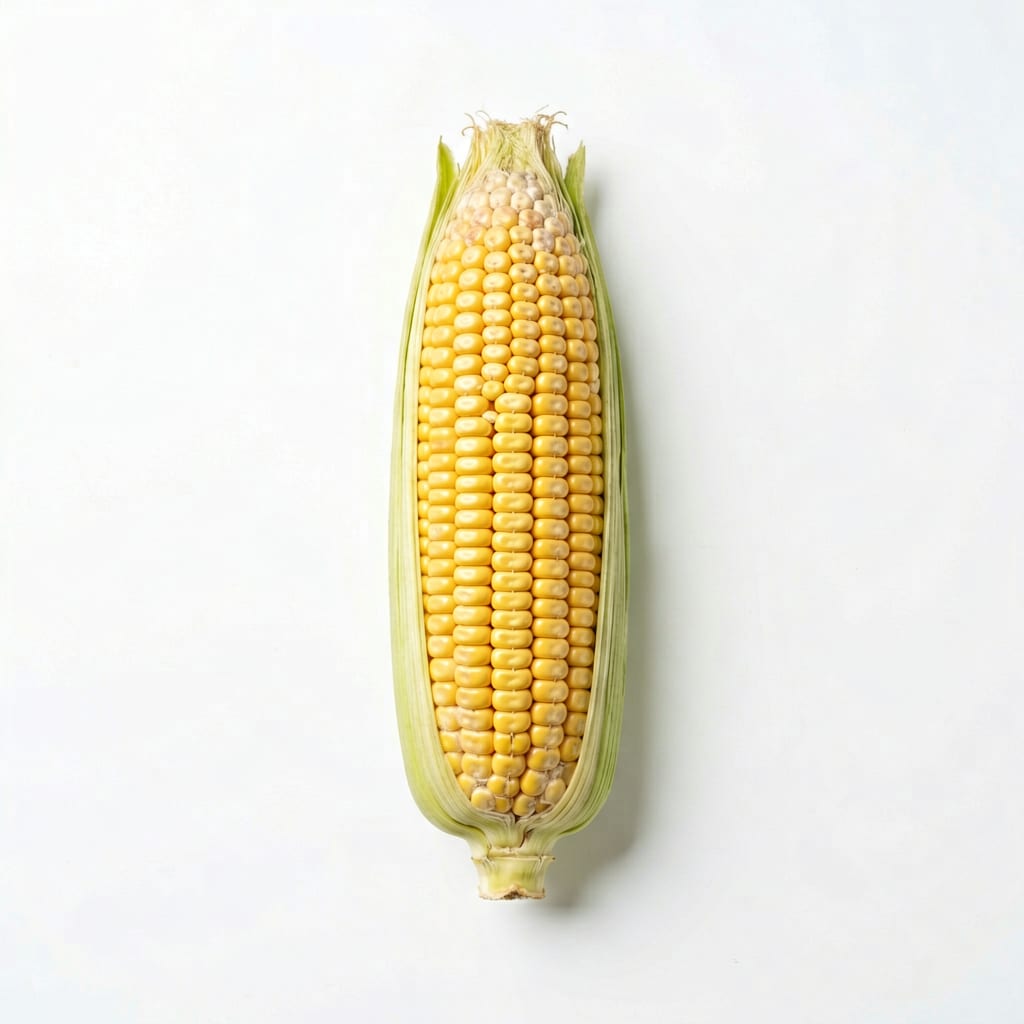
Corn
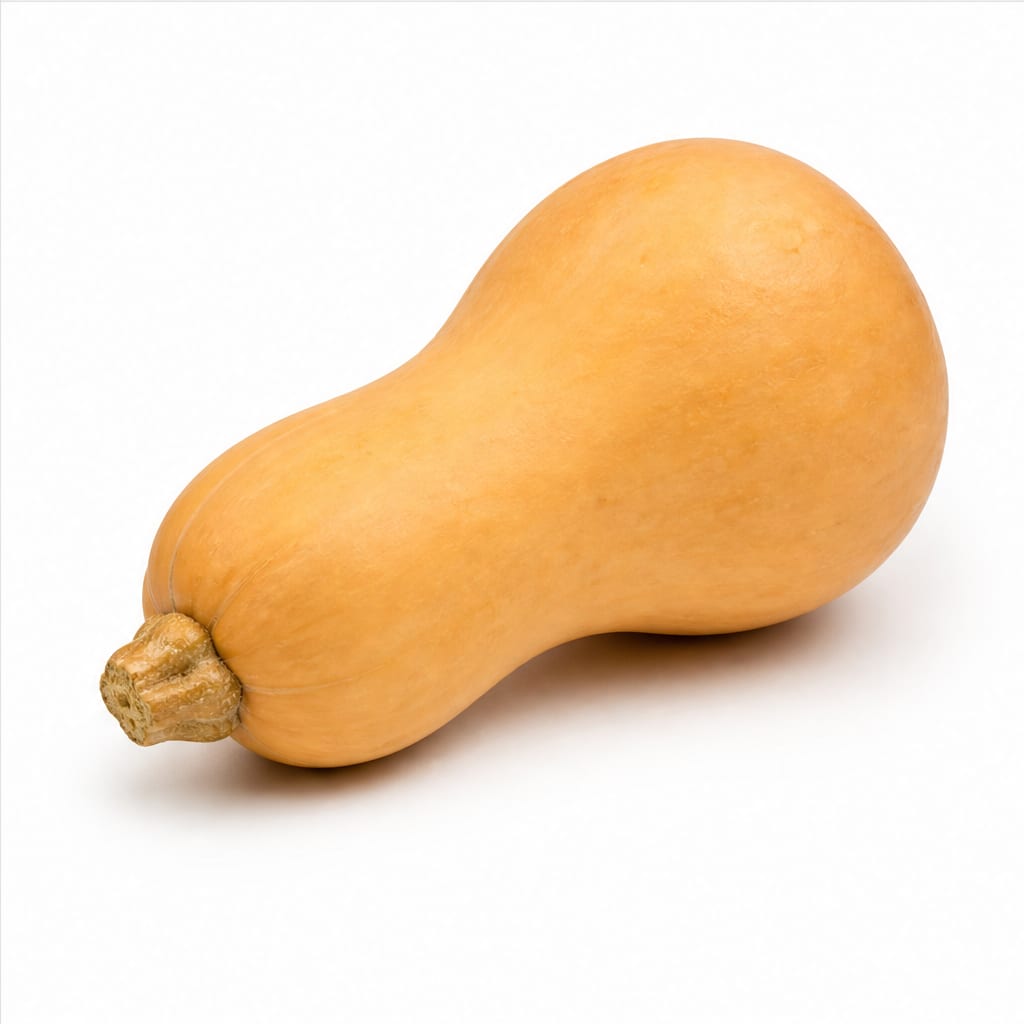
Butternut Squash
Butternut squash delivers far more vitamin A and steadier energy, while corn offers more protein and a satisfying crunch.
Butternut squash scores higher due to its exceptional vitamin A content and gentler impact on blood sugar, though corn remains a solid, protein-rich whole grain option.
Higher vitamin A and lower blood sugar impact versus more protein and quicker prep time.
At a glance
Executive summary
Overall
Butternut Squash
Healthier
Butternut Squash
More practical
Corn
Daily use
Butternut Squash
Key comparison lenses
Blood sugar impact and carb quality
Both are starchy carbs, but their glycemic loads differ significantly, affecting energy and cravings.
Micronutrient density
Butternut squash is a vitamin A powerhouse, while corn offers different B-vitamins and minerals.
Preparation convenience
Corn is quick to prepare, whereas butternut squash requires peeling and longer cook times.
GMO and pesticide exposure
Corn is heavily genetically modified and sprayed, raising safety concerns for some consumers.
Best choice for
Corn
- Quick weeknight sides
- Grilling and outdoor meals
- Adding bulk and crunch to salads
Butternut Squash
- Boosting immunity and skin health
- Managing blood sugar spikes
- Comforting, filling winter meals
Least suitable for
Corn
- Strict low-carb or keto diets
- People managing severe insulin resistance
Butternut Squash
- Those needing high protein intake
- Quick 10-minute meal prep
Deep comparison
Dimension by dimension
Each lens scores both foods and breaks down who each option suits.
- Dimension 1 · Priority 92Butternut Squash
Blood Sugar & Energy Stability
Corn · 65Butternut Squash · 85Butternut squash has a lower glycemic index, providing steadier energy without the crash corn can cause.
Tradeoff
You trade the quick energy burst of corn for longer-lasting, stable fuel from squash.
Why it matters
Preventing blood sugar spikes reduces fatigue and cravings later in the day.
Real-world impact
Eating butternut squash instead of corn with dinner makes late-night snacking less likely.
Corn
- Pre-workout quick carb fuel
Better for
- Insulin-resistant individuals
- Late-night meals
Worse for
Butternut Squash
- Avoiding the afternoon energy crash
- Steady energy for long workdays
Better for
- Immediate post-workout glycogen replenishment
Worse for
- Dimension 2 · Priority 88Butternut Squash
Micronutrient Density
Corn · 60Butternut Squash · 95Butternut squash is a vitamin A powerhouse, far outpacing corn in antioxidants for skin and immunity.
Tradeoff
Corn offers more B vitamins, but squash delivers unmatched beta-carotene.
Why it matters
Vitamin A is critical for immune defense, eye health, and skin repair.
Real-world impact
Regularly choosing butternut squash can visibly improve skin clarity and reduce sick days.
Corn
- B-vitamin support for energy metabolism
Better for
- Those needing high antioxidant intake
Worse for
Butternut Squash
- Immune system support during cold season
- Eye health maintenance
Better for
- People watching total beta-carotene intake
Worse for
- Dimension 3 · Priority 80Corn
Satiety & Protein Content
Corn · 80Butternut Squash · 70Corn surprisingly packs more protein per serving, making it slightly more filling in smaller amounts.
Tradeoff
More protein in corn versus more filling fiber volume in squash.
Why it matters
Protein is key to feeling satisfied and maintaining muscle.
Real-world impact
A corn-based side dish might keep you full slightly longer than squash alone, requiring less added protein.
Corn
- Vegetarians needing plant protein
- Light but filling lunches
Better for
- Those who overeat starchy carbs easily
Worse for
Butternut Squash
- Large volume eaters who want low calories
Better for
- People needing higher protein density per bite
Worse for
- Dimension 4 · Priority 75Corn
Convenience & Preparation
Corn · 90Butternut Squash · 65Corn is ready in minutes, while butternut squash requires peeling, seeding, and longer cooking.
Tradeoff
Convenience and speed versus nutrient payoff.
Why it matters
Difficult prep often deters people from eating healthier options on busy nights.
Real-world impact
You are more likely to grab corn on a Tuesday night because squash takes 40 minutes to roast.
Corn
- Busy weeknight dinners
- Meal prep in a rush
Better for
- Those who want a slow-cooked, aromatic meal
Worse for
Butternut Squash
- Weekend meal prep
- Slow-cooked comfort meals
Better for
- Last-minute side dish needs
Worse for
Timeline
Health impact over time
Short-term
Hours to days
Corn
- Quick energy boost from faster-digesting carbs
- Immediate fullness from protein and fiber
Butternut Squash
- Steady, calm energy without a sugar rush
- Gentle on the digestive system
Long-term
Months to years
Corn
- Potential blood sugar dysregulation if eaten in large portions
- Consistent B-vitamin intake for energy
Butternut Squash
- Enhanced immune resilience from high vitamin A
- Better long-term blood sugar control and eye health
Risk profile
Safety & processing
Both are whole foods in their natural state, though canned or frozen versions may have added sodium or sugars.
Corn
GMO and Pesticide Exposure
mediumMost conventional corn is genetically modified and heavily sprayed; choosing organic mitigates this.
Butternut Squash
Pesticide Residue
lowSquash is generally lower on the pesticide risk scale, though peeling removes most surface residue.
Who wins for whom
Audience fit
Same foods, different winners depending on your goal.
children
It dependsKids often love the sweetness of butternut squash, but corn on the cob is a fun, classic staple.
daily consumption
Butternut SquashThe nutrient density and blood sugar stability of butternut squash make it a better everyday staple.
diabetes
Butternut SquashThe lower glycemic index and high fiber in butternut squash make it much safer for blood sugar management.
elderly
Butternut SquashButternut squash is softer to chew, easier to digest, and provides crucial vitamin A for aging immune systems.
muscle gain
CornCorn has slightly more protein and faster-digesting carbs useful for fueling workouts.
weight loss
Butternut SquashButternut squash allows larger portions for fewer calories and keeps blood sugar stable, curbing cravings.
Your move
Decision guide
Choose Corn
- You need a quick-cooking side dish for a busy night
- You want a pre-workout carb source that digests easily
- You are grilling and want a classic summer vegetable
Choose Butternut Squash
- You want to boost your immune system and skin health
- You are managing blood sugar or insulin resistance
- You crave a comforting, filling meal without the carb crash
Either works if
- You just need a healthy carb source to round out a lean protein
- You are meal-prepping roasted vegetables for the week
Avoid both if
- You are on a strict ketogenic or very low-carb diet
- You have a specific grain or starch sensitivity
Final recommendation
Choose butternut squash for everyday nutrition and blood sugar balance, but keep corn on hand for quick meals and active days when you need faster energy.
Practical
Consumer tips
- 1
Buy pre-cubed butternut squash to skip the difficult peeling step on busy days
- 2
Opt for organic corn to avoid GMOs and pesticide exposure, as conventional corn is heavily sprayed
- 3
Roast butternut squash with cinnamon to enhance its natural sweetness without adding sugar
- 4
Use corn as a quick salad topper for crunch instead of as a heavy base