
Nutrition comparison
Corn vs Edamame: Nutrition, Protein, and Health Comparison
Comparing corn and edamame? Discover which is better for protein, blood sugar, and weight loss, plus the key nutritional tradeoffs between these popular plant foods.
Overall winner · Edamame
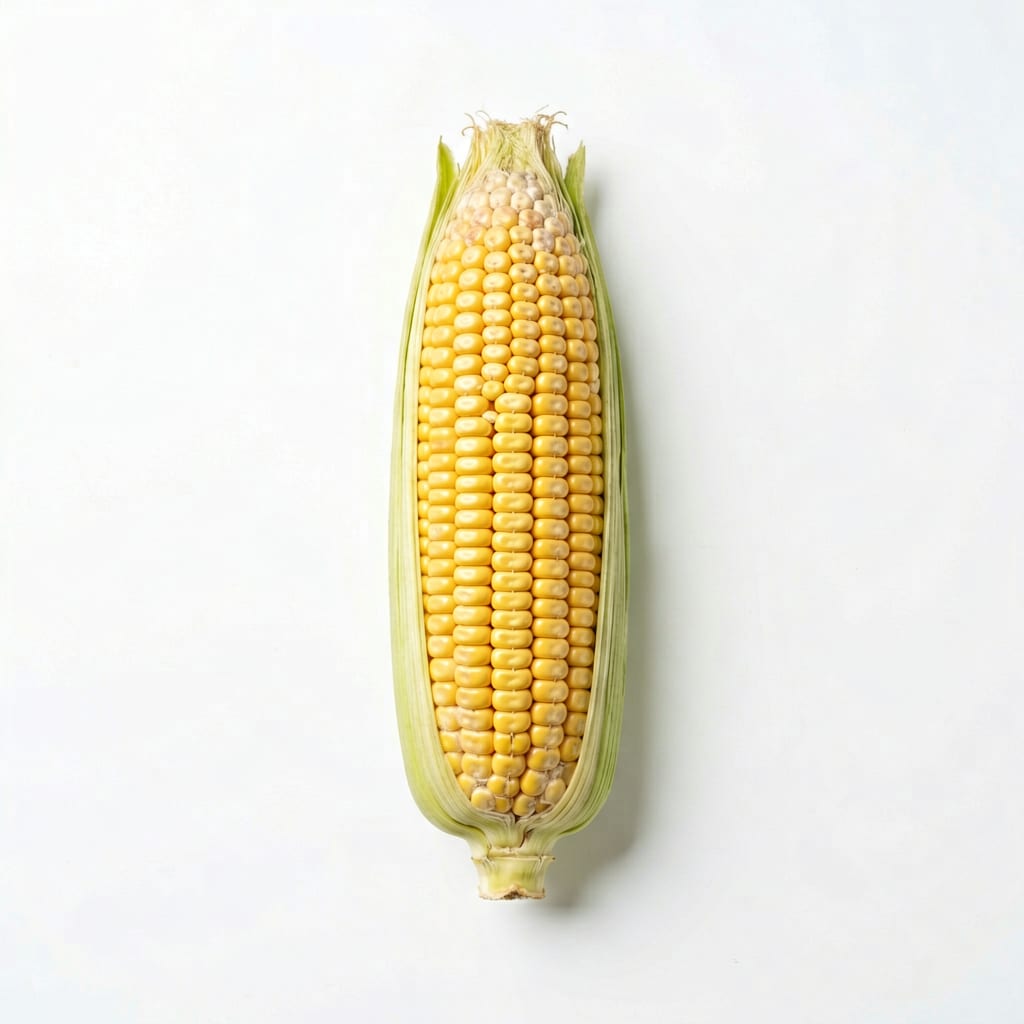
Corn
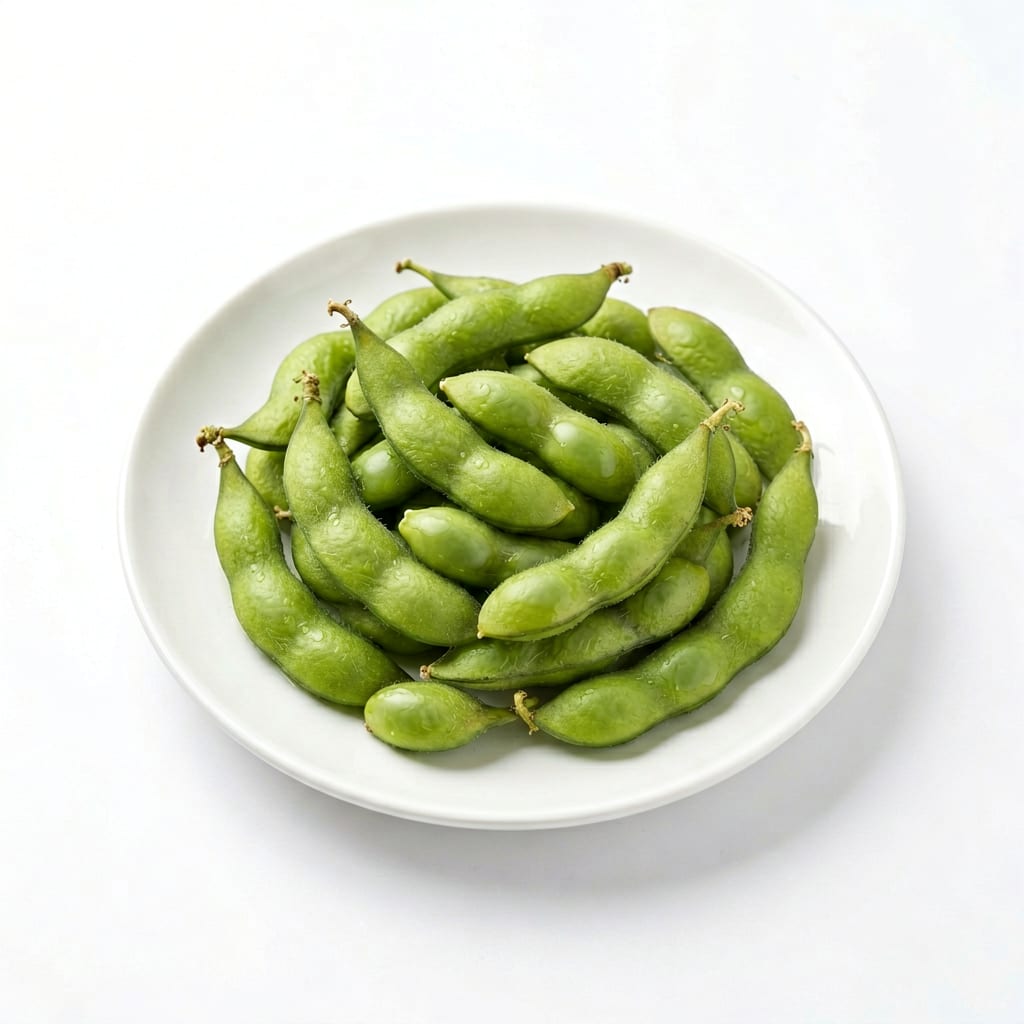
Edamame
Edamame dominates as a high-protein, blood-sugar-friendly powerhouse, while corn serves better as an energy-boosting starchy carb.
Edamame scores significantly higher due to its superior protein content, healthy fats, and blood sugar stability. Corn remains a decent energy source but lacks the nutritional density of edamame.
You trade quick, comforting energy from corn for long-lasting fullness and protein from edamame.
At a glance
Executive summary
Overall
Edamame
Healthier
Edamame
More practical
Corn
Daily use
Edamame
Key comparison lenses
Plant-based protein vs starchy carbohydrate comparison
Edamame is a high-protein legume while corn is primarily a starchy grain, making protein the biggest differentiator.
Blood sugar and satiety impact
Users often want to know which food will keep them full longer without causing an energy crash.
GMO and pesticide exposure concerns
Corn is heavily genetically modified in the US, while edamame is typically non-GMO, raising safety questions for consumers.
Best choice for
Corn
- Pre-workout quick energy
- Budget-friendly meal bulk
- Comfort food cravings
Edamame
- Plant-based protein needs
- Weight management
- Steady afternoon energy
Least suitable for
Corn
- Low-carb or keto diets
- Blood sugar management
- High-protein meal prep
Edamame
- Strict low-fat diets
- Those with severe soy allergies
- Quick carb-loading needs
Deep comparison
Dimension by dimension
Each lens scores both foods and breaks down who each option suits.
- Dimension 1 · Priority 95Edamame
Protein & Satiety
Corn · 20Edamame · 95Edamame delivers a massive protein punch that keeps you full, while corn offers mostly starch with minimal protein.
Tradeoff
Choosing corn means relying on other foods to hit your protein targets, whereas edamame practically handles it on its own.
Why it matters
Protein is essential for staying full between meals and maintaining muscle, making edamame far more satisfying.
Real-world impact
A bowl of edamame will easily tide you over until your next meal, but a corn cob might leave you hunting for a snack an hour later.
Corn
- Post-run carb replenishment
Better for
- Staying full on a calorie deficit
Worse for
Edamame
- Satisfying afternoon snack
- Vegan muscle maintenance
Better for
- Quick digestion before intense cardio
Worse for
- Dimension 2 · Priority 90Edamame
Blood Sugar & Carbohydrate Quality
Corn · 45Edamame · 88Corn spikes blood sugar faster due to its high starch content, while edamame's fiber and protein provide a slow, steady energy release.
Tradeoff
Corn gives you a quicker burst of energy, but edamame prevents the afternoon crash that follows a carb-heavy meal.
Why it matters
Avoiding blood sugar spikes helps control cravings and sustains focus throughout the day.
Real-world impact
Eating corn on its own can lead to a sugar crash and sudden fatigue; edamame keeps your energy humming along smoothly.
Corn
- Quick morning energy boost
Better for
- Fasting blood sugar control
Worse for
Edamame
- Preventing the 3 PM energy slump
- Managing insulin resistance
Better for
- Acute hypoglycemia recovery
Worse for
- Dimension 3 · Priority 80Edamame
Healthy Fats & Anti-Inflammatory Potential
Corn · 15Edamame · 85Edamame contains beneficial polyunsaturated fats, including omega-3s, whereas corn is virtually fat-free.
Tradeoff
You miss out on essential fats with corn, while edamame supports heart and brain health naturally.
Why it matters
Healthy fats are vital for hormone production and reducing inflammation, areas where edamame naturally excels.
Real-world impact
Regularly choosing edamame over starchy sides supports long-term heart health and smoother skin.
Corn
- Extremely low-fat diet requirements
Better for
- Absorbing fat-soluble vitamins
Worse for
Edamame
- Heart-healthy eating patterns
- Reducing systemic inflammation
Better for
- Strict fat-restricted medical diets
Worse for
- Dimension 4 · Priority 70Corn
Versatility & Convenience
Corn · 88Edamame · 72Corn is incredibly versatile as a grain, flour, or side dish, fitting seamlessly into countless recipes, while edamame is mostly a snack or salad addition.
Tradeoff
Corn adapts to almost any meal format, whereas edamame is usually eaten as-is or lightly seasoned.
Why it matters
Practicality matters for long-term diet adherence, and corn's flexibility makes it an easy staple.
Real-world impact
You can throw corn into soups, salsas, and baking, but edamame is mostly limited to bowls and snacking.
Corn
- Family-friendly side dishes
- Meal prepping in bulk
Better for
- Eating raw on the go
Worse for
Edamame
- No-cook protein snacking
Better for
- Baking and complex recipes
Worse for
Timeline
Health impact over time
Short-term
Hours to days
Corn
- Provides quick carbohydrate energy for active moments
- Can cause a blood sugar spike followed by a mild crash if eaten alone
Edamame
- Delivers immediate satiety, turning off hunger signals quickly
- Stabilizes blood sugar shortly after eating
Long-term
Months to years
Corn
- Over-reliance may contribute to metabolic strain if not balanced with protein
- Provides helpful dietary fiber for digestive regularity
Edamame
- Supports muscle preservation and healthy aging due to complete protein
- Soy isoflavones may support heart health and bone density
Risk profile
Safety & processing
Both foods are whole, minimally processed options when bought fresh or frozen, though corn products are often heavily processed elsewhere into oils and syrups.
Corn
GMO exposure
mediumMost field corn in the US is genetically modified; choosing organic sweet corn avoids this concern.
Mycotoxin contamination
lowImproperly stored corn can develop fungal toxins, though commercial screening is strict.
Edamame
Soy allergy
highSoy is a top 9 allergen; edamame is strictly off-limits for those with soy allergies.
Phytoestrogen sensitivity
lowSoy contains isoflavones that mimic estrogen, but moderate intake is perfectly safe for most people.
Who wins for whom
Audience fit
Same foods, different winners depending on your goal.
children
CornCorn is sweeter, easier to chew, and generally more accepted by picky eaters, though edamame is great if they like it.
daily consumption
EdamameEdamame offers more daily nutritional value with its protein and healthy fats, whereas daily corn can crowd out more nutrient-dense carbs.
diabetes
EdamameEdamame has a much lower glycemic index and won't cause the blood sugar spikes associated with corn.
elderly
EdamameEdamame helps prevent age-related muscle loss and provides bone-supporting nutrients without spiking blood sugar.
muscle gain
EdamameEdamame provides a complete plant protein profile essential for muscle repair and growth.
weight loss
EdamameEdamame's high protein and fiber keep calories low while maximizing fullness, preventing overeating.
Your move
Decision guide
Choose Corn
- You need quick carbohydrate fuel before a workout
- You are cooking for picky eaters who avoid soy
- You want a budget-friendly bulk ingredient for meals
Choose Edamame
- You need a filling, high-protein afternoon snack
- You are eating plant-based and need complete protein
- You want to avoid blood sugar crashes at work
Either works if
- You are building a balanced grain and legume bowl
- You want a plant-based side dish for dinner
Avoid both if
- You are on a strict keto or very low-carb diet
Final recommendation
Make edamame your go-to for snacking and daily protein, and save corn for when you need comforting carbs or an energy boost.
Practical
Consumer tips
- 1
Buy frozen edamame in the pod for the best texture and easy portion control.
- 2
Choose organic corn to easily avoid GMOs and pesticide residues.
- 3
Pair corn with a protein source like black beans to balance the blood sugar impact.
- 4
Steam edamame lightly and finish with sea salt for a satisfying, quick snack.