
Nutrition comparison
Corn vs Peas: Which Is Healthier for Blood Sugar, Protein, and Daily Nutrition?
Compare corn and peas on protein, blood sugar impact, GMO concerns, and nutrient density. Discover which side dish better fits your health goals and when each one wins.
Overall winner · Peas
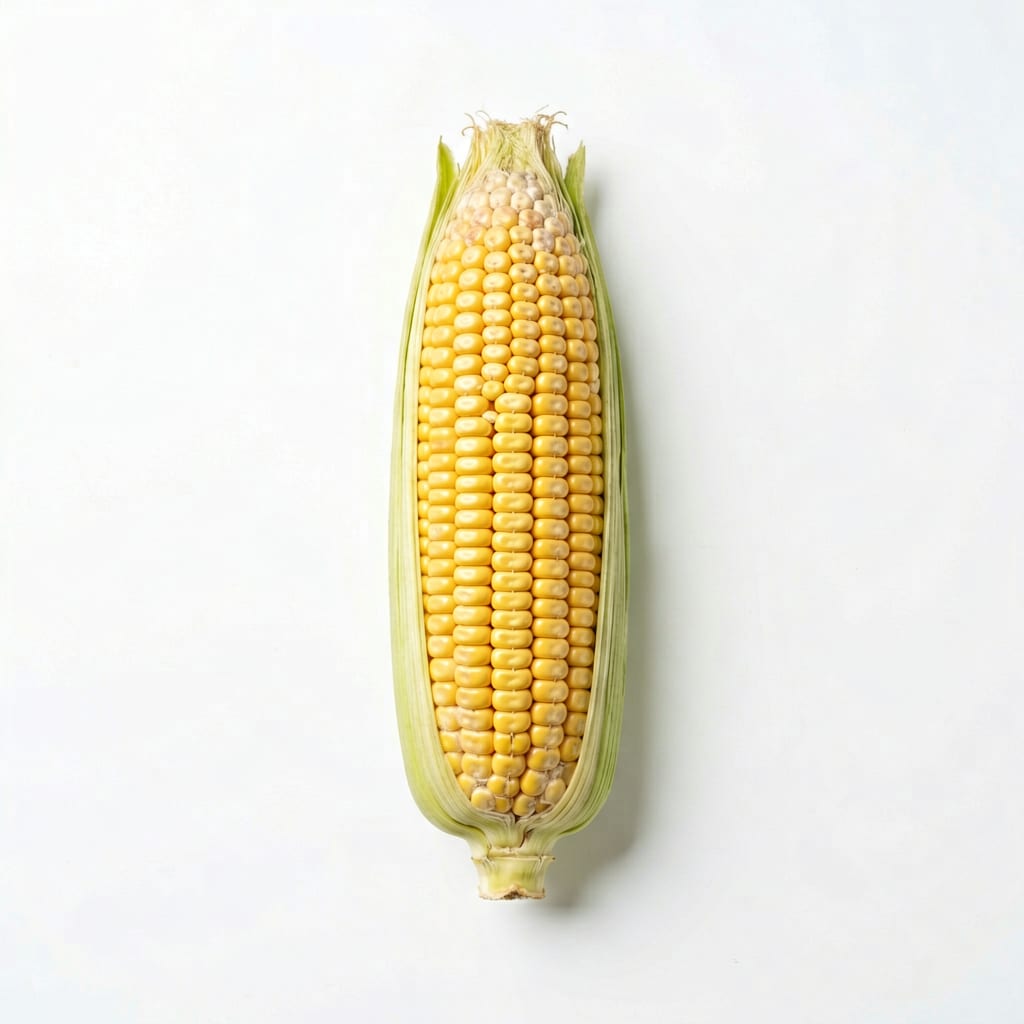
Corn
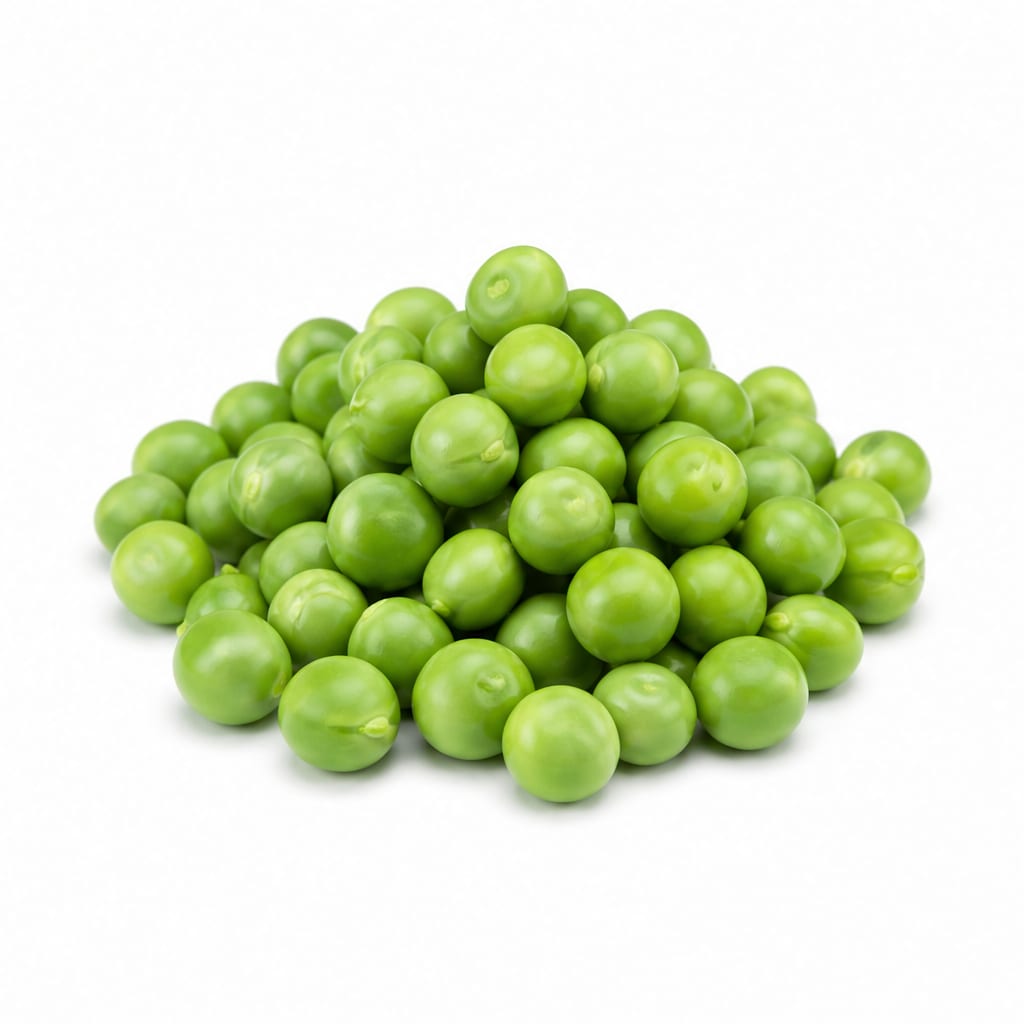
Peas
Peas edge out corn thanks to higher protein, steadier blood sugar impact, and richer micronutrients, though corn offers quicker energy and unique eye-health benefits.
Peas score noticeably higher due to superior protein, fiber, micronutrient breadth, and gentler blood sugar impact. Corn remains valuable for energy and eye health but carries a higher glycemic load and less nutritional density per calorie.
Corn gives you faster energy and comfort-food satisfaction; peas give you longer-lasting fullness and better nutritional balance per calorie.
At a glance
Executive summary
Overall
Peas
Healthier
Peas
More practical
It depends
Daily use
Peas
Key comparison lenses
blood sugar and carb quality
Corn is notably higher in sugar and faster-digesting carbs, while peas offer slower-releasing energy with more protein and fiber to buffer glucose spikes.
protein and satiety comparison
Peas deliver significantly more protein per calorie, making them far more filling and useful for appetite control compared to corn.
GMO and pesticide concerns
Corn is one of the most commonly GMO crops globally, raising consumer concerns that peas largely avoid.
micronutrient density
Peas offer broader vitamin and mineral coverage, especially folate, vitamin K, and vitamin C, while corn shines mainly in lutein for eye health.
digestive tolerance
Corn passes through digestion partially intact for many people, while peas can cause bloating in sensitive individuals due to oligosaccharides.
Best choice for
Corn
- People needing quick pre-workout energy
- Those wanting eye-health supporting carotenoids
- Anyone seeking a comforting, naturally sweet side dish
- Picky eaters who find peas unappealing
Peas
- People managing blood sugar or diabetes
- Anyone prioritizing protein from plant sources
- Those seeking better satiety per calorie
- Vegetarians and vegans needing nutrient density
Least suitable for
Corn
- People strictly limiting carbs or sugar
- Those avoiding GMO foods unless organic
- Anyone needing high protein intake from sides
Peas
- People prone to bloating or gas from legumes
- Those on very low-fiber diets for digestive rest
- Anyone who finds pea texture unpalatable and would skip vegetables entirely
Deep comparison
Dimension by dimension
Each lens scores both foods and breaks down who each option suits.
- Dimension 1 · Priority 92Peas
blood sugar stability
Corn · 45Peas · 78Peas digest more slowly thanks to higher protein and fiber, giving you steadier energy without the crash corn can trigger.
Tradeoff
Corn tastes sweeter and delivers faster energy, but that same quick digestion can leave you hungry again sooner.
Why it matters
If you have ever felt sleepy an hour after a corn-heavy meal, that post-meal crash is the glycemic spike at work.
Real-world impact
A peas-based side keeps you satisfied through the afternoon; corn may have you reaching for a snack by 3pm.
Corn
- Pre-workout fuel when you need carbs fast
- Recovering from intense exercise when quick glycogen refill matters
Better for
- Sitting at a desk all day with minimal activity
- Late-night eating when blood sugar should stay stable
Worse for
Peas
- Managing prediabetes or diabetes
- Avoiding afternoon energy crashes
- Staying full between meals without snacking
Better for
- Right before high-intensity exercise when you need immediate fuel
Worse for
- Dimension 2 · Priority 88Peas
protein and satiety
Corn · 30Peas · 80Peas pack roughly four times the protein of corn per serving, making them genuinely filling rather than just calorically satisfying.
Tradeoff
Corn is more calorie-dense and comforting but less likely to keep hunger at bay for long.
Why it matters
Protein is the main driver of fullness. Without it, you are eating volume without lasting satisfaction.
Real-world impact
A cup of peas with dinner helps you skip the late-night fridge raid; the same amount of corn might not.
Corn
- Days when you already hit protein targets from other sources
Better for
- Meals where the side dish is your main protein hope
- Eating patterns that already struggle with hunger between meals
Worse for
Peas
- Plant-based eaters counting on sides for protein
- Anyone trying to eat less overall by staying fuller longer
- Weight management where calorie-to-satiety ratio matters
Better for
- Those who find high-protein sides too heavy before exercise
Worse for
- Dimension 3 · Priority 75Peas
micronutrient density
Corn · 50Peas · 82Peas cover more nutritional ground with folate, vitamin K, vitamin C, iron, and manganese, while corn mainly contributes lutein and some B vitamins.
Tradeoff
Corn offers unique eye-health carotenoids that peas cannot match, but peas deliver a broader daily nutrient insurance package.
Why it matters
Eating should not just fill you up; it should quietly top off your nutrient stores without needing supplements.
Real-world impact
Regular pea consumption helps cover folate and vitamin K needs almost effortlessly; corn is more of a one-trick contributor.
Corn
- Eye health support, especially for screen-heavy lifestyles
- Getting lutein and zeaxanthin which are hard to find in other common sides
Better for
- Relying on it as a primary vegetable for nutrient breadth
Worse for
Peas
- Pregnancy or preconception when folate matters most
- Bone health support through vitamin K
- Immune support from vitamin C
Better for
- Specifically targeting lutein for macular health
Worse for
- Dimension 4 · Priority 80Peas
GMO and pesticide exposure
Corn · 35Peas · 80Most conventional corn is GMO, while peas are rarely genetically modified, giving peas a clear advantage for cautious consumers.
Tradeoff
Organic corn eliminates the GMO concern but costs more and is less widely available than conventional peas.
Why it matters
For people who prefer avoiding GMOs without paying premium prices, peas are the easier default choice.
Real-world impact
Grabbing frozen peas at any grocery store is worry-free; corn requires checking labels or paying extra for organic.
Corn
- When you specifically buy organic corn and budget allows
Better for
- Conventional corn is among the highest GMO crop rates globally
- Pesticide residue concerns are more common on conventionally grown corn
Worse for
Peas
- Budget-conscious shoppers avoiding GMO without premium pricing
- Anyone who wants peace of mind without label-reading
Better for
- Minimal concern; peas are rarely GMO and typically low in pesticide residue
Worse for
- Dimension 5 · Priority 65It depends
digestive tolerance
Corn · 55Peas · 55Both can cause digestive issues but in different ways: corn often passes through partially undigested, while peas can trigger gas and bloating.
Tradeoff
Corn is gentler on gas production but harder to fully digest; peas digest more completely but may cause discomfort in sensitive guts.
Why it matters
A healthy food that makes you bloated or uncomfortable is not truly healthy for you personally.
Real-world impact
After corn you might notice it in the bathroom unchanged; after peas you might notice it in your waistband first.
Corn
- People with IBS who are sensitive to fermentable fibers
- Those who tolerate low-FODMAP foods better
Better for
- Those with compromised digestion who need nutrient absorption efficiency
Worse for
Peas
- People with strong digestion who handle legumes well
- Anyone benefiting from the prebiotic fiber peas provide for gut bacteria
Better for
- People with significant legume intolerance or FODMAP sensitivity
Worse for
- Dimension 6 · Priority 60It depends
versatility and enjoyment
Corn · 72Peas · 65Corn is universally loved, naturally sweet, and easy to enjoy plain; peas are more polarizing but versatile in soups, stir-fries, and mixed dishes.
Tradeoff
Corn wins on pure eating pleasure and kid-friendliness; peas win on culinary flexibility for savory recipes.
Why it matters
The healthiest vegetable on paper does nothing if it sits untouched in your fridge.
Real-world impact
Corn on the cob disappears at barbecues; peas often get pushed to the side of the plate by picky eaters.
Corn
- Families with children who resist vegetables
- Summer grilling and casual entertaining
- Simple preparations with minimal effort
Better for
- Recipes where you want the side to contribute protein meaningfully
Worse for
Peas
- Cooking soups, stews, and grain bowls where peas blend in
- Adding protein to dishes without needing a separate protein source
Better for
- Situations where universal appeal matters, like feeding picky kids
Worse for
Timeline
Health impact over time
Short-term
Hours to days
Corn
- Noticeable blood sugar rise within 30-60 minutes of eating
- Quick but short-lasting energy boost
- Mild fullness that fades faster than protein-rich sides
Peas
- Gradual, sustained energy release over 2-3 hours
- More pronounced fullness due to protein and fiber combo
- Possible gas or bloating within hours if digestion is sensitive
Long-term
Months to years
Corn
- Regular high-glycemic consumption may contribute to insulin resistance over years
- Lutein intake supports long-term eye health and may reduce macular degeneration risk
- GMO corn consumption remains debated but current evidence suggests no proven harm
Peas
- Consistent intake supports cardiovascular health through fiber and folate
- Plant protein contribution helps maintain muscle mass alongside other protein sources
- Prebiotic fibers may improve gut microbiome diversity over months and years
Risk profile
Safety & processing
Both corn and peas are whole foods in their natural state. Canned versions of either may contain added sodium, but frozen and fresh options are essentially unprocessed. The main naturalness concern for corn is GMO status rather than additives.
Corn
GMO crop exposure
lowMost conventional corn is genetically modified. While current evidence does not show health harm, some consumers prefer avoiding GMOs as a precaution.
mycotoxin contamination
mediumCorn is susceptible to fungal toxins like aflatoxins, especially in warm humid storage. Proper sourcing and storage minimize this risk significantly.
pesticide residue
lowConventionally grown corn may carry pesticide residues, though typically within regulatory limits. Washing and choosing organic reduces exposure.
Peas
pesticide residue
lowPeas are on the Environmental Working Group's clean fifteen list, meaning they typically test low for pesticide residues even when conventionally grown.
canned sodium
mediumCanned peas often contain significant added sodium. Rinsing helps, but frozen or fresh peas avoid this issue entirely.
Who wins for whom
Audience fit
Same foods, different winners depending on your goal.
children
CornCorn's natural sweetness and fun eating format make it far more likely to be eaten willingly by kids, and any vegetable a child actually eats beats one they refuse.
daily consumption
PeasPeas offer broader daily nutritional coverage and steadier energy, making them a more reliable everyday staple for most health goals.
diabetes
PeasPeas have a lower glycemic impact and more protein to slow glucose absorption, making them significantly safer for blood sugar management.
elderly
PeasOlder adults benefit more from peas' higher folate, vitamin K for bone health, and easier-to-digest protein for maintaining muscle mass.
muscle gain
PeasNeither is a muscle-building powerhouse, but peas contribute meaningful plant protein that supports muscle maintenance alongside other protein sources.
weight loss
PeasPeas provide more protein and fiber per calorie, keeping you fuller on fewer calories and reducing the urge to snack between meals.
Your move
Decision guide
Choose Corn
- You need quick carbohydrate energy before or after exercise
- You want an eye-health boost from lutein and zeaxanthin
- You are feeding kids who reject most green vegetables
- You are grilling or entertaining and want universally appealing sides
- You buy organic and want a sweet, comforting whole food
Choose Peas
- You want steadier energy without blood sugar spikes
- You are trying to lose weight or control appetite
- You need more plant protein in your diet
- You are pregnant or trying to conceive and need folate
- You want maximum nutrient density per calorie
- You prefer avoiding GMO foods without paying organic premiums
Either works if
- You are building a balanced plate and either works as a carb source
- You rotate vegetables for variety and both fit your meal plan
- You are eating a mixed vegetable dish where both contribute
Avoid both if
- You are on a strict very-low-carb or ketogenic diet
- You have severe digestive intolerance to both
- You need a primary protein source rather than a side dish
Final recommendation
Make peas your default side dish for everyday meals and save corn for when you specifically want its sweetness, quick energy, or eye-health benefits. If blood sugar control or weight management matters to you, peas are the clearly smarter choice. If you are feeding a family with picky eaters, corn's universal appeal has real value — a vegetable eaten always beats a vegetable refused.
Practical
Consumer tips
- 1
Choose frozen peas over canned to avoid excess sodium while retaining nutrients
- 2
If buying corn, opt for organic if GMO avoidance matters to you; the price difference is usually modest
- 3
Pair corn with a protein source like beans or chicken to blunt its blood sugar impact
- 4
Add peas to grain bowls, soups, and stir-fries where they blend in and boost protein unnoticed
- 5
Try roasting both together with olive oil for a sweet and savory side that combines their strengths
- 6
Rinse canned peas or corn thoroughly to remove roughly 30-40% of added sodium
- 7
Fresh corn in season tastes dramatically better than out-of-season imports and may have higher antioxidant levels