
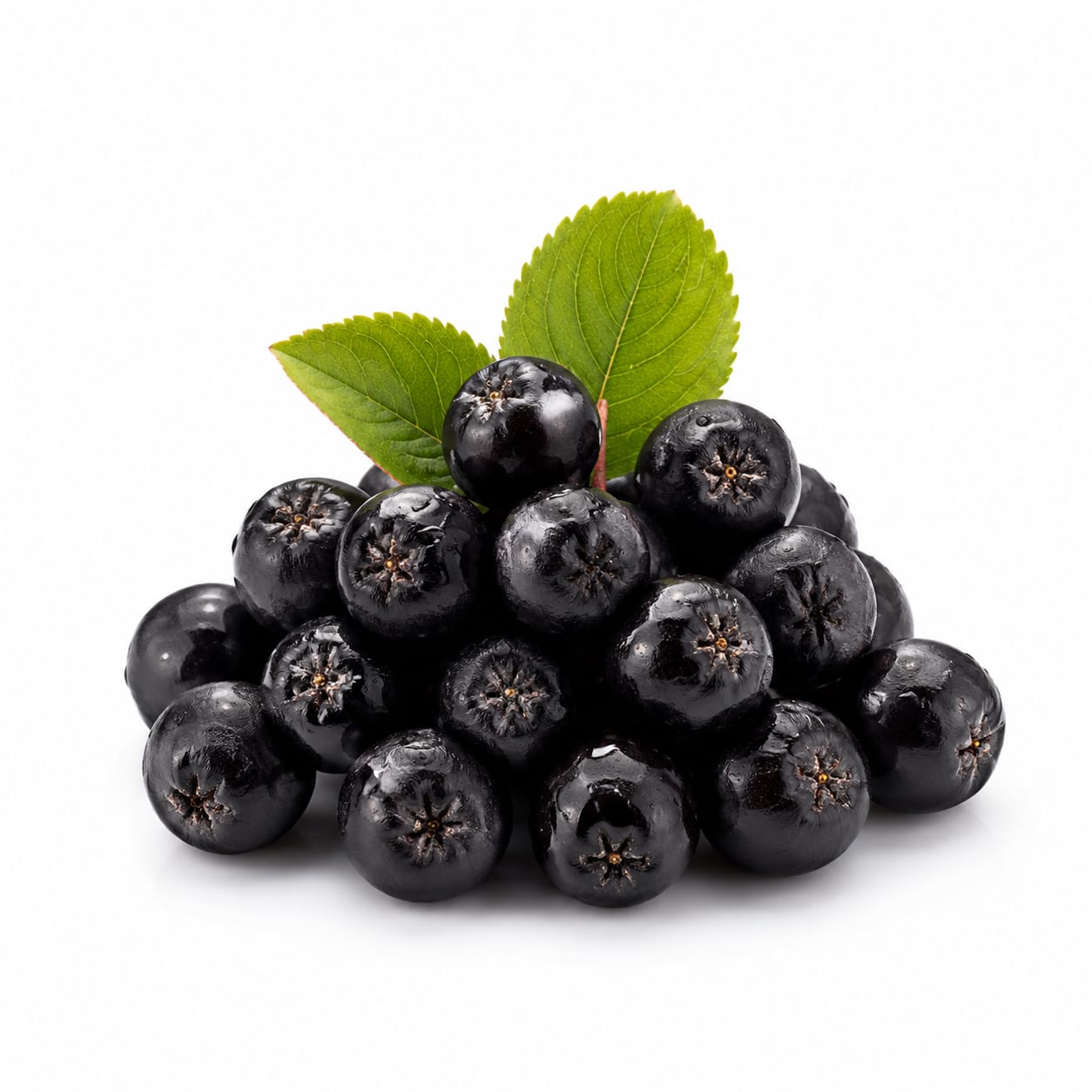
Berry
Chokeberry
A small, dark, highly astringent berry renowned for its exceptional antioxidant concentration.
Chokeberry, also known as Aronia berry, is a small, dark fruit renowned for its extremely high antioxidant content and intensely tart, astringent flavor that makes it difficult to eat raw in large quantities.
antioxidant-dense low-sugar berry
Typical serving · 100g
Common varieties · Viking, Nero, Aronia melanocarpa, Aronia arbutifolia
Overall context score across nutrition, safety, and diet fit
At a glance
Quick facts
Simple indicators based on nutrition, processing, and diet fit.
The story
What makes it unique
Chokeberries possess one of the highest recorded polyphenol concentrations of any fruit, driven primarily by anthocyanins and proanthocyanidins. Digestion is slow due to high fiber and tannin content, which blunts the glycemic response. The macronutrient profile is low in sugar and fat, with moderate fiber. Astringency limits raw consumption volume.
Varieties: Viking · Nero · Aronia melanocarpa · Aronia arbutifolia
Per 100g
Nutrition breakdown
Macro balance and key metrics at a glance.
Energy
Density 0.47 kcal/g
Protein
Carbs
Fat
Fiber
Sugar
3.5 g
Sodium
1 mg
Potassium
200 mg
Glycemic index
25
Glycemic load
3
Water content
80%
Standout compounds
Nutrient highlights
Anthocyanins
highPowerful antioxidants that reduce oxidative stress and inflammation
Fiber
highPromotes digestive regularity and slows carbohydrate absorption
Vitamin C
moderateSupports immune function and collagen synthesis
Manganese
moderateEssential for metabolism, bone formation, and antioxidant defense
Wellness map
Health scores & processing
NOVA processing scale
Minimally processed · Whole food
Raw chokeberries are unprocessed whole fruits. Commercially, they are often dried or juiced, which concentrates sugars and reduces fiber content.
Diet compatibility
- Weight loss
- Muscle gain
- Diabetes
- Gut health
- Low carb
- High protein
- Heart health
Relative standing
Food rankings
Qualitative ranks compared to similar whole foods.
- Satietygood
- Blood sugarexcellent
- Nutrient densityexcellent
- Fitness fuelmoderate
- Processing qualityexcellent
Eat with confidence
Food safety profile
Chokeberries are generally safe with low contamination risk. Their thick skin can retain agricultural chemicals, so washing is advised.
Evidence confidence 90%
- Pesticideslow
- Antibioticslow
- Heavy metalslow
- Contaminationlow
Watch for
- pesticide residues
Safer choices
Organic fresh or frozen aronia berries
Prep tips
Rinse thoroughly under running water to remove potential surface residues before consuming or processing.
None significant
Deep dive
Health analysis
How this food may fit different goals and preparation choices.
Weight loss
Low energy density and high fiber promote satiety, making it easier to manage calorie intake without hunger.
Blood sugar
Very low sugar content combined with high fiber results in a minimal glycemic impact, ideal for blood sugar control.
Fitness & energy
Not a primary energy source due to low carbohydrates, but potent antioxidants may aid exercise recovery by reducing oxidative stress.
Gut health
High fiber and polyphenols act as prebiotics, supporting beneficial gut bacteria and improving digestive regularity.
Processing quality
Raw berries are completely unprocessed; however, juices and powders often strip away fiber and concentrate sugars.
Food safety
Minimal safety risks; standard washing removes potential surface contaminants.
Common mistakes
Consuming raw berries in large amounts expecting a sweet treat, leading to an unpleasant astringent experience. Assuming aronia juice has the same fiber benefits as the whole fruit.
Best preparation
Blending into smoothies, baking into muffins, or making jams to balance astringency with other flavors and sweeteners.
Practical guide
Best use cases
When and how this food fits real eating patterns.
Antioxidant smoothie boost
Adding a handful to smoothies to massively increase polyphenol intake without adding much sugar.
Low-sugar jam making
Cooking with low-calorie sweeteners to create a nutrient-dense, blood-sugar-friendly spread.
Post-workout recovery
Consuming after intense exercise to leverage antioxidants for reducing oxidative stress and inflammation.
Balance sheet
Pros & cons
Upsides
- Exceptionally high in antioxidants
- Very low sugar and glycemic impact
- High fiber content supports gut health
- Supports cardiovascular health
- Naturally resistant to pests, often grown organically
Trade-offs
- Extremely astringent and tart when raw
- Difficult to eat in large quantities without sweetening
- Not a significant protein or fat source
- Fresh berries are hard to find in regular grocery stores
Fit check
Who is it for?
Great match
- antioxidant supplementation
- blood sugar management
- low-carb diets
- cardiovascular health
Consider alternatives
- quick pre-workout energy
- high-volume raw snacking
- strictly sweet-tooth palates
Side by side
How it compares
Open the full head-to-head analysis for nutrition, safety, and practical tradeoffs.
This food
Chokeberry
VS90% alike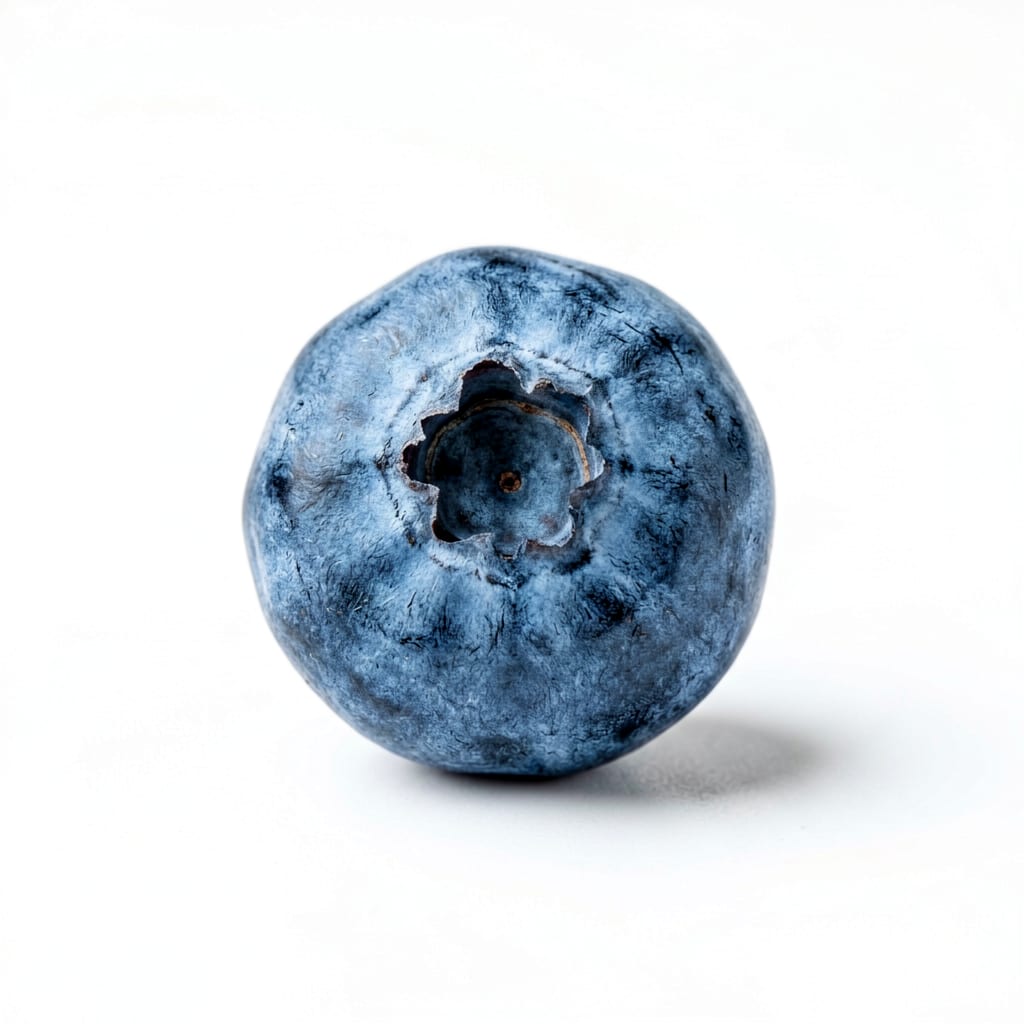
Compare with
Blueberry
Blueberries are sweeter and easier to eat raw, while chokeberries are far richer in antioxidants and lower in sugar.
Chokeberries provide significantly more antioxidants and less sugar than blueberries, but blueberries are much sweeter and better for raw snacking.
This food
Chokeberry
VS85% alike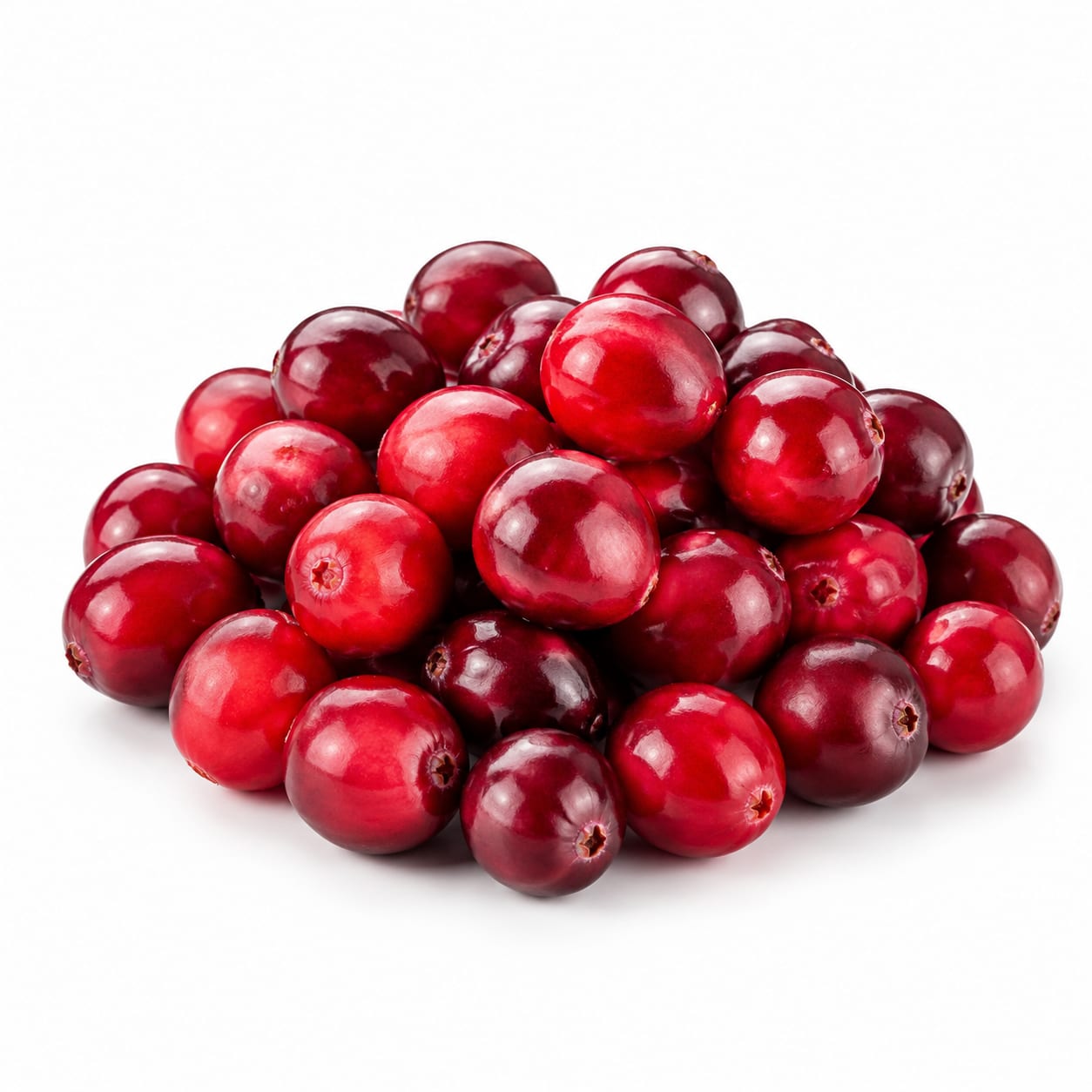
Compare with
Cranberry
Both are tart and low in sugar, but chokeberries are higher in antioxidants and less commonly associated with urinary tract benefits.
Chokeberries and cranberries are both low-sugar tart berries, but chokeberries offer higher overall antioxidants while cranberries target urinary health.
This food
Chokeberry
VS80% alike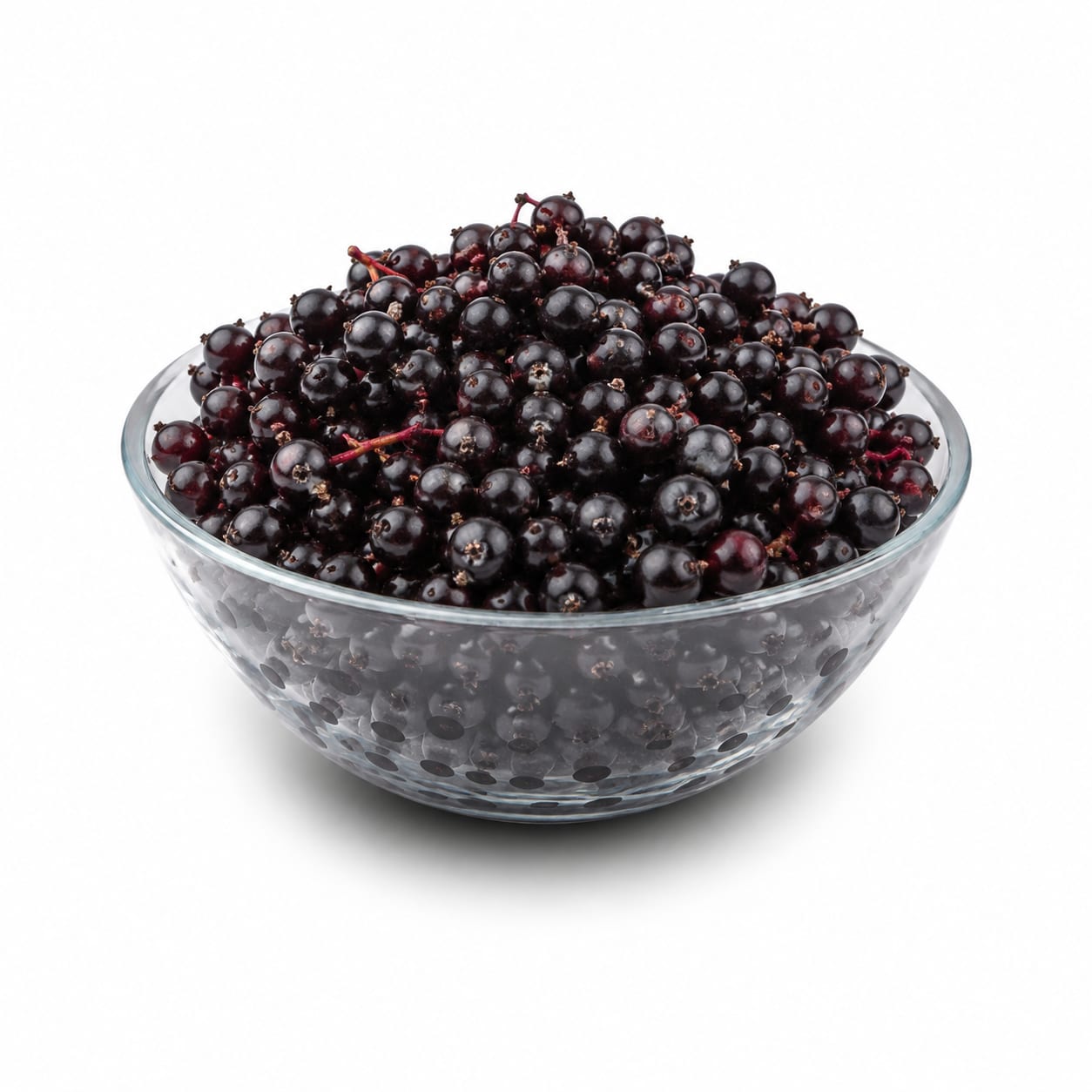
Compare with
Elderberry
Elderberries are famous for immune support and are rarely eaten raw, similar to chokeberries, but chokeberries have a broader antioxidant profile.
Chokeberries contain more fiber and antioxidants than elderberries, though both require cooking or processing to be palatable.
This food
Chokeberry
VS75% alike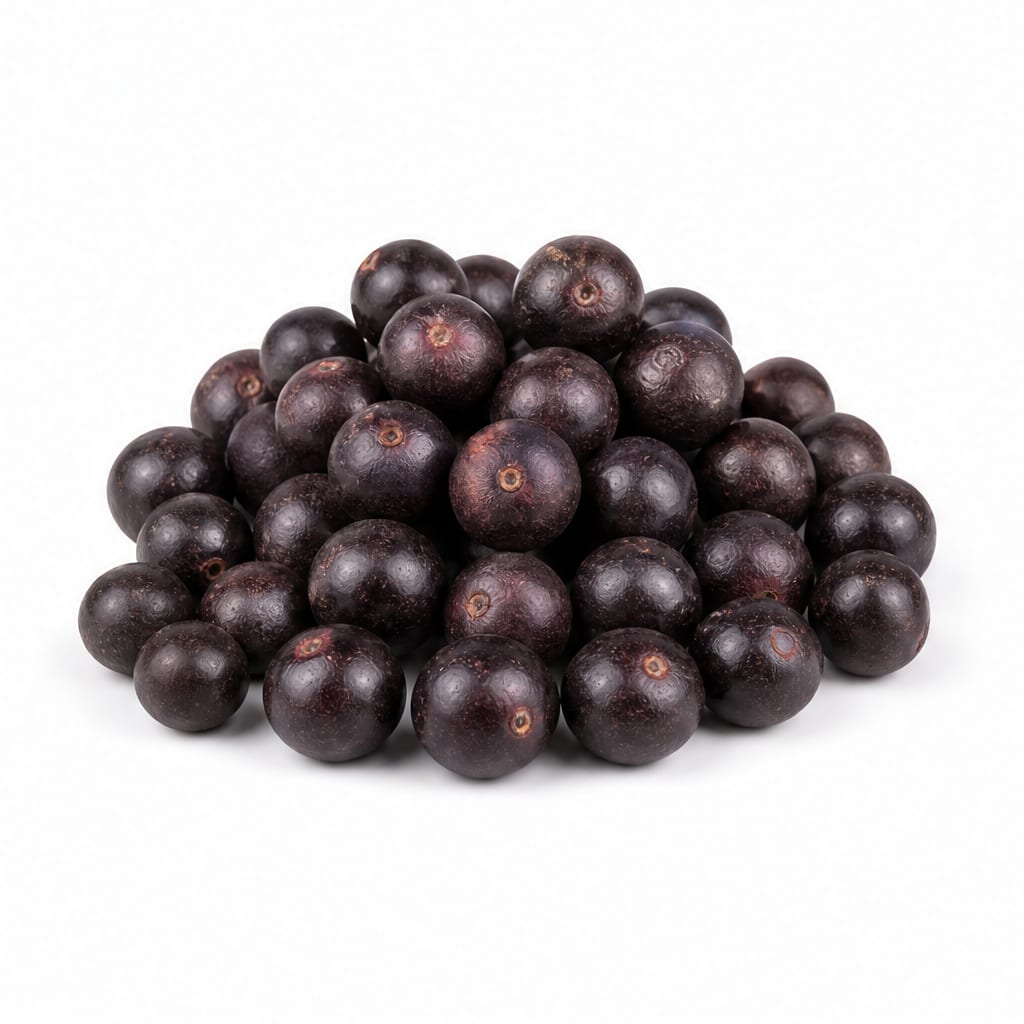
Compare with
Acai berry
Acai is higher in healthy fats and tastes richer, while chokeberry is lower in calories and higher in fiber.
Acai berries provide healthy fats and a creamy texture, whereas chokeberries are lower in calories and higher in fiber for blood sugar control.
This food
Chokeberry
VS85% alike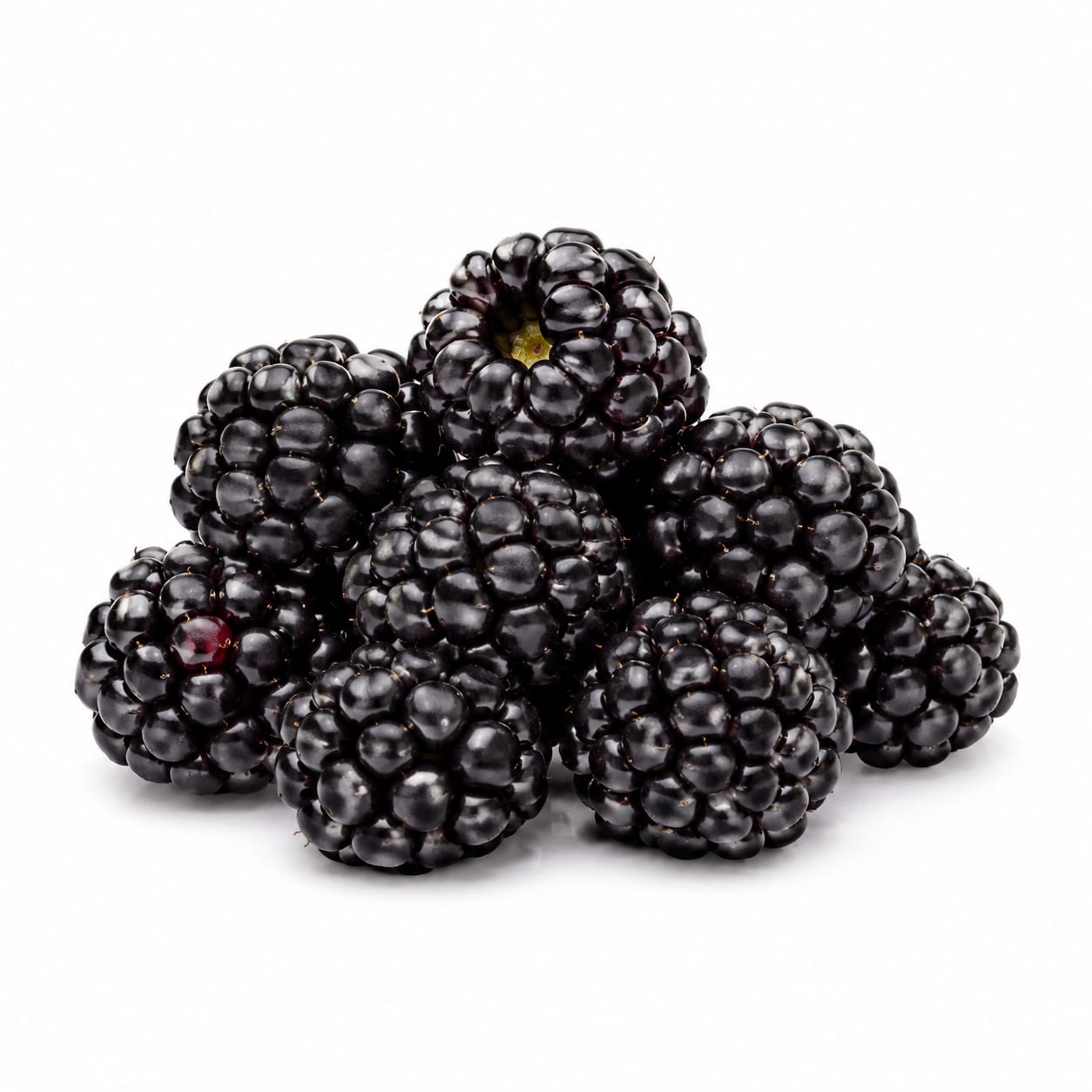
Compare with
Blackberry
Blackberries are sweeter and better for fresh eating, while chokeberries are denser in polyphenols but too tart for most people raw.
Blackberries are superior for fresh snacking due to their sweetness, but chokeberries offer a more concentrated dose of antioxidants and less sugar.
This food
Chokeberry
VS80% alike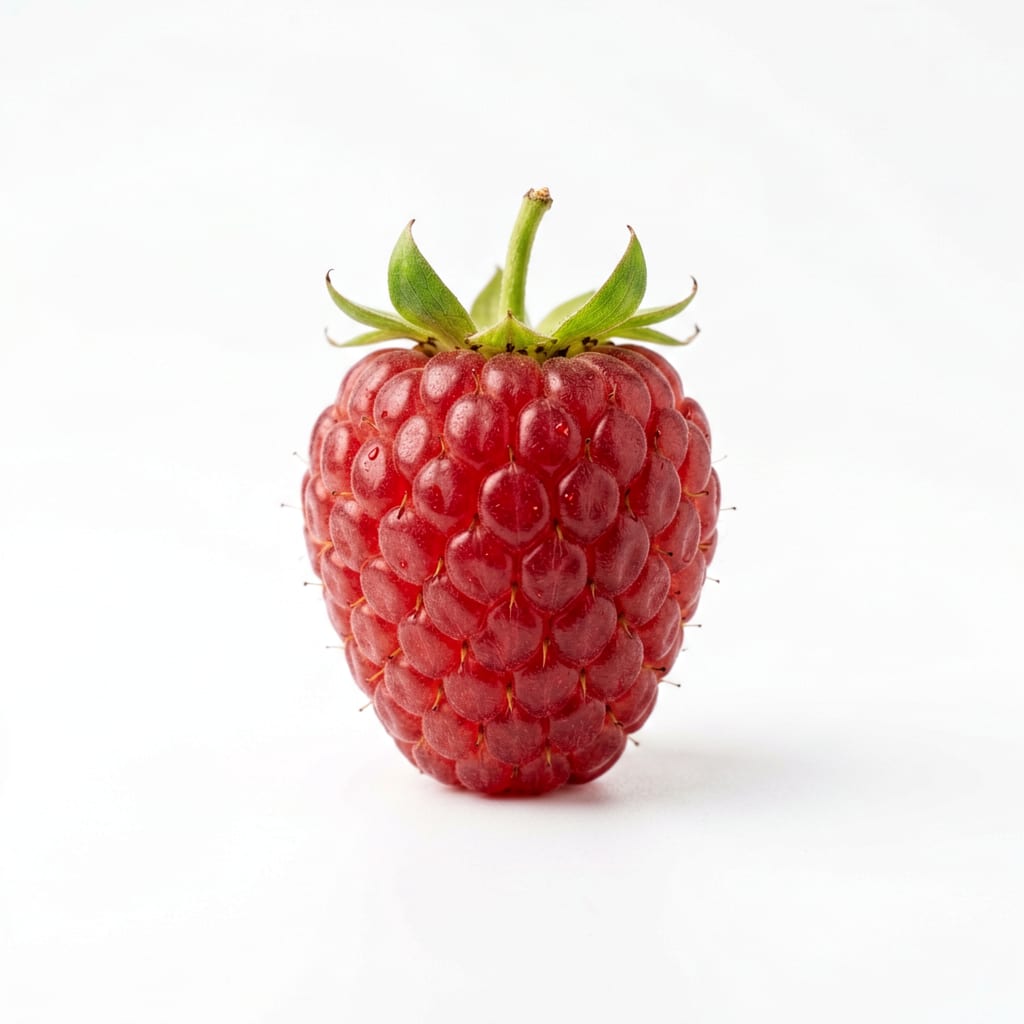
Compare with
Raspberry
Raspberries are highly palatable raw and very high in fiber, while chokeberries are tougher to eat raw but pack more antioxidants per gram.
Raspberries are easier to eat fresh with excellent fiber, while chokeberries deliver a stronger antioxidant punch for processed recipes.
This food
Chokeberry
VS70% alike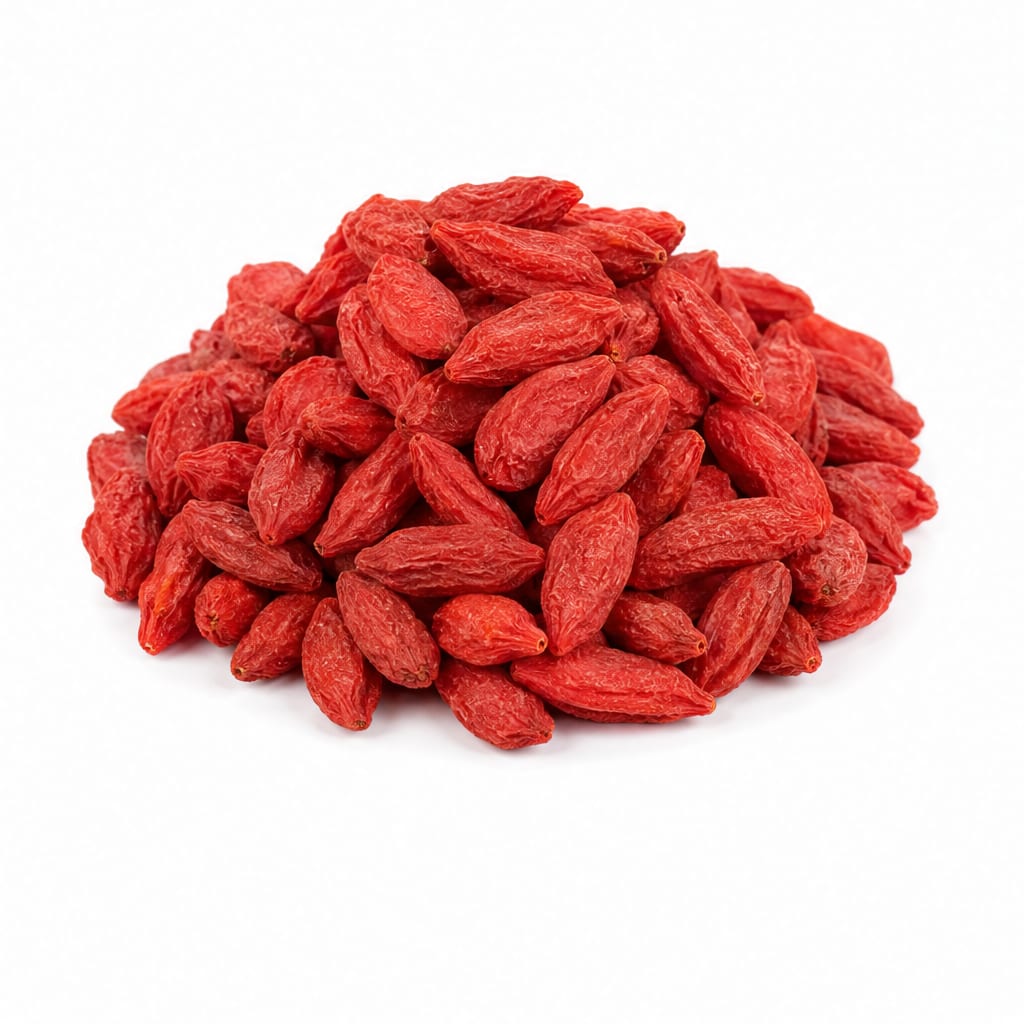
Compare with
Goji berry
Goji berries are sweeter and higher in vitamin A, while chokeberries are lower in sugar and higher in anthocyanins.
Chokeberries are lower in sugar and higher in certain antioxidants than goji berries, which are sweeter and higher in vitamin A.
This food
Chokeberry
VS75% alike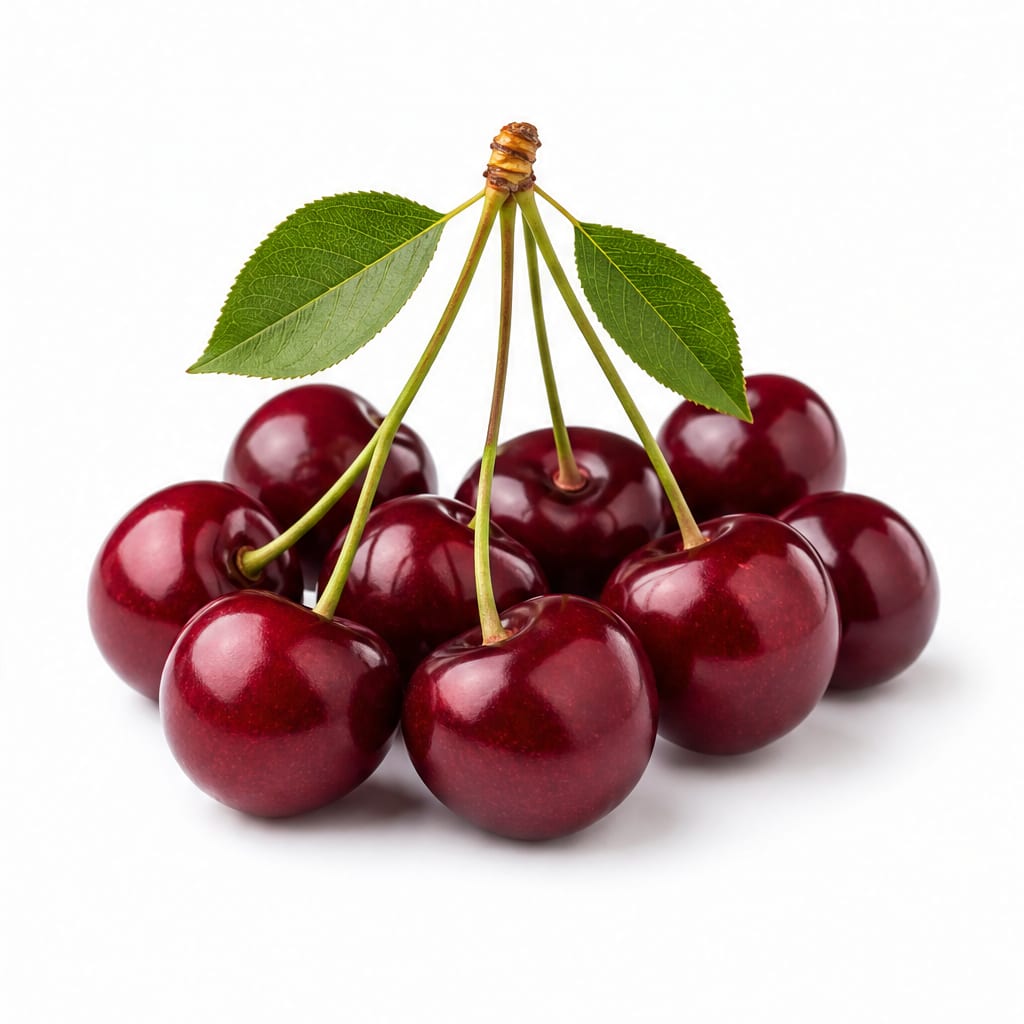
Compare with
Tart cherry
Tart cherries are known for sleep and arthritis benefits, while chokeberries are more focused on cardiovascular and general antioxidant support.
Tart cherries are better for sleep and joint recovery, while chokeberries are superior for low-sugar antioxidant density.
This food
Chokeberry
VS65% alike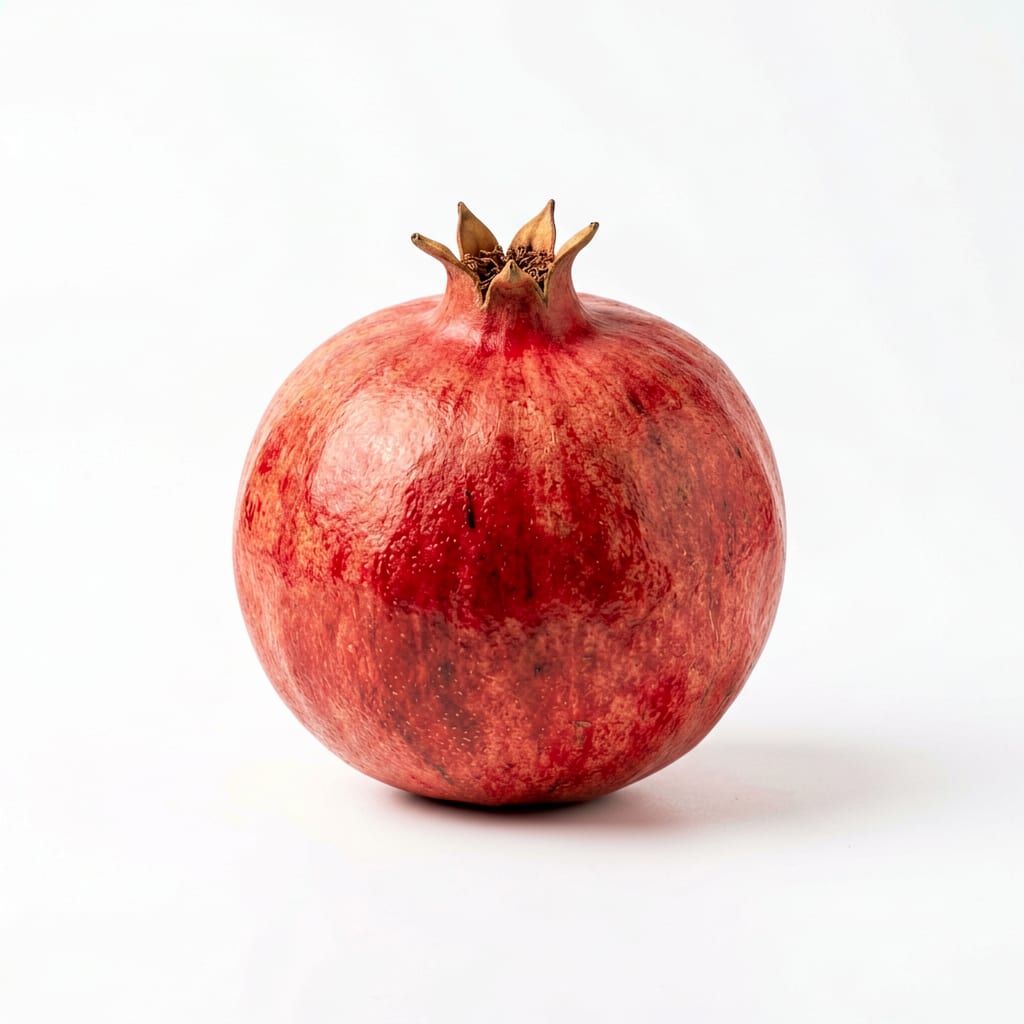
Compare with
Pomegranate
Pomegranate arils are juicy and easier to eat raw, while chokeberries are drier and more astringent but lower in sugar.
Pomegranates offer a tastier fresh-eating experience with good antioxidants, while chokeberries are more astringent but better for strict low-carb diets.
This food
Chokeberry
VS60% alike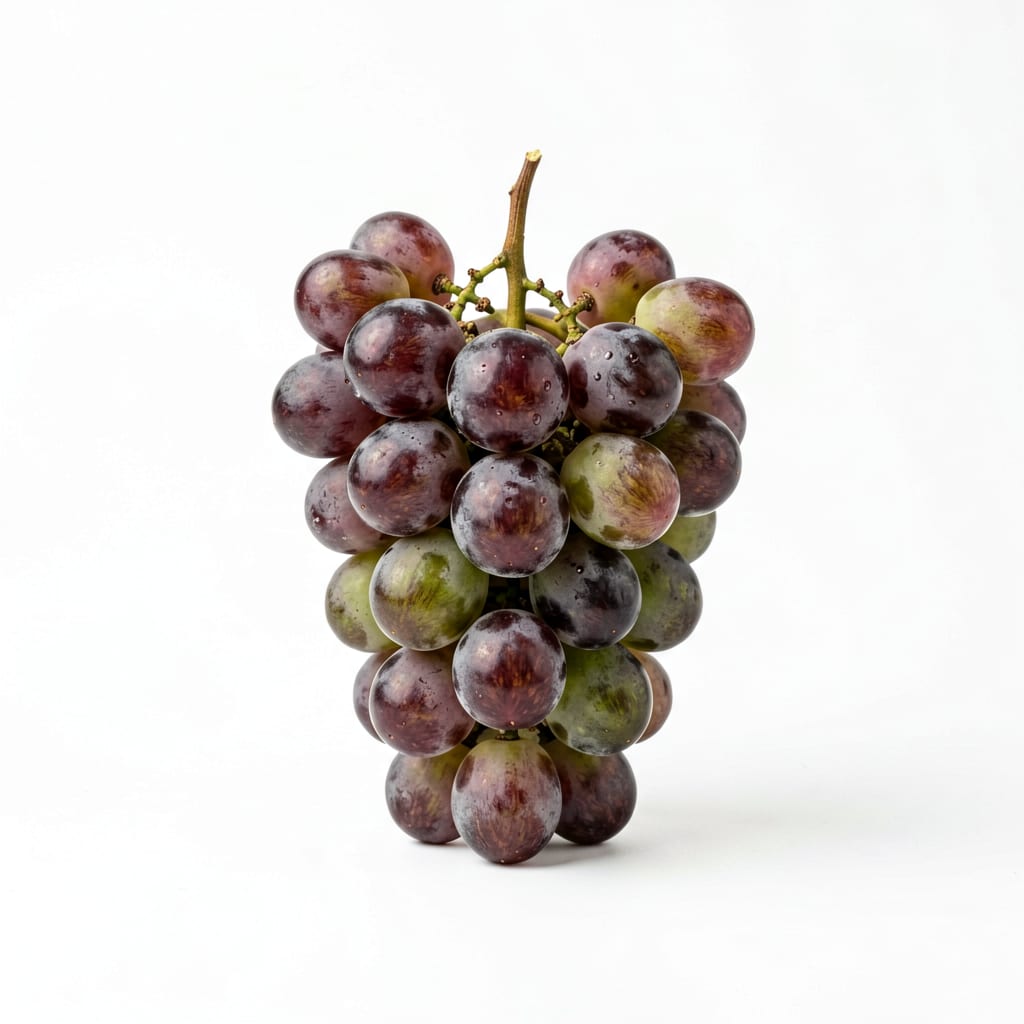
Compare with
Grape
Grapes are high in sugar and easy to overeat, while chokeberries are low in sugar and naturally limit consumption due to astringency.
Grapes provide quick energy and sweetness, whereas chokeberries are low-sugar, high-fiber, and require processing to be palatable.
Common questions
FAQ
Answers aligned with how people search for this food.
Are chokeberries safe to eat raw?
Yes, they are safe, but they are highly astringent and dry out the mouth, making them much better suited for cooking or blending with other ingredients.
Is aronia berry good for diabetes?
Yes, it has a very low glycemic index and high fiber content, which helps stabilize blood sugar levels without causing spikes.
Which berry has the most antioxidants?
Chokeberries (aronia berries) consistently rank among the highest in antioxidant capacity of all fruits, particularly in anthocyanins.
How do you make chokeberries taste better?
Sweeten them with honey or maple syrup, blend them into smoothies with sweeter fruits, or bake them into pastries to balance their tartness.
Can you eat aronia berries every day?
Yes, moderate daily consumption is safe and beneficial due to their high polyphenol content, which supports cardiovascular and immune health.
What is the difference between chokeberry and chokecherry?
Chokeberries (Aronia) are shrubs with darker, edible berries, while chokecherries (Prunus virginiana) are related to cherries and contain toxic seeds.
Does chokeberry juice have the same benefits as whole berries?
Juice retains antioxidants but lacks the fiber that slows sugar absorption and supports gut health, making whole berries the superior choice.
Transparency
Data confidence
Estimated confidence for nutrition data, interpretation, safety notes, and comparisons.
Nutrition data
Health analysis
Food safety
Comparisons