
Nutrition comparison
Chokeberry vs Grape: Antioxidant Power vs Sweet Snack
Compare Chokeberry and Grape to see which fruit wins for antioxidants, sugar content, and daily snacking. Learn the tradeoffs between these two purple fruits.
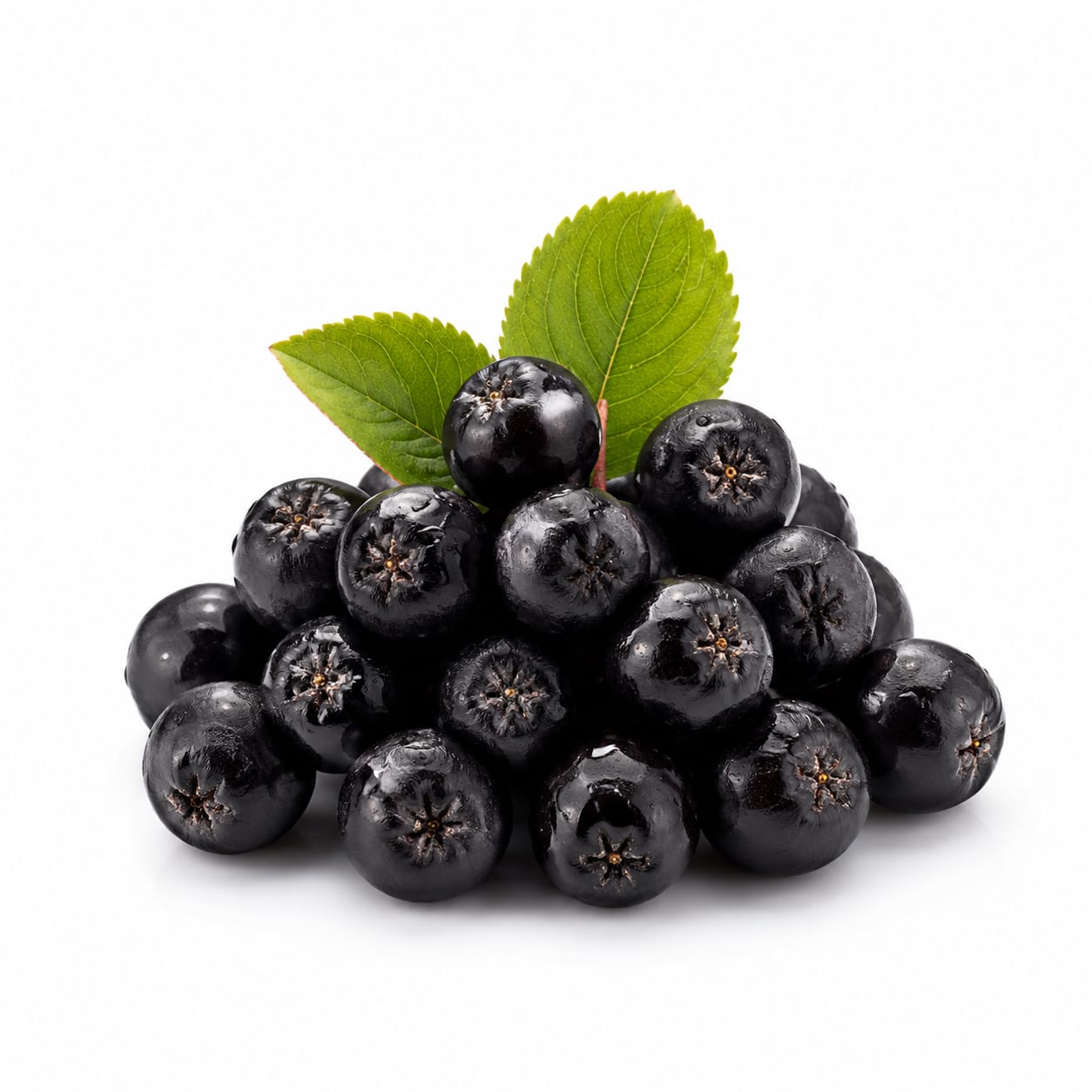
Chokeberry
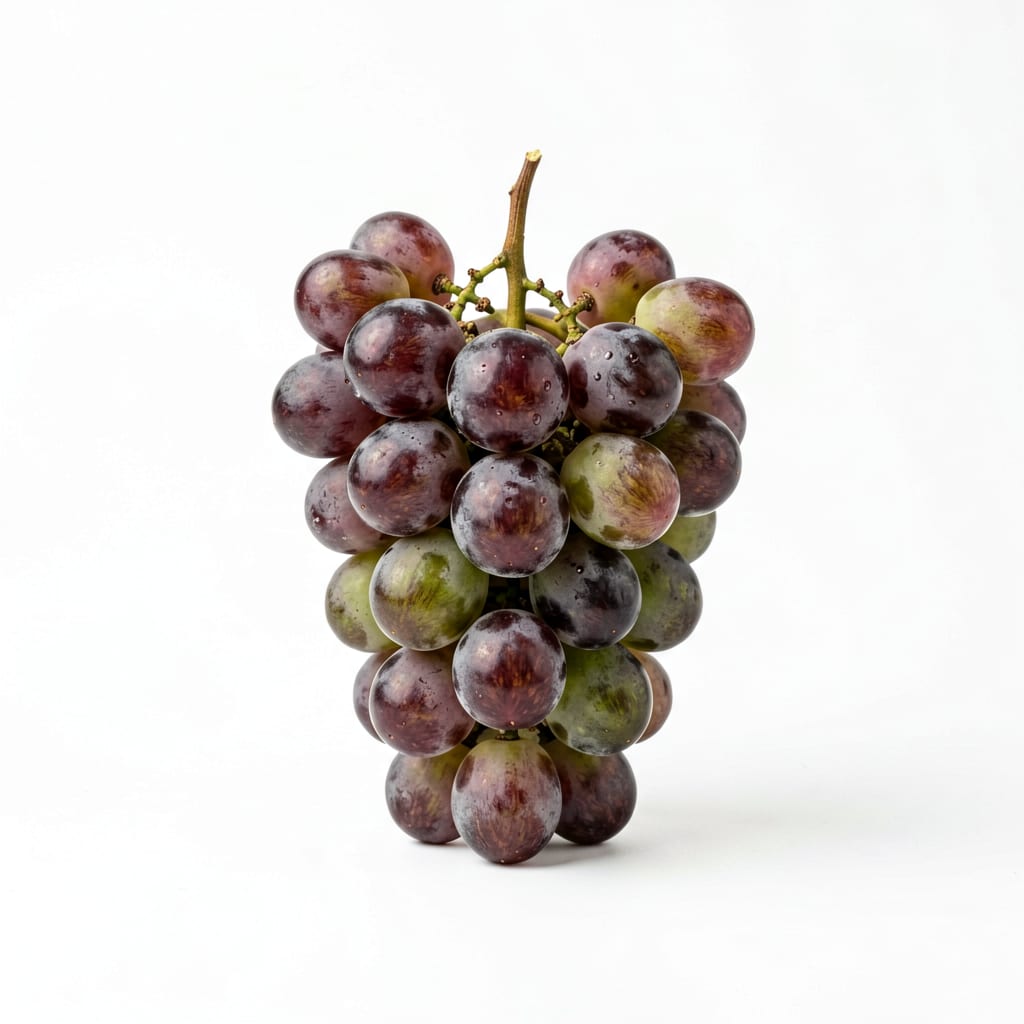
Grape
Chokeberry is the medicinal powerhouse, while Grape is the enjoyable everyday snack.
Chokeberry scores higher for nutritional density and low sugar, but loses points for harsh taste and lack of snackability. Grape scores well for enjoyment and convenience but is penalized for high sugar content.
You trade taste and convenience for massive antioxidant gains and lower sugar.
At a glance
Executive summary
Overall
It depends
Healthier
Chokeberry
More practical
Grape
Daily use
Grape
Key comparison lenses
antioxidant density and longevity
Chokeberry is famously one of the highest antioxidant fruits on earth, making this the starkest contrast between the two
sugar load and blood stability
Grapes are notably high in sugar compared to the low-sugar, high-fiber profile of Chokeberries
everyday eatability and palatability
Grapes are a universally loved easy snack, while Chokeberries are intensely tart and astringent, usually requiring processing
Best choice for
Chokeberry
- People fighting chronic inflammation
- Those managing blood sugar or insulin resistance
- Anyone wanting peak antioxidant intake
Grape
- Active individuals needing quick carbs
- Families looking for an easy kid-friendly snack
- Anyone who wants a hassle-free fresh fruit
Least suitable for
Chokeberry
- Children expecting a sweet treat
- Someone looking for a quick, ready-to-eat desk snack
- People who dislike tart or astringent flavors
Grape
- People on strict low-carb or keto diets
- Those trying to reduce overall sugar cravings
- Diabetics needing tight blood sugar control
Deep comparison
Dimension by dimension
Each lens scores both foods and breaks down who each option suits.
- Dimension 1 · Priority 95Chokeberry
Antioxidant & Phytonutrient Density
Chokeberry · 99Grape · 60Chokeberry is in a league of its own, packing far more anthocyanins than grapes.
Tradeoff
You get unmatched cellular protection from Chokeberries, but they lack the resveratrol found in grape skins.
Why it matters
High antioxidant intake combats oxidative stress, which is linked to aging and chronic disease.
Real-world impact
Eating Chokeberry regularly is like putting premium armor on your cells; grapes offer a lighter, everyday shield.
Chokeberry
- Reducing systemic inflammation
- Cardiovascular protection
- Anti-aging protocols
Better for
- Enjoying the eating experience
Worse for
Grape
- Getting a mild antioxidant boost without sacrificing taste
Better for
- Therapeutic levels of antioxidant support
Worse for
- Dimension 2 · Priority 90Chokeberry
Sugar & Blood Sugar Impact
Chokeberry · 92Grape · 40Chokeberries are low in sugar and high in fiber, while grapes are essentially nature's candy.
Tradeoff
Chokeberries keep your blood sugar perfectly stable but won't satisfy a sweet tooth; grapes give quick energy but can cause a sugar crash.
Why it matters
Frequent blood sugar spikes from high-sugar fruits can increase cravings and fatigue over time.
Real-world impact
A bowl of grapes can disappear fast, leaving you hungry an hour later. Chokeberries won't spike your blood sugar at all.
Chokeberry
- Steady energy levels
- Diabetes management
- Keto and low-carb diets
Better for
- Satisfying a sugar craving
Worse for
Grape
- Quick pre-workout fuel
- Replenishing carbs after endurance exercise
Better for
- Avoiding the afternoon energy crash
- Managing insulin resistance
Worse for
- Dimension 3 · Priority 85Grape
Taste & Enjoyment
Chokeberry · 25Grape · 95Grapes are sweet, juicy, and universally loved. Chokeberries are intensely tart and mouth-drying.
Tradeoff
Grapes are a joy to eat out of hand; Chokeberries usually need to be sweetened or blended to be palatable.
Why it matters
A healthy food only works if you actually eat it. Enjoyment drives long-term consistency.
Real-world impact
You will eagerly reach for a bowl of grapes. You will likely have to hide Chokeberry powder in a smoothie to get it down.
Chokeberry
- Adding complex tartness to recipes
Better for
- Eating raw by the handful
Worse for
Grape
- Effortless snacking
- Pleasing kids and picky eaters
Better for
- Controlling portion sizes due to high palatability
Worse for
- Dimension 4 · Priority 75Grape
Convenience & Snackability
Chokeberry · 35Grape · 95Grapes are the ultimate grab-and-go fruit. Fresh Chokeberries are rare and usually consumed as juice or powder.
Tradeoff
Grapes require zero prep; Chokeberries require recipe integration to be enjoyable.
Why it matters
Convenience often dictates what we reach for when hungry or busy.
Real-world impact
Grapes are perfect for busy mornings or commuting. Chokeberry requires planning, like stirring powder into yogurt or making a specific smoothie.
Chokeberry
- Long-term storage as a powder or frozen
Better for
- Spontaneous eating
Worse for
Grape
- Zero-prep snacking
- Portable lunchbox addition
Better for
- Long-term storage without spoiling
Worse for
Timeline
Health impact over time
Short-term
Hours to days
Chokeberry
- Unlikely to cause an energy crash
- Raw fruit may cause a dry, puckering sensation in the mouth
Grape
- Provides a quick burst of physical energy
- Can trigger hunger or cravings shortly after eating due to sugar spike
Long-term
Months to years
Chokeberry
- Strong protection against cellular aging and inflammation
- Supports healthy blood pressure and vascular function
Grape
- Moderate heart health benefits from resveratrol if consuming red/purple varieties
- Risk of weight gain if eaten in large quantities due to high sugar and low satiety
Risk profile
Safety & processing
Fresh grapes are a whole food, while Chokeberries are most often consumed as juices, powders, or extracts, which strips away some fiber and concentrates the active compounds.
Chokeberry
Oxalate content
lowChokeberries contain moderate oxalates, which could be an issue for people prone to kidney stones if consumed in extreme amounts.
Grape
Pesticide residue
highGrapes consistently rank on the Dirty Dozen list for high pesticide residue; washing thoroughly or choosing organic is highly recommended.
Who wins for whom
Audience fit
Same foods, different winners depending on your goal.
children
GrapeKids love the sweet, juicy pop of grapes; Chokeberries are far too tart for most young palates.
daily consumption
GrapeGrapes are easy and enjoyable to eat every day, while Chokeberry is better used as a targeted daily supplement due to taste fatigue.
diabetes
ChokeberryChokeberries have a minimal impact on blood sugar and may actually improve insulin sensitivity.
elderly
ChokeberryThe massive antioxidant and vascular benefits of Chokeberry are highly protective against age-related decline.
muscle gain
GrapeGrapes offer simple, fast-digesting carbs that are useful for fueling or recovering from intense workouts.
weight loss
ChokeberryLow sugar and high fiber make Chokeberry a metabolic ally, whereas grapes are easy to overeat due to their high sugar content.
Your move
Decision guide
Choose Chokeberry
- You want to aggressively fight inflammation
- You are tracking your blood sugar closely
- You don't mind mixing powders or juices into other foods
Choose Grape
- You want a satisfying, sweet whole-food snack
- You need quick carbs for athletic performance
- You are packing lunches for the family
Either works if
- You want to boost your fruit-based antioxidant intake
- You are looking for red/purple fruit pigments in your diet
Avoid both if
- You are on a strict zero-fructose diet
- You have a severe allergy to berries or grapes
Final recommendation
Use Chokeberry as your daily health supplement and keep Grapes as your enjoyable whole-food snack. Blending a spoonful of Chokeberry powder into a grape smoothie gives you the best of both worlds: the taste and carbs of grapes with the antioxidant armor of Chokeberry.
Practical
Consumer tips
- 1
If buying grapes, opt for organic to avoid high pesticide exposure, especially if eating the skin.
- 2
Start with a small amount of Chokeberry powder in smoothies; its tartness can easily overpower other flavors.
- 3
Freeze grapes for a refreshing, longer-lasting summer treat that takes more time to eat.
- 4
Mix Chokeberry juice with sparkling water and a squeeze of lemon for a low-sugar, antioxidant-rich soda alternative.