
Nutrition comparison
Chokeberry vs Elderberry: Which Berry Is Better for Immune and Heart Health?
Compare Chokeberry and Elderberry for antioxidant power, immune support, safety, and taste. Learn which berry fits your health goals and how to use each one effectively.
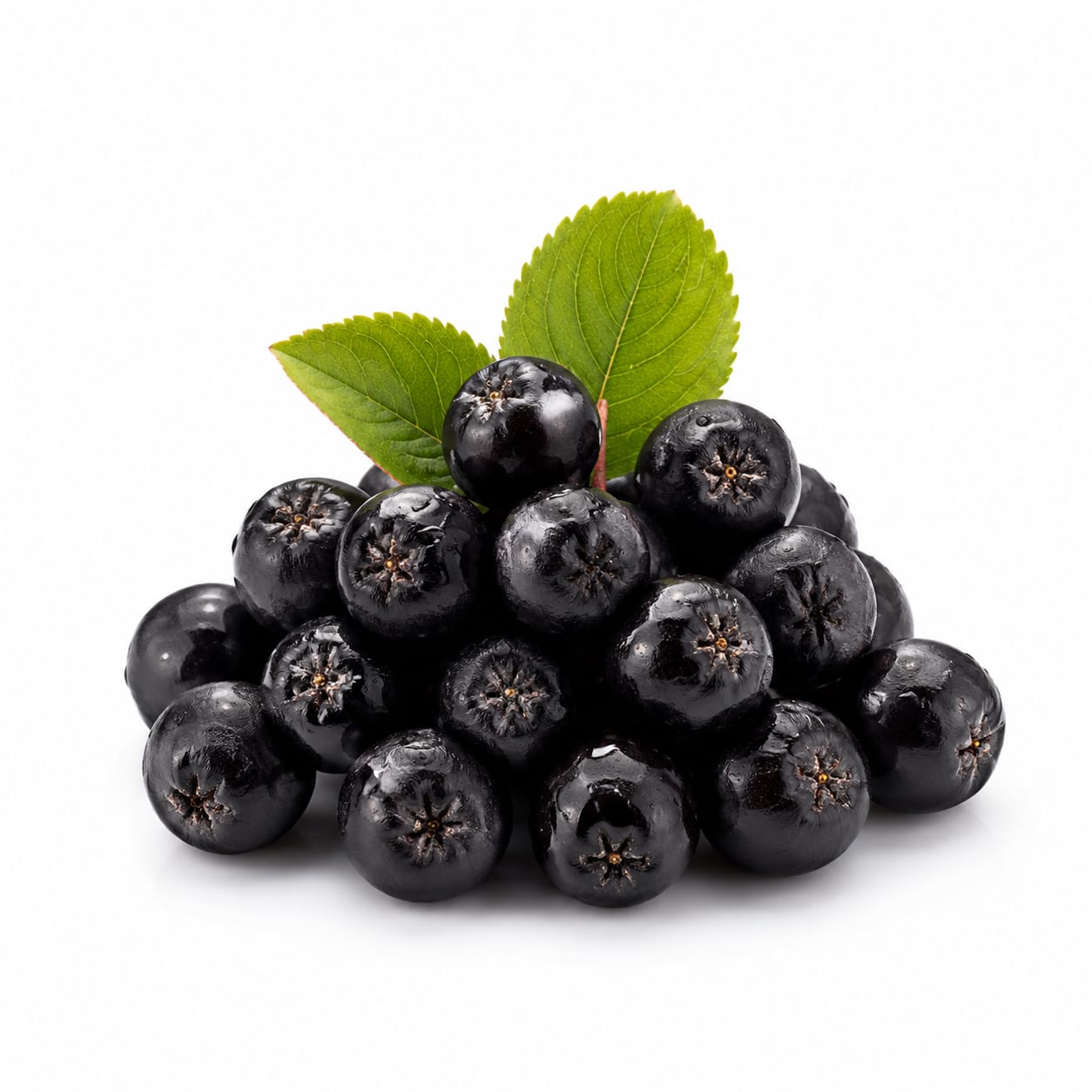
Chokeberry
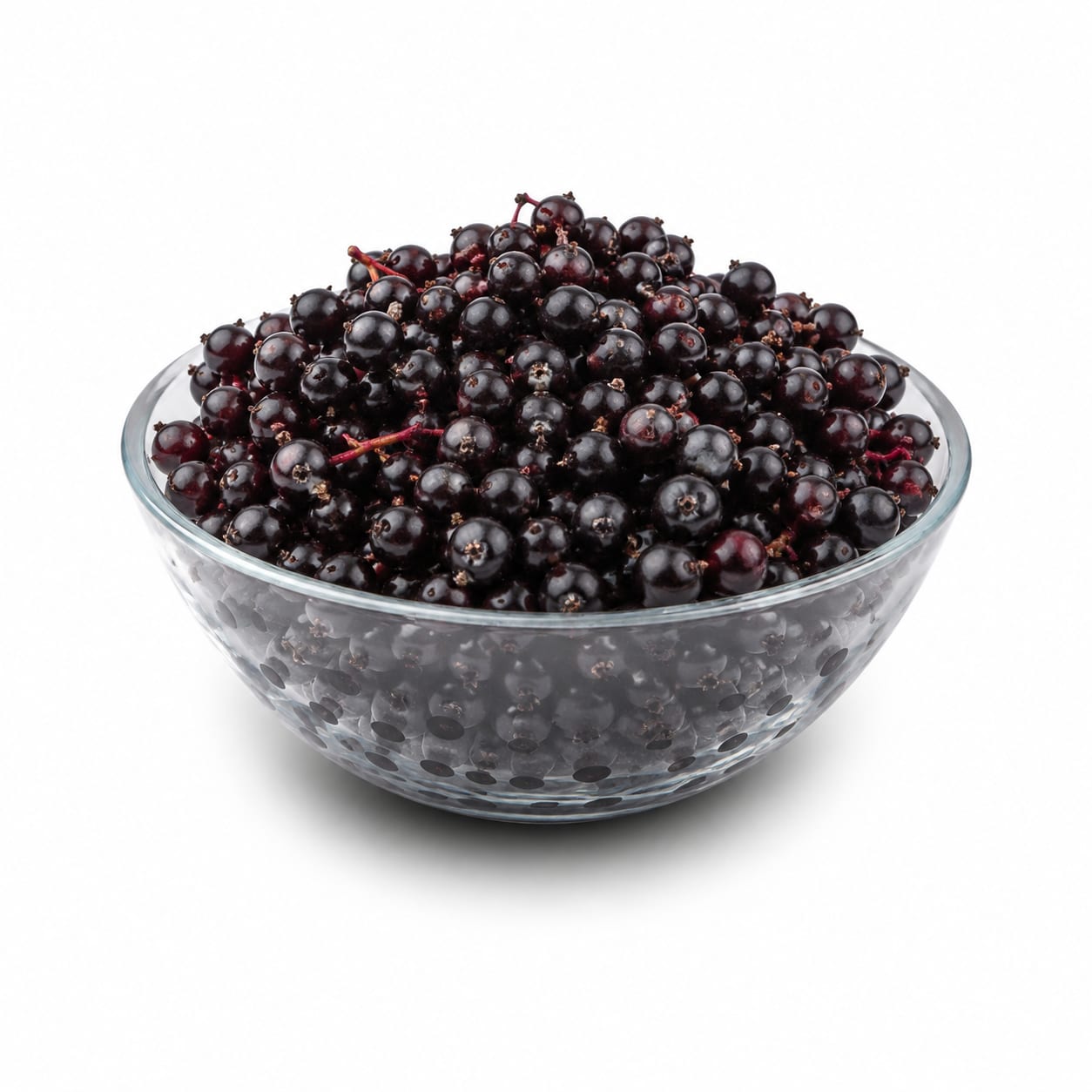
Elderberry
Chokeberry wins on raw antioxidant power and cardiovascular benefits, while Elderberry is the stronger choice for immune-specific support during illness.
Chokeberry edges ahead on nutritional density and safety of raw fruit, but Elderberry's superior immune evidence and better taste keep it nearly tied. The near-equal scores reflect that neither is universally better — they serve different primary purposes.
Chokeberry offers unmatched antioxidant density but lacks the targeted immune research Elderberry has; Elderberry requires careful preparation due to natural toxicity.
At a glance
Executive summary
Overall
It depends
Healthier
It depends
More practical
Elderberry
Daily use
Chokeberry
Key comparison lenses
immune support comparison
Both berries are primarily consumed for immune health, making this the dominant decision factor for most users
antioxidant potency
Chokeberry has one of the highest antioxidant capacities of any fruit, while Elderberry is also antioxidant-rich but less extreme
safety and preparation
Raw Elderberry contains cyanogenic glycosides and is toxic unless cooked, a critical safety distinction
taste and palatability
Chokeberry is extremely astringent and rarely eaten raw; Elderberry is also tart but more manageable when prepared
daily supplement viability
Most consumers encounter both as supplements, juices, or syrups rather than fresh fruit
Best choice for
Chokeberry
- Long-term cardiovascular protection
- Maximum antioxidant intake
- Daily maintenance supplementation
- Blood pressure and circulation support
Elderberry
- Acute immune support during cold and flu season
- Reducing duration and severity of viral infections
- Families seeking a well-researched immune syrup
- People wanting a more palatable berry supplement
Least suitable for
Chokeberry
- Anyone seeking immediate immune relief during active illness
- People sensitive to extremely tart or astringent flavors
- Those wanting a simple homemade preparation without processing
Elderberry
- People who might consume raw berries without researching proper preparation
- Those primarily seeking cardiovascular or metabolic benefits
- Individuals looking for the highest possible antioxidant concentration
Deep comparison
Dimension by dimension
Each lens scores both foods and breaks down who each option suits.
- Dimension 1 · Priority 92Chokeberry
antioxidant_density
Chokeberry · 97Elderberry · 78Chokeberry has one of the highest ORAC scores ever recorded for a fruit, far surpassing Elderberry.
Tradeoff
Chokeberry's extreme antioxidant content comes with intense astringency that makes raw consumption unpleasant for most people.
Why it matters
Higher antioxidant intake correlates with reduced oxidative stress, better vascular function, and slower cellular aging over time.
Real-world impact
A small daily serving of Chokeberry juice or powder delivers more antioxidant capacity than several servings of common berries.
Chokeberry
- Long-term anti-aging and cellular protection
- Cardiovascular disease risk reduction
- Maximum polyphenol intake in minimal calories
Better for
- People who struggle with bitter supplements and may abandon them
Worse for
Elderberry
- Situations where you actually want to enjoy the taste of what you consume
Better for
- Those seeking the absolute highest antioxidant bang per serving
Worse for
- Dimension 2 · Priority 95Elderberry
immune_support_evidence
Chokeberry · 62Elderberry · 90Elderberry has multiple clinical trials showing it can reduce flu duration and severity; Chokeberry's immune evidence is mostly indirect via antioxidant activity.
Tradeoff
Elderberry's immune benefits are better documented but primarily studied for acute use during illness, not as a daily preventive.
Why it matters
When you feel a cold coming on, you want something with proven efficacy — not just theoretical antioxidant value.
Real-world impact
Elderberry syrup taken within 48 hours of symptoms may cut cold duration by 2-3 days on average, based on existing research.
Chokeberry
- General long-term health maintenance rather than acute immune response
Better for
- Acute illness situations where targeted immune action matters
Worse for
Elderberry
- Active cold or flu symptoms
- Preventive use during peak illness season
- Families wanting a research-backed immune remedy
Better for
- People assuming it works as a daily preventive without strong evidence for that specific use
Worse for
- Dimension 3 · Priority 88Chokeberry
safety_and_preparation
Chokeberry · 85Elderberry · 55Raw Chokeberry is safe to eat despite being unpalatable; raw Elderberry contains cyanogenic glycosides that can cause nausea, vomiting, and diarrhea.
Tradeoff
Elderberry's toxicity risk is eliminated by cooking, but this adds a preparation step and a real consequence if skipped.
Why it matters
A supplement that can make you sick if prepared incorrectly is a genuine household safety concern, especially with children.
Real-world impact
Someone foraging Elderberry or trying a homemade recipe without thorough cooking could experience serious gastrointestinal distress.
Chokeberry
- Households with children who might sample raw berries
- Foragers who want a safer wild berry option
- People who prefer minimal preparation steps
Better for
- No significant safety downside beyond mild stomach discomfort from extreme tartness
Worse for
Elderberry
- Those who only consume commercially prepared products where safety is handled
Better for
- DIY preparation carries real toxicity risk if undercooked
- Confusion between edible berries and toxic lookalikes in the wild
Worse for
- Dimension 4 · Priority 75Elderberry
taste_and_palatability
Chokeberry · 30Elderberry · 55Neither berry is pleasant raw, but Elderberry is more manageable and more commonly available in palatable prepared forms like syrups and gummies.
Tradeoff
Both require sweetening or processing to be enjoyable, but Chokeberry's mouth-drying astringency is harder to mask than Elderberry's tartness.
Why it matters
If a supplement tastes terrible, most people will stop taking it regardless of how healthy it is.
Real-world impact
Elderberry syrups and gummies are widely enjoyed by both adults and children; Chokeberry products often need blending with other juices to be drinkable.
Chokeberry
- People who don't mind strong, bitter flavors and want maximum potency
Better for
- Picky eaters and children
- Anyone likely to abandon a supplement that tastes bad
Worse for
Elderberry
- Children who need a tolerable-tasting supplement
- Anyone wanting to actually enjoy their daily health routine
- Blending into recipes where tartness is acceptable
Better for
- Still not enjoyable raw — both berries require preparation
Worse for
- Dimension 5 · Priority 80Chokeberry
cardiovascular_and_metabolic_benefits
Chokeberry · 88Elderberry · 65Chokeberry has stronger evidence for blood pressure reduction, cholesterol improvement, and vascular health compared to Elderberry.
Tradeoff
These benefits require consistent daily intake over weeks to months, meaning you need to tolerate Chokeberry's taste long-term.
Why it matters
Heart disease remains the leading cause of death globally, and dietary polyphenols are one of the most accessible protective strategies.
Real-world impact
Regular Chokeberry consumption has been shown to reduce systolic blood pressure by 5-10 mmHg in some studies — a meaningful clinical effect.
Chokeberry
- People with hypertension or borderline high blood pressure
- Those with elevated LDL cholesterol
- Metabolic syndrome management
- Long-term vascular protection
Better for
- Those unwilling to commit to daily intake needed for cardiovascular benefits
Worse for
Elderberry
- General wellness where cardiovascular risk is not the primary concern
Better for
- Anyone specifically targeting heart health markers
Worse for
- Dimension 6 · Priority 70Elderberry
supplement_availability_and_convenience
Chokeberry · 60Elderberry · 82Elderberry products are far more common in stores, available as syrups, gummies, lozenges, and capsules from many brands.
Tradeoff
Elderberry's popularity means more options but also more low-quality products with added sugar and minimal actual berry content.
Why it matters
The best supplement is one you can actually find, afford, and take consistently.
Real-world impact
You can find Elderberry syrup at most pharmacies and grocery stores; Chokeberry typically requires online ordering or specialty health stores.
Chokeberry
- People who prefer pure powders or juices without added sugar
- Those comfortable ordering supplements online
Better for
- Those who want immediate local availability
- People who prefer ready-to-consume supplement formats
Worse for
Elderberry
- Convenience shoppers who want something available locally
- Travelers who need to grab supplements on the go
- People who prefer gummy or lozenge formats
Better for
- Consumers who might buy low-quality products with excessive added sugar
Worse for
Timeline
Health impact over time
Short-term
Hours to days
Chokeberry
- Noticeable mouth-drying astringency from raw berries
- Mild digestive adjustment if consuming large amounts of juice or powder
- Quick antioxidant absorption within hours of consumption
Elderberry
- Nausea, vomiting, or diarrhea if raw berries are consumed
- Possible soothing effect on throat when taken as warm syrup during illness
- Faster perceived immune response during active infection
Long-term
Months to years
Chokeberry
- Reduced blood pressure and improved endothelial function with daily use
- Lower oxidative stress markers over months of consistent intake
- Potential improvement in lipid profiles, particularly LDL cholesterol
Elderberry
- Reduced frequency and duration of viral infections when used seasonally
- Modest anti-inflammatory benefits from regular anthocyanin intake
- Possible immune system priming effects, though long-term daily use evidence is limited
Risk profile
Safety & processing
Both berries are naturally whole foods when fresh. However, Elderberry's commercial popularity means it is more often sold in highly processed supplement forms with added sugars, preservatives, and fillers. Chokeberry products tend to be simpler — often just dried powder or pure juice — because the target consumer is usually more health-focused and tolerant of intense flavors.
Chokeberry
Oxalate_content
lowChokeberry contains moderate oxalates, which could be a concern for people prone to kidney stones if consumed in very large quantities daily.
Pesticide_residue
lowChokeberry is not heavily treated commercially, but organic sourcing is still preferable when available.
Elderberry
Cyanogenic_glycoside_toxicity
highRaw Elderberry seeds and stems contain compounds that release cyanide when digested. Symptoms include nausea, vomiting, diarrhea, and in severe cases, more serious toxicity. Cooking destroys these compounds.
Misidentification_with_toxic_species
mediumWild Elderberry can be confused with water hemlock or other toxic lookalikes. Foraging without expert knowledge is dangerous.
Added_sugar_in_commercial_products
mediumMany Elderberry syrups and gummies contain significant added sugar to improve taste, which can undermine immune benefits if consumed frequently.
Who wins for whom
Audience fit
Same foods, different winners depending on your goal.
children
ElderberryElderberry gummies and syrups are formulated for kids and taste acceptable, while Chokeberry's extreme tartness makes compliance with children very unlikely.
daily consumption
ChokeberryChokeberry is safer for unattended daily use with no toxicity risk, and its benefits accumulate with consistent long-term intake.
diabetes
ChokeberryChokeberry has been shown to improve glucose metabolism and has minimal sugar content, while Elderberry syrups often contain added sugars that can spike blood glucose.
elderly
ChokeberryChokeberry's cardiovascular benefits — blood pressure and cholesterol support — align closely with the most common health concerns in older adults.
muscle gain
It dependsNeither berry is relevant for muscle gain — they provide negligible protein and are not calorie-dense enough to support bulking.
weight loss
ChokeberryChokeberry is extremely low in sugar and calories while being nutrient-dense, making it easier to incorporate without adding meaningful energy intake.
Your move
Decision guide
Choose Chokeberry
- You want the strongest antioxidant protection available from a berry
- Cardiovascular health — blood pressure, cholesterol, circulation — is a priority
- You are comfortable with tart flavors or mixing powder into smoothies
- You prefer a supplement with no toxicity risk even if consumed raw
- You are willing to order online or visit specialty stores
Choose Elderberry
- You want targeted immune support during cold and flu season
- You have children who need a tolerable-tasting supplement
- You value convenience and want something available at local pharmacies
- You are dealing with an active viral infection and want evidence-based symptom relief
- You prefer syrups, gummies, or lozenges over powders or juices
Either works if
- You want general antioxidant and anti-inflammatory benefits from dark berries
- You are building a varied supplement routine and can rotate both seasonally
- You already consume a diet rich in polyphenols and want to add berry diversity
Avoid both if
- You are on immunosuppressive medications without consulting your doctor — both berries stimulate immune activity
- You have a bleeding disorder or are on blood thinners — both may have mild anticoagulant effects
- You expect either berry to replace medical treatment for serious conditions
Final recommendation
Use Chokeberry daily as a long-term cardiovascular and antioxidant supplement, and keep Elderberry on hand for acute immune support during illness season. They complement each other well rather than competing — Chokeberry is your daily maintenance, Elderberry is your seasonal response.
Practical
Consumer tips
- 1
If buying Elderberry syrup, check the sugar content — many commercial brands add 5-10g of sugar per serving, which partly counteracts immune benefits.
- 2
Chokeberry powder blends well into smoothies with banana and berries to mask astringency while preserving all nutritional benefits.
- 3
Never consume raw Elderberry — always cook for at least 20 minutes if making homemade preparations.
- 4
Start with small amounts of Chokeberry if you have a sensitive stomach; its tannin content can cause mild digestive discomfort initially.
- 5
Look for Elderberry products standardized to contain verified anthocyanin content, not just generic berry extract.
- 6
Chokeberry juice can be diluted 1:4 with water or apple juice to make it palatable while still delivering meaningful polyphenol intake.
- 7
If foraging either berry, confirm identification with an expert — both have toxic lookalikes in the wild.
- 8
Freeze-dried Chokeberry powder retains more antioxidants than heat-dried versions — check the processing method on the label.