
Nutrition comparison
Chokeberry vs Tart Cherry: Antioxidant Power, Sleep, and Recovery Compared
Chokeberry delivers unmatched antioxidant density and cardiovascular benefits, but tart cherry wins for sleep, exercise recovery, and daily enjoyment. Learn which superfruit fits your health goals.
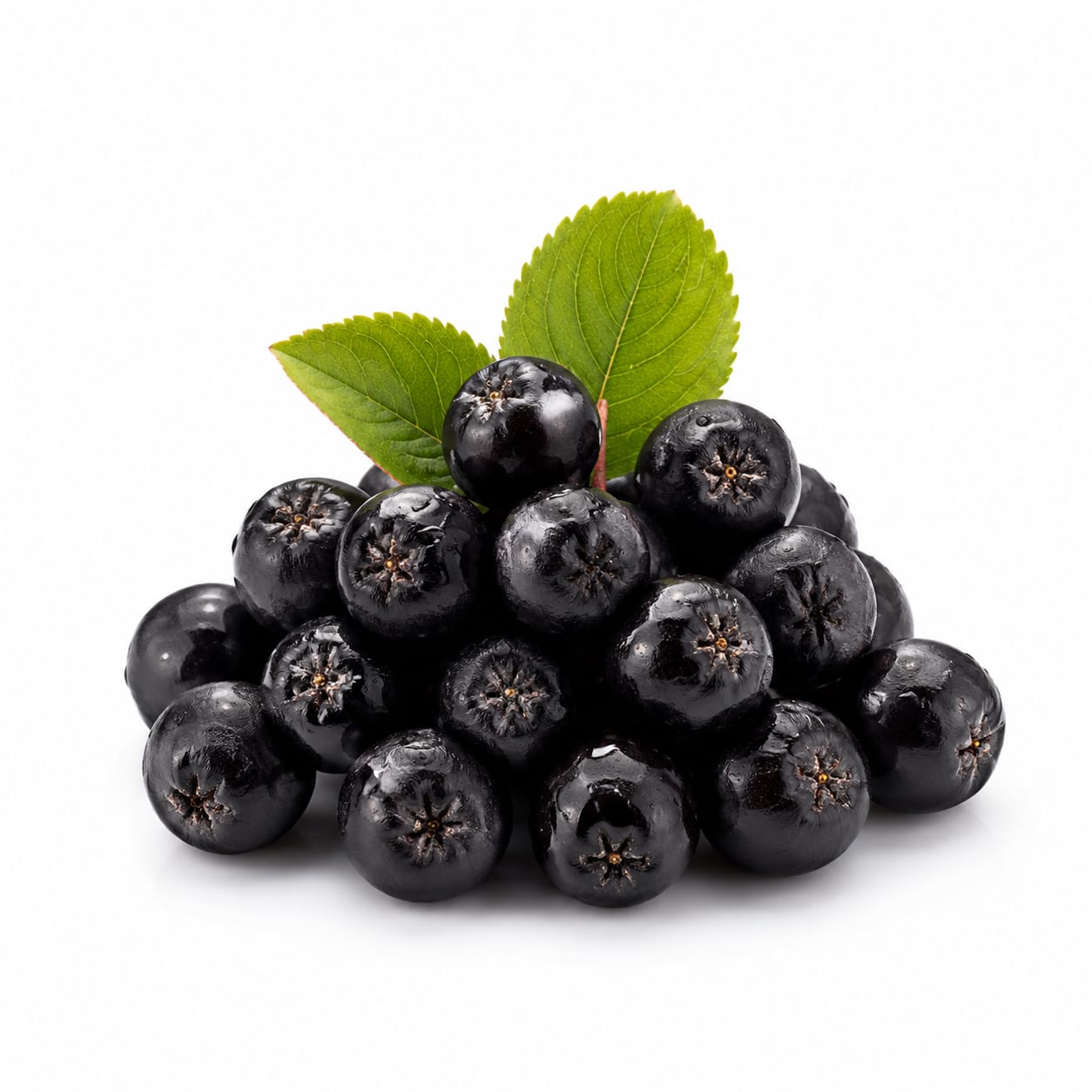
Chokeberry
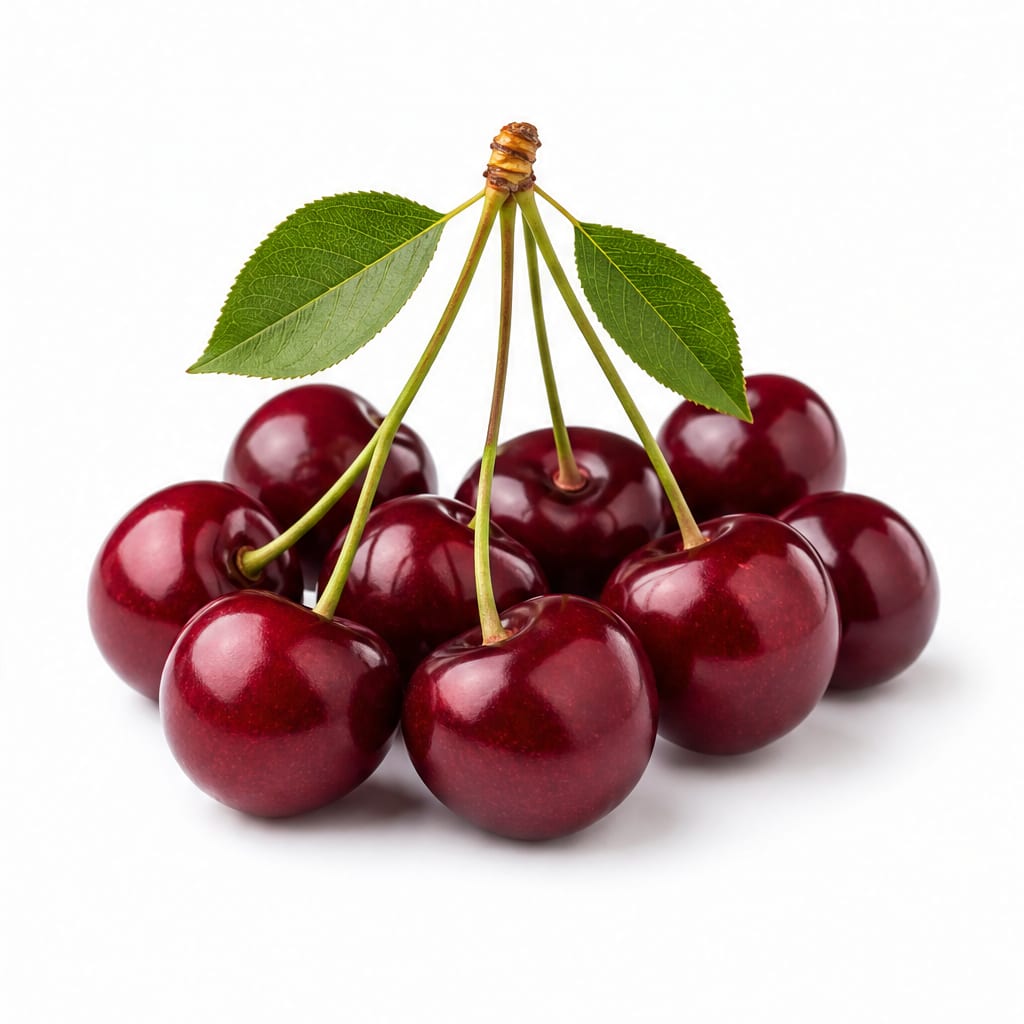
Tart Cherry
Chokeberry wins on raw antioxidant firepower and cardiovascular benefits, but tart cherry wins on sleep, recovery, and actually being pleasant to consume daily.
Tart cherry edges ahead because its sleep, recovery, and palatability advantages make it far more sustainable as a daily habit. Chokeberry scores higher on raw nutritional potency but loses ground on practical enjoyment and ease of use.
Maximum polyphenol density versus real-world drinkability and broader lifestyle benefits like sleep and exercise recovery.
At a glance
Executive summary
Overall
It depends
Healthier
Chokeberry
More practical
Tart Cherry
Daily use
Tart Cherry
Key comparison lenses
antioxidant potential
Both are renowned for extreme polyphenol density, making antioxidant comparison the primary reason users choose between them
exercise recovery and inflammation
Tart cherry is heavily researched for post-workout recovery while chokeberry is emerging as an anti-inflammatory powerhouse
sleep support
Tart cherry contains natural melatonin, a unique differentiator that chokeberry cannot match
palatability and daily sustainability
Chokeberry's extreme astringency makes daily consumption challenging, while tart cherry is far more enjoyable
blood pressure and cardiovascular health
Chokeberry shows stronger evidence for blood pressure reduction and vascular health
Best choice for
Chokeberry
- People targeting cardiovascular risk factors like high blood pressure
- Those wanting the highest possible antioxidant intake in the smallest serving
- Individuals comfortable mixing powders or juices into smoothies
Tart Cherry
- Athletes seeking faster post-workout recovery
- People struggling with sleep quality
- Anyone wanting a tart but enjoyable daily juice or snack
Least suitable for
Chokeberry
- Children who will refuse the intense astringency
- People seeking a pleasant-tasting daily beverage
- Anyone sensitive to very high tannin content
Tart Cherry
- Those needing maximum antioxidant density per calorie
- People on strict low-sugar diets who want the lowest sugar option
Deep comparison
Dimension by dimension
Each lens scores both foods and breaks down who each option suits.
- Dimension 1 · Priority 95Chokeberry
antioxidant_density
Chokeberry · 97Tart Cherry · 82Chokeberry has one of the highest polyphenol concentrations of any fruit on earth, significantly surpassing tart cherry.
Tradeoff
You get more antioxidant power per ounce from chokeberry, but the extreme astringency makes consuming enough of it a real challenge.
Why it matters
Higher polyphenol intake correlates with reduced oxidative stress, slower cellular aging, and stronger immune defense.
Real-world impact
A small shot of chokeberry juice delivers more antioxidants than a full glass of tart cherry juice, but you may struggle to finish it.
Chokeberry
- Maximizing antioxidant intake with minimal volume
- Targeting oxidative stress-related conditions
Better for
- People who find the taste so unpleasant they skip doses entirely
Worse for
Tart Cherry
- Getting meaningful antioxidant benefits without the astringency penalty
Better for
- Situations requiring the absolute highest polyphenol concentration per serving
Worse for
- Dimension 2 · Priority 82Tart Cherry
sleep_quality
Chokeberry · 25Tart Cherry · 88Tart cherry is one of the few natural food sources of melatonin and has solid research backing its sleep benefits.
Tradeoff
Chokeberry offers no meaningful sleep support, while tart cherry can genuinely help you fall asleep faster and stay asleep longer.
Why it matters
Sleep quality affects everything from appetite regulation to immune function to exercise recovery.
Real-world impact
Drinking tart cherry juice in the evening can shave minutes off how long it takes to fall asleep, especially for older adults.
Chokeberry
- Anyone specifically seeking a sleep-supportive nighttime beverage
Worse for
Tart Cherry
- Evening consumption for better sleep onset
- Older adults with declining natural melatonin production
- Shift workers trying to regulate disrupted sleep cycles
Better for
- Dimension 3 · Priority 88Tart Cherry
exercise_recovery
Chokeberry · 65Tart Cherry · 90Tart cherry is the most researched fruit for reducing exercise-induced muscle soreness and accelerating recovery.
Tradeoff
Chokeberry has anti-inflammatory compounds that may help recovery indirectly, but tart cherry has direct clinical evidence from athletes.
Why it matters
Faster recovery means more consistent training and less downtime between hard efforts.
Real-world impact
Runners and strength athletes who drink tart cherry juice report noticeably less soreness the day after intense sessions.
Chokeberry
- General anti-inflammatory support between workouts
Better for
- Competitive athletes who want proven recovery protocols
Worse for
Tart Cherry
- Post-marathon or post-race recovery
- Reducing delayed-onset muscle soreness
- Athletes training at high frequency who need faster turnaround
Better for
- Dimension 4 · Priority 75Chokeberry
cardiovascular_health
Chokeberry · 90Tart Cherry · 72Chokeberry shows stronger evidence for reducing blood pressure and improving lipid profiles compared to tart cherry.
Tradeoff
Chokeberry's proanthocyanidins appear more effective at vascular function, but you need consistent intake to see results, and the taste is a barrier.
Why it matters
Blood pressure and cholesterol improvements directly reduce heart attack and stroke risk.
Real-world impact
Regular chokeberry consumption has been shown to reduce systolic blood pressure by several points in clinical studies.
Chokeberry
- People with borderline high blood pressure
- Those wanting dietary support for cholesterol management
- Individuals with metabolic syndrome
Better for
Tart Cherry
- General heart health through anti-inflammatory pathways
Better for
- Those specifically targeting hypertension through diet
Worse for
- Dimension 5 · Priority 80Tart Cherry
palatability_and_enjoyment
Chokeberry · 30Tart Cherry · 75Tart cherry is genuinely enjoyable as a juice, dried snack, or fresh fruit. Chokeberry is intensely astringent and rarely eaten raw.
Tradeoff
The most nutrient-dense option is the hardest to consume, while the more pleasant option delivers slightly less per serving.
Why it matters
The healthiest food is the one you actually eat consistently. Astringency drives people to quit chokeberry regimens.
Real-world impact
Most people look forward to tart cherry juice. Most people have to choke down chokeberry juice or hide it in smoothies.
Chokeberry
- Anyone who struggles with unpleasant-tasting supplements
- Families looking for a shared health beverage
Worse for
Tart Cherry
- Daily juice consumption without dread
- Serving to children or picky eaters
- Using as a standalone snack or beverage
Better for
- Dimension 6 · Priority 70Chokeberry
blood_sugar_impact
Chokeberry · 85Tart Cherry · 68Chokeberry has lower sugar content and its polyphenols actively improve insulin sensitivity, giving it a gentler blood sugar profile.
Tradeoff
Tart cherry contains more natural sugars, which matters for diabetics counting carbs, though its glycemic load remains moderate.
Why it matters
Steadier blood sugar means fewer energy crashes and better appetite control throughout the day.
Real-world impact
A chokeberry supplement is unlikely to spike blood sugar at all, while tart cherry juice contains enough sugar to warrant portion awareness.
Chokeberry
- Diabetics monitoring carbohydrate intake closely
- Those following very low-sugar protocols
Better for
Tart Cherry
- Post-workout when some sugar aids glycogen replenishment
Better for
- Insulin-resistant individuals who are sensitive to juice sugars
Worse for
- Dimension 7 · Priority 65Tart Cherry
gout_and_uric_acid_management
Chokeberry · 50Tart Cherry · 85Tart cherry is specifically studied for reducing uric acid levels and preventing gout flares, while chokeberry lacks this direct evidence.
Tradeoff
If gout is your primary concern, tart cherry is the clearly documented choice despite chokeberry's general anti-inflammatory properties.
Why it matters
Gout attacks are extremely painful and dietary prevention is one of the most effective management strategies.
Real-world impact
Gout sufferers who regularly consume tart cherry juice report fewer and less severe flare-ups.
Chokeberry
- Gout patients seeking evidence-based dietary intervention
Worse for
Tart Cherry
- People with a history of gout attacks
- Those with elevated uric acid levels on bloodwork
Better for
Timeline
Health impact over time
Short-term
Hours to days
Chokeberry
- Noticeable mouth-drying astringency from high tannin content
- Quick antioxidant boost within hours of consumption
- Possible mild digestive discomfort if consumed in large amounts on an empty stomach
Tart Cherry
- Reduced muscle soreness within 24-48 hours after intense exercise
- Potential sleepiness if consumed in the evening due to natural melatonin
- Mild blood sugar increase from juice forms, especially on an empty stomach
Long-term
Months to years
Chokeberry
- Potential reduction in blood pressure with consistent daily intake
- Improved vascular elasticity and endothelial function
- Stronger immune resilience due to sustained high polyphenol intake
- Possible dental staining from concentrated dark pigments
Tart Cherry
- Fewer and less severe gout attacks over months of regular consumption
- Improved sleep architecture and sleep duration
- Lower systemic inflammation markers with daily use
- Better exercise recovery enabling more consistent training over time
Risk profile
Safety & processing
Both are typically consumed as whole fruits, juices, or dried products with minimal processing. Watch for added sugars in commercial juice blends of either fruit, as this is the most common quality concern.
Chokeberry
Tannin sensitivity
lowVery high tannin content can cause nausea or digestive upset in sensitive individuals, especially when consumed in large quantities on an empty stomach.
Added sugars in commercial products
mediumBecause raw chokeberry is nearly unpalatable, many commercial juices and powders add significant sugar or sweeteners to mask the astringency.
Tart Cherry
Added sugars in juice products
mediumMany popular tart cherry juice brands add cane sugar or blend with sweeter juices, increasing calorie and sugar content significantly.
Pesticide residue on conventional cherries
lowCherries appear on the EWG Dirty Dozen list periodically, so organic options are preferable when available.
Who wins for whom
Audience fit
Same foods, different winners depending on your goal.
children
Tart CherryTart cherry is palatable enough that children will actually consume it, while chokeberry's extreme astringency makes compliance nearly impossible with kids.
daily consumption
Tart CherryEnjoyment matters for consistency. Tart cherry is pleasant enough to drink daily without willpower, while chokeberry often becomes a chore people abandon.
diabetes
ChokeberryLower sugar content and evidence of improved insulin sensitivity make chokeberry the safer choice for blood sugar management.
elderly
Tart CherryTart cherry addresses two major elderly concerns simultaneously: sleep quality and joint inflammation from gout or arthritis.
muscle gain
Tart CherryTart cherry's proven recovery benefits allow more consistent and frequent training, which drives muscle growth more effectively.
weight loss
ChokeberryChokeberry's lower sugar content and near-zero calorie density in powder form make it easier to incorporate without adding significant calories.
Your move
Decision guide
Choose Chokeberry
- You are primarily concerned with blood pressure or cardiovascular risk factors
- You want maximum antioxidant density and are comfortable hiding the taste in smoothies
- You are diabetic or insulin-resistant and need the lowest sugar option
- You are already taking tart cherry for sleep and want a complementary antioxidant source
Choose Tart Cherry
- Sleep quality is a priority for you
- You are an athlete or regular exerciser focused on recovery
- You have gout or elevated uric acid levels
- You want a daily juice you actually look forward to drinking
- You are serving it to family members including children
Either works if
- You want general anti-inflammatory support and either taste profile works for you
- You are building a diverse polyphenol rotation and plan to alternate both
Avoid both if
- You are on blood-thinning medications without consulting your doctor, as both have compounds that may affect clotting
- You have a cherry or stone fruit allergy
Final recommendation
For most people, tart cherry is the better starting point because its sleep, recovery, and gout benefits are well-proven and it is genuinely enjoyable to consume. Add chokeberry if you have specific cardiovascular concerns or want to layer in more antioxidant power, but blend it into smoothies or mix it with other juices to handle the astringency. The best long-term strategy may be rotating both for broader polyphenol coverage.
Practical
Consumer tips
- 1
Choose unsweetened tart cherry juice and add your own sweetener if needed rather than buying pre-sweetened brands
- 2
Mix chokeberry powder into berry smoothies with banana and blueberries to mask the astringency completely
- 3
For sleep benefits, drink tart cherry juice 30-60 minutes before your target bedtime
- 4
For exercise recovery, consume tart cherry within 30 minutes post-workout for best results
- 5
Buy organic tart cherry products when possible to reduce pesticide exposure
- 6
Start with small servings of chokeberry and work your way up to assess your tannin tolerance
- 7
Freeze tart cherries during summer harvest season for year-round use in smoothies and oatmeal