
Nutrition comparison
Chokeberry vs Cranberry: Antioxidants, UTI Health & Nutrition Compared
Compare Chokeberry and Cranberry to discover which berry is better for antioxidants, UTI prevention, and daily nutrition. Learn the key health tradeoffs.
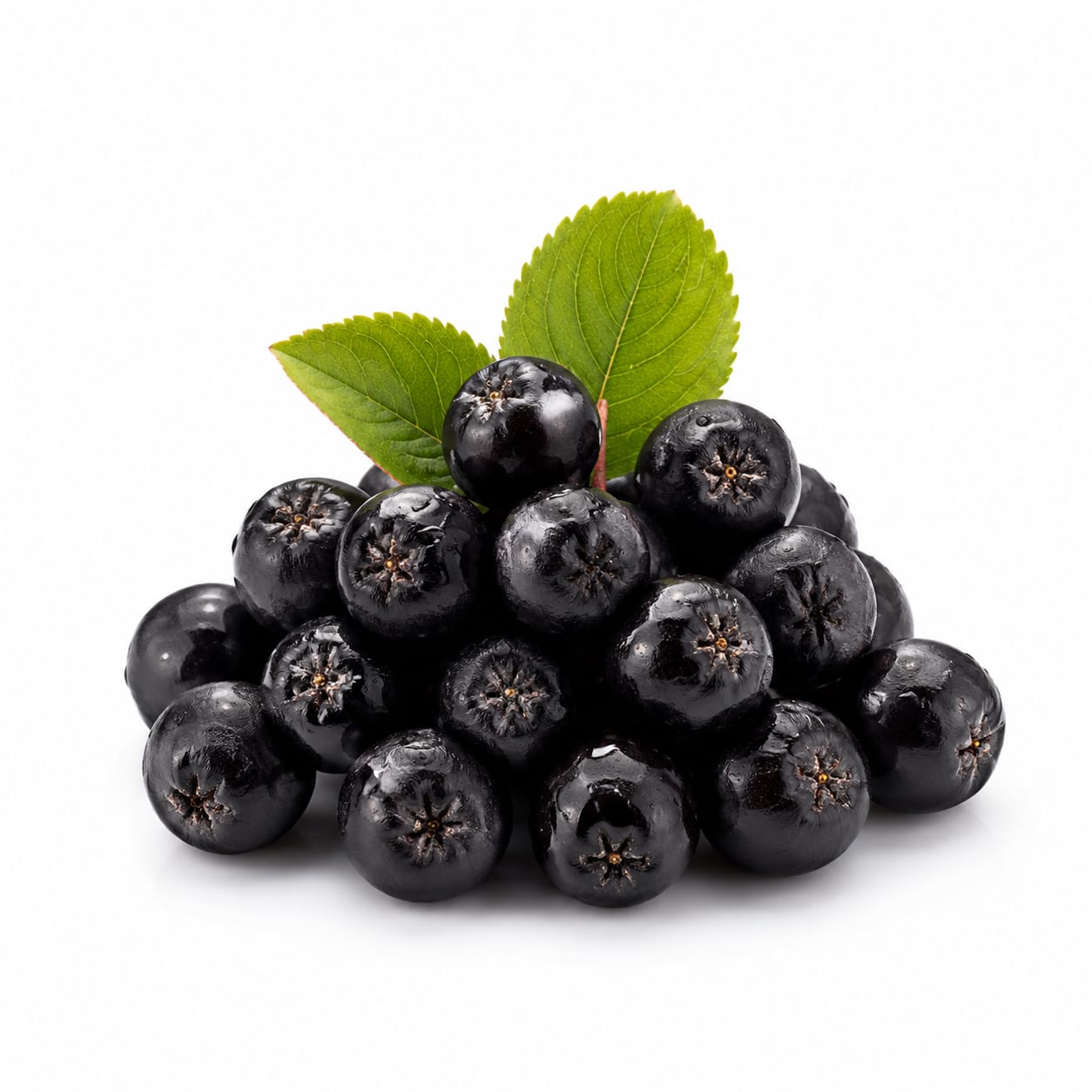
Chokeberry
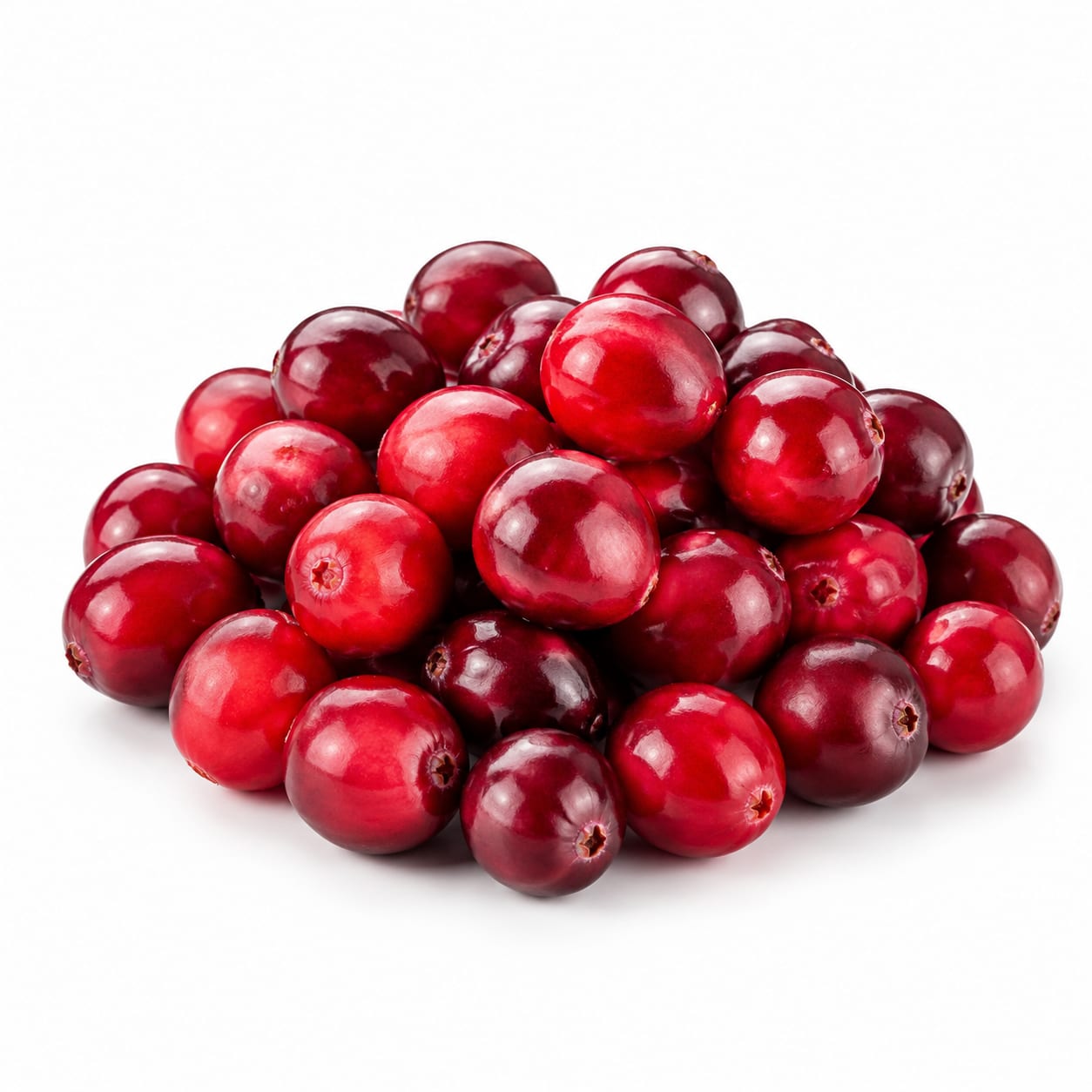
Cranberry
Chokeberry is the antioxidant heavyweight, while Cranberry is the proven defender against urinary tract infections.
Chokeberry scores slightly higher for its unmatched antioxidant density and lower likelihood of added sugar in its common forms, but Cranberry stays competitive due to its specific, proven clinical benefits for UTIs and far superior convenience.
Maximum antioxidant concentration and lower sugar versus proven UTI prevention and much easier availability.
At a glance
Executive summary
Overall
It depends
Healthier
It depends
More practical
Cranberry
Daily use
Cranberry
Key comparison lenses
Antioxidant potency and oxidative stress reduction
Both berries are renowned for their exceptional antioxidant profiles, but Chokeberry is famously one of the most concentrated sources on the planet.
Urinary tract health and infection prevention
Cranberry is the gold standard for UTI prevention, making it a key differentiator against Chokeberry.
Sugar content and blood sugar impact
Both are naturally very tart, meaning they are often consumed dried with added sugar or as juices, which drastically changes their metabolic impact.
Accessibility and everyday practicality
Cranberry products are ubiquitous in grocery stores, while Chokeberry remains a niche item usually found in supplement or powder form.
Best choice for
Chokeberry
- People seeking the highest possible antioxidant intake
- Those blending nutrient-dense smoothies who can mask extreme tartness
- Individuals strictly monitoring sugar intake who use unsweetened powders
Cranberry
- Women prone to recurrent urinary tract infections
- Those wanting a familiar, accessible tart berry for recipes and drinks
- People looking for everyday cardiovascular and immune support
Least suitable for
Chokeberry
- Pickpy eaters who dislike highly astringent, mouth-puckering flavors
- People looking for a quick, ready-to-eat fresh snack
- Those wanting to avoid specialty health stores or online shopping
Cranberry
- People trying to avoid added sugars (if buying typical dried cranberries or cocktails)
- Individuals on blood-thinning medications like warfarin (due to vitamin K and interaction risks)
Deep comparison
Dimension by dimension
Each lens scores both foods and breaks down who each option suits.
- Dimension 1 · Priority 95Chokeberry
Antioxidant Density
Chokeberry · 98Cranberry · 82Chokeberry has one of the highest antioxidant capacities of any fruit, far surpassing Cranberry.
Tradeoff
You get a massive antioxidant punch with Chokeberry, but Cranberry is still excellent and easier to consume in larger quantities.
Why it matters
Higher antioxidant intake helps combat daily oxidative stress from pollution, exercise, and aging.
Real-world impact
A small daily dose of Chokeberry powder delivers the same antioxidant payload as a much larger serving of Cranberry.
Chokeberry
- Combatting severe oxidative stress
- Supporting intensive recovery after endurance sports
Better for
- Those who assume more is always better and overconsume, risking digestive upset
Worse for
Cranberry
- Maintaining a steady, moderate antioxidant intake through enjoyable meals
Better for
- Situations requiring maximum antioxidant therapeutic intervention
Worse for
- Dimension 2 · Priority 90Cranberry
Urinary Tract Health
Chokeberry · 45Cranberry · 96Cranberry contains unique PACs that prevent bacteria from sticking to the urinary tract walls, a benefit Chokeberry lacks.
Tradeoff
Cranberry is the targeted solution for UTIs, while Chokeberry offers more general cellular protection.
Why it matters
Preventing bacterial adhesion is the most effective dietary way to reduce recurrent UTIs without antibiotics.
Real-world impact
A daily glass of pure Cranberry juice or extract can significantly reduce UTI recurrence for susceptible individuals.
Chokeberry
- General immune support rather than targeted antibacterial action
Better for
- Anyone relying on it specifically for UTI prevention
Worse for
Cranberry
- Preventing recurrent urinary tract infections
- Supporting overall bladder health
Better for
- Situations where sugar-free options are unavailable and blood sugar is a concern
Worse for
- Dimension 3 · Priority 85Chokeberry
Blood Sugar Impact
Chokeberry · 88Cranberry · 55Pure Chokeberry is extremely low in sugar and usually sold as unsweetened powder. Most popular Cranberry products are loaded with added sugar to offset tartness.
Tradeoff
Chokeberry's natural form is sugar-free but intensely tart, whereas finding a palatable sugar-free Cranberry product requires careful label reading.
Why it matters
Added sugars in dried cranberries and juice cocktails can spike blood sugar and negate many of the berry's health benefits.
Real-world impact
Eating a handful of standard dried cranberries is closer to eating candy than fresh fruit, whereas a Chokeberry supplement adds zero sugar to your day.
Chokeberry
- Diabetics seeking potent antioxidants without glycemic spikes
- Keto and low-carb dieters
Better for
- Those who struggle to consume anything extremely bitter without sweeteners
Worse for
Cranberry
- Endurance athletes who can utilize the quick carbs from sweetened cranberry snacks
Better for
- Anyone trying to minimize added sugar intake
Worse for
- Dimension 4 · Priority 75Cranberry
Accessibility and Convenience
Chokeberry · 35Cranberry · 90Cranberry is a staple in every grocery store, available fresh, dried, and juiced. Chokeberry is a niche product usually found online or in specialty stores.
Tradeoff
Cranberry fits effortlessly into a normal shopping routine, while Chokeberry requires planning and often a higher budget.
Why it matters
The healthiest food is the one you can actually find and consistently use.
Real-world impact
You can grab Cranberry products anywhere, but finding Chokeberry means ordering supplements or frozen puree online.
Chokeberry
- Biohackers who plan their supplement stacks in advance
Better for
- Spontaneous shoppers
- Those on a tight budget
Worse for
Cranberry
- Busy families needing easy grocery runs
- Travelers who want to maintain healthy habits on the go
Better for
- Those seeking the absolute most potent, concentrated superfood
Worse for
Timeline
Health impact over time
Short-term
Hours to days
Chokeberry
- Immediate intense astringency that dries the mouth
- Rapid influx of antioxidants without a blood sugar crash
Cranberry
- Quick hydration if consuming juice
- Potential blood sugar spike if consuming sweetened dried fruit or juice cocktails
Long-term
Months to years
Chokeberry
- Strong cellular protection against oxidative damage
- Support for healthy blood pressure and circulation
Cranberry
- Significantly reduced risk of recurrent UTIs
- Potential interaction with blood thinners requiring medical supervision
Risk profile
Safety & processing
Chokeberry is typically freeze-dried into a powder with no additives. Cranberry is most commonly consumed as sweetened dried fruit or juice cocktails, which rely heavily on added sugars or artificial sweeteners to become palatable.
Chokeberry
Oxalate content
lowLike many berries, Chokeberry contains some oxalates, which could be a minor concern for those prone to kidney stones if consumed in massive amounts.
Cranberry
Medication interaction
highCranberry can interact with blood thinners like warfarin, potentially increasing bleeding risk. Always consult a doctor if on these medications.
Added sugar intake
mediumThe high sugar content in typical Cranberry juices and dried snacks can contribute to weight gain and metabolic issues if not carefully managed.
Who wins for whom
Audience fit
Same foods, different winners depending on your goal.
children
CranberryCranberry is far more palatable and familiar to kids, especially in mild juice blends, whereas Chokeberry is too harsh and astringent for young taste buds.
daily consumption
CranberryCranberry is easier to find, easier to consume, and offers a well-rounded daily health benefit, making it more sustainable for long-term habits.
diabetes
ChokeberryChokeberry's standard forms contain no sugar and will not spike blood glucose, whereas finding safe, unsweetened Cranberry products is difficult.
elderly
CranberryThe proven UTI prevention benefits of Cranberry are highly valuable for older adults, provided they manage the sugar intake and check for medication interactions.
muscle gain
It dependsNeither berry is particularly relevant for muscle building; they are both functional foods best used to support overall health alongside higher-protein staples.
weight loss
ChokeberryChokeberry provides intense flavor and massive nutrients with zero sugar, making it easy to incorporate into a calorie-deficit diet without triggering cravings.
Your move
Decision guide
Choose Chokeberry
- You want the most powerful antioxidant boost possible
- You are making smoothies and can blend the intense powder with sweeter fruits
- You are strictly avoiding added sugars and need a zero-sugar superfood
Choose Cranberry
- You struggle with recurrent urinary tract infections
- You want a healthy berry you can actually find at a regular grocery store
- You prefer a tart but manageable flavor for cooking, baking, or drinking
Either works if
- You are looking to increase your daily intake of polyphenols
- You want natural support for your immune system and heart health
Avoid both if
- You are looking for a sweet, satisfying snack fruit to eat by the handful
- You have severe kidney issues and must strictly limit oxalates
Final recommendation
If urinary tract health is your top priority, Cranberry is the clear, evidence-backed winner. If you are chasing maximum antioxidant power and want to avoid the sugar trap of many Cranberry products, Chokeberry is an incredibly potent alternative. For most everyday diets, keeping pure Cranberry extract for UTIs and Chokeberry powder for smoothies offers the best of both worlds.
Practical
Consumer tips
- 1
If buying Cranberry juice, look for 100% pure, unsweetened juice. Avoid 'cocktails' which are mostly sugar water.
- 2
Standard dried cranberries are sweetened with sugar. Look for juice-sweetened or unsweetened freeze-dried versions instead.
- 3
Chokeberry powder blends beautifully into thick smoothies with bananas or berries to mask its extreme astringency.
- 4
If you take blood thinners, talk to your doctor before making Cranberry a daily habit.
- 5
A little goes a long way with Chokeberry; a teaspoon of powder is enough to get the benefits without overwhelming your palate.