
Nutrition comparison
Chokeberry vs Goji Berry: Which Superfood Is Actually Better for You?
Chokeberry delivers more antioxidants per gram but goji berry is easier to eat daily. Compare their nutrition, safety, taste, and real-world value to find which berry fits your health goals.
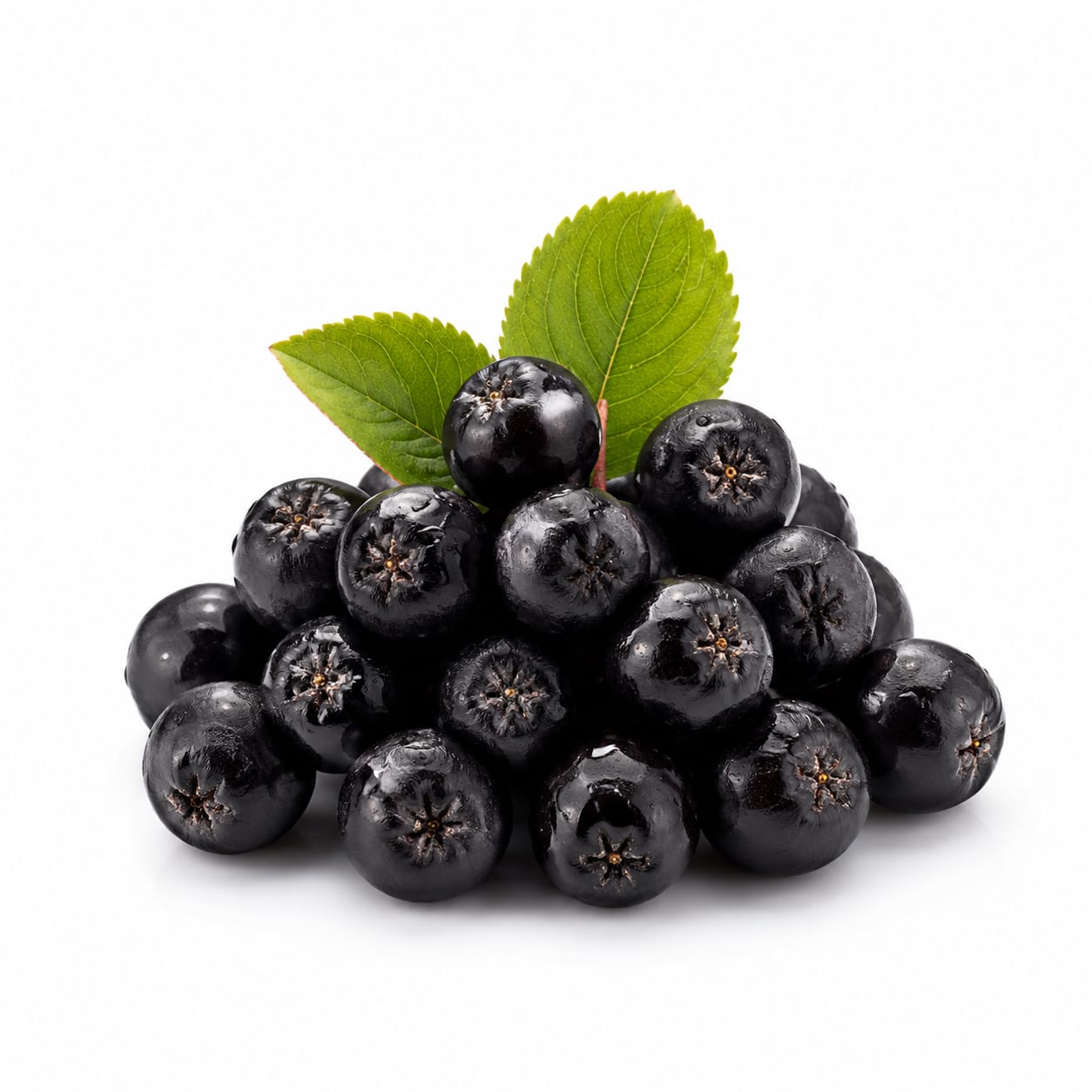
Chokeberry
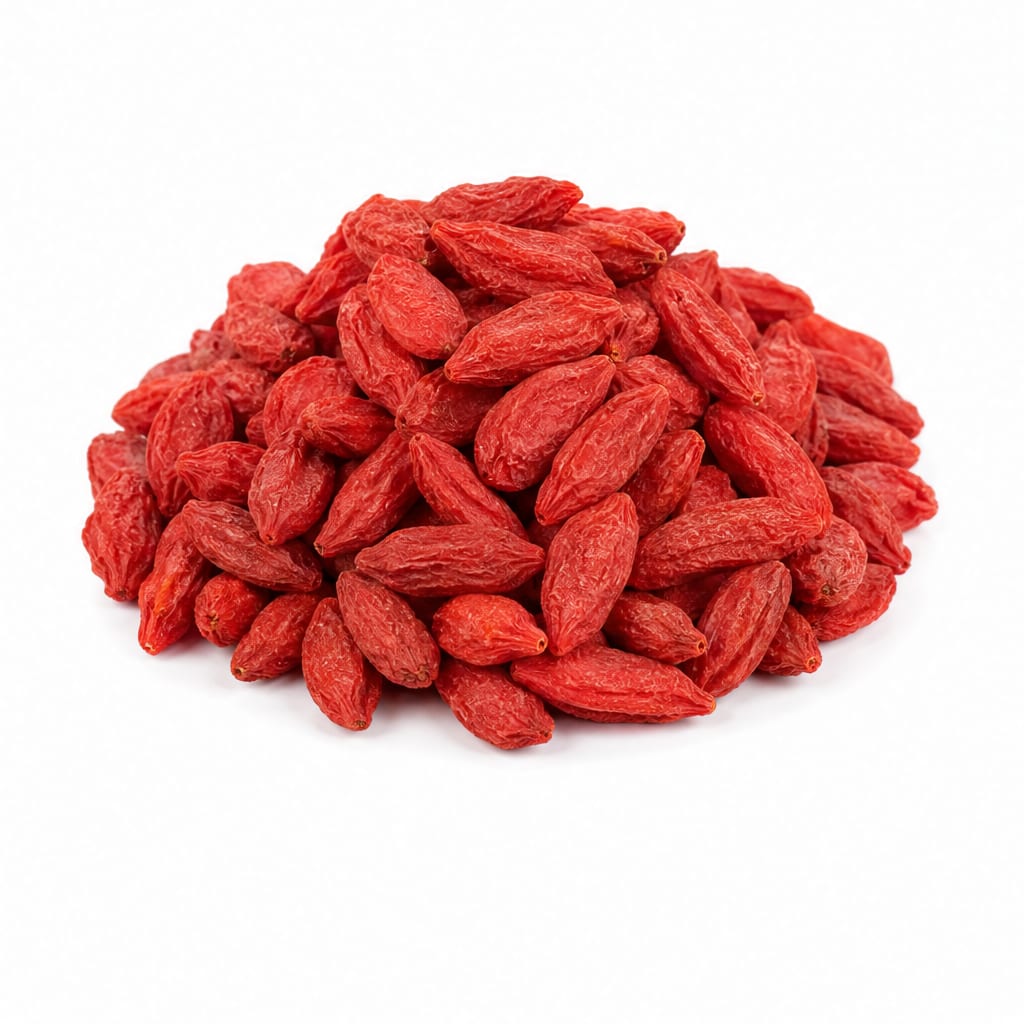
Goji berry
Chokeberry delivers far more antioxidants per bite but tastes harsh and is harder to find. Goji berry is sweeter, more versatile, and easier to enjoy daily, but carries higher sugar and contamination concerns.
Chokeberry scores higher on pure nutritional density and safety, but loses significant ground on palatability and practical daily use. Goji berry's ease of eating and broader availability close the gap. The close scores reflect that the 'better' choice depends heavily on whether you prioritize potency or consistency.
Raw antioxidant power versus everyday enjoyability and convenience.
At a glance
Executive summary
Overall
It depends
Healthier
Chokeberry
More practical
Goji berry
Daily use
Goji berry
Key comparison lenses
antioxidant density comparison
Both berries are marketed as antioxidant powerhouses, so determining which actually delivers more matters deeply to users choosing between them
taste and palatability
Chokeberry is notoriously astringent while goji is sweeter and more snackable — this heavily influences real-world adherence
safety and contamination
Goji berries from certain regions carry pesticide and heavy metal concerns that users should know about
blood sugar impact
Sugar content differs meaningfully between these berries, affecting diabetic and low-carb users
value for money
Both are premium superfoods with wide price variation; understanding what you actually get per dollar matters
Best choice for
Chokeberry
- Antioxidant maximizers who want the highest ORAC score possible
- People managing blood sugar who need lower-sugar fruit options
- Those concerned about pesticide exposure from imported superfoods
- Smoothie and juice blend users who can mask the astringent taste
Goji berry
- People who want a superfood they will actually enjoy eating daily
- Snackers looking for a portable, palatable dried berry
- Anyone seeking a gentler entry into functional foods
- Traditional Chinese medicine followers who value goji's historical use
Least suitable for
Chokeberry
- People who dislike bitter or astringent flavors and will avoid eating it
- Anyone looking for a quick grab-and-go snack berry
- Those who need widely available grocery store options
Goji berry
- People on strict low-sugar or keto diets
- Those concerned about pesticide residues from imported berries
- Anyone taking blood thinners who should avoid goji's potential interactions
Deep comparison
Dimension by dimension
Each lens scores both foods and breaks down who each option suits.
- Dimension 1 · Priority 95Chokeberry
antioxidant_density
Chokeberry · 96Goji berry · 74Chokeberry has one of the highest antioxidant capacities of any fruit measured, significantly outpacing goji berry in anthocyanin content.
Tradeoff
You get far more antioxidant power from chokeberry, but only if you can tolerate its intense astringency enough to consume it regularly.
Why it matters
Higher antioxidant intake correlates with reduced oxidative stress, which affects aging, inflammation, and chronic disease risk over time.
Real-world impact
A small serving of chokeberry delivers more antioxidant value than a larger handful of goji berries — but most people will happily eat the goji and struggle with the chokeberry.
Chokeberry
- Fighting chronic inflammation
- Supporting cardiovascular health long-term
- Maximizing antioxidant intake per calorie
Better for
- Anyone who cannot stomach the taste and ends up not eating it at all
Worse for
Goji berry
- Getting consistent daily antioxidant intake because it tastes pleasant
- People who find chokeberry too harsh to consume in meaningful amounts
Better for
- Situations where you need maximum antioxidant impact from minimal food volume
Worse for
- Dimension 2 · Priority 88Goji berry
taste_and_palatability
Chokeberry · 28Goji berry · 78Goji berries are mildly sweet with a pleasant chewy texture. Chokeberries are intensely tart and mouth-drying, earning their name honestly.
Tradeoff
Goji is a berry you look forward to eating; chokeberry is one you endure for the health benefits. That difference determines whether a superfood habit sticks.
Why it matters
The healthiest food only works if you actually eat it consistently. Palatability is the single biggest predictor of long-term adherence.
Real-world impact
Most people will snack on goji berries straight from the bag. Chokeberry almost always needs to be hidden in smoothies, baked goods, or mixed with sweeter fruits.
Chokeberry
- People who enjoy very tart flavors and find sweet berries too sugary
Better for
- Anyone with sensitivity to astringent or bitter flavors
- Situations where you want a pleasant-tasting snack
Worse for
Goji berry
- Casual snacking and trail mix
- Getting children to eat a superfood
- Standalone eating without needing to mask the flavor
Better for
- Those who find even mild sweetness unappealing
Worse for
- Dimension 3 · Priority 82Chokeberry
blood_sugar_and_metabolic_impact
Chokeberry · 85Goji berry · 62Chokeberry is notably lower in sugar and has demonstrated blood sugar–stabilizing properties. Dried goji berries are sweeter and more concentrated in carbohydrates.
Tradeoff
Chokeberry supports steadier blood sugar but tastes harsh. Goji tastes better but can contribute to sugar spikes, especially in its dried form.
Why it matters
For anyone managing diabetes, insulin resistance, or energy crashes, the sugar difference between these berries is not trivial.
Real-world impact
A handful of dried goji berries can cause a noticeable blood sugar rise in sensitive individuals. Chokeberry, even in dried form, is far less likely to do so.
Chokeberry
- Diabetics and pre-diabetics
- Keto and low-carb dieters
- Anyone trying to avoid afternoon energy crashes
Better for
- Situations where you need fast-acting carbohydrate fuel
Worse for
Goji berry
- Athletes who want quick-digesting carbs post-workout
- People who need easily accessible energy during long hikes
Better for
- Blood sugar management and metabolic syndrome
- Anyone prone to sugar cravings triggered by sweet foods
Worse for
- Dimension 4 · Priority 80Chokeberry
safety_and_contamination
Chokeberry · 88Goji berry · 58Chokeberry is typically grown in North America and Europe with stricter agricultural standards. Goji berries are predominantly imported from China, where pesticide and heavy metal contamination has been documented.
Tradeoff
Chokeberry offers cleaner sourcing with less contamination risk. Goji's supply chain is more opaque, requiring careful brand selection to ensure safety.
Why it matters
You are eating these berries for health. Contaminants directly undermine that purpose and can introduce risks that outweigh the benefits.
Real-world impact
Multiple studies and regulatory checks have found concerning pesticide levels in some goji berry imports. Sourcing organic and verified brands is essential but not always sufficient.
Chokeberry
- Minimizing pesticide exposure
- Avoiding heavy metal contamination risk
- People who want transparent, traceable sourcing
Better for
- No significant safety downsides beyond standard agricultural considerations
Worse for
Goji berry
- Only if you source certified organic goji from reputable suppliers with third-party testing
Better for
- Risk of pesticide residues from conventionally grown imports
- Potential heavy metal exposure from contaminated soil in some growing regions
- Drug interactions with blood thinners like warfarin
Worse for
- Dimension 5 · Priority 72Goji berry
availability_and_convenience
Chokeberry · 35Goji berry · 82Goji berries are widely available in grocery stores, health food shops, and online. Chokeberry products are niche and harder to find, often requiring specialty or online ordering.
Tradeoff
Goji is easy to pick up almost anywhere. Chokeberry requires more effort to source, which creates a barrier to consistent use.
Why it matters
Convenience determines whether a health food becomes a habit or a one-time purchase that sits forgotten in a cabinet.
Real-world impact
You can find goji berries at most Whole Foods, Trader Joe's, and even conventional supermarkets. Chokeberry usually requires an online order or a specialty health store visit.
Chokeberry
- People comfortable ordering health products online regularly
- Those who plan meals and snacks in advance
Better for
- Last-minute meal prep or snack needs
- People who lack reliable online shopping access
Worse for
Goji berry
- Impulse or convenience shoppers
- Anyone who wants to grab superfoods during a regular grocery run
- Travelers who need portable, available options
Better for
- No significant availability downsides
Worse for
- Dimension 6 · Priority 70It depends
nutrient_breadth
Chokeberry · 76Goji berry · 78Chokeberry excels in anthocyanins and vitamin C. Goji berry offers more vitamin A precursors, iron, and unique polysaccharides. Their nutrient profiles complement rather than compete.
Tradeoff
Chokeberry is deeper in a few key antioxidants. Goji is broader across vitamins and minerals. Neither is nutritionally complete on its own.
Why it matters
Different nutrient profiles suit different gaps in your diet. The better choice depends on what you already eat regularly.
Real-world impact
If your diet is already rich in orange vegetables, goji's vitamin A contribution is redundant. If you lack deep purple foods, chokeberry fills a rarer gap.
Chokeberry
- Filling the anthocyanin gap that most diets lack
- Vitamin C support in a low-sugar package
Better for
- Providing broad-spectrum vitamin and mineral coverage
Worse for
Goji berry
- Boosting vitamin A intake for eye and immune health
- Adding plant-based iron to a vegetarian or vegan diet
- Benefiting from unique goji polysaccharides for immune modulation
Better for
- Delivering the deep anthocyanin concentration that purple and blue foods offer
Worse for
Timeline
Health impact over time
Short-term
Hours to days
Chokeberry
- Noticeable mouth-drying astringency that can be unpleasant at first
- Unlikely to cause blood sugar spikes due to low sugar content
- May cause mild digestive adjustment if consumed in large amounts due to high tannin content
Goji berry
- Pleasant eating experience that feels like a treat rather than medicine
- Possible mild blood sugar rise from the natural sugars in dried form
- Potential allergic reaction in rare cases, especially for those sensitive to nightshade family plants
Long-term
Months to years
Chokeberry
- Superior antioxidant protection that may reduce chronic disease risk over decades
- Blood sugar–stabilizing effects that support metabolic health with consistent use
- Anti-inflammatory benefits that accumulate with regular consumption
- Risk of simply not consuming enough due to taste aversion, negating benefits
Goji berry
- Consistent antioxidant intake driven by palatability and ease of use
- Immune-supporting polysaccharides that may enhance resilience over time
- Potential cumulative exposure to contaminants if sourcing is not carefully managed
- Higher sugar intake from regular dried fruit consumption may undermine metabolic goals
Risk profile
Safety & processing
Both berries are typically sold dried or as juice with minimal processing. However, some goji berry products contain added sulfites or sweeteners to improve shelf life and taste, so label reading is essential. Chokeberry products tend to have simpler ingredient lists because the market expects a more functional, less snack-oriented product.
Chokeberry
Tannin sensitivity
lowHigh tannin content can cause digestive discomfort or nausea in sensitive individuals if consumed in large quantities. Moderate intake avoids this issue.
Oxalate content
lowChokeberry contains moderate oxalates. People with a history of calcium oxalate kidney stones should be mindful of intake but do not need to avoid it entirely.
Goji berry
Pesticide residues
mediumGoji berries grown in China have repeatedly tested positive for pesticide residues exceeding safety standards. Organic certification reduces but does not eliminate this concern.
Blood thinner interaction
mediumGoji berries may interact with anticoagulant medications like warfarin, potentially increasing bleeding risk. Anyone on blood thinners should consult their doctor before regular consumption.
Heavy metal contamination
lowSome goji berry samples from certain growing regions have shown elevated lead and cadmium levels. Third-party tested brands significantly reduce this risk.
Who wins for whom
Audience fit
Same foods, different winners depending on your goal.
children
Goji berryChildren are far more likely to eat goji berries willingly due to their sweeter, friendlier taste. Chokeberry's astringency makes it a very hard sell for most kids.
daily consumption
Goji berryThe berry you enjoy eating daily beats the one you have to force down. Goji's palatability gives it a practical edge for sustained daily use, provided you source it carefully.
diabetes
ChokeberryChokeberry's low sugar content and demonstrated blood sugar–stabilizing properties make it clearly safer for glucose management. Dried goji berries can raise blood sugar meaningfully.
elderly
Goji berryGoji's vitamin A content supports eye health, and its pleasant taste ensures consistent intake. However, elderly individuals on blood thinners should choose chokeberry instead for safety.
muscle gain
Goji berryGoji provides slightly more carbohydrate energy and iron, which support training recovery. Neither berry is a significant protein source, so the edge goes to the one offering more usable energy.
weight loss
ChokeberryLower sugar and calorie density make chokeberry more compatible with weight loss goals. Goji's sweetness can trigger cravings for more sweet foods in some people.
Your move
Decision guide
Choose Chokeberry
- You prioritize maximum antioxidant impact over taste
- You are managing blood sugar, diabetes, or insulin resistance
- You want a lower-sugar functional food with minimal contamination risk
- You blend berries into smoothies or juices where taste can be masked
- You are on blood thinners and need to avoid goji's potential interactions
Choose Goji berry
- You want a superfood you will actually look forward to eating every day
- You need a portable, snackable berry for work, travel, or hiking
- You are seeking vitamin A and iron support from a whole food source
- You value traditional medicine history and goji's long record of use
- You can source certified organic, third-party tested goji from reputable brands
Either works if
- You are building a diverse antioxidant stack and want variety
- Your diet already includes plenty of berries and you are adding functional diversity
- You rotate superfoods seasonally rather than committing to one daily
Avoid both if
- You have a berry allergy or sensitivity to either plant family
- You expect either berry to produce dramatic health changes on its own without dietary context
- You are on a tight budget and cannot justify premium superfood pricing for modest nutritional returns
Final recommendation
If you can only choose one, go with goji berry for daily use because you will actually eat it consistently. If you are a smoothie maker or someone who prioritizes potency over pleasure, chokeberry delivers more per gram. The smartest approach is using both: chokeberry in blended drinks where taste is hidden, and goji as your everyday snack berry. Always choose organic, third-party tested goji to minimize contamination risk.
Practical
Consumer tips
- 1
If buying goji berries, look for brands that provide third-party lab testing results for pesticides and heavy metals. This is non-negotiable for regular consumption.
- 2
Chokeberry juice is the most practical way to consume chokeberry if you find the whole fruit too astringent. Mix it with apple or grape juice to improve taste.
- 3
Store both berries in airtight containers away from light and heat. Dried berries can lose antioxidant potency over time if stored poorly.
- 4
Start with small amounts of chokeberry — its tannin content can cause stomach upset if you eat too much too fast.
- 5
Avoid goji berry products with added sugar, sulfites, or preservatives. The ingredient list should be just one item: goji berries.
- 6
If you take warfarin or other blood thinners, skip goji berries entirely and choose chokeberry instead. Consult your doctor either way.
- 7
Frozen chokeberry is often more affordable than dried and works perfectly in smoothies and baked goods.
- 8
Neither berry is a miracle food. They are excellent additions to an already nutrient-dense diet, not replacements for one.