
Nutrition comparison
Chokeberry vs Acai Berry: Which Superfruit Is Actually Better for You?
Chokeberry delivers more antioxidants per gram, but acai is easier to eat daily. Compare these two superfruits on taste, nutrition, sugar, and real-world usability to find which fits your health goals.
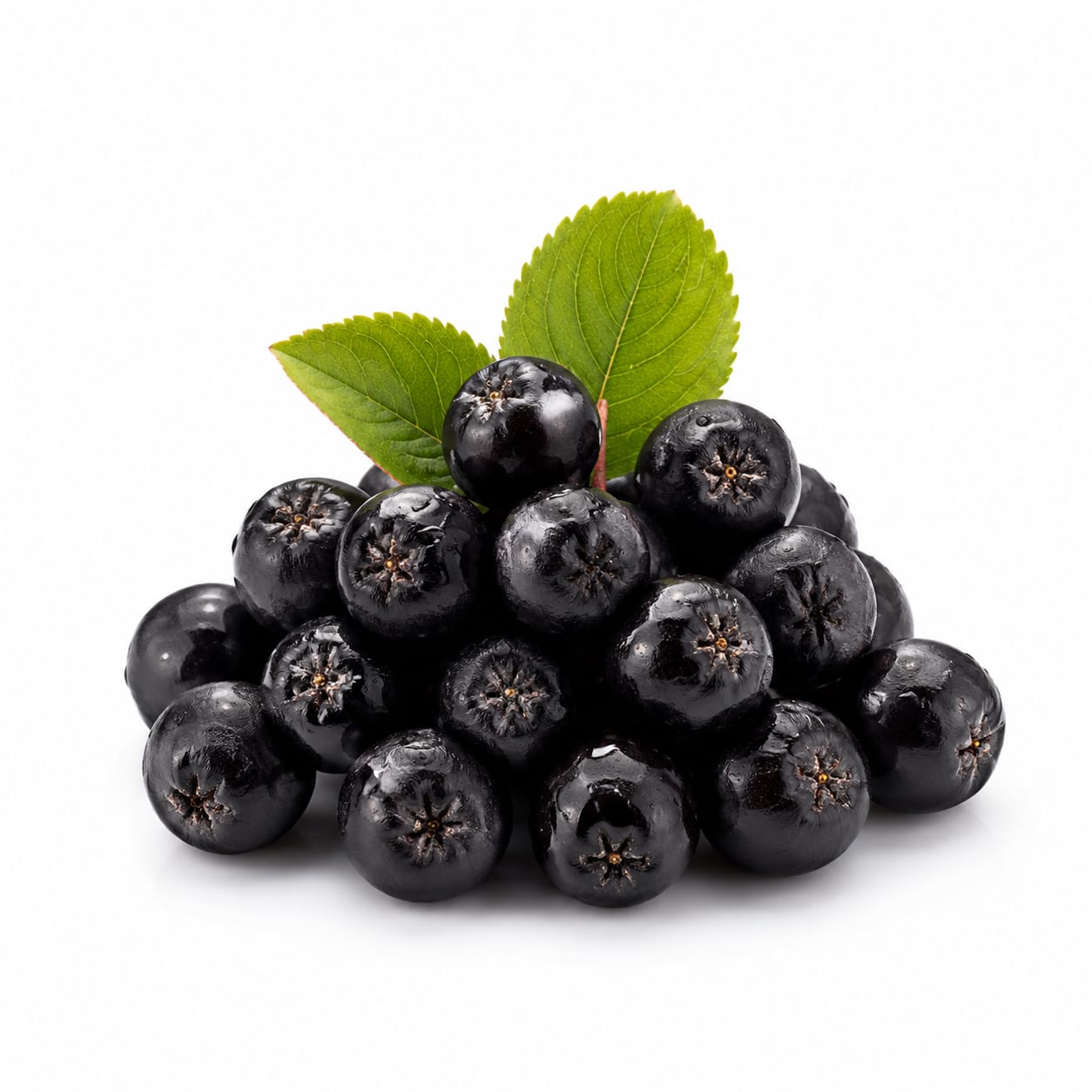
Chokeberry
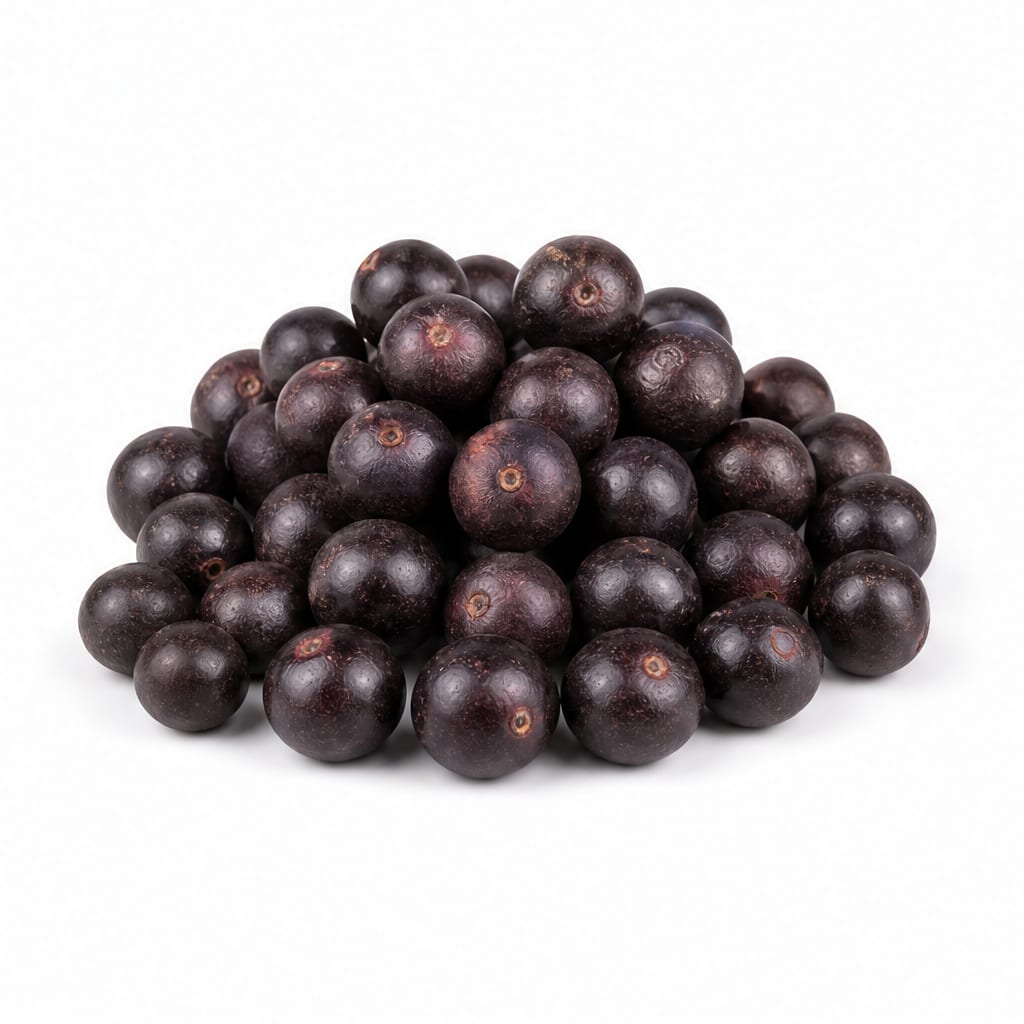
Acai berry
Chokeberry wins on raw antioxidant power and lower sugar, but acai is far more enjoyable to eat regularly and brings healthy fats that chokeberry lacks.
Chokeberry scores slightly higher due to superior antioxidant concentration and lower sugar, but acai stays close because its healthy fats and palatability make it easier to consume consistently. A supplement you never take is worse than a food you enjoy daily.
Maximum nutritional density versus sustainable daily enjoyment — chokeberry is the stronger supplement, acai is the better food.
At a glance
Executive summary
Overall
It depends
Healthier
Chokeberry
More practical
Acai berry
Daily use
Acai berry
Key comparison lenses
Antioxidant potency comparison
Both berries are legendary for antioxidant density — users want to know which actually delivers more
Taste and palatability tradeoffs
Chokeberry is notoriously astringent while acai is milder and creamier, heavily influencing real-world use
Processing and purity concerns
Both are rarely eaten fresh outside their native regions, so processing quality matters enormously
Healthy fat content
Acai is unusually high in fats for a berry, which changes its nutritional role significantly
Practical availability and cost
Acai is widely available in stores but often in sugary bowls; chokeberry is harder to find but often less processed
Best choice for
Chokeberry
- People targeting maximum antioxidant intake
- Those managing blood sugar who want low-sugar berries
- Anyone willing to use powders or supplements rather than eating whole
- Individuals focused on heart health and vascular function
Acai berry
- People who want an antioxidant-rich food they actually enjoy eating
- Anyone needing healthy fats from fruit sources
- Smoothie and bowl enthusiasts seeking nutrient density with creaminess
- Those who find tart foods unpleasant and want a milder superfruit
Least suitable for
Chokeberry
- Pickny eaters who dislike strong astringency
- People looking for a pleasant snacking berry
- Anyone sensitive to very tart flavors
- Those wanting a quick fresh berry to eat raw
Acai berry
- People strictly limiting dietary fat
- Those avoiding the sugary additives common in acai bowls
- Budget-conscious shoppers looking for affordable superfruits
- Anyone concerned about overhyped superfood marketing
Deep comparison
Dimension by dimension
Each lens scores both foods and breaks down who each option suits.
- Dimension 1 · Priority 95Chokeberry
Antioxidant density
Chokeberry · 96Acai berry · 88Chokeberry has one of the highest ORAC values ever recorded for a fruit, significantly exceeding acai.
Tradeoff
You get more antioxidant power per gram from chokeberry, but the extreme astringency makes it harder to consume in meaningful quantities.
Why it matters
Higher antioxidant intake correlates with reduced oxidative stress, better vascular function, and slower cellular aging.
Real-world impact
A teaspoon of chokeberry powder may deliver more anthocyanins than a full acai bowl — but only if you actually use it consistently.
Chokeberry
- Combating oxidative stress efficiently
- Supporting vascular health with smaller servings
- Getting maximum polyphenols per calorie
Better for
- Anyone who cannot tolerate the taste and ends up not consuming it at all
Worse for
Acai berry
- Getting a broader mix of antioxidants with healthy fats that improve absorption
- Sustained intake because it tastes pleasant enough to eat regularly
Better for
- Situations requiring the absolute highest antioxidant concentration per gram
Worse for
- Dimension 2 · Priority 88Acai berry
Taste and palatability
Chokeberry · 30Acai berry · 78Chokeberry is intensely tart and mouth-drying; acai is mild, slightly earthy, and creamy when blended.
Tradeoff
Acai is genuinely enjoyable in smoothies and bowls, while chokeberry usually needs to be hidden in other foods or taken as a capsule.
Why it matters
The best superfood is the one you actually eat. Palatability determines consistency, and consistency drives results.
Real-world impact
Most people look forward to an acai bowl. Few people look forward to raw chokeberry anything — it is an acquired taste that many never acquire.
Chokeberry
- People who enjoy extremely tart flavors
- Anyone using it purely as a supplement where taste is irrelevant
Better for
- Children who refuse bitter or astringent foods
- Anyone trying to build sustainable healthy eating habits through enjoyment
Worse for
Acai berry
- Daily smoothie drinkers
- Families wanting a healthy treat everyone will eat
- Anyone who has abandoned healthy foods before because they tasted bad
Better for
- People who find it too bland without added sweeteners
Worse for
- Dimension 3 · Priority 75Acai berry
Healthy fat content
Chokeberry · 15Acai berry · 85Acai is unusually rich in oleic acid, omega-6, and omega-9 fats for a berry. Chokeberry is essentially fat-free.
Tradeoff
Acai provides fats that support heart health and nutrient absorption, but this also makes it more calorie-dense.
Why it matters
Fat-soluble antioxidants like those in both berries are better absorbed with dietary fat present — acai naturally provides this.
Real-world impact
An acai bowl with its natural fats keeps you fuller longer than a fat-free chokeberry juice. The fats also help your body actually use the antioxidants you are eating.
Chokeberry
- Anyone strictly tracking calories who wants maximum nutrients per calorie
Better for
- Meals where you need lasting fullness from the berry itself
Worse for
Acai berry
- Sustained energy and satiety from a berry-based meal
- Better absorption of fat-soluble antioxidants
- People replacing less healthy fat sources with a whole-food option
Better for
- Low-fat diet protocols that restrict even healthy fat sources
Worse for
- Dimension 4 · Priority 80Chokeberry
Sugar and blood sugar impact
Chokeberry · 90Acai berry · 65Chokeberry is naturally very low in sugar. Acai is moderate, but commercial acai bowls often contain large amounts of added sugar.
Tradeoff
Pure acai is reasonably low-sugar, but the way most people actually consume it — in bowls loaded with honey, granola, and fruit — makes it a blood sugar spike risk.
Why it matters
The gap between what a food is and how people actually eat it determines real-world blood sugar outcomes.
Real-world impact
A chokeberry supplement adds almost no sugar to your day. A restaurant acai bowl can easily hit 40-60 grams of sugar — more than a can of soda.
Chokeberry
- People with diabetes or insulin resistance
- Keto and low-carb dieters
- Anyone tracking sugar intake carefully
Better for
- Situations where a small amount of natural sugar would improve palatability enough to ensure consumption
Worse for
Acai berry
- Active people who can handle moderate natural sugars
- Post-workout nutrition where some carbs are beneficial
Better for
- Anyone ordering acai bowls at restaurants without checking sugar content
- People with blood sugar concerns eating commercial acai products
Worse for
- Dimension 5 · Priority 70Acai berry
Availability and practical use
Chokeberry · 40Acai berry · 75Acai products are widely available in grocery stores, cafes, and online. Chokeberry is niche and harder to source.
Tradeoff
Acai is easier to find but often comes in heavily processed, sugar-added forms. Chokeberry is harder to find but often available as a cleaner supplement.
Why it matters
Convenience drives consistency. The superfood you can buy at the store beats the one you have to special-order online.
Real-world impact
You can grab frozen acai packs at most grocery stores. Finding quality chokeberry products usually requires specialty retailers or online ordering with shipping costs.
Chokeberry
- People comfortable ordering supplements online
- Anyone who prefers minimal-ingredient products with less commercial processing
Better for
- Anyone without reliable online shopping access
- People who want to try something before committing to a purchase
Worse for
Acai berry
- Busy people who need something available at regular stores
- Travelers who want superfood options at cafes and smoothie shops
Better for
- Those in areas where acai bowls are the only option and they come loaded with sugar
Worse for
Timeline
Health impact over time
Short-term
Hours to days
Chokeberry
- Noticeable astringency that dries the mouth immediately
- Quick antioxidant boost without any blood sugar spike
- May cause mild digestive discomfort if consumed in large amounts due to tannins
Acai berry
- Natural fats provide a feeling of sustained fullness for 2-3 hours
- Mild energy boost from natural sugars and healthy fats combined
- Commercial bowls may cause a sugar rush and subsequent crash within 90 minutes
Long-term
Months to years
Chokeberry
- Consistent use may support healthier blood pressure and vascular function
- High anthocyanin intake associated with reduced inflammation markers over months
- Unlikely to be consumed consistently enough by most people to realize full benefits
Acai berry
- Regular intake of healthy fats from acai supports cardiovascular health over time
- Antioxidant content contributes to skin health and reduced oxidative damage
- Risk of excess sugar intake if frequently consumed as sweetened bowls, potentially undermining benefits
Risk profile
Safety & processing
Chokeberry is typically sold as a simple powder, juice, or frozen whole berry with minimal additives. Acai is commonly sold as frozen pulp, smoothie packs, or bowl bases that often include added sugars, emulsifiers, and other ingredients to improve texture and taste. The cleaner product is usually chokeberry, but acai can be clean if you read labels carefully.
Chokeberry
Tannin sensitivity
lowHigh tannin content can cause nausea or digestive upset in sensitive individuals when consumed in large quantities
Limited regulation of supplements
mediumChokeberry powders and extracts are loosely regulated; quality and purity vary significantly between brands
Acai berry
Added sugars in commercial products
highMost acai bowls and smoothie packs contain substantial added sugar, which can negate the health benefits entirely
Oxidation during transport
mediumAcai degrades quickly after harvesting; improper processing or storage reduces antioxidant content significantly
Superfood marketing exaggeration
mediumMany acai products make unsubstantiated health claims; the reality is good but not miraculous
Who wins for whom
Audience fit
Same foods, different winners depending on your goal.
children
Acai berryChildren will almost universally reject chokeberry's extreme tartness. Acai in a smoothie is far more likely to be accepted and enjoyed.
daily consumption
Acai berryAcai is pleasant enough to eat every day without fatigue. Chokeberry becomes a chore for most people after the first week.
diabetes
ChokeberryChokeberry's near-zero sugar content and proven blood sugar support make it clearly safer for glucose management.
elderly
ChokeberryChokeberry's vascular benefits and anti-inflammatory properties are particularly valuable for older adults, and the supplement form is easy to consume.
muscle gain
It dependsNeither berry is a protein source. Acai's healthy fats can support hormone production relevant to muscle gain, but both are supplementary at best.
weight loss
ChokeberryLower calories, virtually no sugar, and no fat make chokeberry easier to fit into a calorie deficit — as long as you can tolerate the taste.
Your move
Decision guide
Choose Chokeberry
- You prioritize maximum antioxidant intake over taste
- You are managing blood sugar or following a low-carb diet
- You are comfortable taking a supplement rather than eating a food
- You want the least processed, cleanest product possible
- You have vascular health concerns and want targeted support
Choose Acai berry
- You want a superfood you will actually look forward to eating
- You benefit from healthy fats in your diet
- You make smoothies or bowls at home where you control the ingredients
- You need something the whole family will eat
- You find most healthy foods boring and want something enjoyable
Either works if
- You are simply looking to increase your daily antioxidant intake from whole-food sources
- You rotate between different superfruits for variety
- You use both as part of a diverse diet rather than relying on one
Avoid both if
- You have berry allergies or sensitivities
- You expect either to produce dramatic weight loss or cure any condition on its own
- You are buying pre-made acai bowls at restaurants and assuming they are automatically healthy
Final recommendation
Use chokeberry as your serious supplement and acai as your enjoyable food. Add chokeberry powder to a smoothie that already contains acai — you get the antioxidant density of chokeberry with the creaminess and healthy fats of acai, and the other smoothie ingredients mask the astringency. This combination gives you the best of both without having to choose.
Practical
Consumer tips
- 1
If buying acai, always check the ingredient list — the first ingredient should be acai, not apple juice or sugar
- 2
Frozen acai pulp with no added sugar is the cleanest widely available form
- 3
Chokeberry powder mixes well into oatmeal, yogurt, or protein shakes where other flavors dominate
- 4
Start with small amounts of chokeberry to test your tolerance for tannins before committing to a large purchase
- 5
Avoid acai bowls at restaurants unless you can verify sugar content — many contain 40-60 grams of sugar per serving
- 6
Store both berries frozen or in airtight containers away from light to preserve antioxidant content
- 7
Consider blending chokeberry powder with acai and a banana — the sweetness and creaminess balance the tartness beautifully